I cook like a pro because I think like a planner, taste like a critic, and move like a line cook. Here’s how I make a good meal, step by step, with methods that work on busy weeknights and special weekends. I’ll show you the flow I use, why it works, and what to avoid, so you can cook with confidence and joy from fridge to fork.

Source: www.vectorstock.com
Start With A Clear Plan
Cooking is easier when the plan is simple. Decide on one star (protein or veg), one support (carb or grain), and one balance (fresh veg or salad). Keep the method simple. Limit the menu to three parts so you can cook fast and eat hot.
- Choose a main method. Sear, roast, sauté, or braise. One main method cuts chaos.
- Pick a flavor path. Mediterranean herbs, citrus and chili, soy and ginger, or butter and garlic.
- Set a time box. 20, 30, or 45 minutes. Match recipes to your schedule.
- Check your tools. Pan, sheet tray, sharp knife, thermometer, and tongs.
Personal note: On rushed nights, I choose roast chicken thighs, couscous, and a lemony arugula salad. One pan in the oven, two quick sides on the counter. It never fails.

Source: magsdirect.co.uk
Shop And Stock Like A Chef
A good meal starts in the pantry. Keep high-impact basics on hand so flavor is easy.
- Proteins: Chicken thighs, eggs, canned beans, firm tofu.
- Carbs: Rice, couscous, pasta, tortillas, potatoes.
- Vegetables: Onions, garlic, carrots, leafy greens, frozen peas.
- Flavor boosters: Olive oil, butter, soy sauce, miso, vinegar, Dijon, chili flakes, tomato paste.
- Fresh hits: Lemons, limes, herbs like parsley and cilantro.
Evidence-backed tip: Keeping staples reduces decision fatigue and food waste. It also supports consistent nutrition because you cook more at home and control salt and fat.

Source: www.amazon.com
Do Mise En Place Before Heat
Mise en place means “everything in its place.” It saves time and stress.
- Read the whole recipe once.
- Wash, peel, and cut all produce.
- Portion spices, sauces, and liquids.
- Preheat oven or pan before you start.
- Pat proteins dry and season both sides.
From experience: When I skip mise en place, I burn garlic or overcook pasta while chopping. When I prep first, the meal flows.
Source: food-guide.canada.ca
Season With Intention
Great flavor is about balance, not just salt. Think of taste like a soundboard.
- Salt early and in layers for even seasoning.
- Add acid near the end. Lemon, vinegar, or tomatoes brighten heavy dishes.
- Use fat to carry flavor. Butter, olive oil, or sesame oil add depth.
- Add heat with care. Chili flakes or pepper for a gentle kick.
- Add sweetness to round sharp flavors. A pinch of honey or roasted onions can soften edges.
Trusted guidance suggests people under-salt during cooking and over-salt at the table. Taste as you go to avoid that trap.
Source: www.loveandlemons.com
Use The Right Technique For The Ingredient
Technique makes or breaks a dish more than fancy ingredients.
- Searing: High heat, dry surface, don’t crowd the pan. Flip once for a deep crust.
- Roasting: Even cuts, hot oven, space between pieces. Stir once midway.
- Sautéing: Preheat pan, add oil, add food, keep it moving.
- Braising: Brown first, then cook low and slow in liquid until tender.
- Steaming: Gentle, fast, and keeps color and nutrients.
Scientific note: Maillard browning needs high heat and low moisture. That’s why drying and spacing food matters for flavor.
Master Timing And Temperature
Timing keeps food hot and cooked just right.
- Start longest tasks first. Roasting or braising goes in before chopping salad.
- Use a thermometer. 160–165°F for poultry, 125–135°F for medium beef, 145°F for most fish.
- Rest meat for 5–10 minutes to keep juices inside.
- Starch first, greens last. Grains and potatoes take more time than salad or sautéed veg.
Real-world tip: I set two timers. One for the oven. One for the stovetop. It stops me from overcooking when I multitask.
Build Flavor With A Simple Formula
Use this repeatable, fast pattern for bold taste:
- Aromatics first. Sauté onion, garlic, or ginger in oil until fragrant.
- Spice bloom. Add spices to hot fat for 30–60 seconds.
- Main ingredient. Add protein or veg, cook to color or tender.
- Deglaze. Splash wine, stock, or soy to lift the brown bits.
- Finish. Add acid, butter, or herbs off heat.
Example: Garlic and chili flakes in olive oil, sear shrimp, splash white wine, finish with lemon and parsley. Serve with crusty bread. Done in 15 minutes.
Balance Nutrition Without Overthinking
Healthy can be simple and tasty.
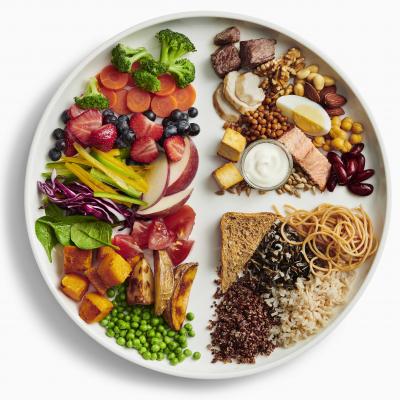
- Fill half the plate with vegetables.
- Add a palm-size portion of protein.
- Include a fist-size portion of carbs or whole grains.
- Use healthy fats. Olive oil, avocado, nuts, or seeds.
- Season smart. Herbs, acid, and umami give flavor without extra salt.
General dietary guidance shows home-cooked meals tend to be lower in sodium and added sugar than takeout. Small tweaks add up over the week.
Plate Like You Care
Good plating boosts appetite and joy.
- Use warm plates for hot food.
- Contrast textures. Crisp with creamy, soft with crunchy.
- Add color. Fresh herbs or a citrus zest pop.
- Keep it neat. Wipe edges and stack, don’t spread.
One-minute upgrade: Spoon a quick pan sauce over the protein, then finish with a fresh squeeze of lemon. It looks restaurant-ready.
Clean As You Go For A Calm Finish
A tidy kitchen makes the meal taste better because you relax after.
- Keep a scrap bowl on the counter.
- Load the dishwasher while things roast.
- Soak sticky pans right away.
- Put tools back as soon as you finish with them.
My habit: I wash the cutting board during the last 5 minutes of cooking. By the time we eat, the sink is almost clear.
Common Mistakes I Learned To Avoid
– Overcrowding pans. It steams food and kills browning. Use two pans or cook in batches.
– Adding garlic too early. It burns fast. Add after onions soften or lower heat.
– Skipping rest time for meat. Juices spill out and the meat dries.
– Boiling pasta without enough salt. The water should taste like the sea.
– Throwing away flavor. Save pan drippings for a quick sauce.
A little care at each step compounds into a great result.
Frequently Asked Questions Of How I Make A Good Meal
How do I plan a quick weeknight dinner?
Pick one protein, one veg, and one carb. Choose one method, like roasting. Season simply and finish with lemon or herbs. Keep total time under 30 minutes.
How much salt should I use?
Salt early and taste often. Season proteins on both sides, lightly salt boiling water for pasta, and adjust at the end with a small pinch if needed.
How can I make healthy meals that still taste great?
Use herbs, spices, and acids to boost flavor. Fill half the plate with veg, add lean protein, include whole grains, and cook with olive oil.
What is the best pan for everyday cooking?
A 12-inch stainless or cast-iron skillet covers most needs. It sears well, goes from stove to oven, and lasts for years.
How do I fix a dish that tastes flat?
Add acid first. Try lemon juice or vinegar. If it still lacks depth, add a small knob of butter or a splash of soy for umami.
Wrap-Up And Next Steps
A good meal is a small system: plan simple, prep smart, season with balance, cook with the right heat, and finish with freshness. Start tonight with one method and one flavor path. Build confidence by repeating the flow until it feels natural. Share your wins, ask questions, or subscribe for more practical kitchen blueprints. Then cook again tomorrow—practice makes delicious.