Most stainless steel pans are oven safe up to 500°F, though handle materials determine the exact temperature limit.
When you're standing in your kitchen deciding whether to move that beautiful stainless steel pan from stovetop to oven, you're asking one of the most practical questions home cooks face. I've been cooking professionally for over fifteen years, and I can tell you that understanding whether your stainless pans are oven safe is absolutely crucial for expanding your cooking techniques and protecting your investment.
The truth is, most quality stainless steel pans can handle oven temperatures beautifully, but there's more to the story than just the metal itself. The handles, rivets, and construction details make all the difference between a successful baking adventure and a kitchen disaster. Throughout this guide, I'll walk you through everything you need to know to confidently use your stainless pans in the oven, plus share some insights from my own kitchen mishaps and victories.

Understanding Stainless Steel Pan Construction
Stainless steel pans are built to be workhorses in the kitchen, and their oven safety largely depends on how they're constructed. The stainless steel material itself is incredibly heat-resistant and can handle temperatures well beyond what most home ovens reach. The real determining factors are the handles, rivets, and other components attached to the pan.
Most professional-grade stainless steel cookware is designed with oven versatility in mind. The metal won't warp, react with food, or release harmful chemicals at high temperatures. Quality manufacturers understand that modern cooks want multi-functional pieces, so they engineer their stainless pans to transition seamlessly from stovetop to oven.
I learned this firsthand when I invested in my first premium stainless steel cookware set. I was surprised to discover that the manufacturer specifically engineered the handles with a heat-resistant material precisely for oven use. This attention to detail is what separates truly oven-safe stainless pans from those that are merely stovetop companions.

Temperature Limits for Stainless Steel Pans
Understanding the temperature limits of your stainless pans is essential for safe cooking. Most stainless steel pans can safely handle oven temperatures between 400°F and 500°F, though some premium pieces go even higher. The upper limit typically depends on the handle construction and any non-metal components attached to the pan.
I typically recommend checking your specific pan's manufacturer guidelines because different brands have different ratings. Budget-friendly stainless pans might max out at 350°F or 400°F, while high-end restaurant-quality pieces often reach 600°F or beyond. The difference in these limits usually reflects the quality of materials and construction methods used.
When I'm testing whether a stainless pan is truly oven safe at high temperatures, I always pay attention to the handles first. Metal handles with secure rivets typically allow for higher temperatures than phenolic or silicone handles. It's one of those details that seems minor until you need it.
The Role of Pan Handles in Oven Safety
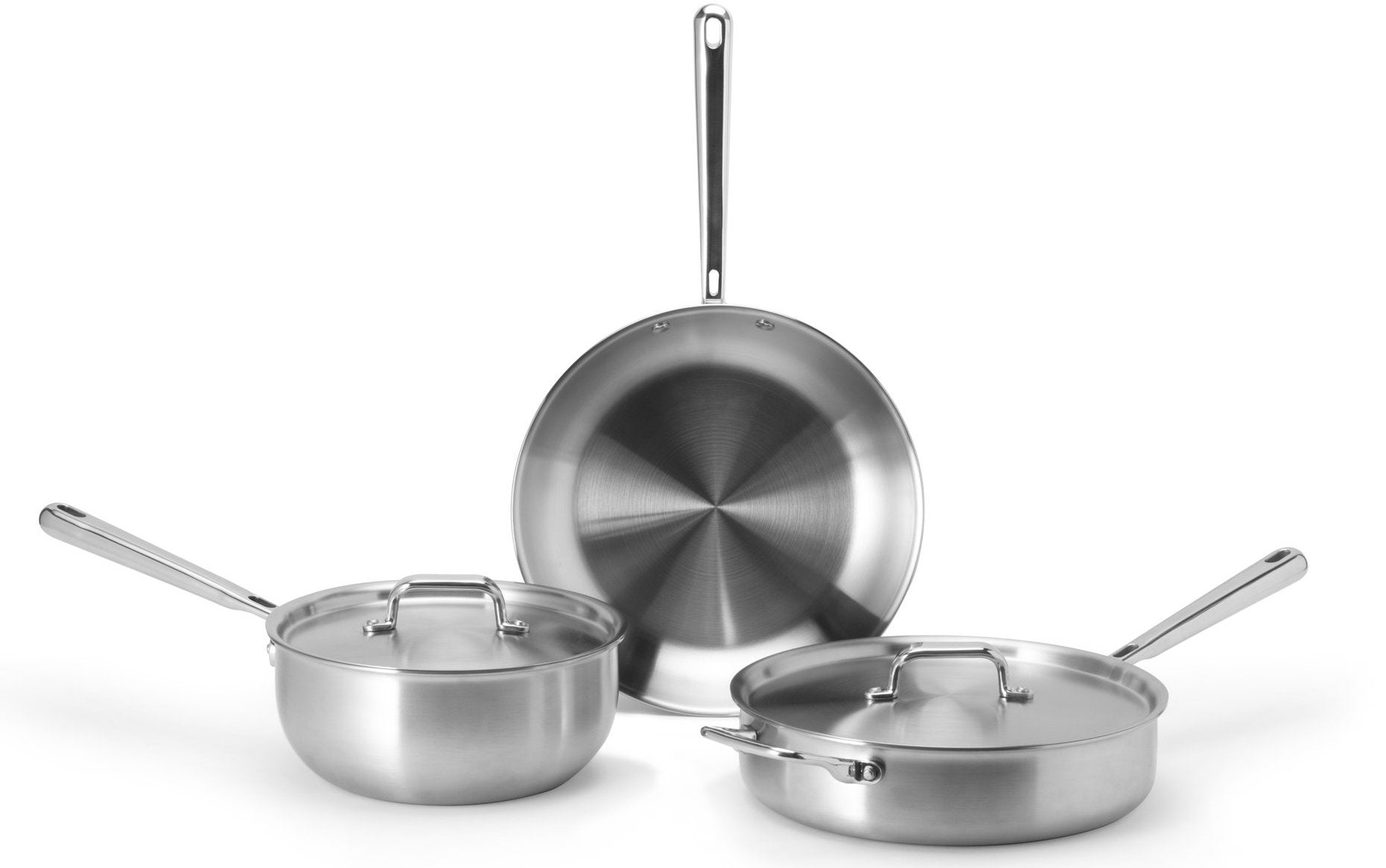
The handle is arguably the most critical component determining whether your stainless pans are oven safe. While the stainless steel body laughs at high heat, handles can become weak points in your oven cooking strategy. Different handle materials have vastly different heat tolerance levels, which is why understanding this aspect matters so much.
Stainless steel pans typically come with three main handle types. Metal handles, usually made from stainless steel or aluminum, offer the highest heat tolerance and are generally safe up to the maximum oven temperature of the pan. Phenolic handles, a type of plastic composite, typically max out around 350°F to 400°F. Silicone or rubberized handles usually have even lower limits, often 350°F or less.
I've personally ruined one silicone-handled pan by ignoring the temperature warning. The handle didn't actually burn, but it got incredibly hot and started melting slightly at the edges where the silicone met the metal. That experience taught me to always respect the manufacturer's temperature recommendations, regardless of how premium the pan feels.

Rivets and Other Metal Components
Beyond the main handle, rivets and fasteners play an important role in determining whether stainless pans are oven safe. These small metal pieces hold the handle securely to the pan body, and poor construction can become problematic under sustained high heat. Quality stainless steel pans use robust riveting methods that withstand intense oven temperatures without loosening.
Traditional riveted handles are incredibly reliable for oven use because they're mechanically secured rather than glued. Some modern stainless pans use welded or bonded attachments, which can also be oven safe but depend heavily on the quality of the bond. During my professional cooking days, I learned that riveted construction is the gold standard for oven-safe stainless pans.
Cheap rivets or poor-quality fastening can lead to loose handles after repeated oven use. I've seen this happen in budget cookware where the rivets eventually work themselves loose from thermal expansion. Investing in well-made stainless pans from reputable brands essentially guarantees that rivets and fasteners will maintain integrity through countless trips to the oven.

Checking Your Pan's Oven Safe Rating
Before using your stainless pans in the oven, you should verify their specific oven safe rating. This information typically appears on the manufacturer's label, which might be on the bottom of the pan, on the handle, or included in the product documentation. Taking five minutes to check this detail prevents potentially dangerous situations.
Most major cookware manufacturers clearly mark their stainless pans with oven safe temperatures. You might see labels like "oven safe to 500°F" or specifications that mention different temperature limits for different components. Some pans even include removable silicone handles, allowing you to swap them for metal handles for higher-temperature oven use.
I always recommend keeping your cookware documentation or taking a photo of the label for future reference. When you're cooking in a rush and need to know your pan's limits, you won't want to search through old boxes or receipts. Documenting this information makes you a more confident and prepared cook.
Common Materials in Stainless Steel Pans and Their Heat Tolerance
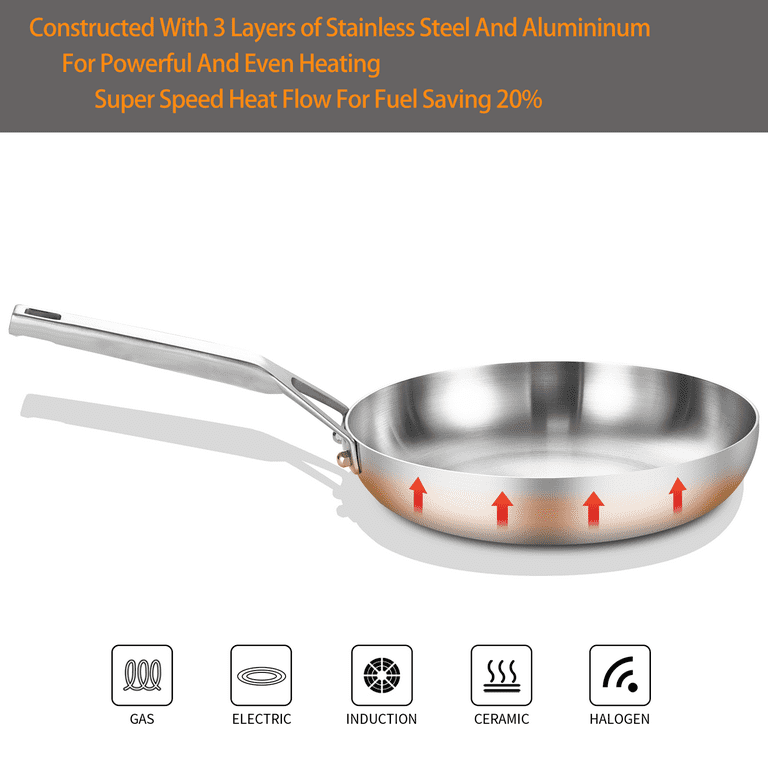
Understanding the specific materials in your stainless pans helps you make smart decisions about oven use. Stainless steel itself, typically a mix of steel, chromium, and nickel, can withstand extremely high temperatures without degrading. However, other materials mixed into or attached to the pan have lower tolerance levels.
The core stainless steel material used in most cookware can handle temperatures exceeding 1000°F without structural damage. That's well beyond what most home ovens produce, which top out around 500°F to 550°F. The limiting factors are almost always the supplementary materials like handles, seals, or non-stick coatings if applicable.
In my professional kitchen experience, I've worked with high-end stainless steel pans rated for temperatures that rival commercial ovens. The manufacturers of these premium pieces invest heavily in materials science to ensure every component can withstand extreme heat. This is reflected in their higher price tags but also in their longevity and versatility.
Cooking Techniques That Require Oven Safe Stainless Pans
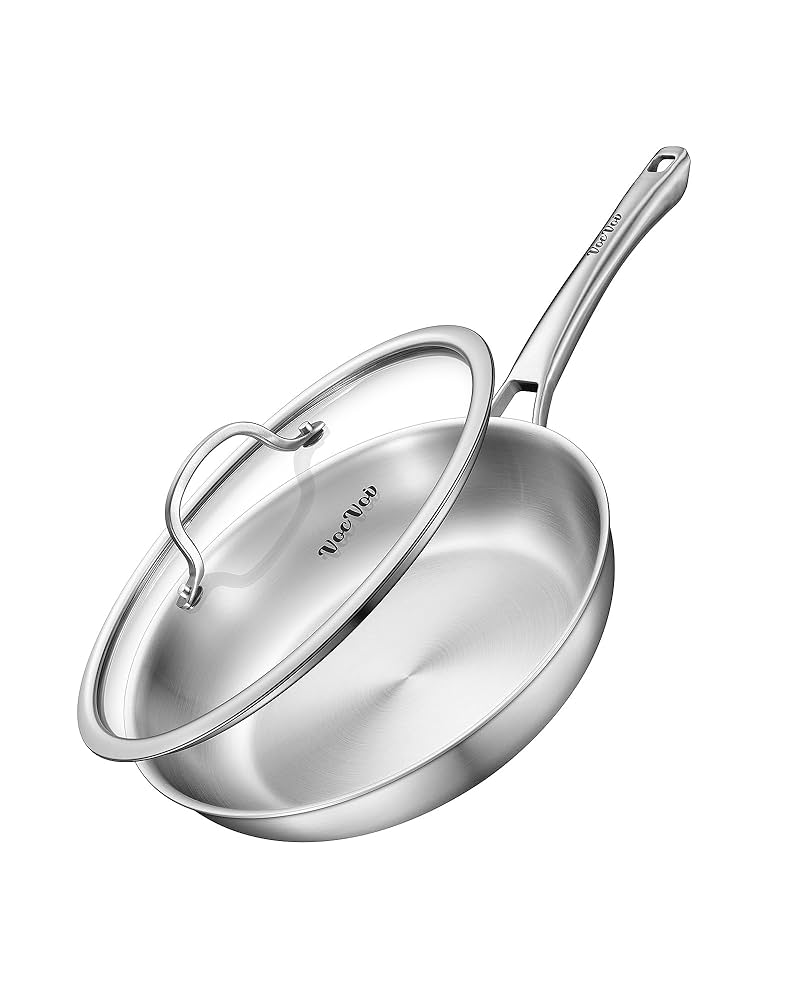
Knowing that your stainless pans are oven safe opens up a world of cooking possibilities. Searing meat on the stovetop and finishing it in the oven is a professional technique that delivers restaurant-quality results. This method gives you a perfectly browned exterior while maintaining a tender, juicy interior, something that's difficult to achieve using only stovetop heat.
Other techniques that benefit from oven-safe stainless pans include braising, where you start vegetables or meat on the stove and then transfer to the oven for slow cooking. One-pan meals like sheet pan dinners become more elegant and controlled when made in a quality stainless steel pan. Baking certain dishes like cornbread or skillet cakes also works beautifully in properly heated stainless pans.
I regularly use my stainless pans for finishing pizzas, making frittatas, and baking vegetables. The versatility is remarkable once you understand your pan's capabilities. These techniques have genuinely improved my cooking and impressed plenty of dinner guests who notice the superior browning and texture.

Practical Tips for Using Stainless Pans in the Oven
When you're ready to use your stainless pans in the oven, following a few practical guidelines ensures success and safety. First, always preheat your oven and remember that stainless pans will become extremely hot during cooking. Use oven mitts or towels when handling your stainless pans after oven use, as they retain heat significantly longer than you might expect.
Never use a stainless pan that's been stored in a cool area directly in a preheated oven without careful consideration. Extreme temperature changes can sometimes cause warping, though quality stainless pans are engineered to handle this. I typically recommend letting stainless pans warm up gradually if possible, or accepting that this is simply part of professional cooking.
Make sure your oven racks can safely support your stainless pan, especially when filled with liquid or food. Some older ovens have narrower racks or less stable support, so verify this before your first use. Taking these precautions means you can use your stainless pans confidently without worry.
Comparing Stainless Steel to Other Pan Materials
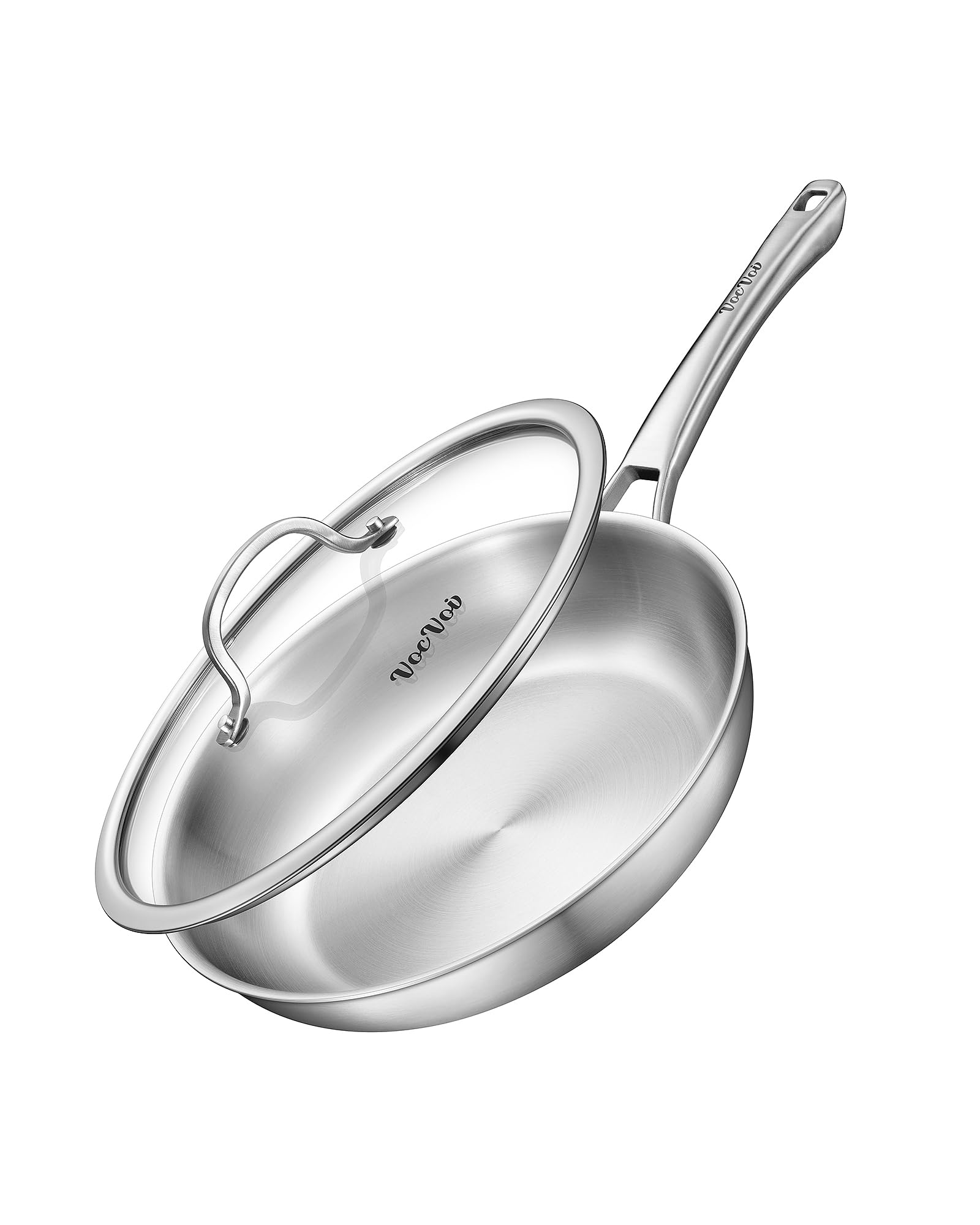
Understanding how stainless steel compares to other pan materials gives context to its oven safety advantages. Cast iron is excellent for oven use and can handle extremely high temperatures, but it requires seasoning maintenance and is considerably heavier. Non-stick pans often have lower oven temperature limits because of their specialized coatings, which typically max out around 350°F to 400°F.
Aluminum pans conduct heat more quickly than stainless steel but are generally less durable for oven use. Copper pans offer excellent heat distribution but require careful maintenance and are often lined with stainless steel for everyday cooking. Each material has unique properties, and stainless steel strikes an excellent balance between durability, heat distribution, and oven versatility.
My personal preference for stainless steel in the oven comes from this balanced approach. You get reliable, predictable performance without the maintenance demands of cast iron or the coating concerns of non-stick surfaces. For someone serious about cooking, stainless pans are genuinely the most practical choice.

Maintenance and Care for Oven-Safe Stainless Pans
Proper care keeps your stainless pans functioning beautifully for oven use over many years. After using your stainless pans in the oven, allow them to cool to room temperature before washing them. Sudden temperature changes from hot pan to cold water can potentially cause warping, though quality stainless pans are quite resilient.
Regular washing with mild soap and warm water maintains your pans beautifully. Avoid putting them in the dishwasher if possible, as harsh detergents and extreme heat can affect handles and finishes over time. Hand washing extends the life of your stainless pans and keeps them looking like new.
Periodically check rivets and handles to ensure they remain secure and undamaged. If you notice any looseness or changes in handle integrity, stop using the pan in the oven until you address the issue. This simple maintenance habit prevents accidents and ensures your stainless pans deliver reliable performance for years.
Understanding Manufacturer Guidelines
Each stainless pan manufacturer provides specific guidelines about oven safety based on their design and construction choices. These guidelines exist for your safety and to help you get the best performance from your cookware. Respecting these recommendations means you're using your pans exactly as they were engineered to be used.
Major manufacturers like All-Clad, Calphalon, Cuisinart, and Tramontina all provide clear oven safe specifications with their products. Some include detailed care instructions that explain various oven safe temperatures for different cooking methods. Taking time to read this information transforms you from someone simply using cookware to someone who truly understands their kitchen tools.
I always encourage people to reach out to customer service if they can't find their pan's documentation. Most reputable manufacturers are happy to answer questions about oven safety and proper use. This investment in understanding your tools pays dividends in better cooking results and longer-lasting cookware.
Frequently Asked Questions
Are all stainless steel pans oven safe?
Most quality stainless steel pans are oven safe, but not all of them. Budget-friendly options or pans with silicone handles often have lower temperature limits than premium pieces. Always check the manufacturer's label to confirm your specific pan's oven safe rating before using it.
What temperature can stainless steel pans handle in the oven?
Most stainless steel pans are oven safe between 400°F and 500°F, though some high-end options reach 600°F or higher. The specific temperature limit depends on handle materials and construction quality. Checking your manufacturer's guidelines gives you the precise temperature your particular pan can handle.
Can I use a stainless steel pan with a silicone handle in the oven?
Stainless steel pans with silicone handles are typically oven safe only up to 350°F to 400°F because silicone has lower heat tolerance than metal. Some manufacturers offer removable silicone handles that you can take off for higher-temperature cooking. Always verify your specific pan's temperature limit before use.
Why do some stainless pans have lower oven safe temperatures than others?
Different manufacturers use different handle materials, fastening methods, and construction techniques that affect heat tolerance. Budget pans often use phenolic or silicone handles with lower temperature ratings, while premium pans typically use metal handles rated for higher heat. Investing in better-quality stainless pans usually means higher oven temperature limits.
How do I know if my stainless pan is oven safe?
Check the bottom of your pan or handle for a manufacturer's label indicating oven safe temperatures. Look through your product documentation or check the brand's website if you don't have the original packaging. You can also contact the manufacturer directly with your pan's model number to confirm its oven safe rating.
Can stainless steel pans warp from oven use?
Quality stainless steel pans are engineered to resist warping during normal oven use, but extreme temperature changes can occasionally cause issues. Allowing pans to cool gradually rather than moving them immediately from hot oven to cold water reduces the risk of warping. Premium-grade stainless pans are particularly resistant to warping.
Wrapping Up Your Stainless Pan Understanding
Your stainless steel pans are more versatile kitchen companions than you might have realized. With proper knowledge of their temperature limits and construction details, these pans unlock cooking techniques that truly elevate your culinary game. The investment in understanding whether your stainless pans are oven safe pays off every time you sear, braise, or finish a dish to perfection.
Start by checking your pans' manufacturer guidelines today. Knowing their specific oven safe ratings removes any uncertainty and lets you cook with confidence. Once you've confirmed your pans' capabilities, experiment with oven techniques and discover how these versatile tools can transform your cooking. Share your favorite stainless pan oven cooking discoveries in the comments below, and don't hesitate to reach out if you have questions about getting the most from your cookware.