Rice cookers can be healthy when chosen and used with care and simple habits.
I’ve cooked rice every week for years and tested several rice cookers. This article explains whether are rice cooker healthy and why. I’ll share science, practical tips, and personal experience so you can make healthy choices and cook better rice at home.
How rice cookers work and why that matters for health
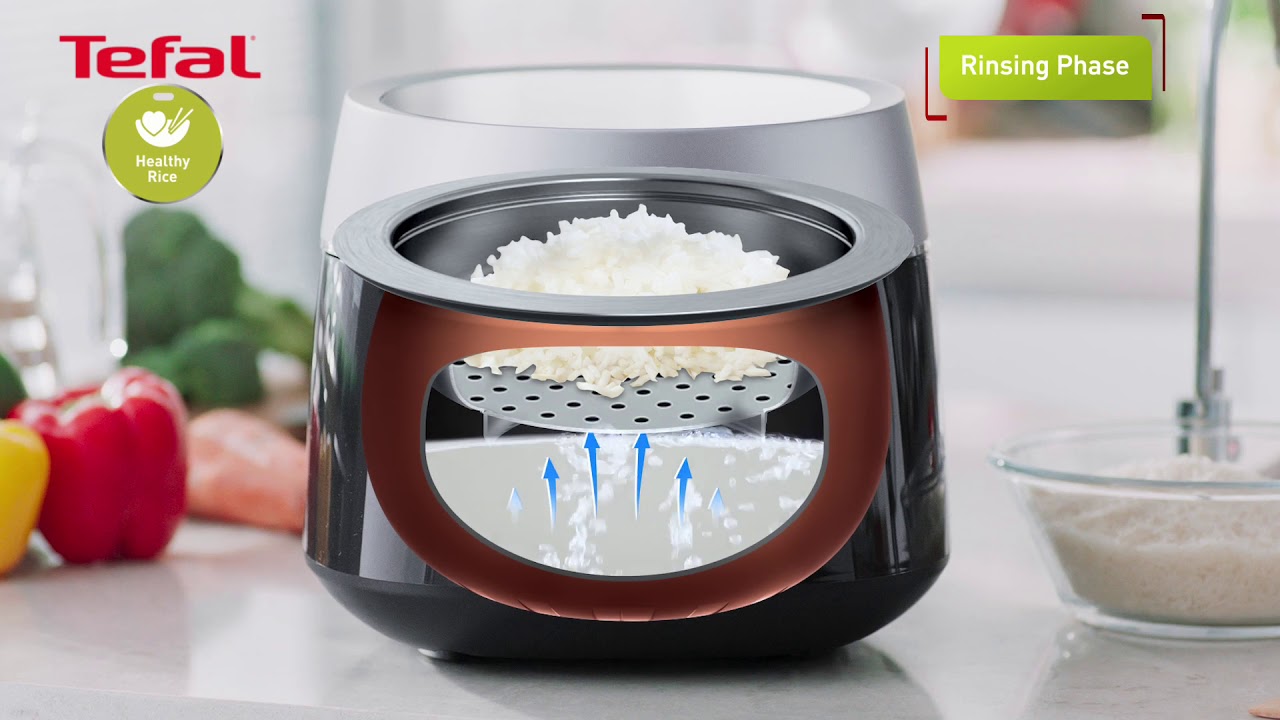
Rice cookers heat rice and water until the water evaporates or is absorbed. Basic models use a single heat cycle. Smart models use fuzzy logic or pressure to adjust time and temperature. Those differences affect texture and nutrient retention.
Understanding how they work helps answer are rice cooker healthy. A steady, controlled cook limits burnt food and keeps nutrients more intact than uneven stovetop boiling. My experience: a good cooker gives consistent results and fewer wasted batches.

Nutrition, safety, and what the research says
Rice is mostly carbohydrates and some vitamins and minerals. Cooking method changes starch structure and glycemic response. Studies indicate that cooling cooked rice can form resistant starch, which feeds gut bacteria and lowers blood sugar spikes.
Arsenic is a real concern in rice. Cooking in excess water and draining it can cut arsenic levels. Using a rice cooker with a drain or steaming rice after rinsing reduces arsenic more than some closed-pot methods. I always rinse and, when possible, soak rice to improve safety and texture.
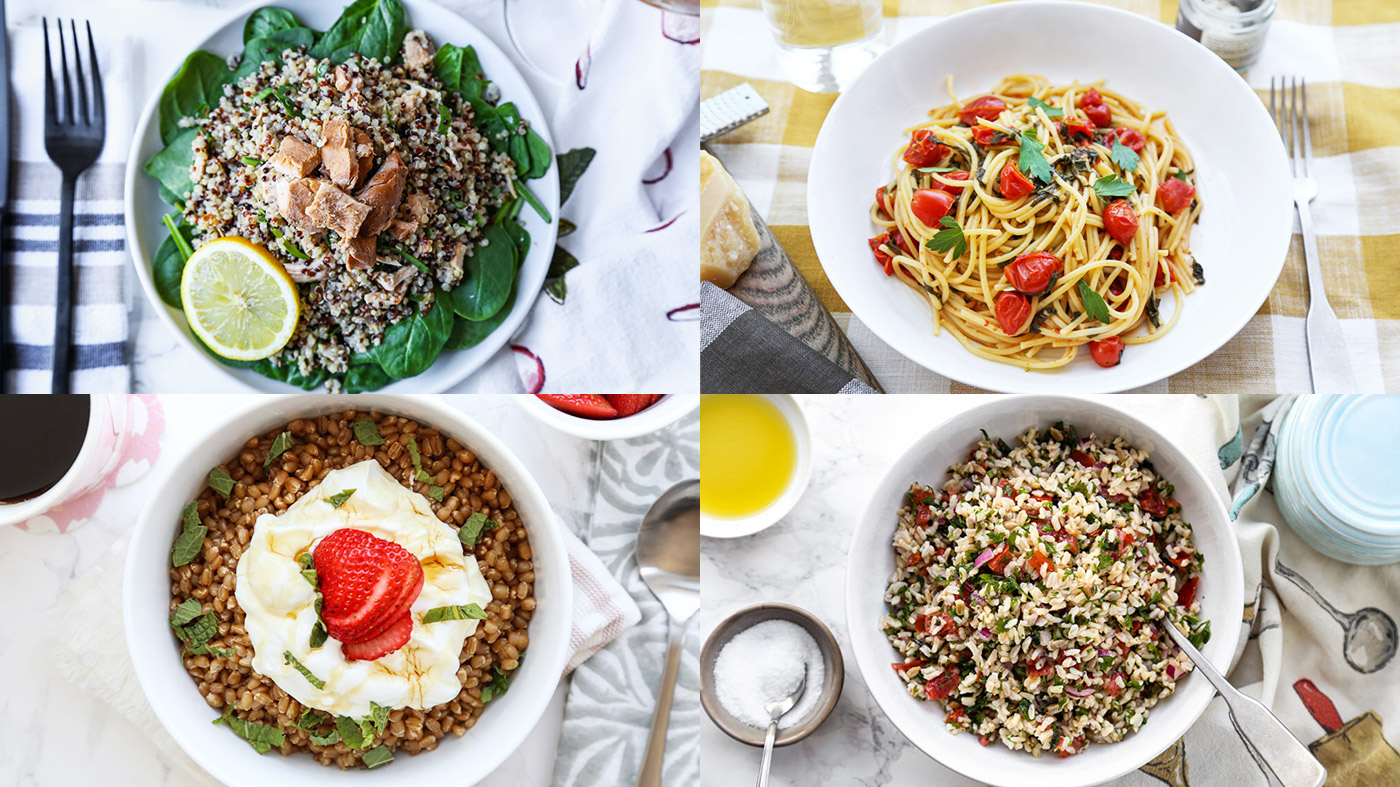
Are rice cooker healthy when it comes to nutrients? Yes, if you follow simple steps like rinsing, using whole grains, and steaming vegetables in the cooker. These habits keep meals balanced and reduce added fats.
Health benefits of using a rice cooker
Rice cookers offer several practical health advantages:
- Consistent cooking that reduces burnt or overcooked food, which can form harmful compounds.
- Hands-off cooking saves time and reduces temptation to add excess oil or butter.
- Many models include steaming trays for vegetables and fish, enabling one-pot, nutrient-rich meals.
- Programmable timers support portion control by allowing you to cook the right quantity and store it safely.
From personal use, I find a multi-function rice cooker makes it easier to eat whole grains and vegetables regularly. That alone improves diet quality over time.
Potential risks and how to avoid them
Risks include arsenic exposure, cross-contamination, and chemical leaching from poor-quality materials. Here are practical ways to lower risk:
- Rinse rice thoroughly and soak when possible to reduce arsenic and surface starch.
- Cook brown rice with extra water and drain, or use a cooker that allows draining.
- Choose pots with safe inner materials—stainless steel or high-quality nonstick with no known toxic coatings.
- Clean the cooker regularly and dry seals to avoid mold or bacterial growth.
- Avoid heating plastics directly and prefer models with minimal plastic contact.
If you ask are rice cooker healthy despite these risks, the answer is yes when you use safe practices. I once ignored rinsing and noticed a gritty flavor; rinsing fixed it and improved digestion for my family.
:max_bytes(150000):strip_icc()/sea-tier-3-primary-best-rice-cookers-ahuang-151-372092288b0d4326be8cdb952b9e64c7.jpeg)
Choosing a healthy rice cooker: features to look for
Pick a cooker that supports healthy habits. Key features:
- Inner pot material: stainless steel or high-grade nonstick with safe coating.
- Steaming tray or basket for vegetables and proteins.
- Fuzzy logic or multiple cooking modes for whole grains and porridge.
- Easy-to-clean removable lid and parts to prevent bacteria buildup.
- Capacity that matches your family size to prevent waste and overcooking.
When I upgraded to a model with steaming and a brown rice mode, I started eating more whole grains. That small change improved meal variety without extra effort.

Practical tips and simple recipes for healthier rice
Small steps make big health differences. Try these tips:
- Rinse rice until the water runs clear. This lowers impurities and excess starch.
- Soak brown rice for 30–60 minutes to reduce cook time and improve texture.
- Use a 1:2 to 1:2.5 rice-to-water ratio for most white rices; brown rice often needs more water.
- Cool rice and refrigerate if not eaten immediately to reduce bacterial risk.
- Add vegetables, beans, or lentils to the cooker to make one-pot balanced meals.
- Use broth instead of oil for flavor without extra fat.
Easy recipe idea:
- Rinse 1 cup brown rice. Add 2.5 cups water and a pinch of salt. Add a cup of frozen peas and a diced carrot on top. Cook on brown rice mode. Fluff and finish with lemon juice.
These habits answer the common question are rice cooker healthy by showing how to get nutritious meals with minimal fuss.
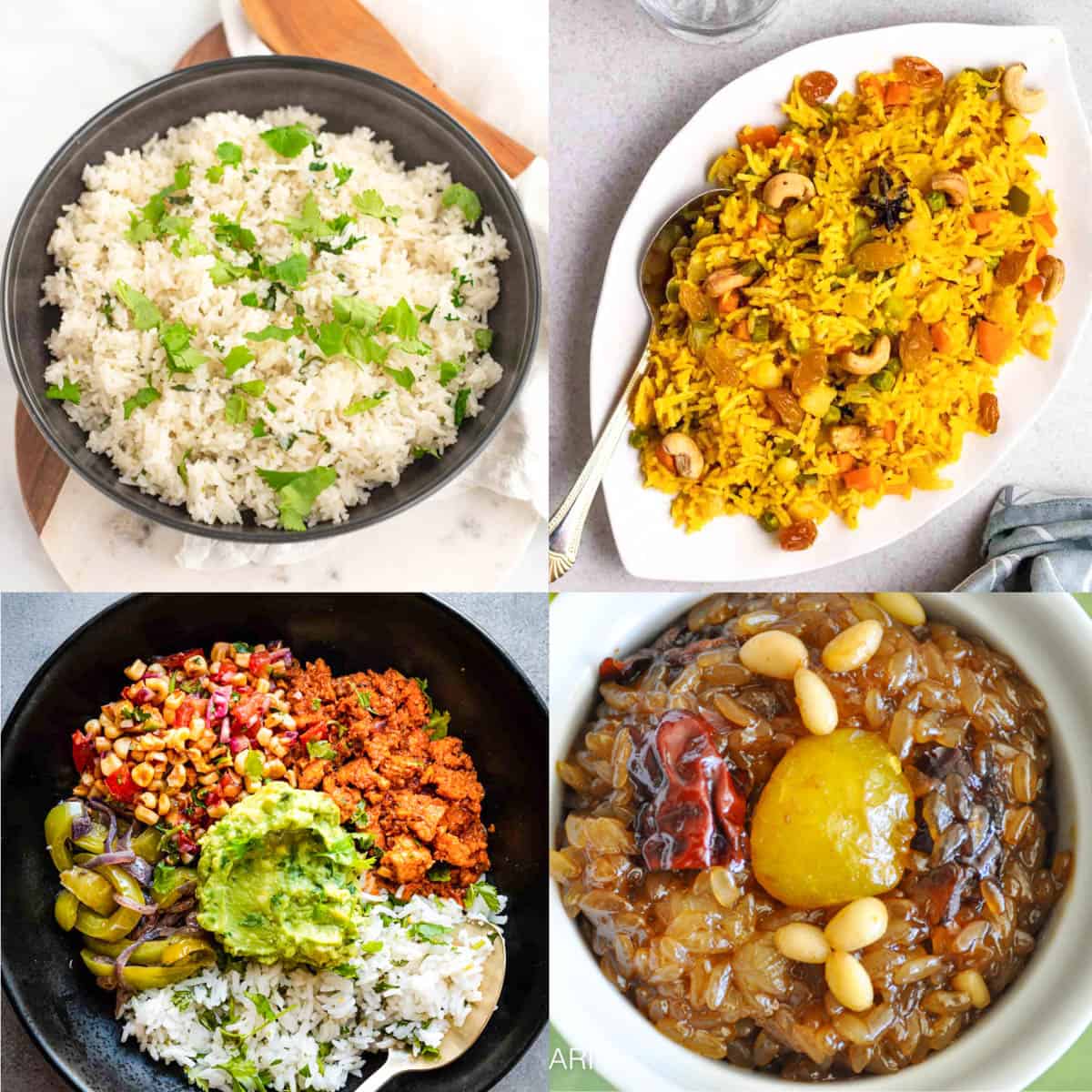
Frequently Asked Questions of are rice cooker healthy
Are rice cooker healthy compared to stovetop cooking?
Rice cookers provide more consistent heat and reduce the chance of overcooking. They can be healthier when you use proper rinsing and whole grains.
Can rice cookers reduce arsenic in rice?
Yes. Rinsing, soaking, and using excess water that is drained can lower arsenic levels more than closed-pot methods. A cooker with a draining option helps.
Do rice cookers cause nutrient loss?
All cooking causes some nutrient loss, but rice cookers that steam or cook quickly can preserve more nutrients than prolonged boiling. Cooling rice after cooking can increase resistant starch.
Is it safe to store rice in a rice cooker?
It is okay to keep rice warm briefly, but long-term storage at warm temperatures can grow bacteria. Cool leftovers quickly and refrigerate within two hours.
Are non-stick inner pots safe?
High-quality non-stick coatings can be safe when not scratched or overheated. Choose durable coatings and avoid metal utensils to prevent damage.
Can I cook other healthy foods in a rice cooker?
Yes. You can steam vegetables, cook legumes, make porridge, and even prepare one-pot stews. This versatility supports balanced meals.
Conclusion
Rice cookers can be a healthy tool when you choose the right model and follow simple habits like rinsing, choosing whole grains, and using steam functions. They help you eat more consistently, reduce added fats, and make balanced meals easier. Try small changes—rinse rice, use the steaming tray, and add veggies—to see real benefits in your diet.
Take action today: pick a cooker with a brown-rice mode and a steaming basket, rinse your rice, and try a one-pot vegetable and grain meal this week. Share your results or questions in the comments and subscribe for more simple, healthy cooking tips.