Most plastic rice cooker measuring cups are safe when made from food‑grade, heat‑resistant plastics.
I’ve tested rice cookers and handled dozens of measuring cups across brands. This guide explains whether are plastic rice cooker measuring cups safe, what to watch for, and how to pick and use cups that protect your health. You’ll get clear, evidence‑based advice, practical tips from experience, and simple steps to avoid risks.
Why people worry about plastic rice cooker measuring cups
Many people ask are plastic rice cooker measuring cups safe because plastic and heat often raise red flags. News about BPA and chemical leaching makes users cautious. It helps to separate myth from fact and learn what plastics are actually used and why they are usually safe.
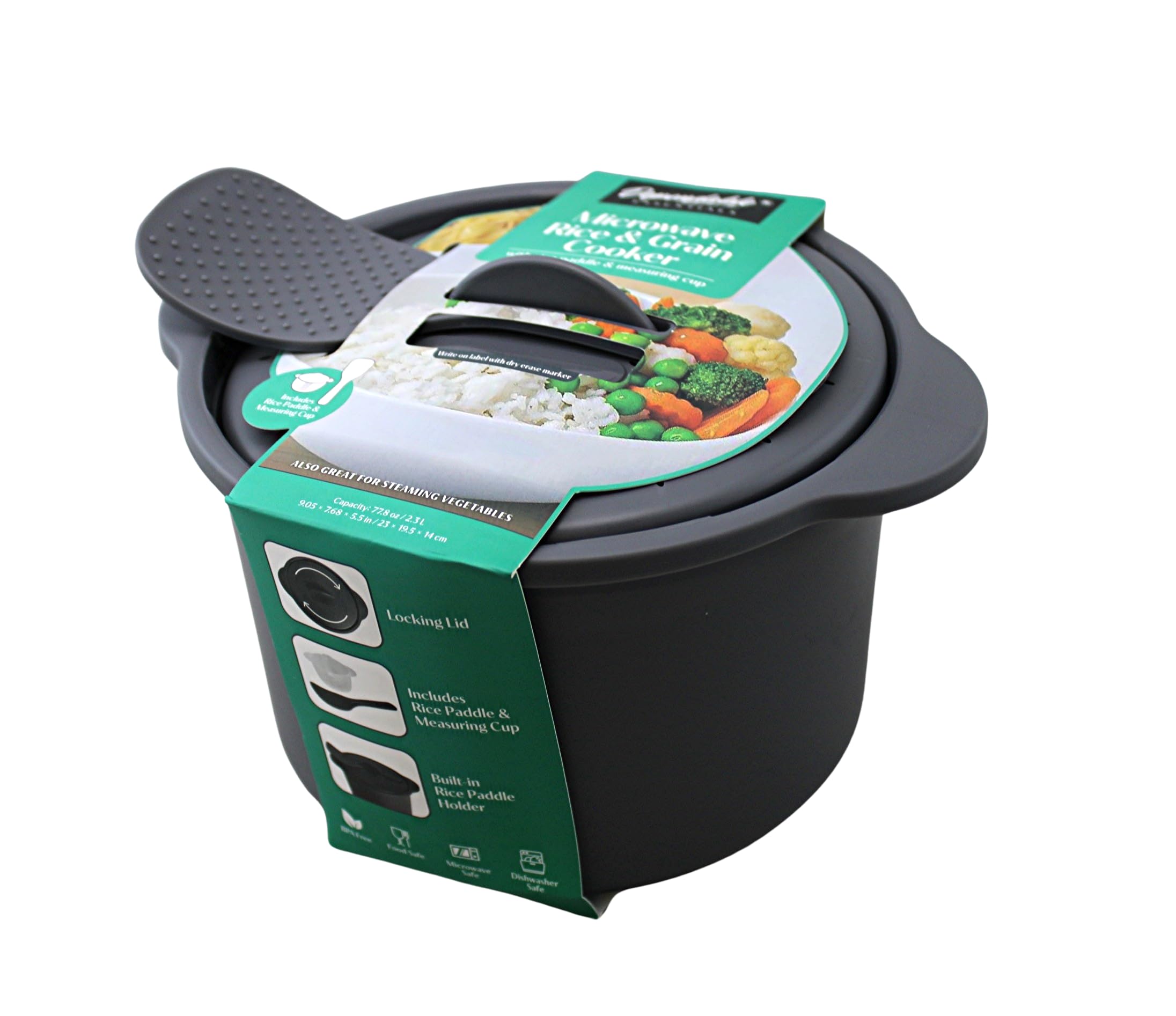
What plastics are used in rice cooker measuring cups
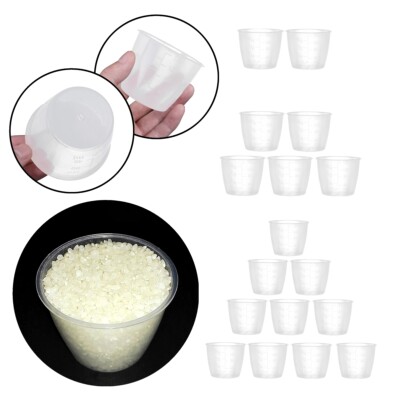
Most rice cooker measuring cups are molded from polypropylene. Polypropylene is labeled with recycling code 5 and is common in food tools. Some older or cheap units use polystyrene or polycarbonate, which can contain different additives. Knowing the plastic type helps answer are plastic rice cooker measuring cups safe in each case.

Main safety concerns: BPA, heat, and additives
People worry about BPA, phthalates, and other additives that might leach. BPA was used in polycarbonate plastics but many kitchen items are now BPA‑free. Heat speeds chemical migration, but short contact with hot rice in a polypropylene cup gives very low risk. Always avoid cracked or discolored cups since damage raises the chance of leaching.

Regulations and testing that back safety claims
Food contact plastics must meet regulatory rules in many regions. Agencies set migration limits and test items at high temperatures. Manufacturers test measuring cups for food safety and common brands pass these checks. This regulatory layer helps answer are plastic rice cooker measuring cups safe with confidence.
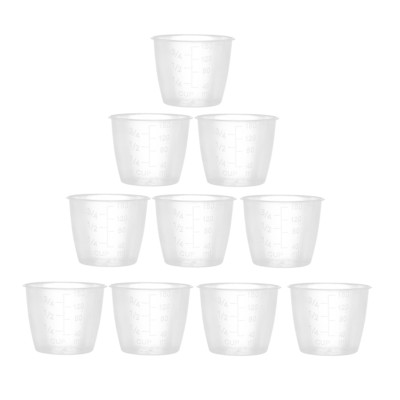
Practical tips to choose safe measuring cups
- Look for “food‑grade” or a food contact symbol on the cup. These marks show testing for food use.
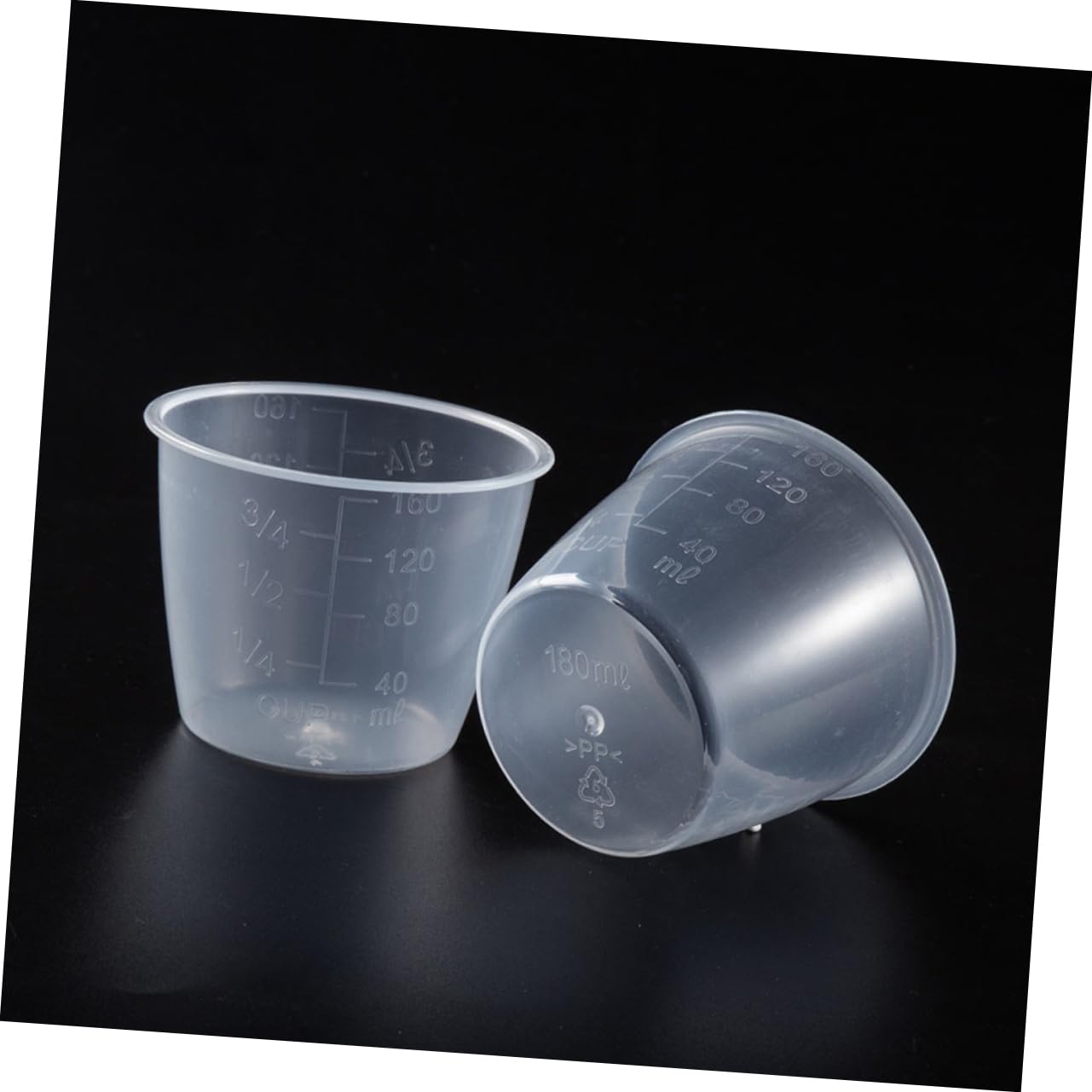
- Prefer polypropylene (PP) or cups that say BPA‑free. PP handles heat well and resists leaching.
- Check for a recycling code 5 on the item. This code usually means polypropylene.
- Avoid clear, hard plastic cups labeled polycarbonate unless marked BPA‑free.
- Replace cups that are warped, cracked, or have strong odors. Damaged plastic is less safe.
How to use and clean them safely
Wash new measuring cups before first use to remove manufacturing residues. Use warm soapy water rather than harsh scrubbing that can create micro-scratches. Avoid boiling or prolonged exposure to very high heat. If your cup is dishwasher safe, place it on the top rack to limit direct heat exposure.

Alternatives to plastic measuring cups
- Stainless steel cups: durable, nonreactive, and easy to clean. They are heavier and less common with some rice cookers.
- Glass measuring cups: clear and safe, but fragile and can be hard to fit inside cooker lids or storage spots.
- Wooden or bamboo scoops: natural and heat resistant, but harder to measure exact volumes.
Choosing an alternative answers are plastic rice cooker measuring cups safe by removing plastic concerns entirely.

My hands‑on experience and lessons learned
I used many rice cookers over the years and tested both plastic and metal cups. The branded plastic cups that came with my cookers showed no odor or warping after months. A cheap clear cup did yellow and crack after heavy use, so I replaced it. Lesson: buy quality and replace when signs of wear appear.

Frequently Asked Questions of are plastic rice cooker measuring cups safe
Are plastic rice cooker measuring cups safe for everyday use?
Yes. When made from food‑grade polypropylene or labeled BPA‑free, plastic rice cooker measuring cups are safe for normal use. Regular inspection and basic care keep them safe long term.
Can heat from hot rice cause harmful chemicals to leach from the cup?
Short contact with hot rice gives very low risk if the cup is food‑grade and undamaged. Prolonged exposure to very high heat increases risk, so avoid boiling or leaving cups in extreme heat.
How can I tell if a measuring cup is food‑grade?
Look for food contact symbols, “food‑grade” labeling, BPA‑free claims, or recycling code 5 (PP). Manufacturer packaging often lists materials and safety notes.
Should I stop using the cup if it smells or stains?
Yes. Strong odors, discoloration, cracks, or warping mean you should replace the cup. Damaged plastic can release more chemicals and is less hygienic.
Is stainless steel better than plastic for measuring rice?
Stainless steel is nonreactive and long‑lasting, so it’s a safe alternative. It lacks the exact fit that some rice cooker scoops have, but it removes plastic concerns completely.
Conclusion
Most are plastic rice cooker measuring cups safe when they are food‑grade, heat‑resistant, and well cared for. Choose cups made from polypropylene or labeled BPA‑free, avoid damaged pieces, and wash gently. If you want zero plastic risk, switch to stainless steel or glass. Try one change today: inspect your cup, check its markings, and replace it if worn. Leave a comment about your experience or subscribe for more simple kitchen safety tips.