Cook sliced carrots 1–2 minutes, chunks 3–4 minutes, whole carrots 5–6 minutes on high.
I have cooked carrots in pressure cookers for years. I test times, textures, and tricks so you get reliable results. This guide on how long to cook carrots in pressure cooker explains times for different cuts, methods, and tastes. Read on for exact times, quick steps, and tips I use at home and in busy kitchens.
:max_bytes(150000):strip_icc()/RM-AR-220869-easy-pressure-cooker-pot-roast-ddmfs-hero-4x3-0ce2836ae9f94912a05bf3b17631498c.jpg)
Why pressure cooking carrots works and when to use it
Pressure cooking uses steam and high pressure. The heat reaches the carrot fast. That means carrots cook in minutes, not hours. This is ideal when you want a quick side dish or to speed up soups and stews. Knowing how long to cook carrots in pressure cooker helps you hit the texture you want every time.
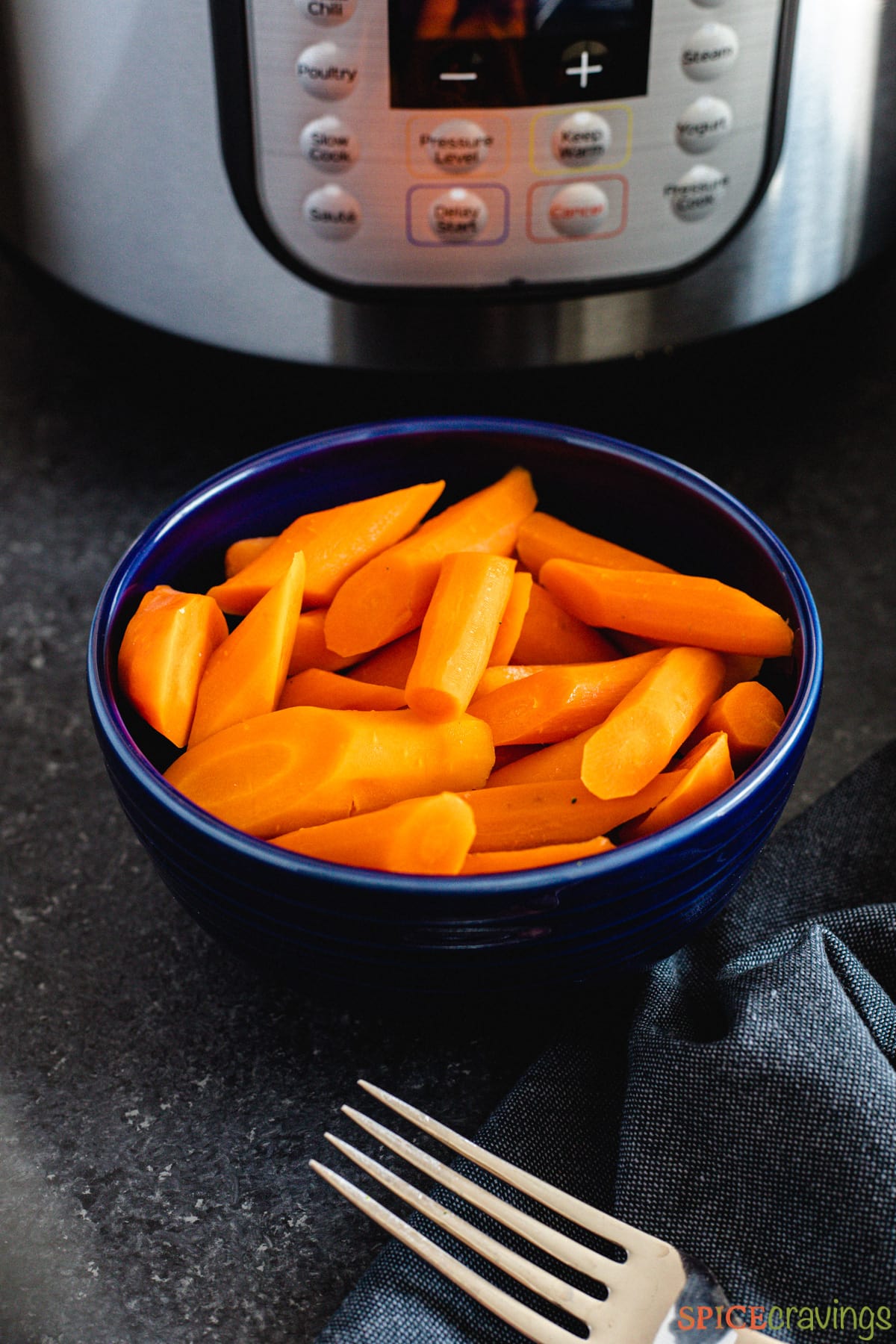
How long to cook carrots in pressure cooker — quick chart by cut and result
Below are simple times for common carrot cuts. All times assume high pressure on a standard electric pressure cooker and one cup of water or broth in the pot. Use quick release for firmer carrots. Use 5–10 minutes natural release for softer carrots.
- Sliced carrots (1/4 inch): 1 to 2 minutes for tender-crisp texture.
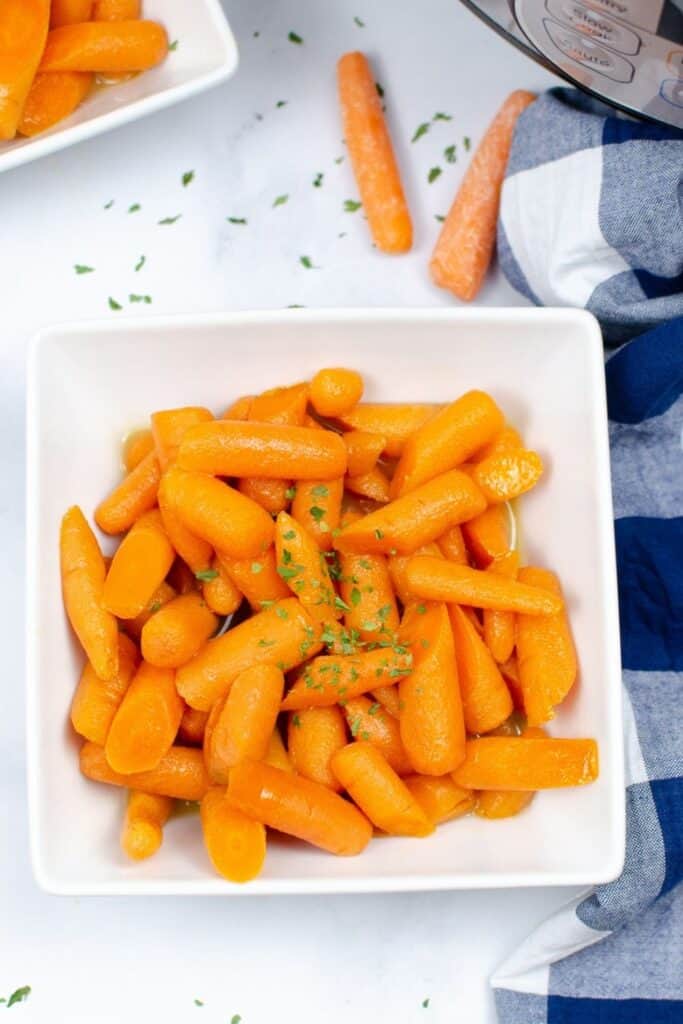
- Baby carrots (whole): 2 to 3 minutes for firm, 4 minutes for tender.
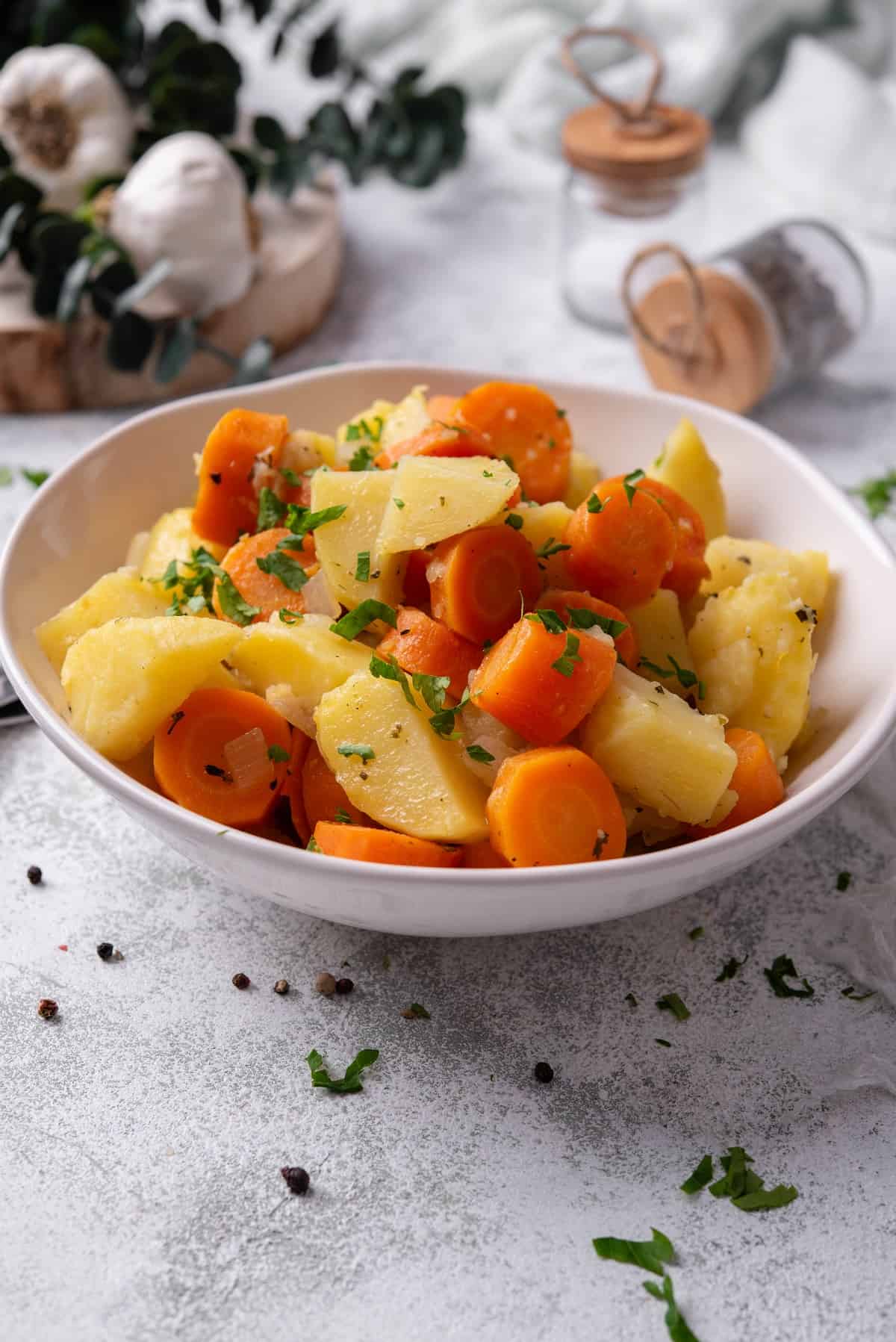
- Carrot chunks (1-inch): 3 to 4 minutes for tender.
- Whole medium carrots (peeled): 5 to 6 minutes for tender.
- Frozen carrots: 2 to 3 minutes, no thawing needed.
- Carrots for mashing: add 1 to 2 extra minutes to make them very soft.
These times are my tested ranges for how long to cook carrots in pressure cooker. I adjust by 1 minute based on size and brand.
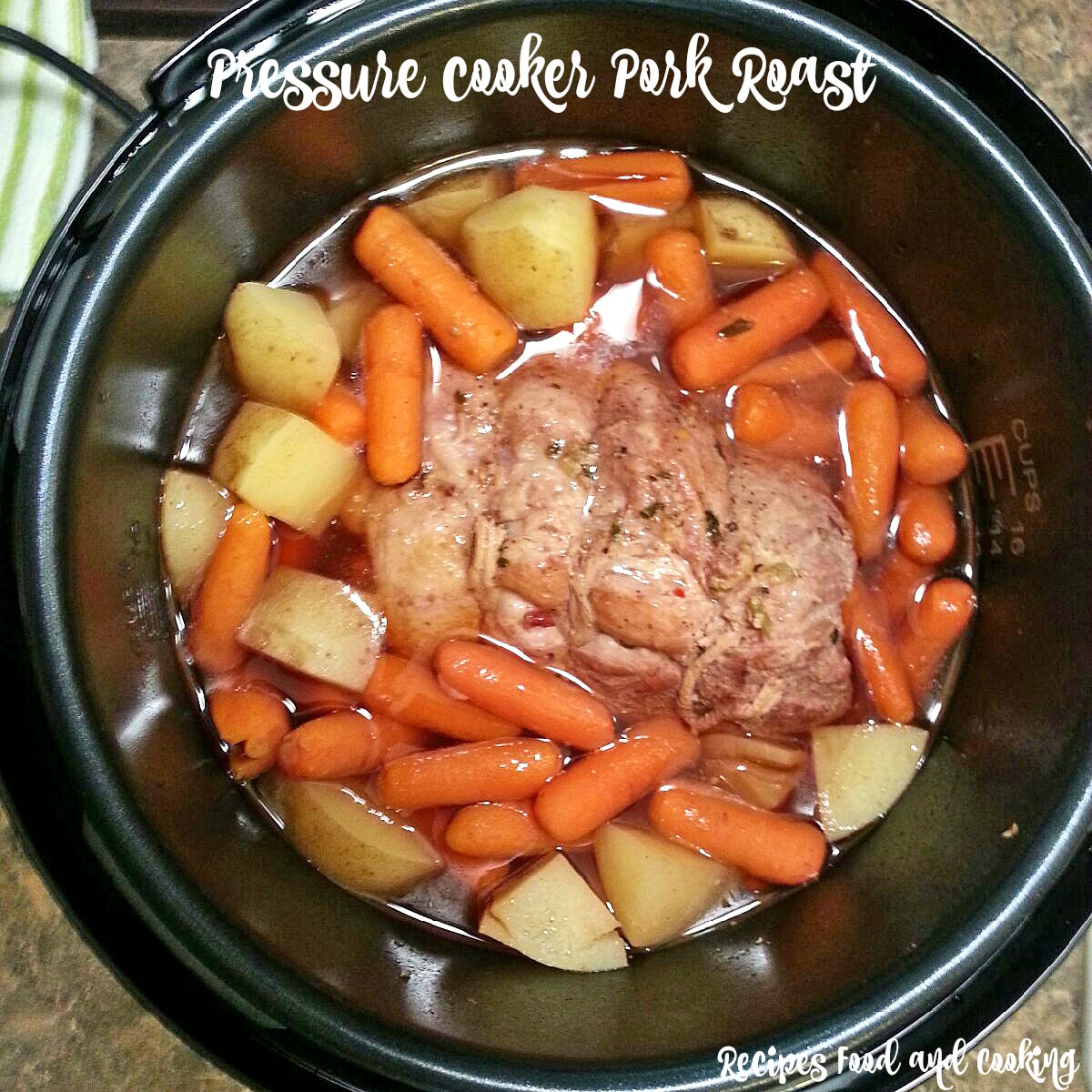
Step-by-step guide: cook carrots in a pressure cooker
Follow these steps for reliable results. I include small tips from my kitchen tests.
- Prep carrots
- Wash and peel if you like. Cut to the size in the chart above. Even sizes cook evenly.
- Add liquid
- Pour at least 1 cup of water or broth into the pot. This creates steam for pressure.
- Insert carrots
- Use a trivet or put carrots directly in the liquid. Trivet keeps them out of direct liquid for firmer texture.
- Set pressure and time
- Choose high pressure. Set time based on cut and texture using the chart above.
- Release pressure
- Use quick release for firmer carrots. Use natural release for softer carrots or for soups.
I often cook carrots with a trivet to avoid soggy bottoms. That method works well when I want firm, bright carrots.
:max_bytes(150000):strip_icc()/__opt__aboutcom__coeus__resources__content_migration__simply_recipes__uploads__2018__12__Pressure-Cooker-Pot-Roast-LEAD-HORIZONTAL-1-53a4942d8f09461587a5467f542c12a3.jpg)
Flavor, seasoning, and pairing tips
Carrots are sweet and pair with many flavors. Pressure cooking keeps sugars intact. Add flavor before or after pressure, depending on the result you want.
- Salt and pepper: Season lightly before cooking. Taste and adjust after.
- Butter or oil: Stir in after cooking for shine and taste.
- Herbs and spices: Add whole herbs before pressure. Add fresh herbs after cooking.
- Acid: A splash of lemon or vinegar brightens cooked carrots right before serving.
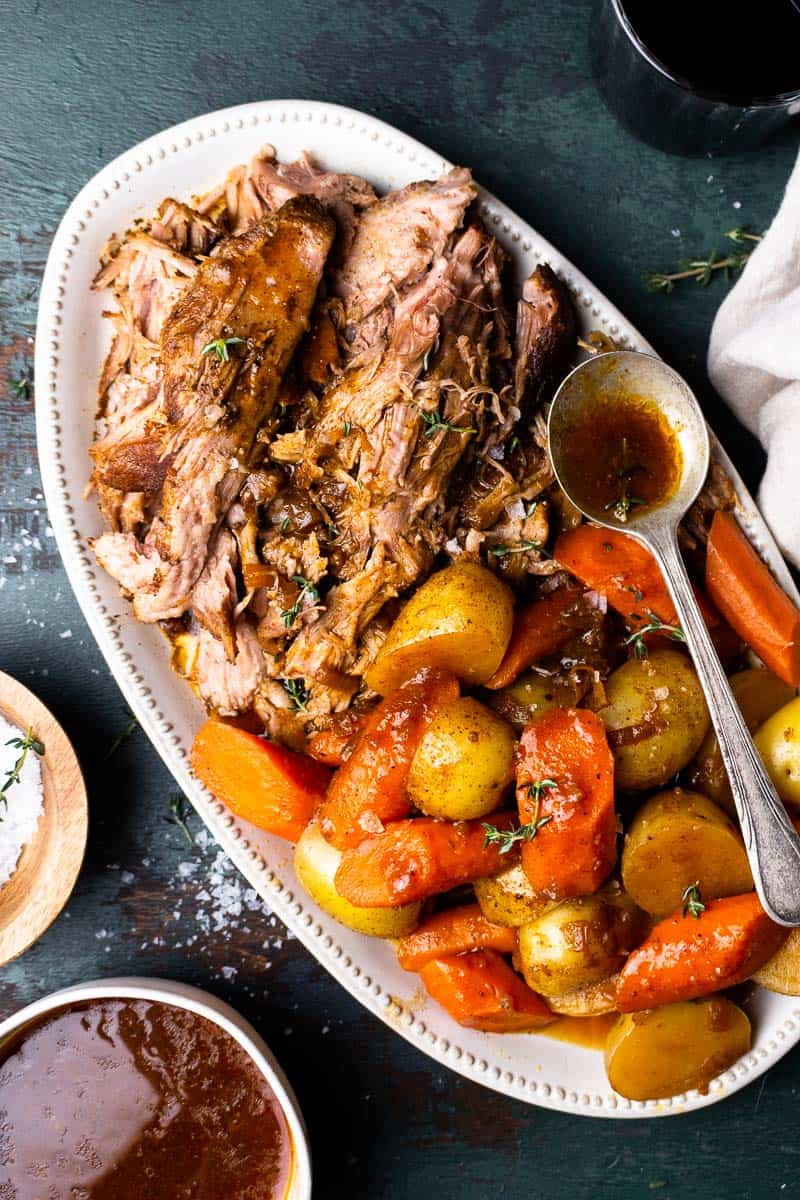
- Pairings: Carrots go well with roasted meats, grains, and beans. Use them in purees, soups, and salads.
When I make carrot purée, I pressure cook longer and mash with butter and a bit of cream. The result is silky and sweet.
Troubleshooting and common mistakes
Short, clear fixes for common issues.
- Carrots too soft: Reduce pressure time by 1–2 minutes or use quick release.
- Carrots too firm: Add 1–2 minutes and do a natural release for 5 minutes.
- Mushy bottoms: Use a trivet or less liquid next time.
- Bitter or off taste: Old carrots may taste off. Use fresh carrots for best flavor.
- Uneven cooking: Cut pieces to the same size and avoid overloading the pot.
I once overcooked a batch by using natural release with sliced carrots. Now I quick release sliced carrots to avoid mush.
Safety notes and equipment tips
Pressure cookers vary. Manuals give safe minimum liquid. Follow your model’s rules. Use the sealing ring and check the vent before each use.
- Liquid minimum: Most cookers need 1 cup. Check your manual.
- Sealing and valves: Clean and inspect before cooking.
- High vs low pressure: Use high pressure for the short times listed above.
- Altitude: At high altitude, add 1–2 minutes to the listed times.
These tips keep you safe and help you repeat results. I check my cooker every few months and replace the ring when it gets stiff.
Nutrition and health notes
Pressure cooking preserves many nutrients in carrots. Faster cooking means less nutrient loss. Carrots are rich in beta-carotene and fiber. Cooking makes beta-carotene easier for the body to use. A small amount of fat, like olive oil, helps absorb vitamin A.

Frequently Asked Questions of how long to cook carrots in pressure cooker
How long to cook carrots in pressure cooker for baby carrots?
Cook baby carrots 2 to 3 minutes on high pressure for firm-tender results. Use quick release to stop cooking quickly.
How long to cook carrots in pressure cooker for mashed carrots?
Cook carrot chunks 6 to 8 minutes on high for very soft carrots, then mash with butter. Use natural release for 5 minutes to finish cooking.
Can I cook whole carrots in a pressure cooker?
Yes. Whole medium carrots need about 5 to 6 minutes on high pressure. Use natural release for a softer texture.
How long to cook frozen carrots in a pressure cooker?
Frozen carrots take 2 to 3 minutes on high without thawing. Add one extra minute if carrots are in a large block.
Does pressure cooking ruin nutrients in carrots?
No. Pressure cooking often preserves nutrients better than boiling because of the shorter cook time and less water. Adding a small amount of fat improves vitamin A absorption.
Conclusion
Pressure cooking carrots saves time and keeps flavor and nutrients. Use the simple time chart and adjust by size and taste. Try quick release for firm carrots and natural release for softer ones. Now pick a cut, set your cooker, and cook with confidence. Share your results, ask a question, or subscribe for more quick kitchen guides.