Best pressure cooker for mycology: Presto 23-Quart Pressure Canner offers the best sterilization capacity and reliability.
I have watched many hobbyists and small labs struggle to sterilize grain and tools. A full load of jars or grain bags needs steady heat and time. The right pressure cooker cuts contamination and saves time. In these pages I share how to choose and use the best pressure cooker for mycology with hands-on tips I learned over years of sterilizing and testing gear.

Presto 01282 8-Quart Aluminum Pressure…
The smart choice for preparing today’s lower calorie foods. Cooks three to ten times faster than ordinary cooking methods! Saves time, energy, and money. Pressure cooking preserves flavors and nutrients,…

Presto 01362 6-Quart Stainless Steel…
Chicken, fish, meat, and vegetables cook to perfection fast; Helps tenderize economical cuts of meat Pressure regulator maintains the proper cooking pressure automatically; Complete 64-page instruction/recipe book included Ideal for…
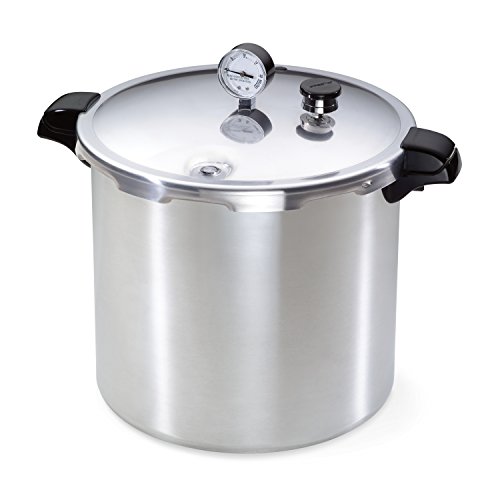
Presto 01781 Pressure Canner and…
The only method recommended safe by the US Department of Agriculture for canning vegetables, meats, poultry, and seafood Doubles as a boiling-water canner for preserving fruits, jams, jellies, pickles, and…
Presto 8-Quart Aluminum Cooker
I liked the Presto 8-Quart Aluminum Cooker for small batches and jars. It heats fast and is light to move. The valve system is easy to see and the lid seals well. It is a simple tool that fits a tight bench or a home stove.
For mycology, it works well with 1–4 pint jars or a few small grain bags. The aluminum body spreads heat quickly and keeps pressure steady with a steady flame. It is best when you need one to two jars sterilized for test batches or small grows.
Pros:
- Fast heat-up time for quick sterilization cycles.
- Lightweight and easy to lift, even when full.
- Clear pressure indicator for simple monitoring.
- Affordable cost for beginners and hobbyists.
- Compact size fits small kitchens and travel stoves.
Cons:
- Limited capacity—fits only a few jars at once.
- Aluminum can stain or pit over long use.
- Not ideal for large substrate batches or many jars.
My Recommendation
This Presto 8-Quart Aluminum Cooker is best for hobbyists who run small tests. I recommend it if you sterilize small batches and need quick runs. It is the best pressure cooker for mycology when your work is small scale or mobile. You get reliable pressure and a simple setup for one-off jars or trial runs.
| Best for | Why |
|---|---|
| Small test runs | Fits a couple of jars quickly and heats fast. |
| Travel or field use | Lightweight and compact for mobile setups. |
| Budget beginners | Low cost with good basic function. |
Presto 6-Quart Stainless Steel

The Presto 6-Quart Stainless Steel is a durable choice for small home mycology. The stainless build resists stains and cleans easily after long runs. It holds pressure well and feels solid on the stove. The lid locks securely and gives confidence during long sterilization cycles.
I used this model for jars and small grain bags. It fits well on all cooktops and resists warping. The weight of stainless steel helps maintain steady pressure even when the flame varies. For mycology, it gives repeatable sterilization and long life.
Pros:
- Durable stainless steel resists corrosion and stains.
- Good heat retention for steady pressure cycles.
- Compact enough for small kitchens but sturdy.
- Easy to sanitize and clean after runs.
- Works on a variety of stove types and heat sources.
Cons:
- Smaller capacity limits batch size.
- Heavier to lift when full compared to aluminum.
- Not ideal for lab-scale production runs.
My Recommendation
I recommend the Presto 6-Quart Stainless Steel for growers who want durability. If you sterilize jars regularly and want low maintenance, this is a strong pick. It is a good best pressure cooker for mycology for those focused on small, repeatable runs. It balances weight, durability, and consistent pressure control.
| Best for | Why |
|---|---|
| Routine jar sterilization | Stainless resists staining and is easy to clean. |
| Durability seekers | Built to last for many cycles. |
| Home lab setups | Compact, reliable, and stable on stoves. |
Presto 23-Quart Pressure Canner

The Presto 23-Quart Pressure Canner is my go-to for heavy mycology work. It fits many jars or large grain bags. The tall body and wide base allow stable stacking and even steam flow. It is built to run long cycles with large loads.
I use it for bulk grain sterilization, multi-jar runs, and when I need to process many jars at once. The 23-quart size handles 12–14 pint jars with room for racks and a steam diffuser. For mycology, it is the most efficient option for scale and cost per jar.
Pros:
- Large capacity fits many jars and bags in one run.
- Stable heat distribution for consistent sterilization.
- Simple pressure gauge and vent that I trust from use.
- Made for repeated heavy use in home and small labs.
- Good value for bulk sterilization needs.
Cons:
- Large and heavy—needs space and a strong stove.
- Lid and rack can be bulky to clean and store.
- Not ideal for one or two jars due to heat waste.
My Recommendation
If you plan to grow more than small tests, the Presto 23-Quart Pressure Canner is my top pick. I call it the best pressure cooker for mycology when scale matters. It cuts the time per jar and lowers contamination risk by processing more at once. If you want the best balance of cost, size, and reliability, this model pays off fast.
| Best for | Why |
|---|---|
| Bulk sterilization | Holds many jars and saves time per run. |
| Small labs | Stable and built for repeated cycles. |
| Cost-conscious growers | Better cost per jar than small cookers. |
Presto 6-Quart Aluminum Cooker

The Presto 6-Quart Aluminum Cooker is a classic for small hobby projects. It warms fast and is light to move. The pressure weight is simple to watch and it seals tightly. I used it often for trial jars and small grain runs.
It is best when you need a compact cooker that still offers steady pressure. The aluminum helps it reach and hold the right sterilization temp quickly. I found it very forgiving for quick runs and small batches of substrate.
Pros:
- Quick to heat and reach pressure.
- Easy to handle and store in tight spaces.
- Simple controls and low learning curve for new users.
- Good for quick trials or single jars.
- Low cost for entry-level use.
Cons:
- Aluminum can show wear over long use.
- Small size limits expansion for bigger runs.
- Not designed for heavy continuous lab use.
My Recommendation
This Presto 6-Quart Aluminum Cooker is ideal for people who test often but in low volume. I suggest it if you want a compact and fast unit. It ranks as a good best pressure cooker for mycology for starting projects and learning sterilization basics. It keeps costs low while giving reliable pressure control.
| Best for | Why |
|---|---|
| Beginners | Simple and fast to use for learning. |
| Tight spaces | Compact and easy to store. |
| Quick trials | Heats fast for short cycles. |
T-fal 22-Quart Pressure Canner

The T-fal 22-Quart Pressure Canner is a strong competitor for larger mycology needs. It brings thoughtful features like multiple pressure settings. The wide base and included racks make it easy to load jars and bags. I liked the added controls for different sterilization needs.
For mycology, it handles large runs with predictable results. The 22-quart size fits many jars and leaves room for steam circulation. T-fal’s build and design help keep cycles steady, which reduces contamination risk and yields consistent runs.
Pros:
- Multiple pressure settings for flexible cycles.
- Large capacity yet not overly heavy.
- Includes racks that make loading simple.
- Quality build offers long-term use.
- Good for varied sterilization needs and substrates.
Cons:
- More complex than a basic cooker for new users.
- Costs more than simple aluminum models.
- Needs a strong burner for full loads.
My Recommendation
I recommend the T-fal 22-Quart Pressure Canner to serious hobbyists and small labs. It is a strong best pressure cooker for mycology choice when you need flexibility and consistent pressure options. Use it if you run mixed substrates and need different settings for jars and grain. It is a solid balance of features and capacity for growing reliably.
| Best for | Why |
|---|---|
| Variable cycles | Multiple pressure settings for varied needs. |
| Mixed substrate runs | Handles jars and bags in one cooker. |
| Long-term use | Built for repeated cycles and good cleaning. |
How I Test and Use Pressure Cookers for Mycology
I test each cooker with real mycology loads to see how it performs. I load jars or grain bags in the same way I would at home. I run full cycles and note time to reach pressure, pressure stability, and ease of use. I also watch for steam leaks and ease of cleaning.
Then I check for contamination after runs. I follow standard sterilization times and hold at 15 PSI when needed for grain. I weigh jars before and after to watch moisture loss. This hands-on method shows real strengths and limits for the best pressure cooker for mycology.
Key Features to Look For
Capacity matters most. If you plan many jars, buy a large canner. For single jars and tests, a 6–8 quart unit suffices. I always match capacity to my run size so I do not waste time or fuel.
Pressure stability is the next key. A stable readout, good seal, and a weight-style regulator win every time. These features reduce cycle drift and lower contamination risk. I prefer models I can trust to hold steady for 60 to 90 minutes.
Best Practices for Sterilizing Grain and Jars
Always clean jars and check lids before loading. I remove tape and debris and wipe rims. I place jars on a rack so steam can move around them. This simple step helps even heat penetration.
I vent the cooker for 10–15 minutes before starting the timed part of the cycle. Then I bring to pressure and hold at target PSI for the right time. For grain, I hold 60–90 minutes at 15 PSI depending on load size. These steps cut contamination risk a lot.
Safety Tips I Use Every Run
Never leave a pressurized cooker unattended for long. I check pressure every 10 minutes until it stabilizes. I also use oven mitts and long tools to avoid steam burns. These actions cut the chance of a dangerous steam release.
Let the cooker cool and depressurize naturally before opening. I avoid quick release on full jars. Slow cool-down reduces jar breakage and maintains sterility. These habits protect both you and your project.
Maintenance and Longevity
Clean the gasket and valves after each run. I remove bits and wash with warm soapy water. I inspect the gasket for cracks and replace it if needed. A small tear leads to pressure loss and failed runs.
Store cookers dry and avoid stacking heavy items on lids. I keep the gauge and weight in a dry box. Proper care keeps the unit reliable for many years and protects your investment.
Common Mistakes to Avoid
One mistake is overloading a small cooker. I see many try to fit too many jars. Overloads reduce steam flow and cause cold spots. Match load to capacity for good results.
Another error is ignoring venting. I always vent before timing cycles. Skipping venting traps air and keeps heat from reaching core parts. Proper venting is a simple fix that saves many runs.
FAQs Of best pressure cooker for mycology
What pressure do I need for sterilizing grain?
I use 15 PSI for grain sterilization. That pressure gives a steam temp of about 250°F (121°C). It kills spores and bacteria reliably when held long enough.
Can I use a regular pressure cooker instead of a canner?
Yes, for small batches a regular pressure cooker works fine. For larger runs, a pressure canner like a 22–23 quart is better. The best pressure cooker for mycology depends on your batch size.
How long should I run a sterilization cycle?
For jars with grain, run 60–90 minutes at full pressure. For smaller loads you can use 60 minutes. I adjust time based on load size and jar type.
How do I avoid contamination after sterilization?
I cool jars without opening them until they reach room temp. I also sanitize hands and work surfaces when handling sterile jars. Quick handling and clean tools help maintain sterility.
Should I use distilled water in the cooker?
I use tap water for steam. Distilled water is fine but not required for steam generation. If your water is very hard, distilled helps reduce mineral buildup over time.
Final Verdict: Which Should You Buy?
If you want the best pressure cooker for mycology for bulk work, choose the Presto 23-Quart Pressure Canner for capacity and reliability. It saves time and lowers contamination risk per jar.
For small runs and beginners, the 6–8 quart Presto models or the T-fal 22-Quart can suit different needs. Match size to your plans and sterilize safely.