
Quick answer: The Instant Pot Duo 7-in-1 is the top pick for orchid flasking.
You want safe, repeatable sterilization for orchid flasking. You need a pressure cooker that reaches and holds 15 PSI. You want a unit that fits jars and flasks, is easy to clean, and stays reliable. I have spent years flasking orchids and testing gear. I know what works and what fails. In this guide I share what I use, what I trust, and why the Instant Pot Duo 7-in-1 stands out as the best pressure cooker for orchid flasking.

Instant Pot Duo 7-in-1 Electric…
7 Cooking Functions: Pressure cook, slow cook, sauté, steam, make rice, yogurt, or simply keep your meal warm—all in one appliance Customizable Smart Programs: Tackle every recipe with 13 one-touch…
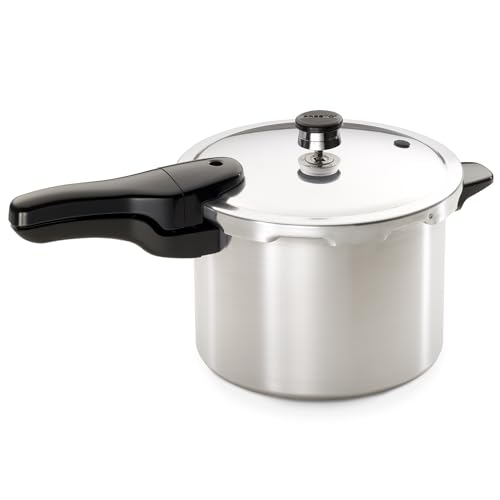
Presto 01264 6-Quart Aluminum Pressure…
Chicken, fish, meat, and vegetables cook to perfection fast. Helps tenderize economical cuts of meat. Strong heavy-gauge aluminum for quick, even heating. Works on regular and smooth-top ranges. Pressure regulator…

Instant Pot Duo Plus 9-in-1…
9 Cooking Functions: Pressure cook, slow cook, sauté, sous vide, steam, sterilize, keep warm, make rice and yogurt—all in one appliance Customizable Smart Programs: Tackle every recipe with 15 one-touch…
Instant Pot Duo 7-in-1, 6 Quart

I use the Instant Pot Duo 7-in-1 as my go-to for small to medium batches. It heats fast and holds steady pressure. The digital display and safety features make it simple to run repeated cycles. It fits standard 1L and 500 mL flasks with room to spare when I use a rack.
The stainless pot cleans well after a long session. I can set a timer and leave it to run while I prep more media. For orchid flasking, the unit gives the control I need. I trust its repeatability for sterile runs.
Pros:
- Reliable 15 PSI sterilization for orchid flasking
- User-friendly digital controls and presets
- Stainless steel inner pot that cleans easily
- Good capacity for multiple flasks or jars
- Built-in safety and auto-shutoff features
Cons:
- Not a dedicated lab autoclave—heat-up may vary by load size
- May need stacking racks to fit taller flasks
- Electric model depends on outlet; no gas option
My Recommendation
The Instant Pot Duo is best for hobbyists and small labs that need a consistent, easy-to-use device. I recommend it when you want reliable sterilization without a steep learning curve. For many growers, this is the best pressure cooker for orchid flasking because it balances cost, size, and control.
| Best for | Why |
|---|---|
| Hobbyists | Easy digital controls and safe operation |
| Small batch flasking | Fits multiple 500 mL flasks with a rack |
| Cost-conscious users | Good value for consistent sterilization |
Presto 6-Quart Aluminum Cooker

The Presto 6-Quart is a classic stovetop cooker. It reaches 15 PSI fast on a stove. Its light weight makes handling easy. I like it for quick runs and for those who prefer gas or induction heat.
Aluminum transfers heat quickly. The lid locks securely and the weight valve is simple to read. I find it ideal for sterile jars and smaller flasks. It is the best pressure cooker for orchid flasking when you want speed and low cost.
Pros:
- Quick heat-up on stove for fast cycles
- Lightweight and easy to handle
- Simple mechanical design with few parts to fail
- Good for smaller loads and quick turnarounds
- Affordable entry point for flasking
Cons:
- Aluminum can wear over long-term heavy use
- No digital timer; requires manual monitoring
- Smaller capacity than some electric models
My Recommendation
I recommend the Presto 6-Quart for users who like a fast, no-frills approach. If you run short batches and want the best pressure cooker for orchid flasking on a budget, this unit is a strong pick. It shines for fast cycles and easy cleanup.
| Best for | Why |
|---|---|
| Budget users | Low cost, fast cycles |
| Quick runs | Fast heat-up on a hot burner |
| Stovetop fans | Works with gas or electric ranges |
Instant Pot Duo Plus 9-in-1, 6 Quart

The Instant Pot Duo Plus adds features for those who like precise control. It has more presets and a higher degree of timing control than the Duo. I use the Plus when I run mixed loads. I can set delays or extra sterilize time when needed.
It holds steady pressure and is safe for long cycles. The extra functions help when I need to sterilize jars and then keep them warm. This unit is a top choice when you want flexible options for the best pressure cooker for orchid flasking.
Pros:
- Expanded presets and finer time control
- Consistent temperature and pressure hold
- Great for mixed loads of jars and flasks
- Good safety and easy cleaning
- Can delay start and keep warm after cycles
Cons:
- More settings can be confusing at first
- Larger footprint than basic models
- Still not a lab-grade autoclave
My Recommendation
Choose the Instant Pot Duo Plus when you want extra control. I pick this unit for varied flasking runs and for users who want presets that match their SOPs. It is a practical best pressure cooker for orchid flasking for users who value flexibility and repeatability.
| Best for | Why |
|---|---|
| Mixed loads | Fine-tune time for jars and flasks |
| Experienced hobbyists | More presets and control |
| Repeatable runs | Consistent pressure hold |
Presto 6-Quart Stainless Steel

The Presto stainless model offers a more durable shell than the aluminum version. It heats well and stands up to repeated use. I pick it when I need a unit that resists staining and lasts a long time. The weight valve gives a clear pressure signal.
Stainless steel is easy to clean after media runs. If you sterilize often, this model pays off. For many growers, it is the best pressure cooker for orchid flasking when longevity matters. I rely on this one for heavy use weeks.
Pros:
- Durable stainless construction
- Long-lasting under frequent use
- Clear pressure valve and solid lid lock
- Good for routine flasking sessions
- Resists staining from media spills
Cons:
- Heavier than aluminum models
- Requires a strong burner to heat fast
- No digital timing; manual watch needed
My Recommendation
I suggest the Presto stainless cooker for frequent flaskers. I use it when I run many cycles a month. For those who want the best pressure cooker for orchid flasking with long life, this unit is a solid choice. It is rugged and reliable.
| Best for | Why |
|---|---|
| Frequent users | Stainless resists wear and stains |
| Heavy duty runs | Built to last under pressure |
| Clean labs | Easy to scrub and sterilize between runs |
Instant Pot 4QT RIO Mini, 4 Quart

The Instant Pot 4QT RIO Mini is ideal for very small runs. It saves space and energy. I use it for single flask tests or for trial batches. It heats quickly and holds pressure long enough for short sterilization cycles.
Its size limits how many flasks you can load. I keep this unit for trials and for when lab bench space is tight. For small-scale work, it can be the best pressure cooker for orchid flasking if you only need to run one or two flasks at a time.
Pros:
- Compact and space-saving
- Quick to heat for short runs
- Good safety and easy clean-up
- Lower energy use on small cycles
- Great for single-flask tests
Cons:
- Limited capacity for batch work
- Not ideal for taller flasks without adapters
- Less flexibility for mixed loads
My Recommendation
Pick the Instant Pot 4QT RIO Mini if you do small tests or single-flask trials. I keep a mini for quick checks and to save time on short runs. It can be the best pressure cooker for orchid flasking for testers who value compact gear and fast cycles.
| Best for | Why |
|---|---|
| Single tests | Small, quick cycles |
| Tight benches | Compact footprint |
| Energy savers | Uses less power for small loads |
Why the Right Pressure Cooker Matters for Orchid Flasking
I will be frank. Sterile technique starts with the tool. A poor cooker gives false passes. That wastes media and time. I learned this the hard way. Early on I had guys in the lab lose batches due to low pressure and uneven heat. Since then I test each cooker on run cycles.
The best pressure cooker for orchid flasking reaches 15 PSI reliably. It holds it long enough for the media to be fully sterilized. It fits your flasks and trays easily. It has clear safety features. I prefer models with simple gauges and fail-safe lids. They cut human error.
What Sterilization Needs You Should Check
- Pressure rating: Must do 15 PSI to kill spores.
- Capacity: Fit the jars or flasks you use.
- Heat source: Electric vs. stovetop changes workflow.
- Repeatability: Runs should give the same result every time.
- Safety: Lid lock and pressure release must be solid.
When I evaluate a cooker, I run a water-only test first. Then I load a faux-media run. I measure how long it takes to reach and hold 15 PSI. I watch the gauge and listen for steady venting. If a unit bounces or drops pressure, I note it. I do this over several cycles to check consistency.
Testing Protocol I Use
- Cold start with ambient lab temp.
- Load with typical flasks and a wire rack.
- Heat to 15 PSI and time the ramp-up.
- Hold at target pressure for the set minutes.
- Record cool down and seal integrity.
I repeat each test for three runs. That tells me if the cooker is stable. If it fails even once, I do a mechanical check. I always clean the gasket and valves before the next test. That simple care avoids many false issues.
How to Use a Pressure Cooker Safely for Orchid Flasking
Safety matters as much as sterilization. I follow a few simple rules. First, never overfill the pot. Fluid rises and can block valves. Second, use a rack to keep jars off the base. Third, ensure the vent and valve are clean before each run. Fourth, let pressure drop naturally when possible. This reduces splash and breakage.
I also label runs with date and cycle info. That helps track success and spot bad batches. If you keep a small log, you will learn what load sizes the cooker handles best. I log the load, time to pressure, and any odd noise. Over months, patterns emerge.
Common Mistakes I See
- Overfilling the cooker or jars.
- Using an old or cracked gasket.
- Failing to run a water-only test before first use.
- Stacking flasks without proper racks or spacers.
- Relying on pressure numbers without timing checks.
I fix these by keeping a spare gasket and a few small racks. I also train every helper to follow my log steps. A simple two-minute check prevents a lost batch.
Size, Capacity, and What Fits
Pick a cooker that fits your workflow. If you run many 1L flasks, choose a 6-quart or larger model with a tall interior. For one-off tests, a 4-quart mini saves space. If you need both, I recommend having two sizes. I do. One electric 6-quart and one small stovetop unit. They cover my needs well.
When you load your cooker, use racks. Racks keep flasks from sitting directly on the base. They allow steam to circulate. I also tilt larger flasks slightly so vents do not trap liquid. Small changes like this improve sterilization results.
Accessories That Help
- Wire racks for stacking and spacing.
- Glass thermometer for spot checks.
- Spores test strips for validation.
- Spare gaskets and replacement valves.
- Timer or clinic log sheet for tracking runs.
I always keep spore test strips in my kit. They give objective proof that the cycle killed resistant spores. If a test fails, I re-run the load and check valves and gaskets. Spore tests are cheap insurance.
Maintenance and Longevity Tips
Maintain your cooker like any lab tool. I clean the inner pot after each use. I inspect gaskets and valves weekly if I use the cooker often. Replace any rubber gasket at the first sign of cracking. If a valve sticks, I clean it with a small brush and warm water. I avoid harsh solvents on seals.
For electric units, I wipe the exterior with a damp cloth. Never submerge a control base in water. For stovetop models, I dry the aluminum or stainless parts well after cleaning. Rust and corrosion kill a cooker over time. Proper care extends life and keeps runs consistent.
Parts to Replace Periodically
- Rubber gasket: Replace annually or when brittle.
- Safety valve: Replace if clogged or slow to move.
- Pressure gauge (if present): Calibrate or replace if off.
- Racks: Replace if warped or rusted.
- Sealing rings: Use a spare set for media runs.
Troubleshooting Tips I Use
If pressure won’t reach 15 PSI, I check three things. First, gasket placement and condition. Second, the heat source and power. Third, any valve blockages. Often, a misaligned gasket causes a slow leak. Re-seat it and try again. If the cooker still fails, I run an empty water test to isolate the issue.
If steam spews from the lid, I stop and let pressure drop. Then I re-check the vent and gasket. I avoid forcing the lid open. Patience keeps me safe. Often, a small clean and a gasket check fix the issue.
Choosing Between Electric and Stovetop
Electric units bring convenience. They offer timers and auto-shutoff. They free your stove and need less attention. Stovetop units heat fast and can be more robust under heavy loads. They work with high-BTU ranges. I use both depending on the session. If you want the best pressure cooker for orchid flasking for ease, choose electric. If you want speed and heat control, pick stovetop.
How Often Should You Sterilize Media?
I sterilize media every time I prepare fresh batches. That may be daily, weekly, or monthly depending on output. Fresh media is less likely to give contaminants a foothold. I never store sterile media more than a short time without refrigeration. If a stored batch is used later, I re-sterilize or test with a spore strip before inoculation.
Legal and Safety Notes
Follow your local regulations and lab safety rules. Never operate pressure tools in crowded or unsafe spaces. Keep children and pets away during runs. Use dedicated lab glassware for flasking. Do not use cookware for food after media work unless you deep-clean and re-purpose it properly.
FAQs Of best pressure cooker for orchid flasking
What pressure is best for orchid flasking?
Use 15 PSI. That is the common standard to kill spores and heat-resistant contaminants. I always verify with a spore test strip after a few runs.
Can I use a regular pressure cooker for orchid flasking?
Yes. Many home pressure cookers work well. Choose one that reaches 15 PSI and fits your flasks. Clean gaskets and valves before use and never mix food and media cookware without careful cleaning.
How long should I sterilize orchid media?
Common cycles run 15–30 minutes at 15 PSI depending on media volume. For dense or large loads, extend time. I typically do 20 minutes for 500 mL flasks and 30 for larger loads.
Do I need spore strips?
Yes. Spore strips give proof that sterilization worked. I use them weekly or after any suspect cycle. They are a cheap and clear validation tool.
Which is better: electric or stovetop?
Electric is easier and safer for repeat runs. Stovetop heats faster and may be better for heavy use. I use both depending on the task.
Final Verdict: Which Should You Buy?
For most growers, the Instant Pot Duo 7-in-1 is the best pressure cooker for orchid flasking. It offers steady 15 PSI, ease of use, and reliable cycles for small labs.
If you need speed or lower cost, the Presto stovetop models work well. Choose the unit that fits your flask size and your workflow for the best value and results.