
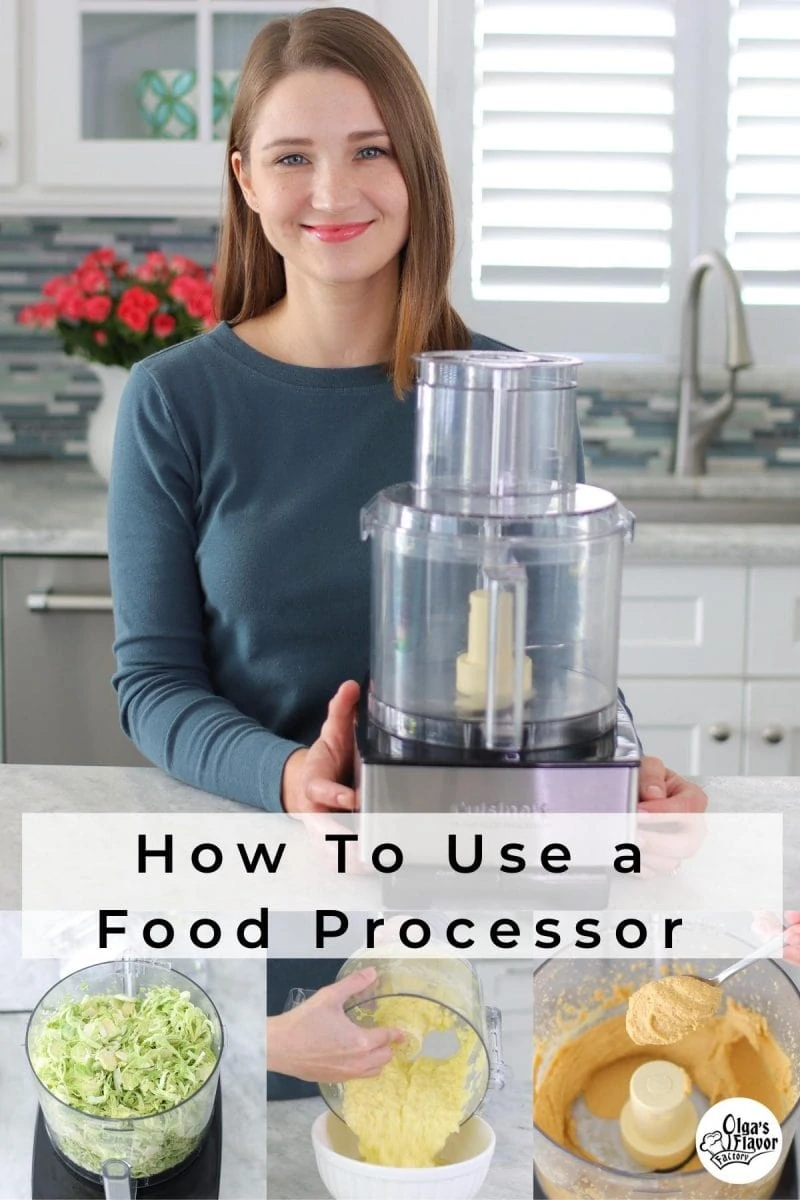
Use a food processor by assembling the bowl and blade, adding ingredients, then pulsing or processing.
I have used and tested many machines, so I know how to use a food processor well. This guide breaks down each step, safety tip, cleaning trick, and recipe idea to help you use a food processor confidently. Read on to learn practical, experience-based methods for how to use a food processor in any kitchen.
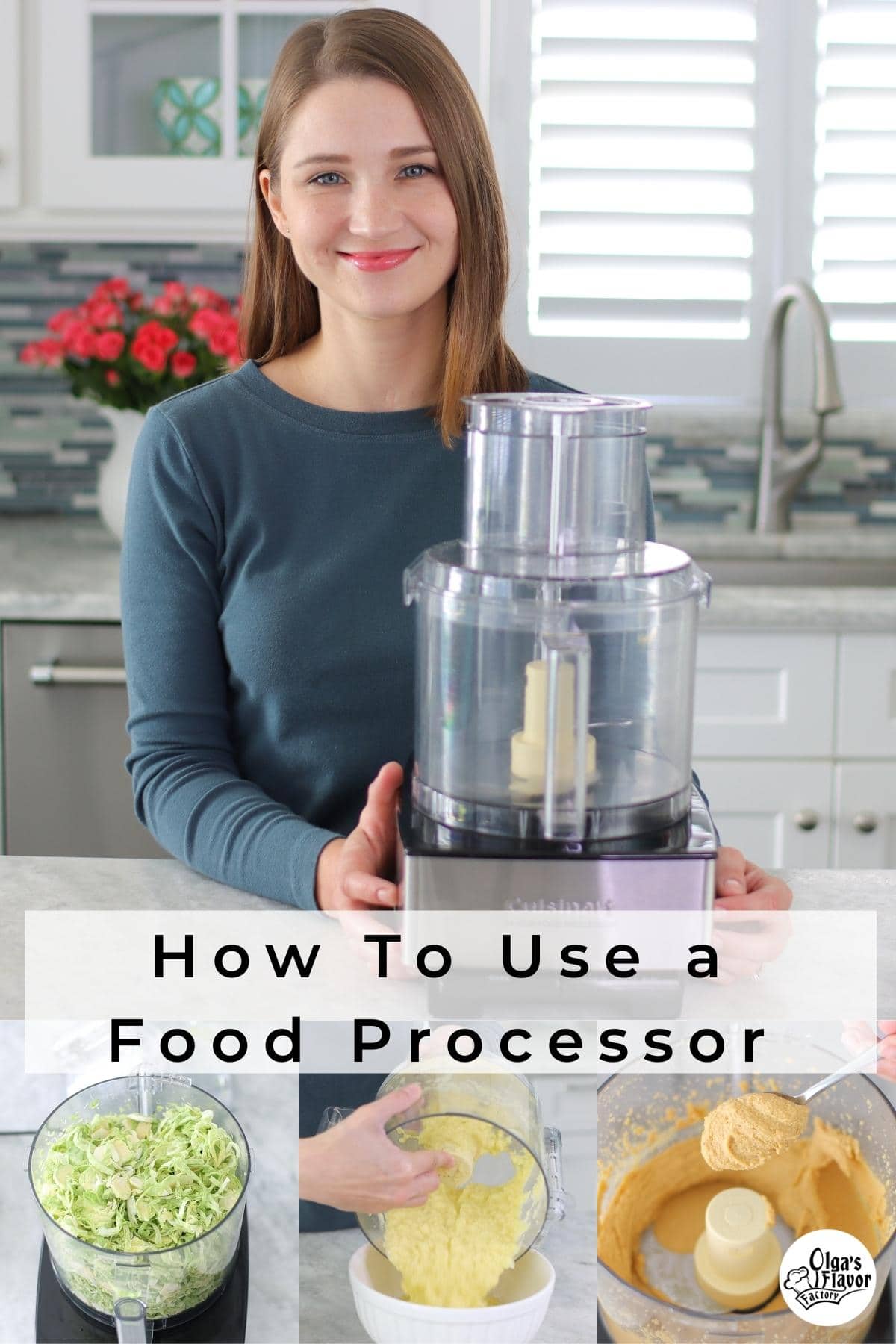
Why a food processor matters
A food processor saves time and makes tasks easy. It chops, blends, shreds, and kneads with little effort. Knowing how to use a food processor well turns a slow recipe into a fast one. It also keeps results consistent and helps home cooks prepare fresh meals every day.

Parts, safety, and setup
A basic machine has a motor base, bowl, lid, and several blades. Learn each part before you start. Always unplug the unit when fitting blades or touching the bowl. Read the manual to match parts and safety locks. Proper setup keeps you safe and protects the motor.

How to use a food processor: step-by-step
- Prepare ingredients
- Wash and dry produce. Cut large items into 1- to 2-inch pieces. Remove pits, large seeds, and hard stems.
- Assemble the machine
- Lock the bowl onto the base. Choose the right blade for the job. Secure the lid until it clicks.
- Add ingredients
- Add solid items first, then any liquids. Do not overfill the bowl. Use the feed tube for tall items.
- Pulse and process
- Start with short pulses to control texture. Pulse 1–2 seconds at a time for coarse chop. Use continuous processing for smoother results.
- Check texture and finish
- Stop and scrape the bowl if needed. Repeat pulsing or processing until you reach the texture you want. Empty the bowl and clean parts after use.
Practical note: when learning how to use a food processor, start on low speed. Short pulses give control. If you need a smoother finish, add small amounts of liquid and process in bursts.
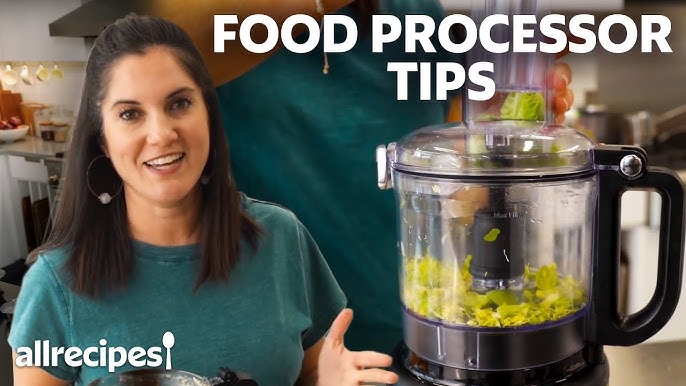
Blades, discs, and which ones to use
- S-shaped blade
- Best for chopping, pureeing, and mixing. Use it for hummus, pesto, and ground meat.
- Reversible slicing disc
- Slices produce and cheese. Use it for slaws, potatoes, and cucumbers.
- Grating disc
- Grates hard cheese and vegetables quickly.
- Dough blade
- Gently kneads dough for bread and pizza.
When you learn how to use a food processor, pick the right blade. The right blade saves time and gives the best texture.
- Gently kneads dough for bread and pizza.
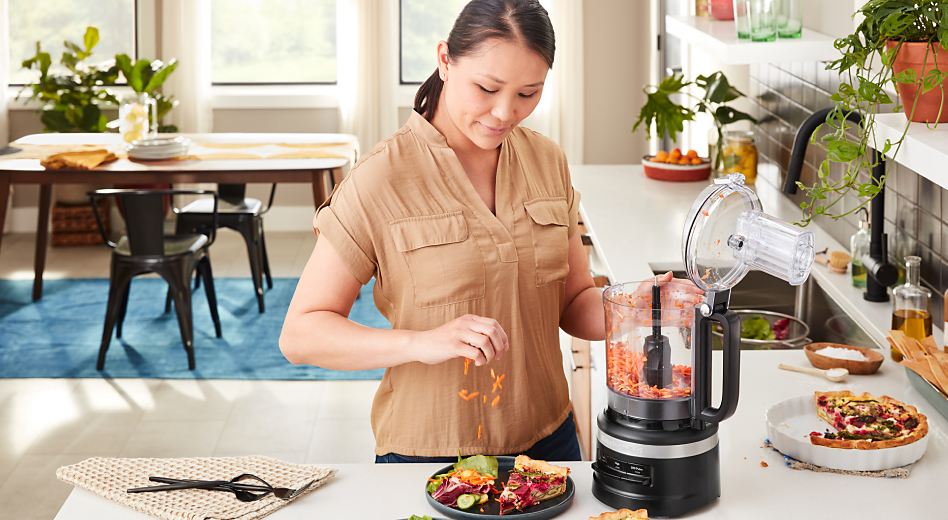
Tips and tricks from experience
- Pulse to control texture
- Short pulses prevent over-processing. I learned this after ruining a chunky salsa.
- Use cold ingredients for cleaner blends
- Cold butter chops better for pastry. I store butter in small cubes for pie dough.
- Layering helps
- Put firmer items near the blade and softer ones on top. This reduces clogging.
- Don’t overload
- Work in batches. Smaller batches chop more evenly.
- Protect delicate foods
- For airy mixtures, use brief pulses to keep air in the mix.
These tips come from testing many recipes. They make learning how to use a food processor faster and less wasteful.
- For airy mixtures, use brief pulses to keep air in the mix.
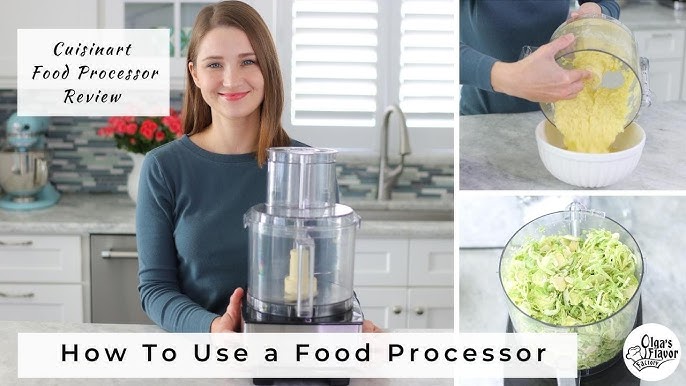
Cleaning and maintenance
- Unplug and disassemble
- Always unplug before cleaning. Remove blades carefully by the hub.
- Wash parts safely
- Most bowls and discs are dishwasher-safe. Hand-wash sharp blades in warm soapy water.
- Dry and store
- Dry parts fully before storing. Keep blades in a safe place to avoid dulling.
- Motor care
- Wipe the motor base with a damp cloth. Never submerge the base in water.
Regular care lengthens life and keeps the unit safe. Follow manufacturer guidance for long-term use.
:max_bytes(150000):strip_icc()/badge-sea-food-processors-aug-24-test-cuisinart-14-cup-nsimpson-427-dd4bda4ff0b54538ad3e4a0b815f85bd.jpg)
Common mistakes and how to avoid them
- Overprocessing
- Stop and check texture often. Pulsing prevents turning a chop into mush.
- Using the wrong blade
- Match task to blade. Use discs for slicing and the S-blade for purees.
- Filling too much
- Overfilling causes uneven results. Process in batches for best texture.
- Ignoring safety locks
- Never force the lid. The machine won’t run unless locked properly.
These errors are easy to make. Once you know how to use a food processor correctly, they become rare.
- Never force the lid. The machine won’t run unless locked properly.
Quick recipes and uses to practice
- Classic pesto
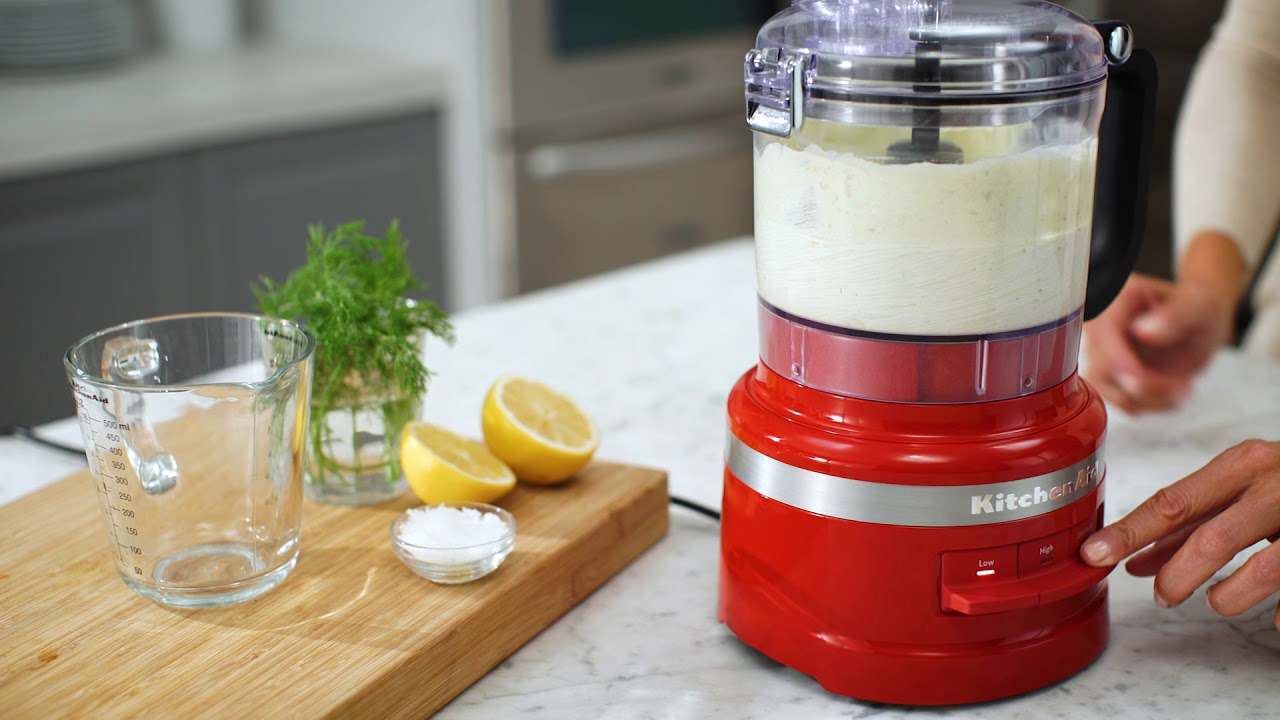
- Add basil, garlic, pine nuts, salt, and oil. Pulse until coarse, then blend to smooth.
- Veggie slaw
- Use the slicing disc for cabbage and carrots. Toss with dressing.
- Hummus
- Blend chickpeas, tahini, lemon, garlic, and olive oil until smooth.
- Pie dough
- Use the S-blade to cut cold butter into flour quickly. Add water and pulse to form dough.
These easy recipes help you practice how to use a food processor and gain confidence.
- Use the S-blade to cut cold butter into flour quickly. Add water and pulse to form dough.
Troubleshooting
- Machine won’t start
- Check power, lid lock, and correct bowl placement. Try a different outlet.
- Motor stalls
- Too much load or thick mix. Remove some contents and try again.
- Uneven chopping
- Bowl too full or blades dull. Clean and re-chop in smaller batches.
Keep notes on your machine. I write short reminders on a recipe card so I avoid repeat mistakes when using a food processor.
- Bowl too full or blades dull. Clean and re-chop in smaller batches.
Frequently Asked Questions of how to use a food processor
What is the best way to chop onions in a food processor?
Use the S-shaped blade and pulse in short bursts. Cut the onion into large pieces and process until chunky or smooth as desired.
Can a food processor make dough?
Yes. Use the dough blade or S-blade and pulse until the dough forms. Do not run continuously; stop when the dough pulls from the bowl.
How do I prevent overprocessing?
Use short pulses and check texture often. Process in small batches when you need control.
Is it okay to put hot food in a food processor?
Avoid very hot liquids as they can warp plastic parts and cause steam pressure. Let food cool slightly before processing.
How do I clean sharp blades safely?
Hand-wash blades with warm soapy water and use a brush for stuck bits. Dry carefully and store blades out of reach.
Conclusion
You can quickly master how to use a food processor with a few simple steps and practice. Start small, pulse more, and choose the right blade. Clean and maintain the unit to keep it working well. Try one recipe today and build your skills. If this guide helped, try a new task with your processor, leave a comment, or subscribe for more tips.