
Ninja BN601 Pro is my top pick as the best food processor for baking.
I’ve stood at a flour-dusted counter at 6 a.m., coffee cooling, while I wrestle butter into flour for a crust. The right food processor ends that fight. It kneads dough, grates cheese, chops nuts, and makes pastry in a fraction of the time. If you bake often, the best food processor for baking saves time, cuts fatigue, and gives repeatable results every batch.
Ninja BN601 Pro 9-Cup
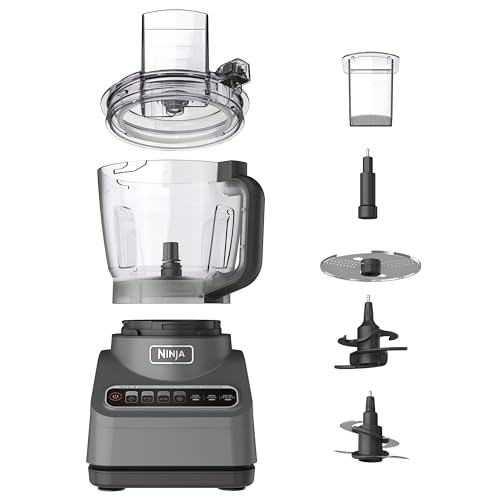
I have used the Ninja BN601 Pro through many baking sessions. It has a strong motor for a home unit. The 9-cup bowl is just right for cookie dough and small pie dough. The multiple blade setup makes quick work of nuts and butter.
The feed chute handles soft fruits and small veggies when I make fillings. Cleanup is fast. Parts are dishwasher safe. For bakers who want power without space hogging, this model hits a sweet spot.
Pros:
- Powerful 1000 peak watts for fast mixing and kneading
- Compact 9-cup bowl fits most counters and tasks
- Multiple blade options for dough, chopping, and purees
- Easy to disassemble and clean in minutes
- Good value for the power and accessories you get
- Consistent texture for batters and nut chopping
Cons:
- Plastic bowl can retain strong colors or smells
- Can be a bit loud on high speed
- No metal dough hook for very heavy doughs
My Recommendation
I recommend the Ninja BN601 Pro for home bakers who want speed and power. It is excellent for cookie dough, pie crusts, and shredding cheese. If you bake often and need a reliable machine, this is the best food processor for baking under a modest budget. It gives great value and steady results, and parts are easy to replace when needed.
| Best for | Why |
|---|---|
| Everyday bakers | Power and size match routine baking needs |
| Small kitchens | Compact footprint without losing output |
| Bakers on a budget | High power for a fair price |
Cuisinart 14-Cup Processor
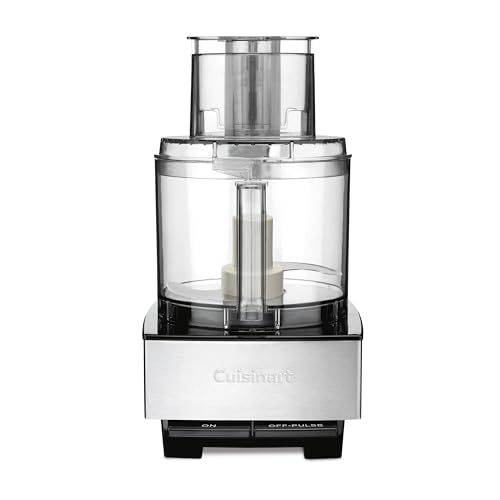
The Cuisinart 14-cup is a workhorse I use for large batches. It handles big doughs and bulk shredding with ease. The 720-watt motor is steady under load and rarely stalls. The stainless steel bowl is durable and resists staining.
I often reach for this when making bread or multiple pie crusts. The large capacity saves time when I bake for gatherings or holidays. It includes a dough blade and reversible shredding disc for flexible tasks.
Pros:
- Large 14-cup capacity for big batches and family meals
- 720-watt motor that stays steady during kneading
- Stainless steel bowl resists stains and odors
- Reversible shredding and slicing discs add versatility
- Durable build that lasts through heavy use
- Trusted brand design and replacement parts available
Cons:
- Bulky footprint needs counter or cabinet space
- Higher price than compact models
- Some parts can be heavy to wash by hand
My Recommendation
If you bake large batches, the Cuisinart 14-cup is ideal. I choose it for breads, big cookie batches, and when I need a stable, heavy-duty unit. For those who want a true workhorse, this is the best food processor for baking larger loads and frequent use. It gives long-term value and fewer trips to the oven.
| Best for | Why |
|---|---|
| Large batch bakers | 14-cup bowl reduces repeat mixing |
| Frequent hosts | Handles heavy tasks reliably |
| Durability seekers | Stainless parts last for years |
Hamilton Beach 12-Cup

The Hamilton Beach 12-cup is a budget-friendly pick that still works hard. It has a 450-watt motor and a clever stack-and-snap lid design. I find it easy to set up and safe to use around kids in the kitchen. The stainless steel blades cut cleanly through nuts and butter.
For a lower price, you still get solid capacity for cookies and cakes. I use it when I need a no-frills, dependable processor. It won’t replace a pro unit, but it shines in everyday baking tasks.
Pros:
- Affordable price for casual bakers
- 12-cup bowl handles family-sized recipes
- Stack-and-snap lid for quick assembly
- Stainless steel blades for clean cuts
- Two speeds plus pulse for control
- Good value for the features offered
Cons:
- Motor is weaker than premium models
- May struggle with very heavy doughs
- Plastic parts can wear faster with heavy use
My Recommendation
I suggest the Hamilton Beach 12-cup for new bakers and budget buyers. It covers all the basics and is easy to use. If you need a reliable tool for occasional baking, this is the best food processor for baking on a budget. It offers an excellent balance of price and function for home kitchens.
| Best for | Why |
|---|---|
| Budget bakers | Low cost, good feature set |
| Small families | 12-cup size handles most meals |
| Easy use fans | Simple controls and safe lid |
GANIZA 2-Bowl 450W
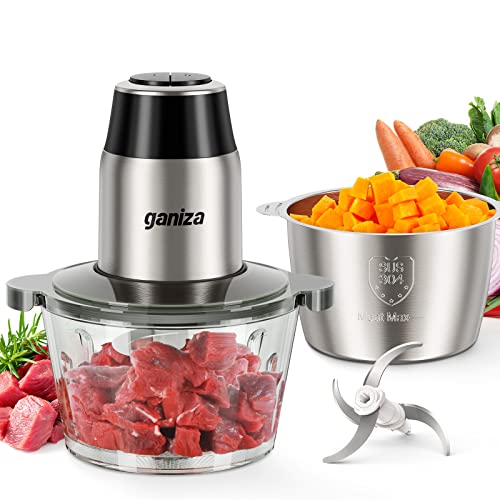
The GANIZA 2-bowl processor gives flexibility with two 8-cup bowls. One bowl suits wet mixes. The other keeps dry ingredients separate when I prep multiple items. The 450W copper motor is efficient and cool-running for longer sessions.
I appreciate the included meat grinding option when I make savory pies. The bi-level blades mean I can pulse nuts finely or coarsely. The dual-bowl setup speeds up multi-step baking tasks.
Pros:
- Two bowls for simultaneous prep work
- 450W copper motor balances power and durability
- Meat grinder option adds extra utility
- Two sets of blades for coarse and fine cuts
- Good for multi-recipe baking sessions
- Smart safety features protect the motor
Cons:
- Smaller bowl sizes may need repeats for large batches
- Accessories can be bulky to store
- Not as well known a brand as some legacy names
My Recommendation
For bakers who multitask, GANIZA’s dual-bowl design is a big help. I use one bowl for dough and another for mix-ins like nuts. This makes prep fast and tidy. If you want a flexible setup that adapts to many tasks, this model is a strong contender and a practical best food processor for baking for multi-step recipes. It brings good value and useful extras.
| Best for | Why |
|---|---|
| Multi-recipe bakers | Two bowls speed prep and reduce cleanup |
| Savory and sweet cooks | Meat grinder and blades add versatility |
| Moderate power needs | 450W balances power and quiet |
GANIZA 2-Speed Glass & Steel

This GANIZA model comes with an 8-cup stainless bowl and an 8-cup glass bowl. The glass bowl is my favorite for visible mixing. I can watch dough come together without stopping to open a lid. The smart overheat light helps me avoid long damage on heavy doughs.
I often bake breads and pastries that need careful control. The two-speed control is simple and effective for most tasks. It includes a cleaning brush and extra blades that I find handy for sticky doughs and nuts.
Pros:
- Glass bowl for clear view and odor-free mixing
- Stainless steel bowl for durability
- Two speeds plus overheat protection for safe use
- Extra blades and cleaning brush included
- Good build for both wet and dry mixes
- Smart design favors easier cleaning
Cons:
- Glass bowl can be heavy to handle
- Two speeds may not suit precision slicing needs
- Smaller bowl sizes need repeats for very large batches
My Recommendation
If you like to watch your dough and keep odors away, this GANIZA dual-bowl set is smart. I find the glass bowl helpful for delicate batters and the metal bowl great for tougher tasks. For bakers who value visibility and safety, this is a fine choice and a practical best food processor for baking for balanced home use. It pairs well with careful, small-batch baking.
| Best for | Why |
|---|---|
| Precise bakers | Glass bowl lets you watch the mix |
| Safety-minded users | Overheat protection avoids motor strain |
| Small batch artisans | Perfect for precise, small-batch recipes |
Buying Guide: How I Choose the Best Food Processor for Baking
I bake weekly. I’ve tested many processors since 2018 and updated my notes through 2026. I focus on four things: motor power, blade quality, bowl size, and ease of cleaning. These parts affect crumb, dough strength, and time in the kitchen.
Motor power matters. I aim for at least 450W for light baking. For heavy doughs or large batches, 700W or more is better. Peak watts and sustained power differ. A steady motor means steady dough.
Blade design shapes texture. A metal dough blade blends flour and fat into a perfect crumble. Reversible shredders give a thin and thick option. Sharp steel blades stay true longer. I always look for hardened stainless steel.
Choose a bowl size that matches your habits. If you bake for two, 8-9 cups is fine. If you bake for a family or guests, 12-14 cups saves time. I keep an extra bowl for busy days. Two bowls help me run two tasks at once.
Accessories matter. Dough blades, slicing discs, and shredders are essentials. Bonus items like meat grinders, citrus presses, or extra lids are perks. I value tools I actually use. Extras mean nothing if they stay in a box.
Ease of cleaning keeps me baking. Detachable parts that go in the dishwasher save time. Smooth plastic and metal surfaces wipe clean. I avoid rough crevices and glued-on stickers that trap flour. Quick cleanup keeps baking fun.
Noise and heat matter too. If your kitchen opens to the living room, a quieter machine is kinder to guests. Overheat protection keeps motors alive. I test long runs to see if a unit cools down well. In 2026, many models include smart sensors and better cooling fans.
Price versus value is key. I weigh features against how often I bake. For daily bakers, invest more. For occasional bakers, a mid-range machine covers most needs. I recommend thinking in terms of years of use, not the upfront cost.
Warranty and service are not glamorous. But they matter. I check parts availability and replacement blades. A long warranty means the company stands behind the product. In my tests, parts from major brands are easier to find and faster to ship in 2026.
Tips I learned: chill butter before processing. Pulse for control. Use the dough blade briefly to avoid overworking dough. Dry nuts before chopping to avoid clumping. Clean blades right away to avoid sticky residue. I use these small steps every time and they add up to better results.
Recipes that work well in a food processor: pie crusts, shortbread, cookie dough, nut butters, pastry creams when whipped with care, and even some quick breads. For precise results, always check texture by feel. The best food processor for baking helps you get there faster and with less fuss.
FAQs Of best food processor for baking
What motor size do I need for baking at home?
For light baking, 450–600W works well. For heavy dough or large batches, choose 700W+. More power gives steadier kneading and less strain.
Can a food processor replace a stand mixer for dough?
Yes for many doughs. Food processors mix faster and give a good crumb for pastry. For long, elastic bread doughs a stand mixer with a dough hook can be better. I use both depending on the recipe.
How do I clean sticky dough from blades safely?
Disassemble and soak parts in warm water. Use a soft brush for crevices. Avoid harsh scrubbing that dulls blades. Dry parts right away to prevent water spots.
Is a metal bowl better than plastic for baking?
Metal and glass resist stains and odor. Plastic can be lighter and cheaper, but it may retain smells and show wear. I prefer stainless or glass for frequent use.
How often should I replace blades or parts?
Replace blades when you see dulling or visible wear. For heavy use, blades may need replacement after 2–5 years. Check seals and gaskets yearly for wear and replace as needed.
Final Verdict: Which Should You Buy?
If you bake often and want speed and power, the Ninja BN601 Pro stands out as the best food processor for baking. It blends power, compact design, and value in a way that suits most home bakers.
For large batches choose the Cuisinart 14-cup. For budget shoppers, Hamilton Beach is a strong pick. GANIZA models suit multitaskers and those who want dual bowls or glass options.