
Use the bowl, lock the lid, choose a blade or disc, pulse then process.
I’ve used kitchen tools for years, and I know how to use Hamilton Beach food processor to save time and make cooking easier. This guide walks you through each step, from setup and safety to recipes and maintenance, so you can confidently use your Hamilton Beach food processor for everyday meals and special projects. Read on for clear, tested advice that turns the learning curve into quick wins.
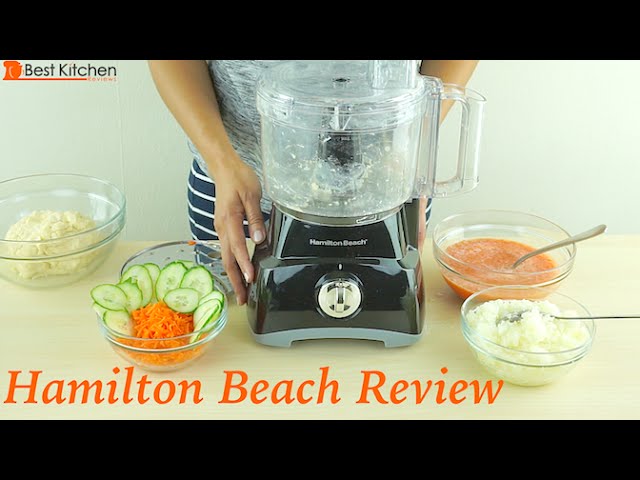
Why choose a Hamilton Beach food processor
Hamilton Beach models offer solid performance at a friendly price. They handle chopping, slicing, shredding, pureeing, and light kneading with reliable motors and easy controls. For many home cooks, a Hamilton Beach food processor is the best blend of value and versatility.
I’ve used several models over the years. The simple controls and dishwasher-safe parts make it an appliance I reach for nearly every day. If you want to learn how to use Hamilton Beach food processor well, this section will confirm why it’s worth the effort.
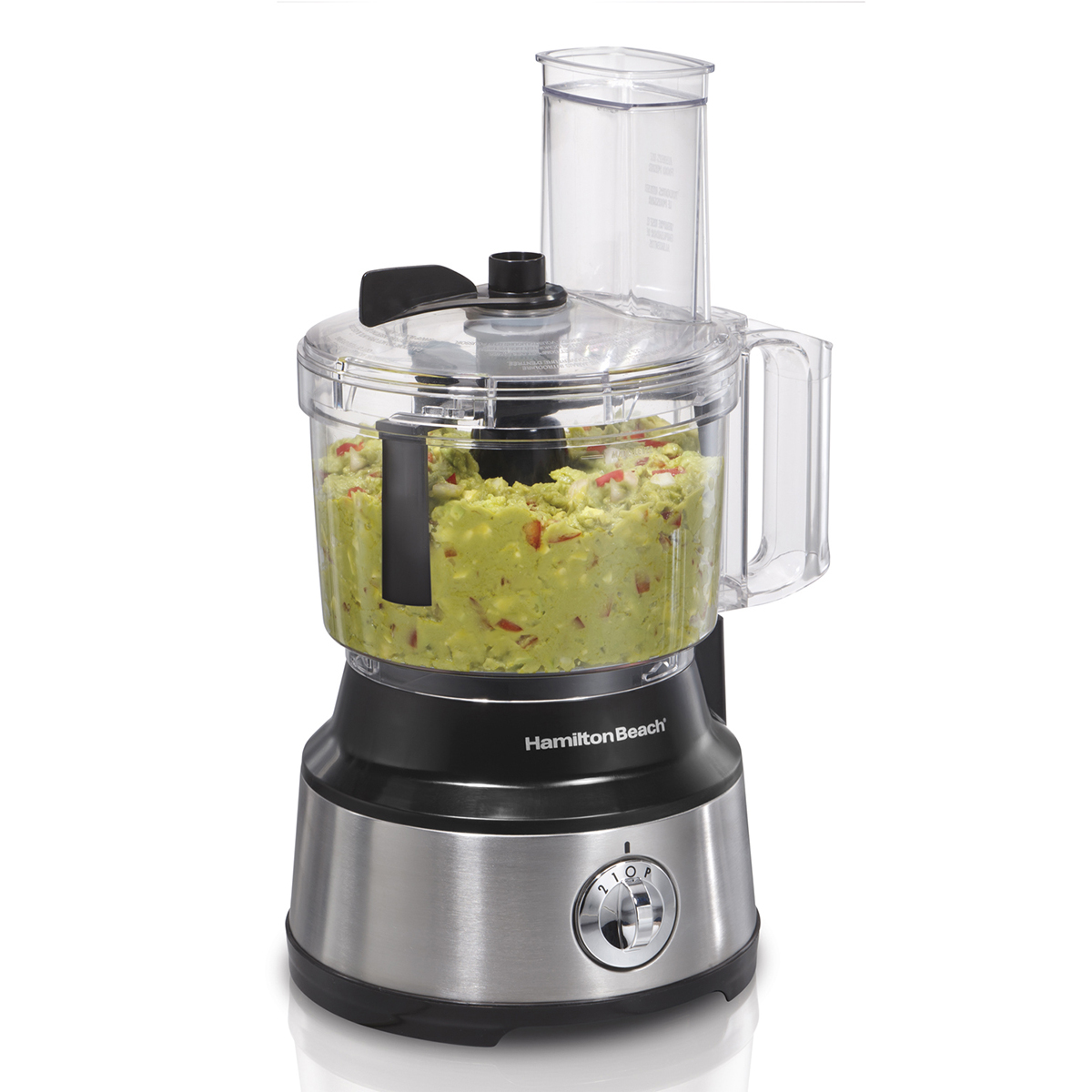
Parts, setup, and safety checks
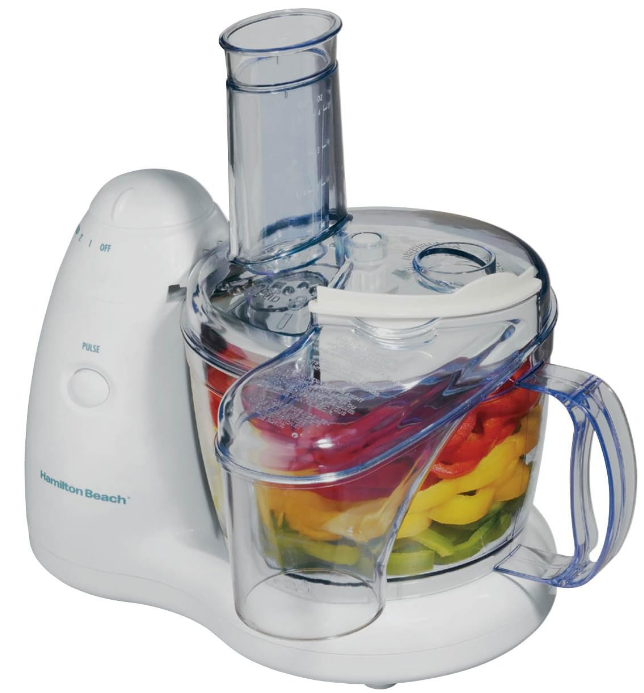
Know the parts before you start. Common pieces include the motor base, bowl, lid with feed tube, pushers, chopping blade, slicing/shredding discs, and dough blade. Learn how each fits together.
Follow these setup steps before using your Hamilton Beach food processor:
- Place the motor base on a flat, dry surface.
- Lock the bowl onto the base until it clicks.
- Insert the chosen blade or disc carefully, with the blade edges facing up.
- Align and lock the lid; feed tube should sit over the blade assembly.
- Plug in and make sure hands and surfaces are dry.
Safety checks to always do:
- Confirm the unit is unplugged when assembling or changing blades.
- Never insert utensils into the bowl while the processor is running.
- Use the pusher for the feed tube; never use your fingers.
These habits keep you safe and make learning how to use Hamilton Beach food processor fast and stress-free.
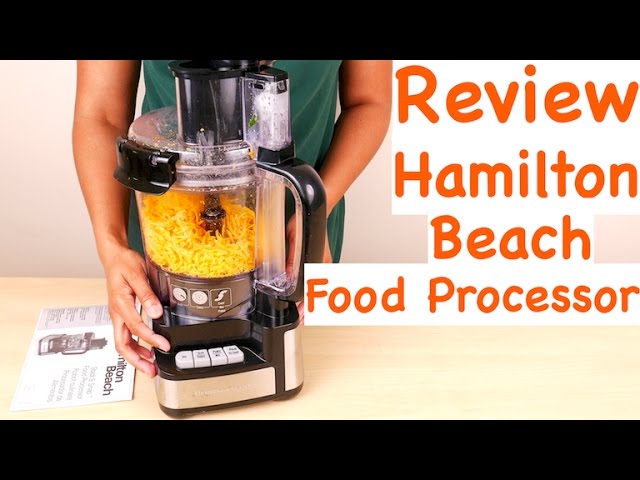
Step-by-step: how to use Hamilton Beach food processor
This section shows the exact steps I follow each time I use my Hamilton Beach food processor. Keep things simple and steady.
Step 1 — Prepare ingredients
- Wash and dry produce.
- Cut large items into chunks that fit the feed tube.
- Measure liquids if a recipe calls for them.
Step 2 — Assemble the unit
- Place bowl on base and secure it.
- Choose blade or disc, and set it on the hub.
- Lock the lid and put the pusher in place.
Step 3 — Start with pulses
- Use short pulses to break ingredients down.
- Pulse 1–2 seconds, check texture, repeat.
- Pulsing avoids over-processing.
Step 4 — Process continuously when needed
- For smooth purees, run for longer but check every 10–20 seconds.
- Stop and scrape the sides if ingredients stick to the bowl.
Step 5 — Finish and unload
- Unplug the unit before removing the lid.
- Lift the blade by its center hub, not the sharp edge.
- Transfer food with a spatula and avoid touching blades.
Following these steps will teach you how to use Hamilton Beach food processor safely and effectively.
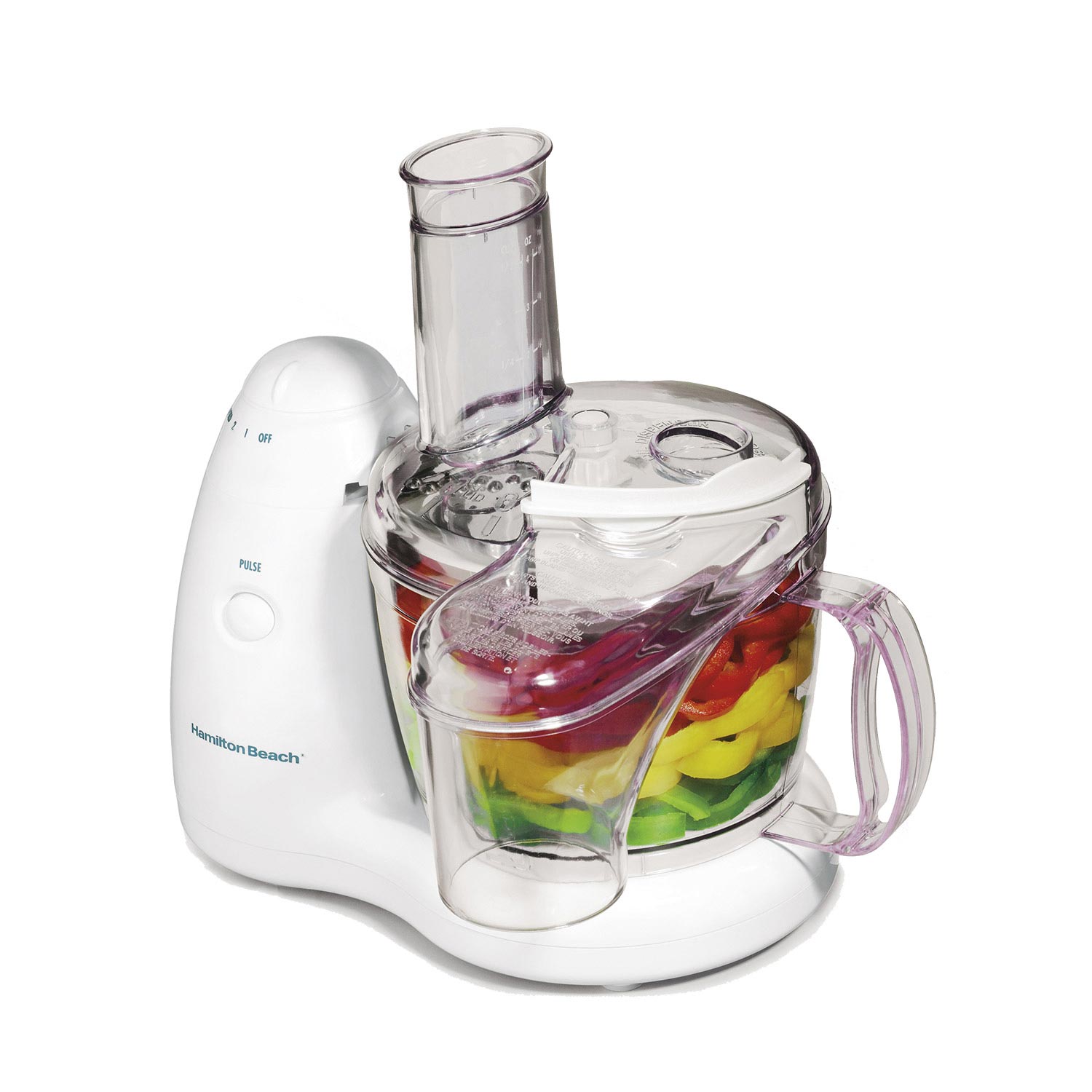
Common tasks and best settings
Here are practical tips for common tasks. These notes reflect real tests and what worked best for me.
Chopping vegetables
- Use the chopping blade.
- Pulse until desired size, usually 4–8 pulses.
- For even pieces, avoid overfilling the bowl.
Slicing and shredding
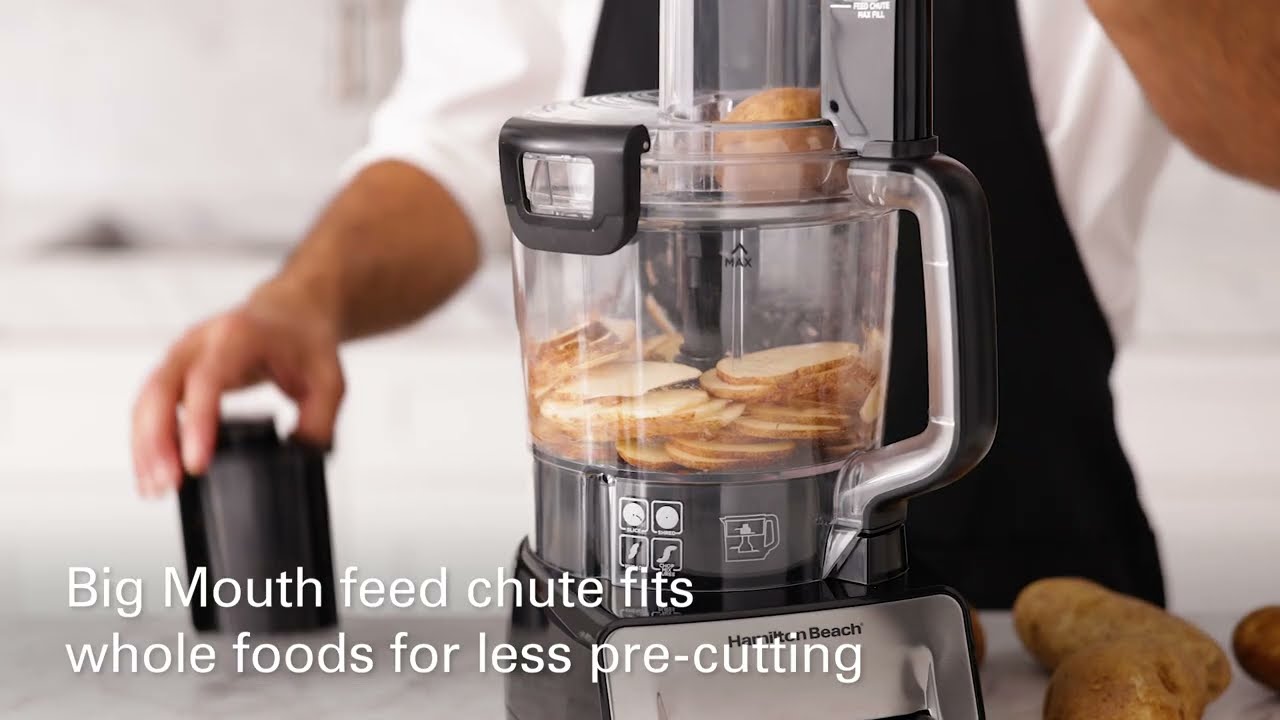
- Use the slicing or shredding disc.
- Feed items through the feed tube with the pusher.
- For uniform slices, hold steady pressure and keep slices thin.
Pureeing soups and sauces
- Use the chopping blade or metal blade for a smoother finish.
- Add warm liquids slowly and process in short bursts.
- Strain if you want a silkier texture.
Making dough
- Use the dough blade if included.
- Combine solids and liquids as recipe directs.
- Use short kneading cycles; do not run continuously for more than recommended.
Grinding nuts or cheese
- Use short pulses for nuts to avoid turning them oily.
- For cheese, freeze briefly for clean shreds.
These practical settings show how to use Hamilton Beach food processor for many kitchen needs.
Cleaning and maintenance
Keep the machine clean to maintain performance and safety. My routine saves time and extends appliance life.
Daily cleaning steps:
- Unplug and disassemble after use.
- Rinse blades immediately to prevent sticking.
- Wash bowl, lid, and blades in warm soapy water or the top rack of the dishwasher if permitted.
Deep maintenance tips:
- Check seals and the drive hub for food buildup.
- Wipe the motor base with a damp cloth; never submerge it.
- Replace worn blades or discs. Dull blades make processing less efficient.
Store parts nested to save space. Regular cleaning helps you continue to use Hamilton Beach food processor without surprises.

Troubleshooting common problems
A few common issues are easy to fix. Here’s what I learned from troubleshooting my own unit.
Problem: Processor won’t start
- Ensure it’s plugged in and the bowl and lid are locked.
- Some models have safety interlocks that prevent operation if parts are not aligned.
Problem: Ingredients are unevenly processed
- Don’t overfill the bowl; process in batches.
- Use pulses to get more control.
Problem: Motor stalls or smells hot
- Turn off and unplug immediately.
- Let it cool for 15–30 minutes. If it continues, service may be needed.
Problem: Leaks from the bowl
- Check that the bowl and lid are seated correctly.
- Inspect seals; replace if cracked or worn.
These fixes will keep you confident while you learn how to use Hamilton Beach food processor smoothly.
Recipes and real-life tips
Simple recipes help you practice. I rely on these to test my skills and save time.
- Quarter two tomatoes and add half an onion.
- Add a small jalapeño, cilantro, lime juice, and salt.
- Pulse 6–8 times until chunky.
Hummus
- Add drained chickpeas, a clove of garlic, lemon juice, tahini, and olive oil.
- Process until smooth, adding water in small amounts for texture.
Vegetable prep for weeknight dinners
- Chop onions, carrots, and celery in one batch.
- Store in airtight containers for quick stir-fries and soups.
Personal tips I use
- Chill soft cheeses before shredding for better results.
- Start with less liquid; add more as needed.
- Always pulse first to break large pieces down.
These recipes show practical ways to use Hamilton Beach food processor every week.
Frequently Asked Questions of how to use hamilton beach food processor
How do I assemble my Hamilton Beach food processor?
Place the motor base on a flat surface. Lock the bowl onto the base, insert the correct blade or disc, and secure the lid until it clicks.
Can I use the food processor to knead dough?
Yes, use the dough blade if your model includes one. Use short kneading cycles and avoid running the motor continuously.
Is it safe to put blades in the dishwasher?
Many Hamilton Beach blades and bowls are dishwasher-safe on the top rack, but check your manual. Hand washing blades preserves sharpness longer.
How do I avoid over-processing soft foods?
Use short pulses and check texture often. Stop and scrape the bowl if ingredients stick to the sides.
Why does my processor stop mid-use?
It may have overheated or a safety interlock isn’t engaged. Unplug it, let it cool, and check that parts are properly assembled.
How often should I replace blades or discs?
Replace blades when they dull or become damaged. Frequent heavy use may require replacement every 1–3 years depending on care and frequency.
Conclusion
You now have a clear, practical roadmap for how to use Hamilton Beach food processor, from setup and safety to recipes and troubleshooting. Start with simple tasks like chopping and salsa, then progress to dough and purees as you gain confidence. My advice: practice in short sessions, clean parts right away, and respect the blades—small habits make a big difference. Try one recipe this week, share what you make, and subscribe or comment to keep learning more.