LifeStraw Personal Water Purifier is the best water filter for hiking—lightweight, reliable, and budget-friendly.
You’re on a dusty singletrack with a dwindling water bladder, or you’ve wandered off the trail and found a clear stream—but is that water safe? I’ve been there. A good filter turns risky water into safe sips, saves pack weight, and keeps you moving. In this guide I test real gear and share clear picks so you can pick the best water filter for hiking and stay hydrated without guesswork.
LifeStraw Personal Water Purifier
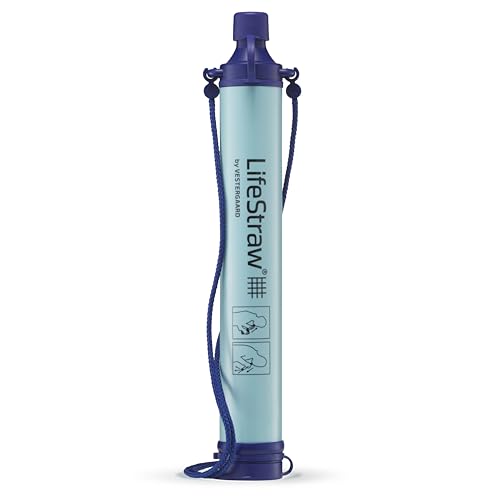
I’ve carried the LifeStraw on dozens of hikes. It delivers fast, direct filtration and is shockingly light. The straw style means you can drink right from streams, bottles, or hydration bladders with ease. It removes bacteria and protozoa to a reliable 0.2 microns using hollow fiber membrane technology.
Setup is zero fuss: dip, sip, and go. Because it’s one of the simplest designs around, it’s also rugged—no moving parts to break in the field. If your top priority is weight, cost, and fail-safe simplicity, this LifeStraw model is often the best water filter for hiking in short trips or emergency kits.
Pros:
- Ultra-light and pocketable—ideal for minimalists and day hikers
- No batteries, no pumps—very low failure points
- Certified to remove bacteria and protozoa—safe for most freshwater
- Low cost per unit—easy to replace when needed
- Great for emergency use and international travel
Cons:
- Doesn’t remove viruses—limited for some overseas water sources
- Flow rate slows as it clogs; requires backflushing and care
- Single-user design; not ideal for filtering liters at once
My Recommendation
This LifeStraw truly shines for solo hikers and ultralight fans. I recommend it when you need the best water filter for hiking that’s fail-safe and fuss-free. It’s perfect for day trips, trail emergencies, or a quick top-up from a clear creek.
| Best for | Why |
|---|---|
| Day hikers | Low weight and instant use make it ideal for short outings |
| Emergency kits | Simple, durable, reliable in a crisis |
| Budget buyers | Great protection without a high price tag |
Sawyer Squeeze + Cnoc 2L Bladder

The Sawyer Squeeze paired with a Cnoc 2L bladder is a flexible combo I use on multi-day trips. The Sawyer filter’s 0.1-micron hollow fiber cleans bacteria and protozoa and provides a steady flow when you squeeze the bladder. You can drink directly, squeeze into bottles, or gravity-feed into a pot for cooking.
This setup balances speed and weight. The Cnoc bladder is soft and packable, and Sawyer’s modular system is easy to backflush to restore flow. If you want a fast, adaptable system that filters larger volumes, this is one of the best water filter for hiking options for groups and solo through-hikers alike.
Pros:
- Fast flow when used with a squeeze bladder or gravity setup
- Very long filter life—tens of thousands of gallons with care
- Modular—works with hydration packs, bottles, and bladders
- Easy to clean with included syringe/backflush tool
- Versatile for solo or small-group use
Cons:
- Requires manual squeezing or gravity rig for best flow
- Bladder material can be punctured without care
- More components mean slightly more packing complexity
My Recommendation
I recommend the Sawyer Squeeze + Cnoc bladder for hikers who want a fast, durable system to filter liters on the move. I picked it when I needed the best water filter for hiking that handles larger volumes and restores flow quickly. It’s a go-to when I’m on multi-day treks or guiding small groups.
| Best for | Why |
|---|---|
| Multi-day treks | High flow and volume make resupply fast |
| Group trips | Simplifies sharing filtered water among hikers |
| Thru-hiking | Rugged and serviceable for long-term use |
Katadyn BeFree 1.0L Fast Flow

Katadyn’s BeFree is made for runners and fastpackers who don’t want to stop. Its soft flask and 0.1-micron membrane let you drink quickly with minimal effort. The filter snaps right onto the soft bottle, and the flow stays high unless you’ve got very turbid water.
I use the BeFree when I need speed and compactness. The EZ-Clean membrane is easy to flush and gets you back to full flow in seconds. For anyone seeking the best water filter for hiking that doesn’t slow movement, this system blends speed, low weight, and convenience.
Pros:
- Very fast flow—great for running and trail pace
- Light and packable—soft flask collapses when empty
- Quick to clean—EZ-Clean design reduces downtime
- Filters to 0.1 micron—good protection from protozoa and bacteria
- Easy to fill from shallow, fast streams
Cons:
- Soft bottle can be punctured by sharp gear
- Not designed for filtering extremely muddy water
- Flow declines if you don’t backflush regularly
My Recommendation
Use the Katadyn BeFree when pace matters. I count on it when I want the best water filter for hiking that keeps me moving without long stops. It’s an excellent choice for ultralighters, trail runners, and fastpackers who want reliable protection with minimal bulk.
| Best for | Why |
|---|---|
| Trail runners | High flow and light weight for continuous motion |
| Fastpackers | Compact and quick to use on the move |
| Packed day hikes | Easy to stash and refill from shallow streams |
Sawyer SP129 Squeeze Kit

The Sawyer SP129 kit is a full pack-including squeeze pouch, straw, and adapters. I’ve used this exact kit when I needed a complete starter system for weekend trips. It filters down to 0.1 microns and is built to last when you care for it properly.
What I like is the included extras: extra pouches and a hydration pack adapter make it flexible. This system provides both direct-sip and bottle-fill options, so you can adapt on the fly. For hikers who want an out-of-the-box solution, the Sawyer SP129 often rates among the top choices for the best water filter for hiking.
Pros:
- Complete kit—good for beginners or gift bundles
- Includes spare pouches for redundancy
- Excellent filtration rating and long life
- Works with many bottle and pack systems via adapters
- Backflushable to maintain high flow over time
Cons:
- Slightly bulkier than a single straw filter
- Requires routine maintenance to keep flow high
- Pouches can wear and may need replacement after heavy use
My Recommendation
I favor the Sawyer SP129 for hikers who want an all-in-one kit right out of the box. I recommend it when you want the best water filter for hiking that’s versatile and ready to use. The included accessories make it perfect for couples, families, or first-time buyers.
| Best for | Why |
|---|---|
| Beginners | Kit provides everything needed to start filtering |
| Family trips | Extras and adapters support multiple users |
| Backpack stashes | Reliable system that’s easy to service |
LifeStraw 2-Pack Personal Filters

Buying LifeStraw in a 2-pack gives you redundancy I trust on longer trips. I carry a spare in case one gets damaged or lost. The pack keeps the same hollow fiber performance as the single unit and still weighs very little.
Two filters mean you can leave one in your emergency kit or loan one to a hiking partner. Since the LifeStraw is my top pick when I need a simple, low-weight solution, having a pair multiplies that peace of mind. For overall value and backup, this LifeStraw 2-pack stands out as the best water filter for hiking when redundancy matters.
Pros:
- Two filters for redundancy—great peace of mind
- Low per-unit cost compared to single buys
- Compact and easy to share between hikers
- No complicated maintenance—simple backflushing
- Trusted brand and widespread availability
Cons:
- Same limits as single LifeStraw—no virus removal
- Both items can fail if not cared for properly
- Not suited for filtering group liters quickly
My Recommendation
I suggest the LifeStraw 2-pack for anyone who values backup and simplicity. I pick a 2-pack when planning longer outings or when hiking with a partner. It’s a smart, low-cost way to ensure you have the best water filter for hiking available if the unexpected happens.
| Best for | Why |
|---|---|
| Partners & pairs | Two filters let each person have one |
| Long weekends | Spare filter covers loss or damage |
| Budget conscious | Lower cost per unit with redundant protection |
LifeStraw Peak Series 650ml Bottle

The LifeStraw Peak Series bottle merges a durable bottle with a high-performance filter. I trust this when I want a more conventional bottle form with built-in filtration. The 650ml size is compact for trail running and daily carry.
The Peak Series gives the convenience of simply unscrewing the cap and drinking filtered water. It filters to a high standard and is rugged enough for everyday outdoor use. For anyone who wants a bottle-style system without extra kit, this model is a top contender for the best water filter for hiking among bottle designs.
Pros:
- Sturdy bottle shape with integrated filter—easy daily use
- Good filtration performance for most freshwater
- Simple to refill and drink on the move
- Compact 650ml size balances volume and weight
- Durable construction for regular outdoor use
Cons:
- Smaller capacity may require frequent refills on long hikes
- Heavier than a simple straw filter
- Filter replacement costs over time
My Recommendation
I recommend the LifeStraw Peak Series bottle for hikers who prefer a bottle form factor. I use it when I want the best water filter for hiking integrated into a bottle that’s easy to sip. It’s ideal for trail runners and day trippers who value convenience and durability.
| Best for | Why |
|---|---|
| Trail runners | Bottle design fits hand and pack pockets ready-to-drink |
| Everyday hikers | Durable and simple for frequent use |
| Commuters & travelers | Portable filtration for urban or outdoor use |
FAQs Of best water filter for hiking
How do I choose the best water filter for hiking?
Pick based on your trip type: solo day hikes favor lightweight straws like LifeStraw; multi-day trips benefit from squeeze or gravity systems like Sawyer. Consider flow rate, filter life, and whether you need virus protection. I also weigh weight, ease of cleaning, and adaptability to bottles or bladders.
Do these filters remove viruses and chemicals?
Most hollow fiber filters (LifeStraw, Sawyer, Katadyn BeFree) remove bacteria and protozoa but not viruses or dissolved chemicals. For virus protection you need a purifier (chemical, UV, or special filters). If traveling to high-risk regions, I add chemical tablets or a UV pen for virus control.
How do I maintain filter flow in the field?
Backflush regularly with clean water, follow the manufacturer’s cleaning steps, and avoid sucking up sediment. I carry the provided syringe (Sawyer) or perform quick flushe with a bottle (Katadyn). Keeping screens clear preserves flow and extends lifespan.
Which is lighter: straw filters or squeeze systems?
Straw filters like LifeStraw are the lightest. Squeeze systems and bottles offer higher flow but weigh more. I choose based on distance and how much water I expect to filter daily.
How long do these filters last?
Filter life varies: LifeStraw units often last hundreds of liters; Sawyer’s hollow fiber can last tens of thousands of gallons if maintained; Katadyn membranes have a rated lifespan too. I track usage and service as recommended to avoid surprises.
Final Verdict: Which Should You Buy?
For sheer simplicity and light weight, I often reach for the LifeStraw Personal Water Purifier as the best water filter for hiking. It’s compact, durable, and ideal for day hikes or emergency kits.
If you need higher flow or multi-day capacity, Sawyer squeeze systems or the Katadyn BeFree are my go-to choices for the best water filter for hiking due to speed and versatility.