
A tidy shed saves time and protects gear—start by sorting, zoning, and adding smart shelves.
I’ve spent years organizing sheds for friends, family, and my own home, so I know what works and what wastes time. This guide on how to organize a storage shed covers simple steps, real-life tips, and mistakes to avoid. Read on to learn practical layouts, low-cost storage fixes, and routines that keep your shed useful and safe.
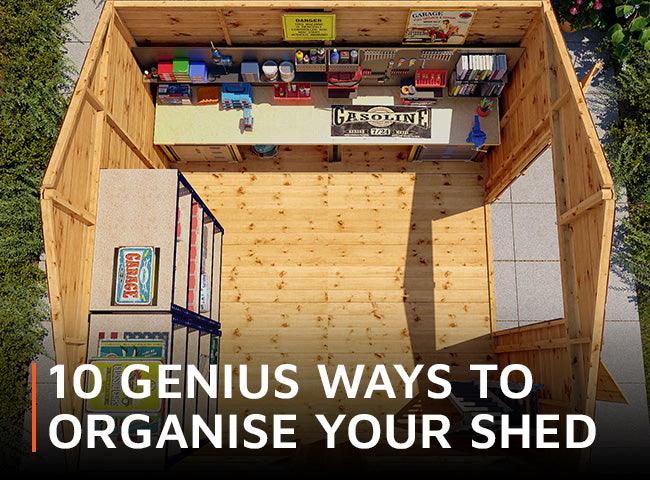
Why plan before you organize
A clear plan prevents wasted effort. Walk through the shed and take photos. Note what you use often and what sits unused. That helps you group items and pick the right storage.
Think about access. Place tools you use weekly near the door. Put seasonal items where you can reach them easily. Planning first makes the rest faster and cheaper.

Step-by-step process to organize a storage shed
- Empty the shed
- Take everything out. Lay items on a tarp or driveway. Seeing all items helps you decide what to keep.
- Clean and inspect
- Sweep, vacuum, and check for leaks or pests. Fix small issues now to prevent ruined gear later.
- Sort into zones
- Keep like with like: gardening, sports, tools, paints, and seasonal decor. Label piles as you go.
- Declutter and donate
- Toss broken items. Donate things in good shape but rarely used. Be strict to free space.
- Measure and plan storage
- Measure width, height, and door space. Note power outlets and lighting so you plan shelves and hooks well.
- Install base storage
- Put shelves, pegboards, and cabinets in place. Start with the biggest items and build around them.
- Organize and label
- Use bins and clear labels. Keep daily items accessible and heavy items low.
I learned early that emptying the shed first saves time. Once, I tried organizing in place and kept moving the same rake three times. Emptying solved that.

Best shelving and storage solutions
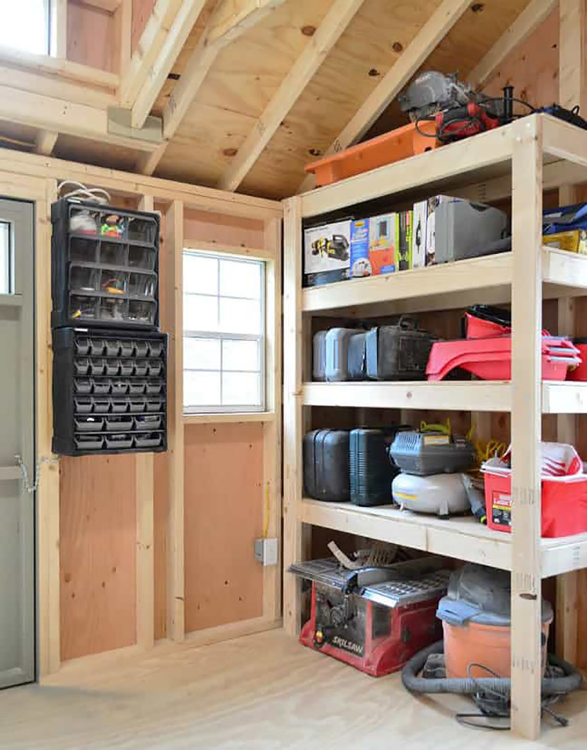
Shelves and racks save floor space and protect items from moisture. Choose sturdy shelves for heavy tools and lighter shelving for bins and paint.
- Open metal shelving
- Good for heavy gear and easy to see. Bolt to studs for safety.
- Wall cabinets
- Keep hazardous items away from children and pets. Use labeled doors.
- Plastic bins
- Stackable and moisture-resistant. Clear bins show contents fast.
- Stackable drawers
- Great for small parts like screws and seeds. Label each drawer for fast finds.
- Overhead racks
- Use for kayaks, lumber, or rarely used items. Keep load limits in mind.
I prefer adjustable metal shelving. It adapts as my needs change. I also add clear bins for small items so I don’t waste time searching.
Use wall and vertical space smartly
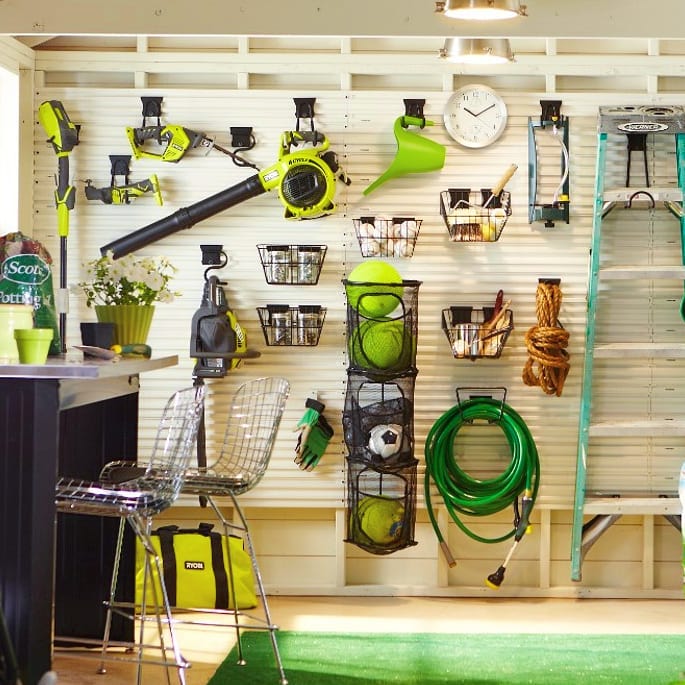
Walls are your best real estate in a small shed. Use hooks, pegboards, and rails to keep tools visible and off the floor.
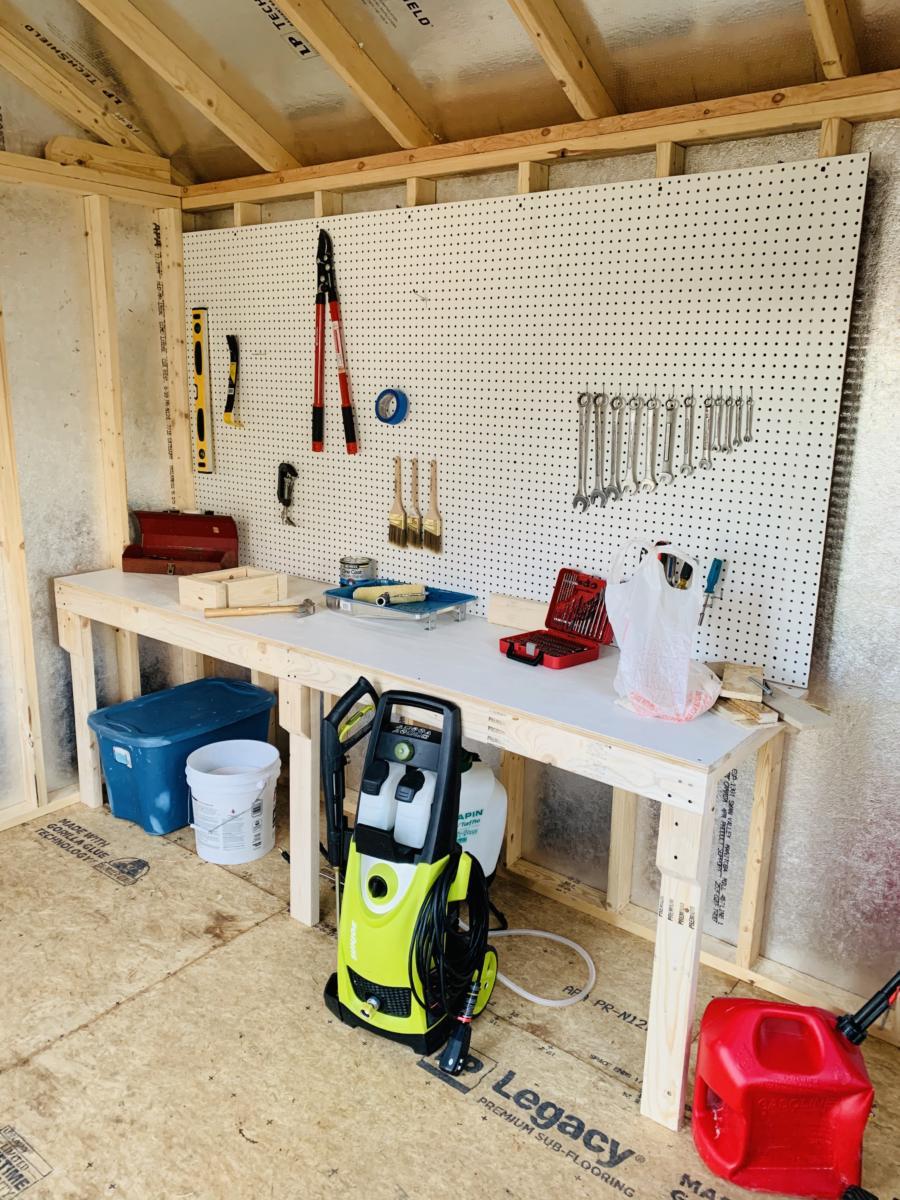
- Pegboard system
- Hang hand tools and small gear. Use tool outlines to return items to place.
- Slatwall panels
- Offer flexible hooks and baskets. Good for varied items.
- Heavy-duty hooks
- Hang bikes, ladders, and hoses. Install into studs or anchors.
- Magnetic strips
- Hold metal tools like screwdrivers and wrenches. Easy to reach and tidy.
When I added pegboard, my morning routine got faster. I stopped searching for the pry bar under paint cans.

Storing large and awkward items
Large items need stable support and clear paths. Plan where they live before installing small storage.
- Rake and shovel racks
- Mount horizontally or vertically. Keep sharp ends away from walkways.
- Bike hooks and stands
- Hang bikes by the wheel to save floor space.
- Lawn mower and power tools
- Park on protective pads to shield the floor. Use a small shelf for fuel and oil above ground level.
- Lumber storage
- Store flat on wall racks or ceiling-mounted cradles. Keep treated wood off the ground.
I once stored a kayak on the floor and it took half the shed. Raising it freed room for shelving and made the space usable.

Seasonal items and safety
Store seasonal items logically. Keep emergency supplies accessible. Lock up chemicals and fuels for safety.
- Seasonal rotation
- Put current season items near the door. Move off-season gear higher or to the back.
- Hazardous storage
- Keep paints, pesticides, and fuels in a locked cabinet. Use leak trays for liquids.
- Ventilation and lighting
- Add a vent or small fan to avoid fumes. Bright LED lights cut search time and reduce accidents.
- Fire safety
- Keep a small fire extinguisher nearby. Store rags and oily materials in metal bins with lids.
I label a shelf “Seasonal” and switch bins every six months. It keeps holiday decor and winter gear tidy.
Maintenance and routines to keep it organized
A shed stays useful when it gets small, regular care. Spend 15 minutes weekly and a larger hour quarterly.
- Weekly quick tidy
- Return tools, clear the floor, and sweep.
- Quarterly review
- Check for leaks, pests, and expired chemicals. Rotate seasonal items.
- Inventory checklist
- Keep a simple list of tools and supplies. Update when you add or discard items.
- Label upkeep
- Replace faded labels and clean bins to keep things visible.
I set a monthly alarm to do a quick check. It prevents big cleanups and keeps tools ready.

Tools and supplies checklist
Gather a basic set of supplies before you start organizing. They make the job fast and neat.
- Measuring tape, pencil, and paper
- Measure and draw a simple layout.
- Shelving and brackets
- Pick adjustable shelves to adapt over time.
- Bins and labels
- Clear bins and a label maker speed retrieval.
- Hooks, pegboard, and wall anchors
- Use anchors for heavy loads if you can’t hit studs.
- Safety gear
- Gloves, mask, and a small broom for cleanup.
I always keep a small box with extra hooks and anchors. It saves trips to the store mid-project.
Cost-saving tips and mistakes to avoid
Organizing can be cheap if you plan. Avoid common mistakes that waste money and space.
- Reuse before you buy
- Old crates, pallets, and shelves can be repurposed.
- Buy quality for long-term needs
- Cheap shelves can fail under heavy loads.
- Avoid overbuilding
- Don’t fill every wall until you sort items and sizes.
- Mistake: ignoring access
- Don’t block the door with large items. Leave a clear path for safety.
I tried a budget plastic shelf once. It bowed quickly and cost me time and more money to replace.
Simple layout ideas
Choose a layout that fits your shed size and routine. Keep paths clear and zones defined.
- Small shed layout
- One wall of shelves, pegboard on another, and floor space for mower.
- Medium shed layout
- Shelves on both sides, center aisle, overhead racks for seasonal items.
- Large shed layout
- Workbench at the back, storage zones by use, and clear floor for projects.
Think like a store. Place most-used items at eye level and heavy items low.
Personal tips from experience
I once organized three sheds in one weekend and learned fast what matters. Prioritize access, keep labels clear, and use clear bins. Small rituals, like a monthly check, make the organization last.
Share tasks if you can. A friend can hold items while you decide. That saves time and helps you stay focused.
Frequently Asked Questions of How to organize a storage shed
What is the first step in how to organize a storage shed?
The first step is to empty the shed to see everything. This helps you sort, clean, and plan better.
How do I choose the right shelving for a shed?
Pick sturdy, adjustable shelves for heavy tools and plastic bins for light items. Measure your space first and anchor shelves to studs.
How often should I reorganize my shed?
Do a quick tidy weekly and a deeper review every three months. Seasonal switches also offer a good time to reorganize.
How do I safely store fuels and chemicals in a shed?
Store fuels in approved containers on a metal shelf or cabinet away from heat and direct sunlight. Keep them locked and labeled clearly.
Can I organize a shed on a small budget?
Yes. Reuse pallets, crates, and old shelves. Buy a few key items like hooks and clear bins to make a big difference.
How do I prevent pests in my organized shed?
Seal gaps and keep food or bird seed in sealed containers. Check for nests and clean up spills promptly.
What is the best way to store garden tools?
Hang garden tools on a pegboard or bracket system with handles up. Store sharp tools separately and keep heavy items low.
Conclusion
Organizing a shed is simple when you plan, sort, and use the right storage. Start by emptying your shed, choosing zones, and adding shelves and wall systems that match your needs. Small habits like labeling and a short weekly tidy keep the space useful for years.
Take action today: clear one shelf or bin and plan your next step. Share what worked for you or ask questions below to get tailored tips.