Group, declutter, nest, and label: simple steps to tame your food storage containers fast.
I’ve spent years optimizing kitchens for real families and busy cooks. This guide shows you exactly how to organize food storage containers so they are easy to find, fit, and use. You’ll get step-by-step systems, tool recommendations, cleaning tips, and real mistakes I fixed in my own kitchen. Read on to save time, cut waste, and turn a messy cabinet into a tidy, reliable system.
:max_bytes(150000):strip_icc()/thd-busymom-tupperware-0315_vert-1-2000-horiz-1222-25bee70a3aa941c3b8d416056ade6392.jpg)
Why organize food storage containers?
A clear system for how to organize food storage containers saves time, money, and space. You waste less food when containers and lids are easy to find. You also avoid buying duplicates. Organized containers make meal prep and clean-up faster.
Most kitchens have these problems:
- Misplaced lids that never match a container.
- Stacked, unstable piles that fall when you pull one item out.
- Containers lost to stains, odors, or cracks.
Organizing removes friction. It turns a daily chore into a simple habit. Here I walk you through methods that work for small cabinets, large pantries, and everything between.
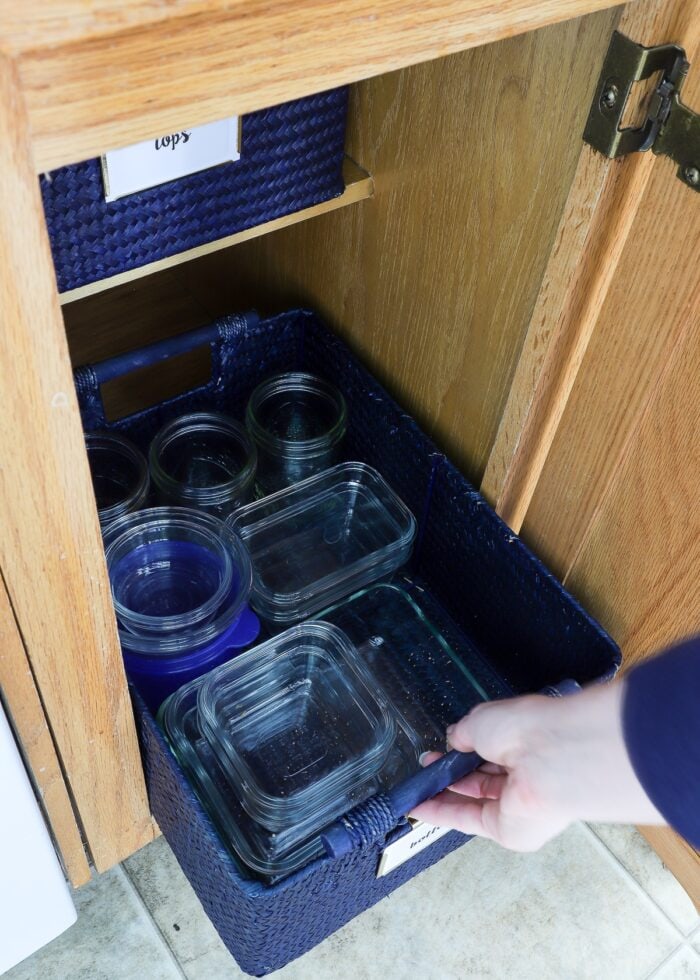
Step-by-step system for how to organize food storage containers
Follow this simple system to get your containers under control. Use short sessions of 15–30 minutes if you want to avoid fatigue.
- Empty and sort
- Remove all containers and lids from your cabinets and drawers.
- Set containers in one pile and lids in another.
- Toss cracked, warped, or stained pieces that don’t seal.
- Group by type and purpose
- Group by shape and use: meal prep, leftovers, freezer, glass, microwave-safe, etc.
- Keep nesting shapes together (round with round, rectangle with rectangle).
- Match lids to bases
- Match each lid to a base. Stack matched pairs together first.
- For unmatched lids, keep them together in a separate bin. This minimizes hunting.
- Nest and stack smart
- Nest containers by size to save vertical space.
- Stack only stable sets to avoid tipping.
- Store lids vertically
- Store lids upright in a file-style rack or magazine holder.
- This saves space and makes lids easier to see and grab.
- Use zones
- Create zones for daily use, freezer, and rarely used specialty containers.
- Place the daily zone at eye level or in an easy-to-reach lower drawer.
- Label and keep a rule
- Label shelves or bins with categories: “Lids,” “Small Prep,” “Freezer.”
- Keep the one-in, one-out rule for special items to prevent clutter.
This step-by-step plan is the backbone for how to organize food storage containers. It works in any kitchen size and can be adapted to your habits.
:strip_icc()/plastic-bins-in-cupboard-for-storage-container-organization-c532e2a5-db746fa3bbeb4c3abb005eeca27adeb9.jpg)
Best storage solutions and tools for how to organize food storage containers
The right tools make organizing simpler and keep systems working longer. Here are tools I use and recommend.
- Adjustable shelf risers
- Create more usable vertical space for nested stacks.
- Lid organizers
– File holders, vertical dividers, or a DIY foam board slot system keep lids upright. - Clear bins and baskets
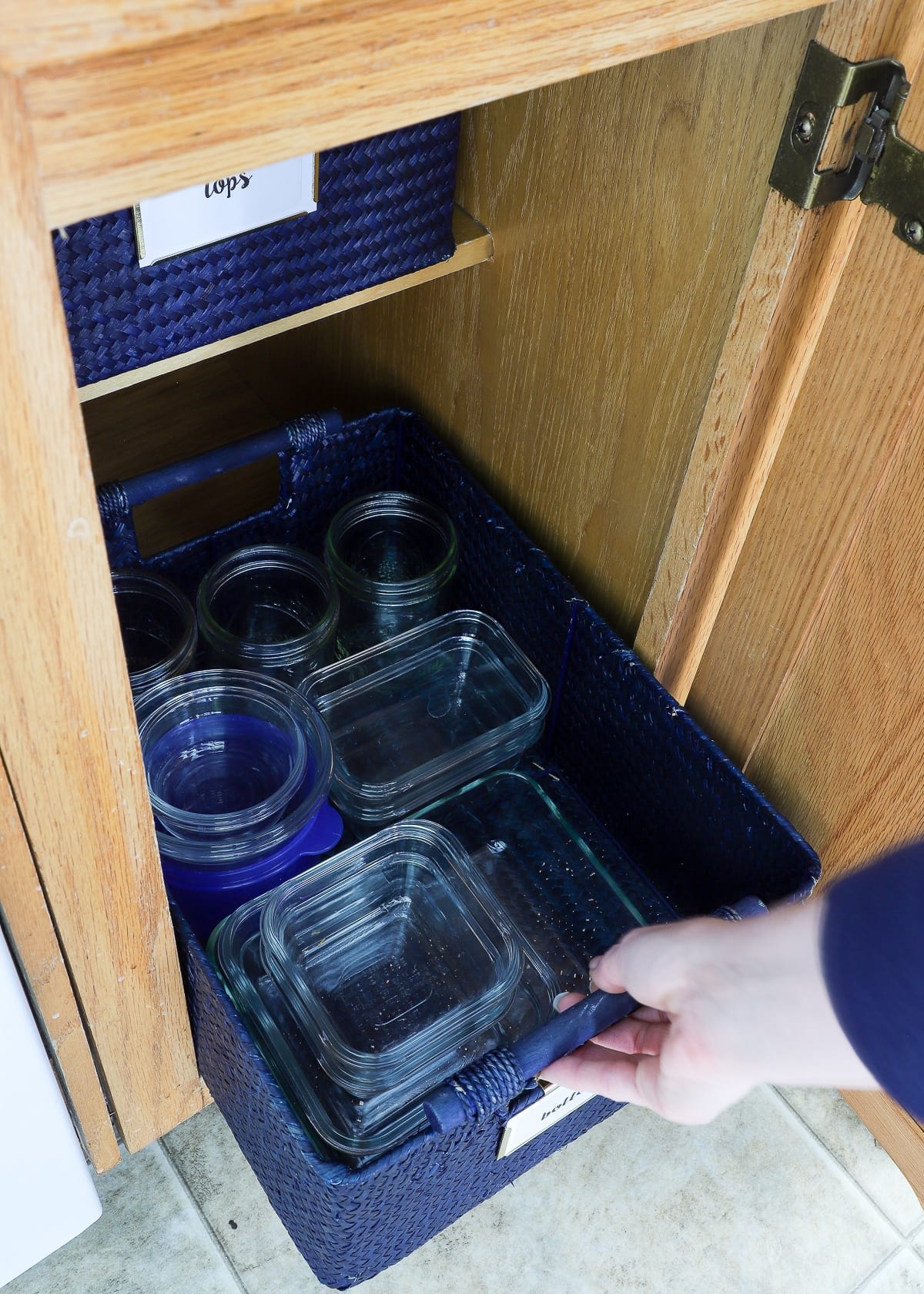
- Contain loose lids or specialty containers. Use uniform bins for easy stacking.
- Drawer dividers
- Turn a deep drawer into a neat container station.
- Turntables or lazy Susans
- Great for deep cabinets to reach items in back.
- Label maker or removable labels
- Use clear, short labels for shelf zones and bins.
- Silicone collapsible containers
- Save space and work well for travel or camping.
When shopping, choose durable materials. Glass is better for flavor and longevity, while BPA-free plastic is lighter and often cheaper. Mix both to match your needs.
Cleaning, maintenance, and rotation tips for how to organize food storage containers
Maintenance keeps your system working and your containers usable for years.
- Clean regularly
- Wash containers and lids soon after use to prevent stains and odors.
- Use baking soda paste or white vinegar soak for odors.
- Sanitize occasionally
- Run plastic-safe containers through the dishwasher or soak in a diluted bleach solution per product guidance.
- Check seals and replace
- Inspect silicone seals and snap lids for wear. Replace parts if possible.
- Rotate by use
- Keep daily items at the front. Store special-purpose containers in the back.
- Air out lids
- Store lids slightly ajar if any lingering smell occurs, then wash thoroughly.
Follow manufacturer guidance for heat limits. Avoid microwaving containers not marked microwave-safe. These steps help reduce waste and keep your organization intact.

Common mistakes and how to avoid them when organizing food storage containers
Avoid these traps I’ve seen again and again.
- Mistake: Keeping mismatched lids and bases together
- Fix: Pair and stack matched units first and keep unmatched lids separate.
- Mistake: Stacking too high
- Fix: Limit stack height and use risers or bins to stabilize stacks.
- Mistake: Hiding daily items in back
- Fix: Create a daily zone within easy reach for containers you use most.
- Mistake: Not labeling
- Fix: Simple shelf or bin labels cut search time dramatically.
- Mistake: Saving everything “just in case”
- Fix: Set purge rules: if you haven’t used it in a year, let it go.
These fixes make maintaining the system quick and painless.
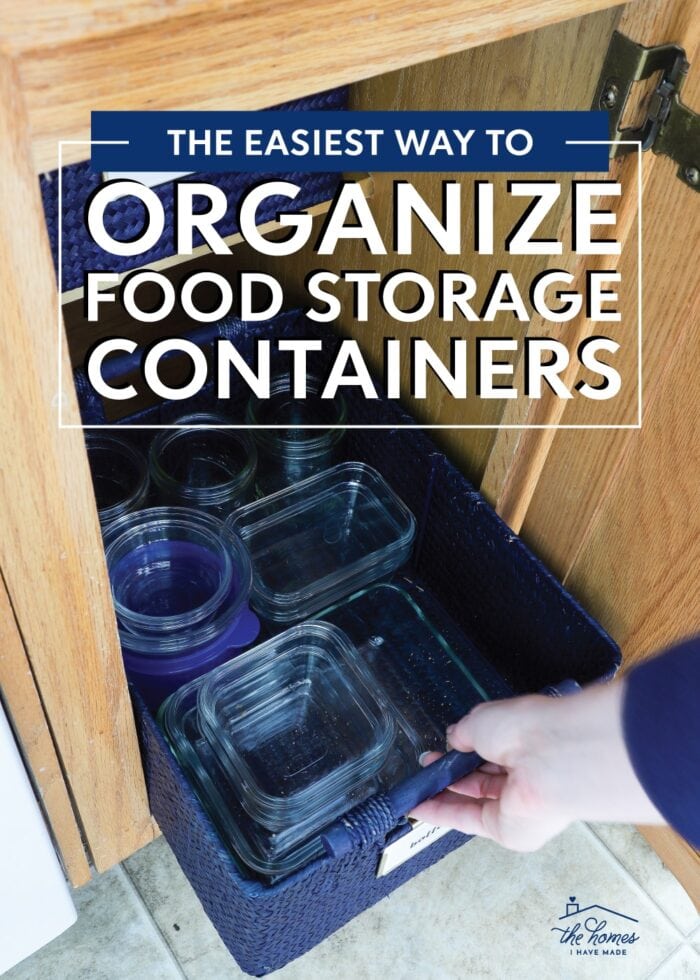
My personal experience and lessons learned about how to organize food storage containers
I used to jam all containers into one cabinet. I lost lids constantly. It took me three tries to land on a system that stuck.
What I learned:
- Start small. I organized one cabinet in 20 minutes. It built momentum.
- Use the right zone. Putting daily containers in an easy drawer changed habits.
- Invest in one good tool. A lid rack paid for itself by cutting time hunting lids.
A memorable win: after switching lids to vertical storage, my family found lids in seconds. Meal prep time dropped by 10–15 minutes each week. Those minutes add up.
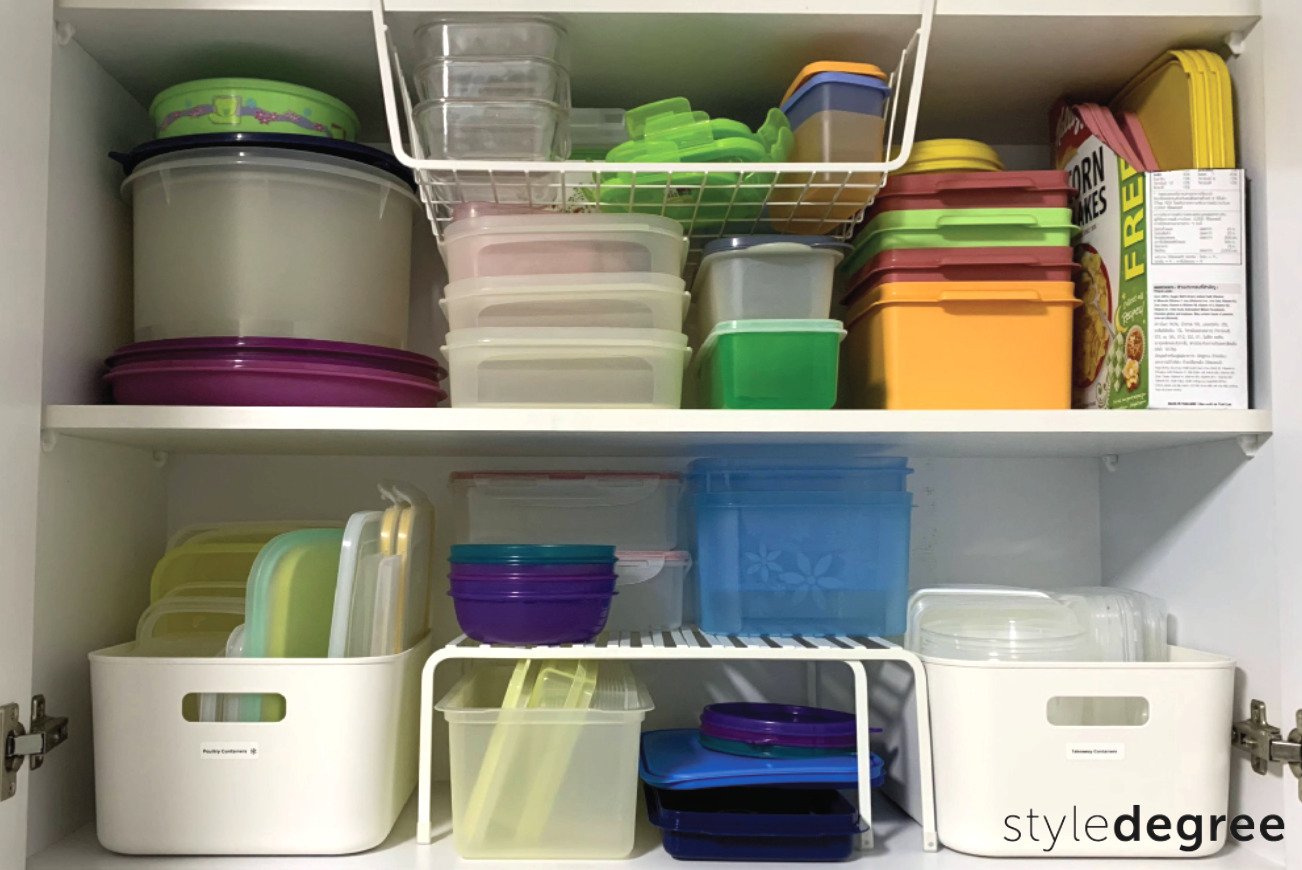
Frequently Asked Questions of How to organize food storage containers
How should I store lids to save space?
Store lids vertically in a file holder or magazine rack. Vertical storage makes lids easy to see and takes less shelf depth.
Can I mix glass and plastic when organizing?
Yes. Group like with like for nesting and safety. Put glass in a stable spot and plastics in a separate stack or drawer.
How often should I declutter containers?
Declutter every 6–12 months or when you notice clutter. Toss cracked or warped pieces and donate usable extras.
What’s the best way to get rid of container odors?
Soak lids and containers in a mixture of baking soda and warm water or use white vinegar. Sun-drying can also remove odors.
How do I keep lids from getting lost?
Match lids to bases when you store them. Keep unmatched lids in a labeled bin and use a lid organizer to cut search time.
Are clear containers better than opaque ones?
Clear containers help you spot contents fast and reduce food waste. Opaque containers are fine for meal prep where visibility isn’t needed.
Conclusion
Organizing food storage containers is a small project that returns big daily benefits. Follow a clear system: declutter, group, match lids, nest smart, and label zones. Use a few well-chosen tools to keep the system working. Start with one cabinet or drawer and build from there—small wins lead to lasting habits. Try one step today and notice how much easier kitchen life becomes. Share your results, ask questions, or subscribe for more practical home tips.