
Start by decluttering, measuring, and using labeled vertical solutions for daily access.
I've organized closets, garages, and small apartments for over a decade. I know what works and what wastes space. This guide on how to organize storage space shares proven steps, real mistakes I made, and simple tools you can use today. Read on to plan, sort, and keep storage that saves time and stress.
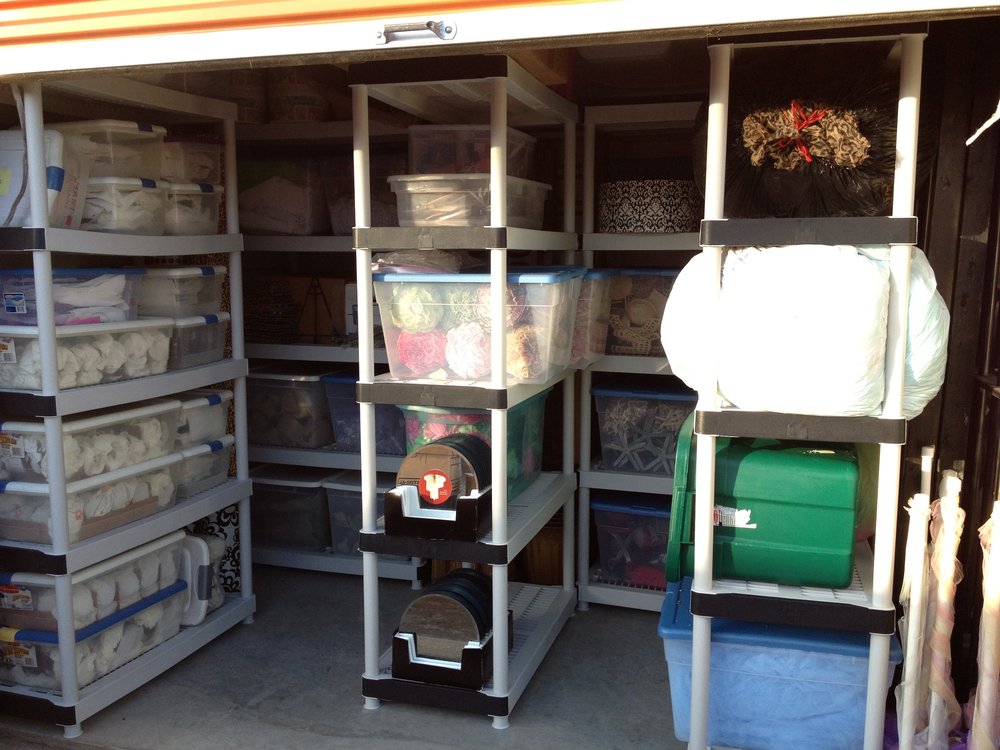
How to organize storage space: start with a clear plan
Begin with a simple plan. Measure the room and note usable height. Picture how you move through the space each day. A good plan keeps items near where you use them.
Use a checklist to set goals:
- Identify what you need to store and why.
- Measure floor, wall, and shelf space in inches or centimeters.
- Note access points like doors and walkways.
- Set a time limit for the project to stay focused.
From my experience, planning cuts work time by half. When I planned a small attic conversion, measuring saved me from buying wrong shelves. A clear plan is the backbone of how to organize storage space.

Declutter first: keep, donate, recycle, or toss
You cannot organize what you do not need. Declutter in small zones, not the whole house at once. This makes the task easier and less stressful.
Use this four-bin method:
- Keep: items you use weekly or love.
- Donate: items in good shape that you no longer need.
- Recycle: broken items that can be recycled responsibly.
- Toss: items damaged beyond repair or contaminated.
I once held onto boxes for years. Letting go freed space I never knew I had. Decluttering is the best first step in learning how to organize storage space.
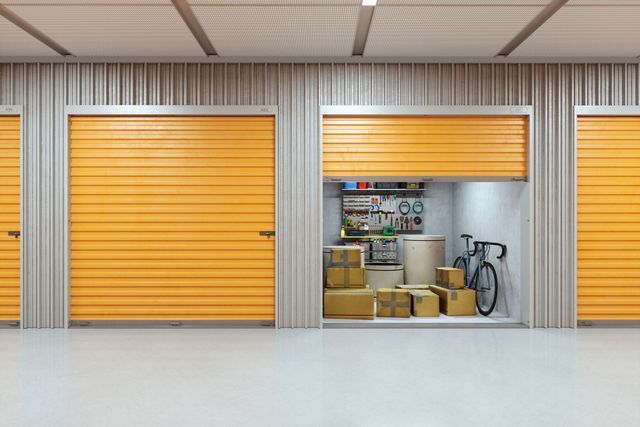
Sort, zone, and prioritize for easy access
Group items by function and frequency of use. Keep daily items within reach and seasonal items higher or deeper. Zoning reduces time spent searching.
Try these zones:
- Daily zone: everyday items near the exit or main workspace.
- Weekly zone: items used weekly on accessible shelves.
- Seasonal zone: out-of-season items stored up high or in the back.
- Archive zone: documents and keepsakes in labeled, sealed boxes.
I sort kitchen gear by use. Pots near the stove. Baking gear in a single drawer. Clear zones are a core tip for how to organize storage space that actually works.

Smart storage solutions and products that save space
Use vertical space first. Shelves, pegboards, and tall cabinets beat low piles. Choose clear or labeled containers to speed retrieval.
Good options to consider:
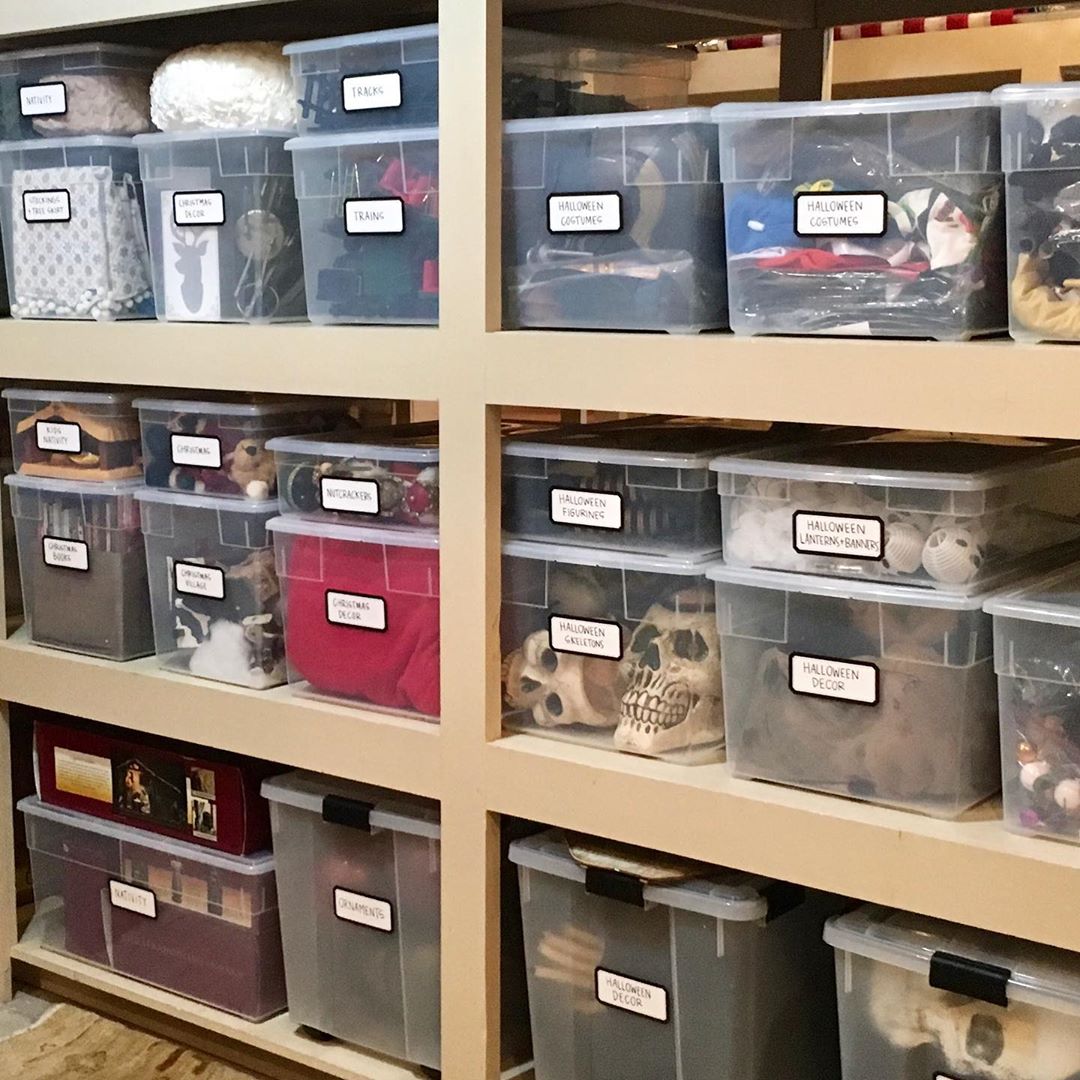
- Clear plastic bins with tight lids for seasonal items.
- Stackable drawers for kids’ toys and craft supplies.
- Wall-mounted racks or pegboards for tools and pans.
- Under-bed boxes for linens and shoes.
I built adjustable shelves in a small closet. They evolved with our needs. Selecting flexible solutions is a smart part of how to organize storage space efficiently.

Labeling, inventory, and digital tools
Label everything. A good label saves minutes each day. Keep a simple inventory for boxes in remote storage.
Ways to label and track:
- Use consistent labels with contents and date on each box.
- Keep a short paper list on the door or a phone note with box numbers.
- Use a free app for photos and locations if you have many items.
- Include a short contents list inside each box for quick checks.
I use photos and a note app for attic boxes. The photo saves time and prevents duplicate purchases. Labeling is a small habit that transforms how to organize storage space.
Maintenance routines and habits that keep order
Organization is a behavior, not a one-time project. Short, weekly routines prevent clutter from returning. Small habits maintain big gains.
Simple maintenance steps:
- Spend 10 minutes weekly returning items to their zones.
- Do a quick 30-minute purge each season.
- Re-evaluate storage needs when you buy new large items.
- Make storage a shared responsibility with clear roles.
When I formed a 10-minute weekly habit, my house stayed tidy. The habit kept our storage functional and the system intact. Maintenance is how to organize storage space so it lasts.

Common mistakes to avoid when you organize storage space
Avoid these traps to save time and money. Many people repeat the same errors when they organize storage space.
Common mistakes and fixes:
- Buying storage before decluttering — Fix: purge first.
- Using mismatched containers — Fix: choose a consistent system.
- Forcing items into too-small spaces — Fix: measure and plan shelves.
- Neglecting labels — Fix: label at the time of storage.
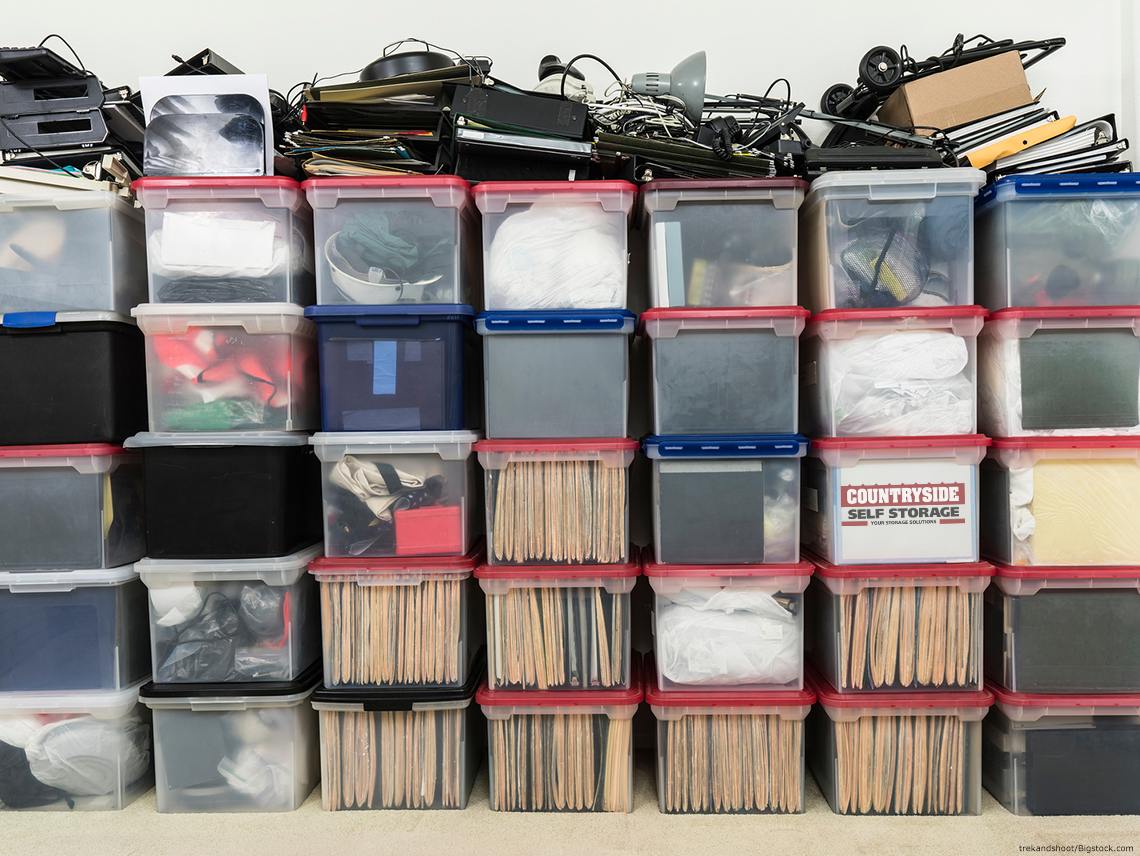
- Overstacking weight on high shelves — Fix: store heavy items low.
I once bought bins too small for winter coats. I returned them and bought fewer, larger bins. Learning from errors speeds up how to organize storage space next time.
Frequently Asked Questions of How to organize storage space
How do I start if my storage area is a mess?
Begin with a 30-minute zone. Remove everything that doesn’t belong. Sort into keep, donate, recycle, and toss.
What containers work best for long-term storage?
Use sturdy, sealable plastic bins for moisture protection. Clear bins or labeled opaque bins help find items fast.
How often should I re-organize storage spaces?
Do a quick check every season and a deep clean once a year. Regular checks prevent big rebuilds later.
How do I store sentimental items without clutter?
Limit sentimental boxes and put only the most meaningful items in them. Keep a short inventory and store boxes in a safe, dry place.
Can small apartments use the same organizing tips?
Yes. Small spaces gain most from vertical storage and strict decluttering. Prioritize multi-use furniture and hidden storage.
Conclusion
You can reshape how your home feels by changing how you organize storage space. Start with a plan, declutter first, sort into clear zones, and use vertical, labeled solutions. Build small weekly habits to keep order. Try one zone this weekend and notice the difference. Share your progress, ask questions, or subscribe for more tips on making space work for you.