Start by grouping items, decluttering, and using zones and clear containers for easy access.
I’ve organized dozens of kitchens, from tiny apartments to family homes, and I know what works. This guide on how to organize kitchen storage walks you through a simple plan. You’ll get step-by-step actions, real-life tips I learned the hard way, and practical product and DIY ideas. Read on to make your kitchen feel calm, tidy, and easy to use.
Assess and plan your kitchen storage
Begin with a quick survey. Open every drawer and cabinet. Note what you use daily and what sits unused.
Measure shelves and drawers. Write down heights and depths. This makes it easy to buy the right organizers.
Set goals for how you want the space to work. Do you need more prep room or a better pantry system? A short plan saves time and money.

Declutter first: purge, donate, and simplify
Start with purging. Remove broken items and duplicates. If you haven’t used something in a year, consider donating it.
Group items on the counter, in cabinets, and in the pantry. I once found three spatulas I never used. Getting rid of extras freed space immediately.
Keep an “maybe” box for items you’re unsure about. Reassess it in a month and donate what you didn’t miss.
Zone your kitchen for flow
Create clear zones so tasks stay efficient. Common zones are:
- Prep zone: knives, cutting boards, mixing bowls.
- Cooking zone: pots, pans, oils, spices.
- Cleanup zone: dish soap, scrubbers, trash.
- Pantry zone: dry goods, snacks, bulk items.
Place items near where you use them. For example, keep plates near the dishwasher or the dining area. Zones cut the time you spend looking for things.
Smart cabinet and pantry organization
Use vertical space. Add shelf risers to double storage for plates or mugs. Install pull-out shelving to reach the back easily.
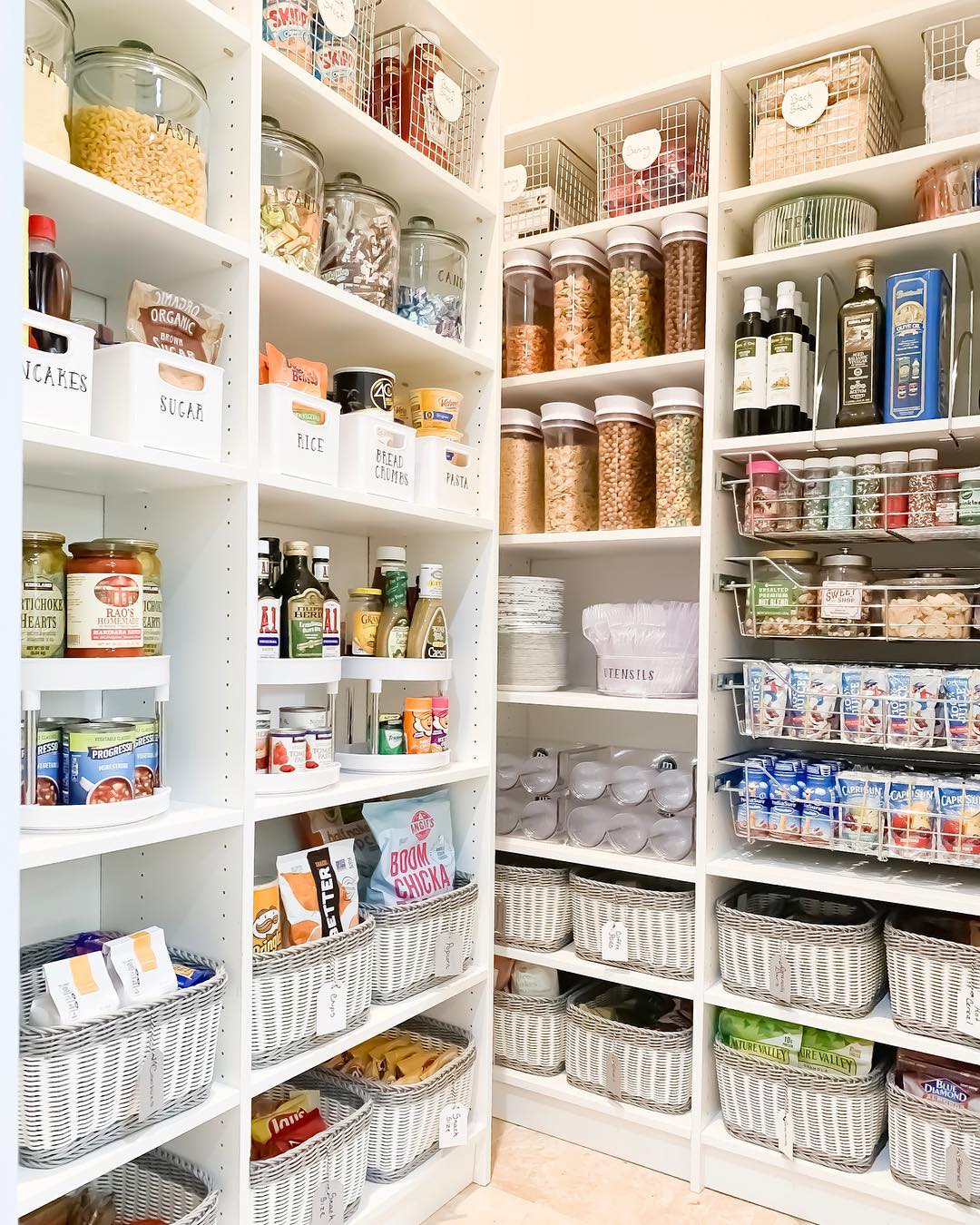
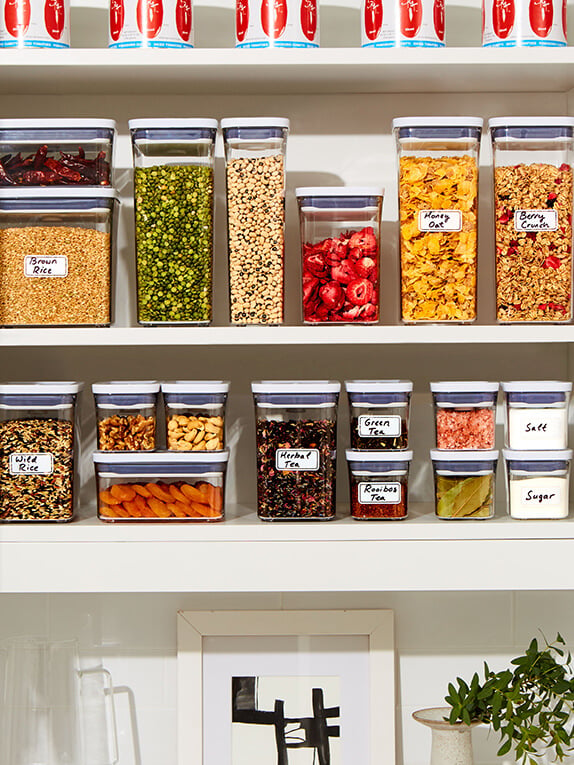
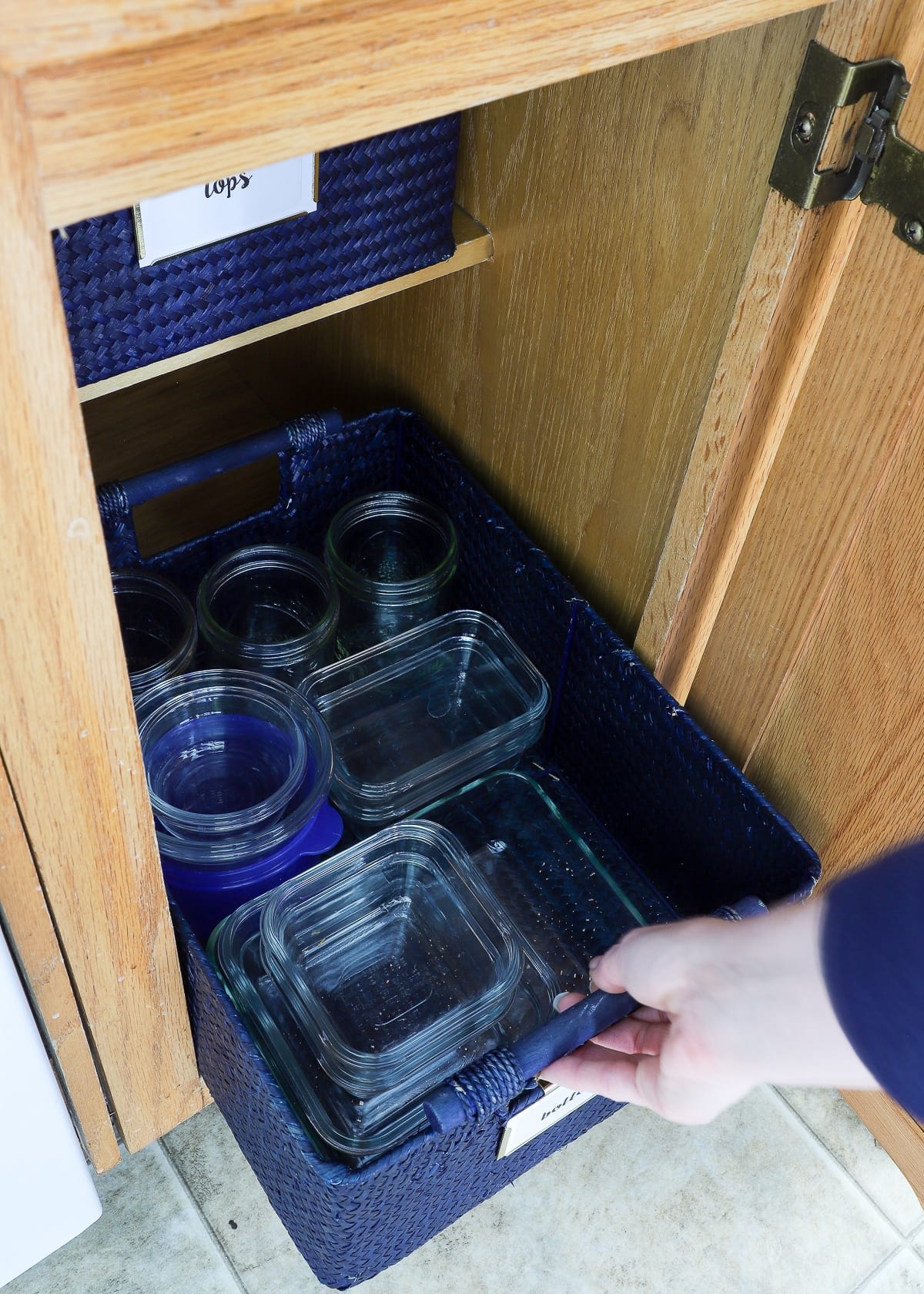
Group pantry items by type and use clear containers to see contents. Transfer bulk foods into airtight jars to extend freshness and reduce waste.
Label shelves and containers. I label both the front and the top for stacked bins. Labels reduce guesswork and speed up meal prep.

Drawers, utensils, and small items
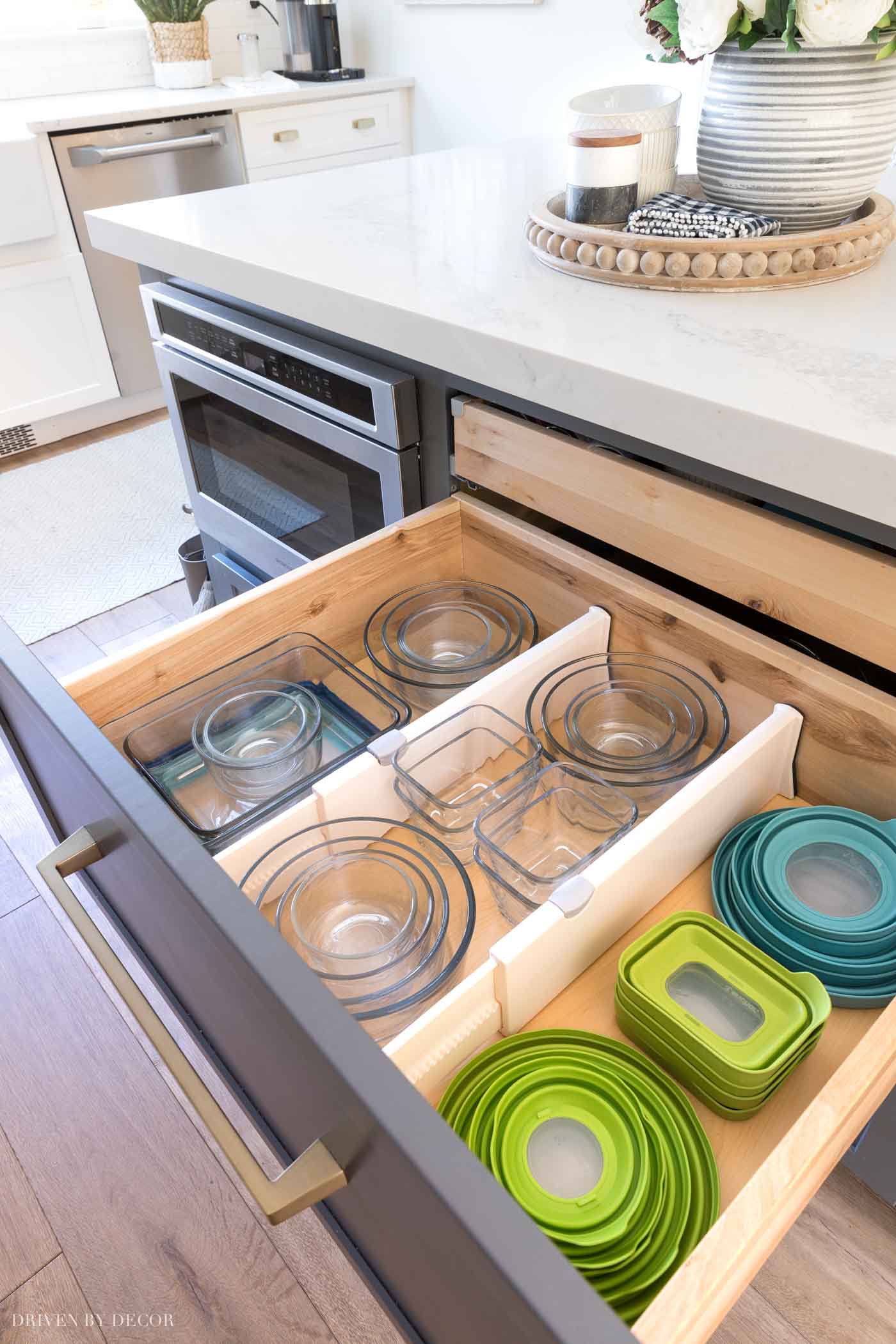
Use drawer dividers to stop things from shifting. Sort utensils by use: prep tools in one drawer, serving spoons in another.
Nest bowls and measuring cups by size. Use small bins for packets like tea, seasoning mixes, or sauce mixes.
Store rarely used gadgets in higher cabinets. Keep everyday tools in lower drawers near the prep zone.
Countertop and appliance storage
Keep counters mostly clear. Store appliances you use daily, like a toaster or coffee maker, on an easy-to-reach spot.
Create an appliance garage for mixers or blenders you use weekly. A roll-up door or a low shelf can hide them and cut clutter.
Use trays to corral frequently used items like oil and salt. A tray keeps the area tidy and can be moved when you need workspace.

Refrigerator and freezer storage tips
Use clear bins in the fridge for snacks, cheeses, and condiments. Label bins with contents and purchase dates.
Practice first-in, first-out for perishables. Put new items behind older ones to reduce waste.
Freeze meals in flat, labeled bags for quick thawing. I keep a “ready meals” bin in the freezer for busy nights.
:strip_icc()/BHG_10_Genius_Solutions_for_Storing_and_Organizing_Food_Storage_Containers_Alicia_Long_V1_01-4e996abc1159410e9202b3e9b73be7eb.jpg) products and DIY solutions”
products and DIY solutions”
style=”max-width: 100%; height: auto; border: 2px solid black; border-radius: 10px; display: block; margin: 0 auto;”
loading=”lazy”
/>
Use smart products and DIY solutions
Add pull-out shelves, lazy Susans, and vertical dividers. These tools make deep cabinets usable.
Try DIY ideas like tension rods for pot lids, magnetic strips for knives, or pegboards for pans. I once built a cheap cup holder from a board and hooks that saved a ton of shelf space.
Use stackable bins and tiered risers for spices and canned goods to maximize visibility.

Budget-friendly and sustainable practices
Repurpose mason jars for dry goods and utensils. Use cardboard shelf dividers from shoe boxes to keep trays upright.
Shop secondhand for solid wooden shelves or drawer organizers. A little sanding and paint can make older pieces look new.
Donate items you remove. This keeps waste low and helps others. Small swaps add up to big savings and less clutter.
Maintenance routine and habits
Set a weekly 10-minute reset. Wipe counters, re-stack items, and return stray tools to their homes.
Keep a running grocery and restock list on the fridge. Add items as you run out so you don’t overbuy.
Build habits like unloading the dishwasher each morning. Regular habits keep your organized system working well.
Common mistakes and how to avoid them
Overfilling cabinets so nothing is visible. Keep space for reach and airflow.
Buying organizers before measuring. Measure first, then shop. I once bought a shelf riser that didn’t fit and had to return it.
Ignoring labels and zones. Without them, the system breaks down fast. Invest a few minutes to set labels and train household members.
Frequently Asked Questions of how to organize kitchen storage
How do I start organizing a messy kitchen?
Start small. Clear one drawer or one cabinet at a time. Sort items into keep, donate, and toss piles.
What is the best way to store spices?
Group spices by use and keep them near the stove. Use clear jars or labeled racks so you can read labels at a glance.
How can I fit more in my pantry without clutter?
Use vertical risers and stackable bins. Move dry goods to uniform containers to save space and reveal what you have.
How often should I declutter kitchen storage?
Do a quick declutter every 3 months and a deep purge yearly. Regular checks prevent clutter from building up.
Can small kitchens be organized effectively?
Yes. Focus on multi-use items, vertical storage, and tight zones. Small kitchens benefit most from smart organization.
How do I keep kids from making a mess in kitchen storage?
Designate a kid-friendly zone with easy access tools and low shelves. Teach simple return habits with clear labels and baskets.
Conclusion
Organizing kitchen storage is small work that creates big calm. Start by measuring, zoning, and decluttering. Use clear containers, labels, and simple habits to keep things tidy. Try one zone this weekend and build from there.
Take action now: clear one cabinet, buy one organizer, or label your pantry. Tell your story in the comments or subscribe for more tips on making home life easier.