
Use a kitchen operations checklist to track cleaning, temperature control, storage, and staff hygiene daily.
I have led busy kitchens and built checklists that prevent foodborne illness, lower waste, and speed service. This guide shows exactly how to use kitchen operations checklist for food safety. You will learn clear steps, practical examples, and quick templates you can use today. Read on to protect diners, meet inspections, and run a smoother kitchen.
Why kitchen operations checklists matter for food safety
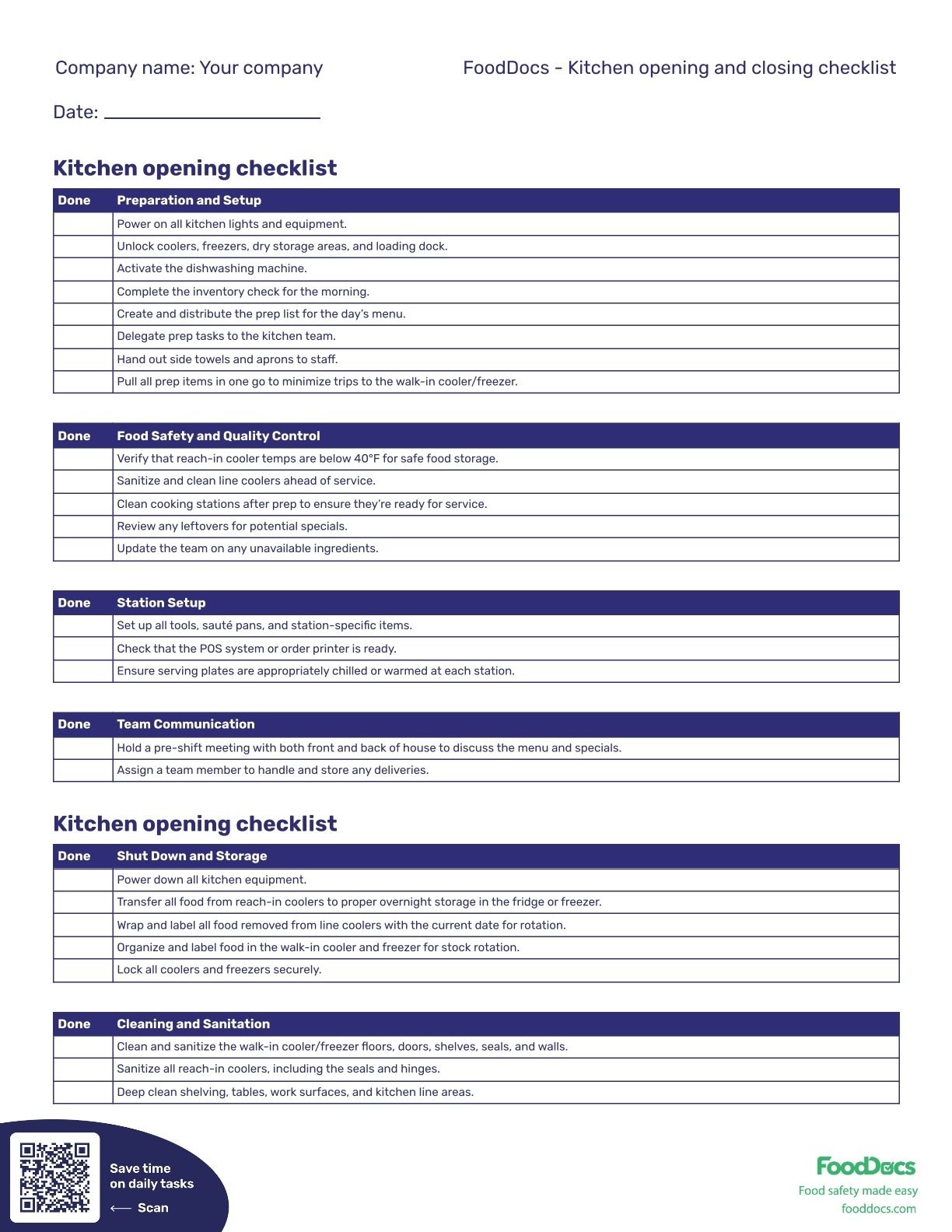
A checklist turns safety rules into simple actions. It keeps staff focused on critical tasks. It reduces risk from cross-contamination, bad temps, and poor storage. Using how to use kitchen operations checklist for food safety makes food handling predictable and audit-ready.
Checklists also build habit. Teams know what to do and when. Inspections become less stressful. Your kitchen becomes a safer place to work and dine.
 components of a kitchen operations checklist for food safety”
style=”max-width: 100%; height: auto; border: 2px solid black; border-radius: 10px; display: block; margin: 0 auto;”
loading=”lazy”
/>
Core components of a kitchen operations checklist for food safety
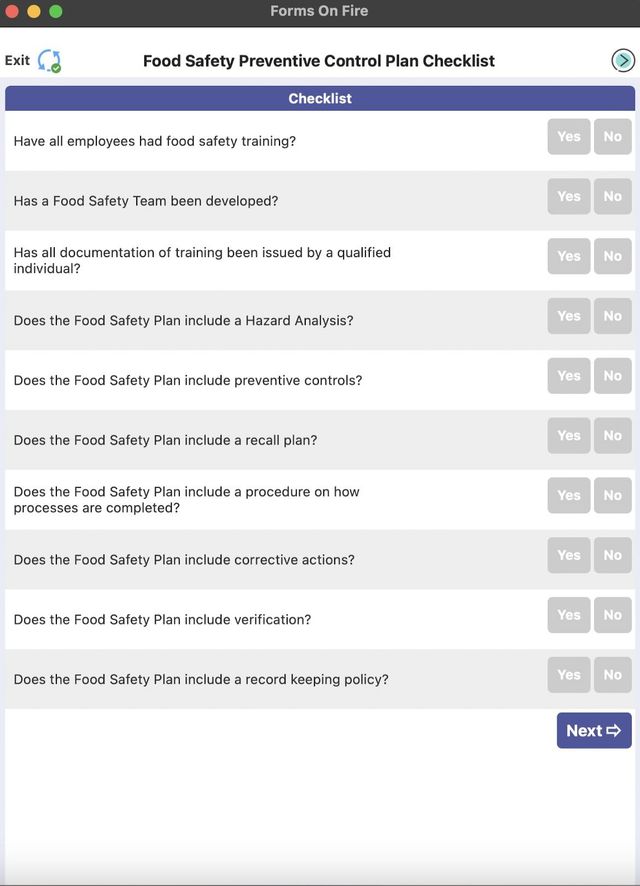
Every checklist should cover the basics. Keep items short and clear. Use plain language so any team member can act fast.
Key items to include:
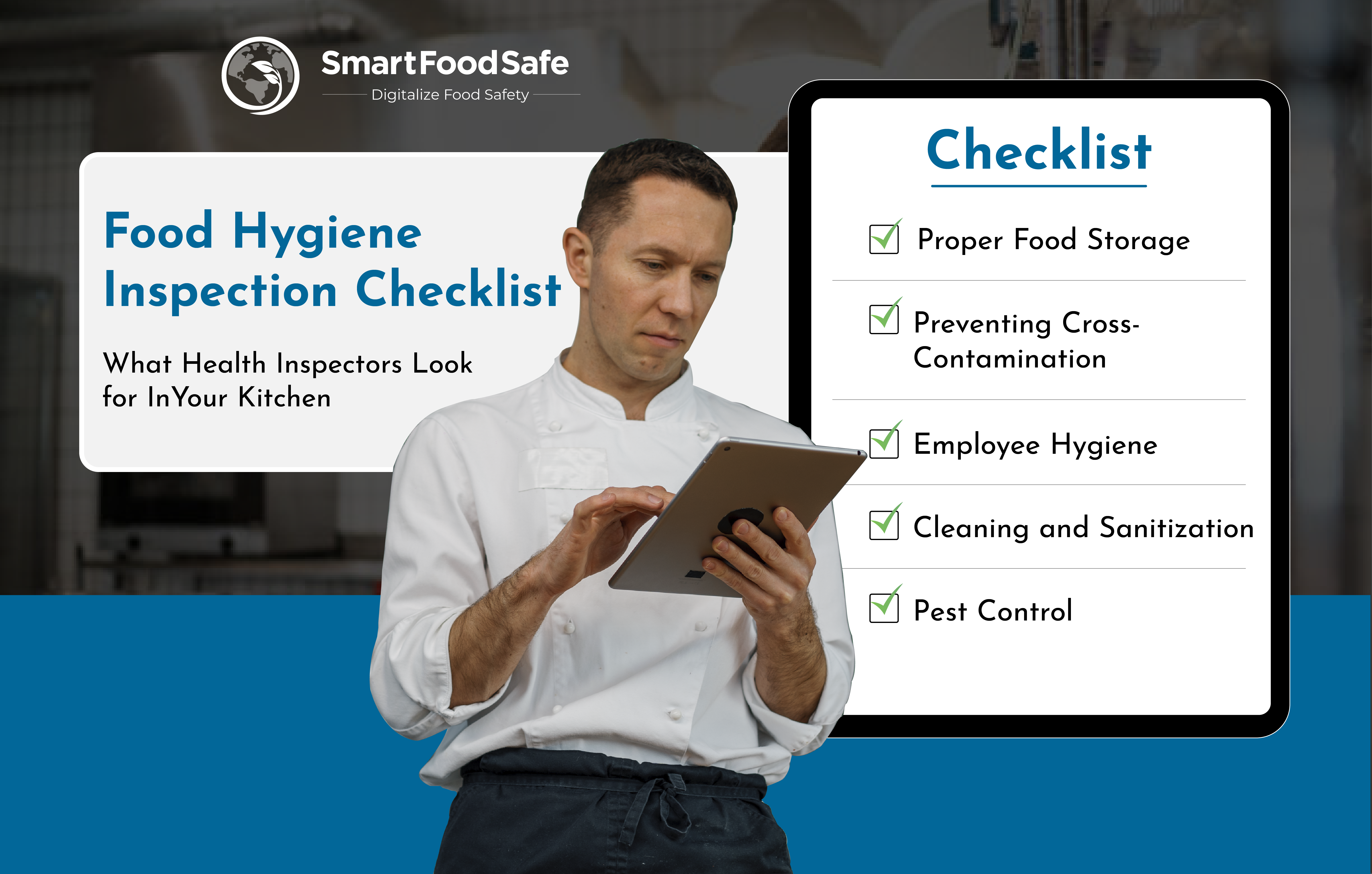
- Personal hygiene: handwashing times, glove use, jewelry rules.
- Time and temperature control: fridge temps, hot-holding temps, cool-down checks.
- Cleaning and sanitizing: surfaces, equipment, schedules, and sanitizing concentrations.
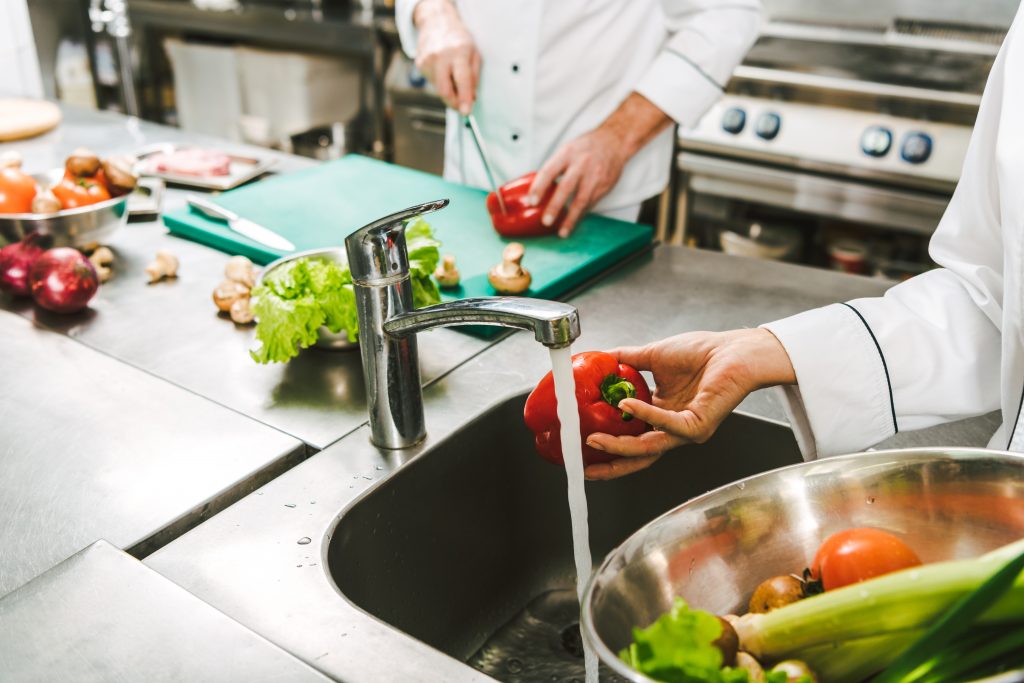
- Cross-contamination controls: color-coded tools, raw vs cooked zones, labeled containers.
- Storage and rotation: FIFO checks, labeling dates, proper shelving.
- Pest control and waste: bins closed, traps checked, waste removed daily.
- Supplier and delivery checks: temperature on arrival, correct labeling, damaged goods.
These items form the heart of how to use kitchen operations checklist for food safety. Clear entries help teams act fast and record proof.
How to build and customize a checklist (step-by-step)
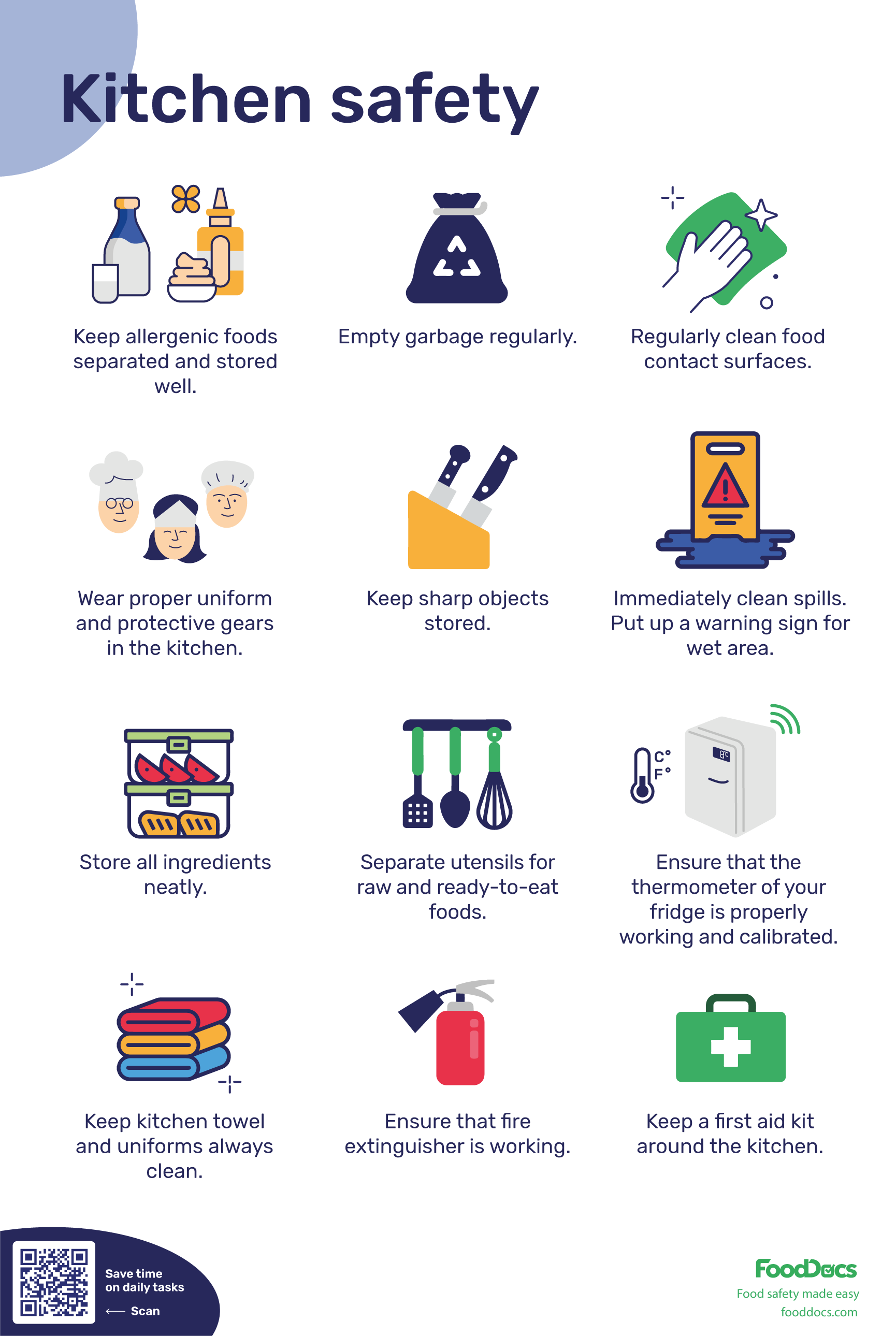
Design the checklist to match your kitchen size and menu. Keep pages short. One page per shift works well.
Step-by-step approach:
- Step 1: List legal and safety must-dos. Include local food safety rules and your SOPs.
- Step 2: Break tasks by shift. Morning, service, and close need different checks.
- Step 3: Use simple check boxes and short notes fields for corrective actions.
- Step 4: Test the checklist for a week. Watch staff use it and adjust language.
- Step 5: Digitize the checklist if you can. Digital logs save time and create alerts.
When you learn how to use kitchen operations checklist for food safety, focus on clarity. Avoid long lines. Make tasks easy to mark done.
PAA-style questions
What is the most important item on a kitchen checklist?
Temperature control is often the most critical. Keeping hot foods hot and cold foods cold prevents bacterial growth.
How often should checklists be updated?
Update checklists whenever you change menu items, equipment, or regulations. Review them quarterly as a minimum.
Can small kitchens use the same checklist as large restaurants?
Yes, but scale the checklist to tasks and staff. Small teams may combine roles but must keep the same safety steps.
Daily operations checklist: sample tasks and schedule
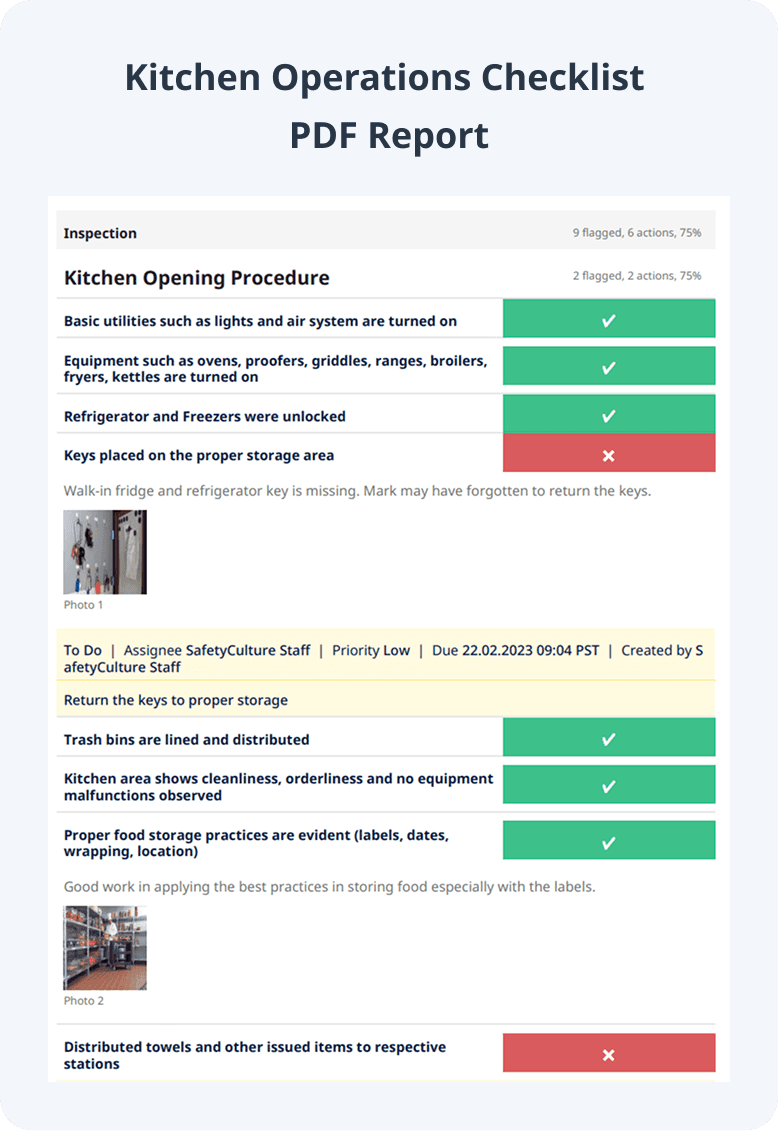
A clear daily flow makes safety simple. Keep three blocks: start, during, and end.
Sample tasks for each block:
- Start of day: thermometer calibration, fridge temps, hand station stocked.
- During service: hot-holding temps every 2 hours, glove changes, spill cleanups.
- End of day: equipment cleaning, cool-down logs, waste removal, fridge organization.
Write times and initials on the checklist. This creates accountability. It also makes how to use kitchen operations checklist for food safety part of daily routine.

Training, monitoring, and audits: keep the checklist alive
A checklist is only as good as the people who use it. Train staff with short, hands-on sessions. Walk through the checklist in a real shift.
Monitoring tips:
- Use daily spot checks by a supervisor.
- Review completed checklists weekly.
- Track recurring issues and assign corrective actions.
Audits build trust. When you show records, inspectors see a system. That proves you understand how to use kitchen operations checklist for food safety well.
Common mistakes and how to avoid them
Many kitchens make simple errors. Fixing these saves time and risk.
Avoid these mistakes:
- Making the checklist too long. Long lists get ignored.
- Using vague language. Say “check fridge temp” not “check fridge.”
- Not training new hires. New staff need the same habits.
- Failing to act on failed items. Marking a problem and doing nothing is worse than no record.
I learned this the hard way. Early in my career I trusted ticked boxes without follow-up. That led to a failed audit. After adding corrective steps on the checklist, problems dropped fast.
Real-life example and personal experience
In a busy bistro I managed, we had late-night cooling issues. We added a simple cool-down log to the checklist. Staff wrote times and temps every 30 minutes for two hours. That change stopped unsafe holding and cut food loss by 25%.
Lessons learned:
- Keep checklists brief and visible.
- Make corrective action fields mandatory.
- Celebrate zero-fail days to build pride.
These small moves show how to use kitchen operations checklist for food safety in real kitchens.
Templates and tools to use
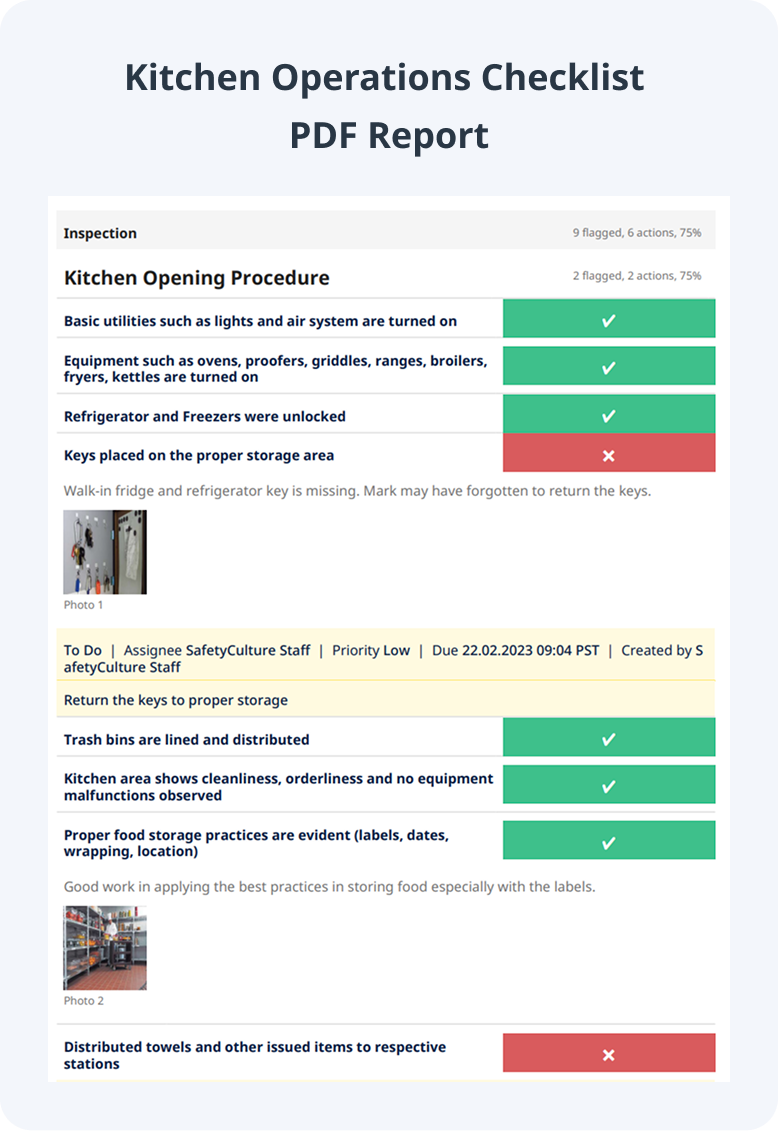
You can start with paper or use an app. Both work if staff follow them.
Options to consider:
- Paper sheets posted at stations for quick checks.
- Digital apps with alerts and timestamped records.
- Thermometer logs printed or digital for calibration records.
- Simple templates that list tasks by zone and shift.
Choose the tool that your team will actually use. That choice determines how well you apply how to use kitchen operations checklist for food safety.
Metrics and continuous improvement
Measure results. Numbers show where to focus improvements. Use small, clear KPIs.
Useful KPIs:
- Number of temperature fails per month.
- Number of corrective actions closed within 24 hours.
- Time to clean critical equipment after service.
- Audit scores over time.
Review KPIs monthly. Use them to update the checklist. This is how to use kitchen operations checklist for food safety to get better every month.
Frequently Asked Questions of how to use kitchen operations checklist for food safety
What should a kitchen operations checklist include?
Include hygiene, time and temperature checks, cleaning schedules, storage rules, and pest control items. Add a space for initials and corrective actions.
How often should temperature logs be recorded?
Record refrigerator temps at least once per shift and hot-holding temps every two hours. Increase frequency for high-risk items.
Can digital checklists replace paper records for inspections?
Yes. Digital checklists with timestamps and backups are accepted by many inspectors. Keep backups and export options ready.
Who should be responsible for the checklist?
Assign a shift leader or designated food safety person to oversee checks. Rotate responsibility to keep all staff engaged and trained.
How do I handle failed checklist items?
Record the failure, take immediate corrective action, and note the fix on the form. Follow up to prevent repeat issues.
Is a checklist enough to prevent foodborne illness?
A checklist is a strong control tool, but it must be paired with training and good culture. Use it with audits and continuous improvement.
Conclusion
A clear, used checklist turns rules into habit. It reduces risk, improves audits, and saves food. Start small. Add core tasks, train your team, and require corrective actions.
Takeaway: implement one short checklist per shift this week. Test it, adjust it, and track results. Share your wins and questions in the comments or subscribe to get more templates and tips on how to use kitchen operations checklist for food safety.