
Most kitchen islands need about 12 inches of overhang for comfortable seating and knee room.
I’ve spent years designing and installing islands and I’ll walk you through exactly how much of an overhang on a kitchen island works best. This guide covers measurements, support rules, ADA notes, materials, common mistakes, and real-world tips to help you design a safe, comfortable island that fits your home.
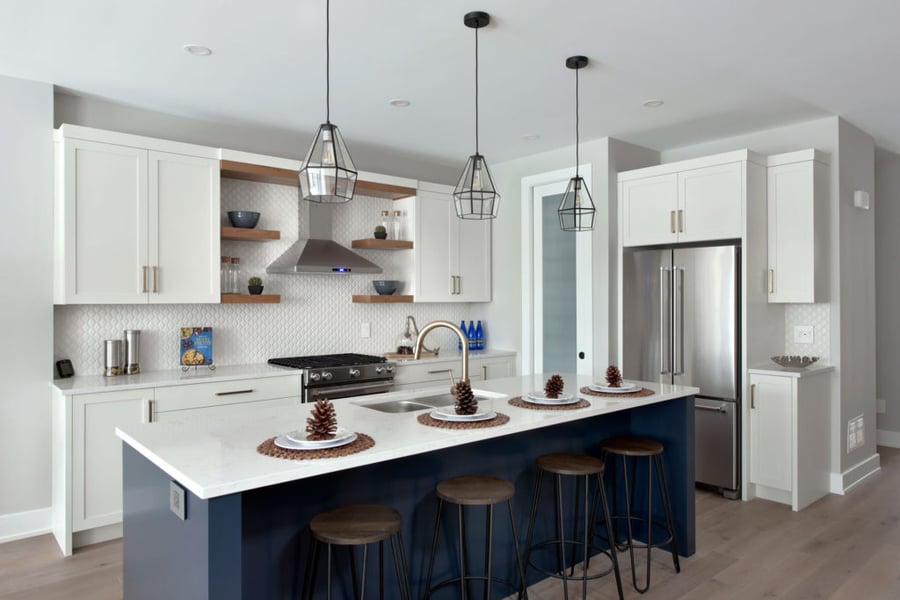
Why the overhang matters
An overhang changes how people sit, eat, and move around the island. It affects comfort, structure, and the look of your kitchen. Too little overhang leaves legs cramped. Too much can lead to sagging or require heavy supports. I’ll explain trade rules and the practical steps to get it right.

Standard overhang dimensions and rules of thumb
Most designers use simple rules for overhang sizing. These help balance comfort and structure.
Seating overhang
- 10 inches gives basic knee clearance for most stools and chairs.
- 12 inches is the common sweet spot for comfortable seating.
- 15 inches gives extra legroom but often needs reinforced support.
Non-seating overhang
- 1 to 6 inches is purely decorative and usually needs no support.
- 6 to 12 inches is a moderate overhang and may need small brackets depending on countertop weight.
- Over 12 inches generally requires substantial structural support.
How to choose
- For casual seating pick 12 inches. For generous comfort aim for 15 inches with support. For tight kitchens 10 inches may be fine. For heavy stone counters, err on the shorter side unless you add reinforcement.
Throughout this article I’ll repeat and clarify why how much of an overhang on a kitchen island matters and where you should invest in supports.

Seating clearance: comfort and spacing
Clearance matters more than style. Think about knees, feet, and stool width.
Key numbers
- Knee clearance depth: 12 inches is typical for counter seating.
- Knee height: 9 to 12 inches of underside clearance often felt comfortable.
- Stools spacing: allow 24 to 30 inches per person at the island.
Practical layout
- If you plan three stools, measure total stool widths plus 6 inches between stools.
- For deeper stools or armrests, add space to your planned overhang.
- Remember legroom under the overhang. A 12-inch overhang leaves space but 15 inches feels roomier.
I always test layout with cardboard cutouts when I renovate. It saves surprises on install day.
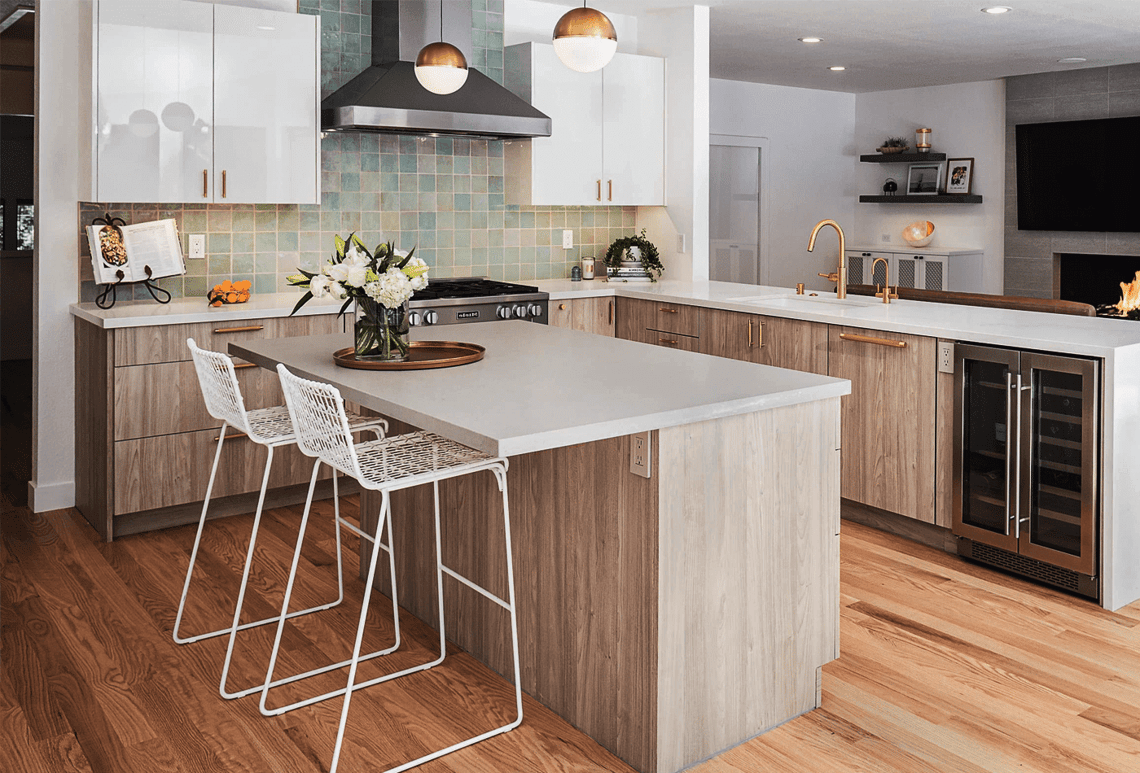
Structural support: how far can an overhang go safely?
How much of an overhang on a kitchen island depends on material and support. Here are general guidelines.
No support
- Up to 6 inches is usually safe without brackets for most materials.
Light support
- 6 to 12 inches often needs small corbels or hidden brackets for heavy stone.
- Cabinets with a strong countertop substrate may handle up to 12 inches.
Heavy support
- Overhangs beyond 12 inches require visible or built-in support:
- Steel brackets mounted to framing
- Corbels that match style
- Turned posts or a built-in leg
- Cantilevered plywood box with internal reinforcement
Material matters
- Solid wood or butcher block can span differently than quartz or granite.
- Thin countertops need additional reinforcement to avoid sagging.
- Always confirm with your countertop fabricator or installer.
I once installed a 15-inch overhang in a rental kitchen without added support and the edge slowly drooped. We corrected it with steel brackets. Learn from that: plan supports early.
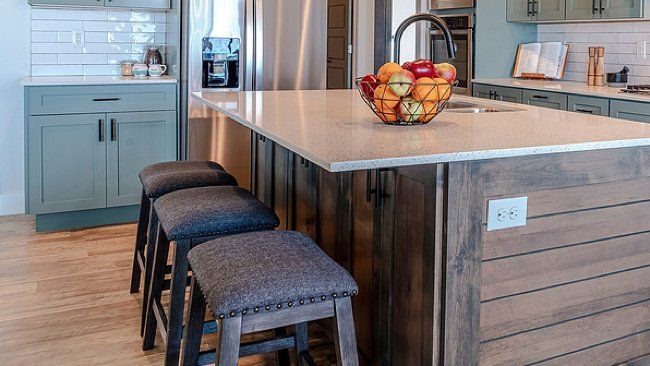
Materials and thickness considerations
Different materials affect the safe overhang length. Pick materials with your overhang in mind.
Common materials
- Granite and quartz: heavy. Limit unsupported overhang to 10–12 inches.
- Solid wood: lighter and stronger in tension; can often go slightly farther.
- Laminate on plywood: lighter but may sag if thin; reinforce if over 10 inches.
- Concrete: heavy and needs dedicated structural support for any overhang past 6 inches.
Thickness tips
- Thicker slabs can cantilever better. A 1 1/4 to 1 1/2 inch stone slab is common.
- If you want a larger overhang, consider adding a plywood substrate or steel plate under the counter to stabilize it.
When in doubt, ask your fabricator what the slab can handle. This protects both your investment and safety.

ADA and safety requirements
If accessibility is a concern, follow these basic standards to help meet ADA-like clearance.
Key ADA dimensions
- Knee clearance height: 27 inches minimum.
- Knee depth: at least 19 inches.
- Knee width: 30 inches clear for one person.
Safety notes
- Round or soften sharp underside edges where knees or shins may hit.
- Avoid unsupported overhangs where children might climb or hang on the edge.
- Heavy overhangs near walkways should have visible support to prevent accidents.
These measures keep the island functional and safer for guests of all ages.
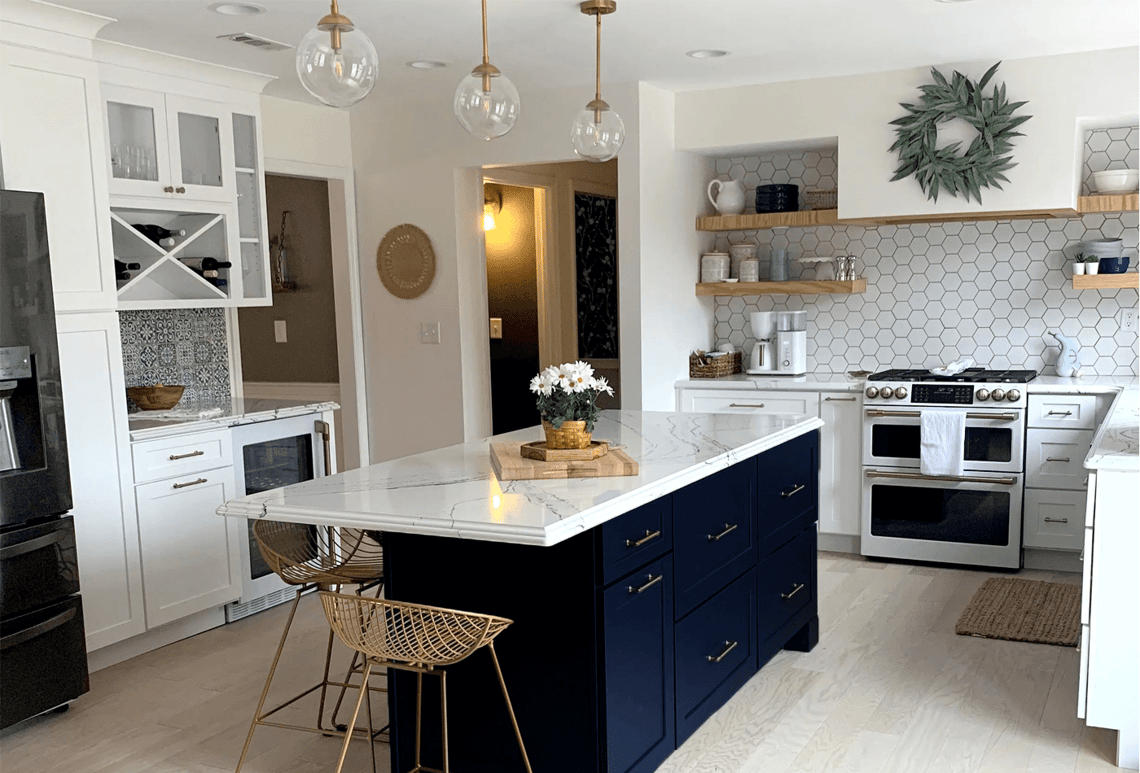
Design tips and common mistakes
Simple design choices make big differences. Here are tips I use on every job.
Smart tips
- Match overhang to stool style. Low back stools need less overhang than stools with arms.
- Consider knee space under the island. A recessed toe kick helps.
- Use consistent heights. Counter and island heights should align with function.
- Test with real stools before finalizing the overhang.
Common mistakes
- Overestimating the strength of a countertop slab.
- Forgetting to measure stool widths and leg spacing.
- Not planning for foot space or toe kick.
- Placing cabinets or doors under the overhang that interfere with knees.
From my experience, a mock-up helps avoid these errors. I set up temporary seating to confirm comfort before cutting the final pieces.

Real-world examples and personal notes
I’ve worked on small apartments and large kitchens. The same rule came up each time: match the overhang to use.
Examples
- Small urban kitchen: 10-inch overhang for two stools. No visible supports. Worked well.
- Family home island: 15-inch overhang for breakfast bar. Added steel brackets hidden under counter. Very sturdy.
- Rental unit: 12-inch granite overhang. Needed corbels to prevent sag after a year.
Lessons learned
- Always verify slab thickness and ask the fabricator about maximum unsupported overhang.
- Install supports tight to framing. Cosmetic only supports don’t help structurally.
- Think about future stool choices. Changing to bulky stools may require more clearance.
These are practical lessons I pass to homeowners. They save time and money.

Quick PAA-style questions (short answers)
What overhang do I need for counter-height stools?
- Aim for 12 inches of overhang for standard counter-height stools to allow comfortable legroom.
Can stone countertops have a large overhang?
- Stone can, but large overhangs usually require metal brackets or a cantilevered substructure to avoid cracking.
How far should an overhang extend for a breakfast bar?
- A breakfast bar commonly uses 12 to 15 inches, with more depth needing stronger support.
Does thickness change safe overhang length?
- Yes. Thicker slabs and reinforced substrates can safely support longer overhangs than thin tops.
Do I need permits for adding supports?
- Structural changes may need a permit in some areas. Check local rules when you alter framing or add heavy loads.
Frequently Asked Questions of how much of an overhang on a kitchen island
How far should an overhang extend for seating?
For most kitchens, 12 inches is ideal for seating. It balances comfort and structural needs for many countertop types.
Can I have a 16-inch overhang without supports?
A 16-inch overhang usually needs robust support, such as steel brackets or a reinforced frame. Unsupported spans that long often sag over time.
What is the minimum overhang for stools?
A 10-inch overhang can work for stools if space is tight, but it may feel snug for larger adults. Test stools first.
How does countertop material affect overhang length?
Heavy materials like granite or quartz need shorter unsupported overhangs than wood or laminate. Fabricators can give limits for each material.
Do ADA rules affect overhang design?
Yes. ADA-style requirements call for specific knee height and depth. Aim for 27 inches of knee height and about 19 inches of knee depth for accessible seating.
Final thoughts and next steps
Choose an overhang that fits how you live. For most kitchens, 12 inches is the practical default. If you want more comfort or a dramatic look, plan supports and confirm slab limits with your fabricator. Test stool placement before final cuts. Take action: measure your space, pick stool models, and consult your countertop pro to finalize the overhang that fits your needs. If you found this helpful, consider leaving a comment or subscribing for more design and renovation tips.