
Replace the worn cartridge or seals, clean debris, and reassemble to stop most single-handle faucet leaks.
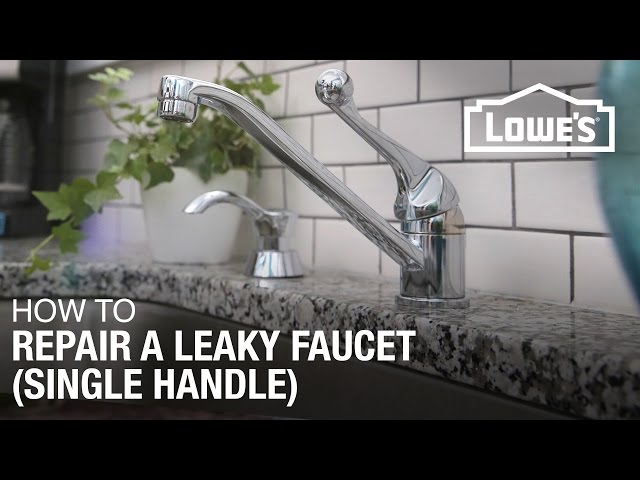
I’ve repaired dozens of kitchen faucets over the years, so I know the frustration of a steady drip. This guide shows step-by-step how to fix leaky single handle kitchen faucet with clear parts lists, common causes, simple fixes, and tips to avoid repeat leaks. Read on for hands-on instructions you can follow today, whether you’re handy or a cautious beginner.
:max_bytes(150000):strip_icc()/repairing-a-single-handle-disk-faucet-1824878-hero-b3daee9af5174d8f9b9cb4a2582e7140.jpg)
Why single-handle faucets leak and how to diagnose the issue
Single-handle faucets leak for a few predictable reasons. Worn rubber seals and o-rings fail first. Mineral buildup and debris can stop the valve from sealing. A damaged cartridge or loose parts cause drips at the spout or handle. Knowing which problem you have makes repair quick and effective.
Quick checks to diagnose a leaky single-handle kitchen faucet:
- Check if water drips from the spout when the handle is fully off.
- Move the handle and feel for stiffness or rough movement; grit means buildup.
- Inspect around the handle for water pooling, which signals worn o-rings.
- Turn off cold and hot separately (if possible) to see if one side leaks more.
Understanding the likely cause helps you decide whether to replace seals, clean parts, or swap the cartridge. I often start with the simplest fix: cleaning and replacing inexpensive seals.

Tools and parts you’ll need before you start
Having the right tools saves time and prevents damage. For how to fix leaky single handle kitchen faucet you’ll usually need these common items.
Essential tools and parts:
- Adjustable wrench or basin wrench for tight nuts.
- Phillips and flathead screwdrivers.
- Hex (Allen) key set for handle setscrews.
- Needle-nose pliers and an old toothbrush for cleaning.
- Replacement cartridge or ball assembly, plus o-rings and seats (model-specific).
- Plumber’s grease and plumber’s tape for reassembly.
- Towels and a bucket to catch water.
Tip: Turn off the water shutoffs under the sink and open the faucet to release pressure before you start. I keep parts in a small tray to avoid losing screws.
/repairing-a-single-handle-disk-faucet-1824878-06-443e3063ba28420abd54f6e932c0fd6f.jpg)
Step-by-step: how to fix leaky single handle kitchen faucet
Follow these clear steps. I write each step so even first-timers can follow.
- Turn off water and prepare the work area
- Close the sink drain or use a sink strainer to stop small parts from falling in.
- Turn off the hot and cold shutoff valves under the sink.
- Open the faucet to drain remaining water.
- Remove the handle
- Locate and remove the handle set screw, often under a decorative cap or at the handle base.
- Lift off the handle and note any spacers or washers.
- Take off the trim and access the cartridge
- Remove any decorative trim or bonnet nut using an adjustable wrench.
- Keep track of the order of parts as you remove them.
- Inspect and remove the cartridge or ball assembly
- Pull the cartridge straight out. If it’s stuck, gently wiggle while pulling.
- Inspect the cartridge, seats, and springs for wear or mineral buildup.
- Clean or replace worn parts
- Clean mineral deposits with white vinegar and an old toothbrush.
- Replace damaged o-rings, seats, and the cartridge if worn or cracked.
- Apply a thin layer of plumber’s grease to o-rings before reassembly.
- Reassemble and test
- Reinstall the cartridge and trim in the reverse order.
- Tighten nuts snugly but don’t overtighten.
- Turn the shutoff valves back on and test for leaks by moving the handle through hot and cold positions.
If the leak stops, you’re done. If not, the cartridge likely needs full replacement or the valve body may be damaged. In my experience, replacing the cartridge solves about 80% of single-handle faucet leaks.

Common problems and targeted fixes
Here are the typical leak locations and how to address them.
Leaking from the spout
- Cause: Worn cartridge or seat.
- Fix: Replace cartridge and seats. Clean out mineral deposits.
Leak at the base of the handle
- Cause: Damaged o-rings or loose bonnet nut.
- Fix: Replace o-rings and tighten bonnet nut to spec.
Handle hard to move
- Cause: Mineral buildup or old grease.
- Fix: Clean parts and apply plumber’s grease.
Intermittent drip after repair
- Cause: Debris stuck or seat not fully seated.
- Fix: Remove cartridge and flush the valve body, then reinstall carefully.
I once replaced only the o-rings and later needed to swap the cartridge. Lesson: if parts are old and brittle, replace the cartridge too. It saves time and stops repeat calls.

Maintenance tips to prevent future leaks
A little care keeps your faucet working longer. These simple habits reduce the chance you’ll ask how to fix leaky single handle kitchen faucet again.
Easy maintenance tasks:
- Wipe the faucet dry after heavy use to limit mineral buildup.
- Run a vinegar soak on aerators and screens every few months to remove scale.
- Apply a small amount of plumber’s grease to moving parts annually.
- Replace worn seals at the first sign of leakage.
Plan a quick check every six months. I set a reminder and inspect o-rings and the aerator. It takes minutes and avoids hours of work later.

Cost and time estimates
Knowing cost and time helps you decide whether to DIY or call a pro.
Typical DIY time
- 30 to 90 minutes for most fixes, depending on experience and model.
Typical cost
- Replacement cartridge: $15–$90, depending on brand.
- O-rings, seats, and small parts: $5–$20.
- Professional labor: $75–$200 if you hire a plumber.
If you’re comfortable with basic tools, DIY is cost effective. If your faucet is under warranty, check manufacturer support before replacing parts.
:max_bytes(150000):strip_icc()/repairing-a-single-handle-disk-faucet-1824878-hero-b3daee9af5174d8f9b9cb4a2582e7140.jpg)
When to call a pro
Call a plumber if you find any of these:
- The valve body is cracked or corroded.
- Water continues to leak after replacing the cartridge.
- You don’t have shutoff valves or there is active flooding.
- The repair requires modifying plumbing or soldering.
A pro will diagnose hidden issues and ensure a safe, lasting repair. If you feel unsure at any point, stop and call for help.
People also ask
How long does a cartridge last in a faucet?
Most cartridges last 5 to 10 years. Hard water and heavy use shorten that lifespan.
Can I clean a cartridge instead of replacing it?
You can clean light mineral buildup, but if seals are cracked or the cartridge is worn, replacement is better.
Will plumber’s grease fix a leak?
Plumber’s grease helps seals move and seat properly, but it won’t fix broken or hardened rubber parts.
Is it hard to replace the cartridge myself?
If you follow the model-specific steps, replacing a cartridge is usually straightforward and takes under an hour.
Do all single-handle faucets use the same cartridge?
No. Cartridges vary by brand and model, so match the part number or bring the old cartridge to the store.
:max_bytes(150000):strip_icc()/repairing-a-single-handle-disk-faucet-1824878-02-295d04a3b7b043c2869dfdcf1c8d7f7a.jpg)
Frequently Asked Questions of how to fix leaky single handle kitchen faucet
How do I know if the cartridge is the problem?
If the faucet drips from the spout when off and the handle feels smooth but leaks, the cartridge is likely worn. Remove and inspect it for cracks or worn seals.
Can I use generic parts to fix my faucet?
Generic parts sometimes work, but OEM cartridges fit best. If you use generic parts, ensure they list compatibility with your faucet model.
How do I remove a stuck cartridge?
Apply gentle penetrating oil around the cartridge base and let it sit. Use pliers with a cloth to protect the finish and pull straight out while wiggling gently.
What if water leaks under the sink after repair?
Check that supply lines and shutoff valves are tight. If the faucet body or supply fittings are cracked, you may need a plumber.
Is it safe to use vinegar to clean faucet parts?
Yes, white vinegar dissolves mineral deposits. Soak parts briefly and rinse thoroughly. Avoid prolonged soaking on brass or plated finishes.
How often should I replace o-rings?
Replace o-rings every 3 to 5 years or at the first sign of wear. Keeping fresh o-rings reduces leaks and makes the handle feel smooth.
Can hard water cause faucet leaks?
Yes, mineral buildup from hard water wears seals and restricts valves. Regular cleaning helps prevent leaks and poor flow.
Do faucets have warranties that cover leaks?
Many faucets have manufacturer warranties. Check your paperwork or the brand’s site before replacing parts to see if you qualify for a free repair.
Conclusion
Fixing a leaky single-handle kitchen faucet is usually straightforward with the right tools, the correct replacement parts, and a clear step-by-step plan. Replace worn o-rings and the cartridge, clean mineral deposits, and test carefully to stop most leaks. If you run into stubborn damage or complex plumbing, a licensed plumber can help. Try the steps today, share your results, or ask a question below — your next faucet repair might be easier than you think.