
A pressure cooker cooks food quickly by trapping steam to raise temperature and speed cooking.
I have used pressure cookers for years and taught friends and family how to get comfortable with them. This guide on How to use a pressure cooker for beginners explains the basics, safety steps, real tips, and simple recipes so you can start cooking faster and safer today. Read on to learn clear, tested steps and avoid the typical beginner mistakes.

How to use a pressure cooker for beginners: how it works and why it helps
A pressure cooker uses steam trapped in a sealed pot to raise the pressure and boiling point of water. That higher temperature cooks food faster and breaks down tough fibers in beans and meats. Learning How to use a pressure cooker for beginners means understanding steam, pressure, and time so meals turn out tender and flavorful.
Parts, types, and safety basics for How to use a pressure cooker for beginners
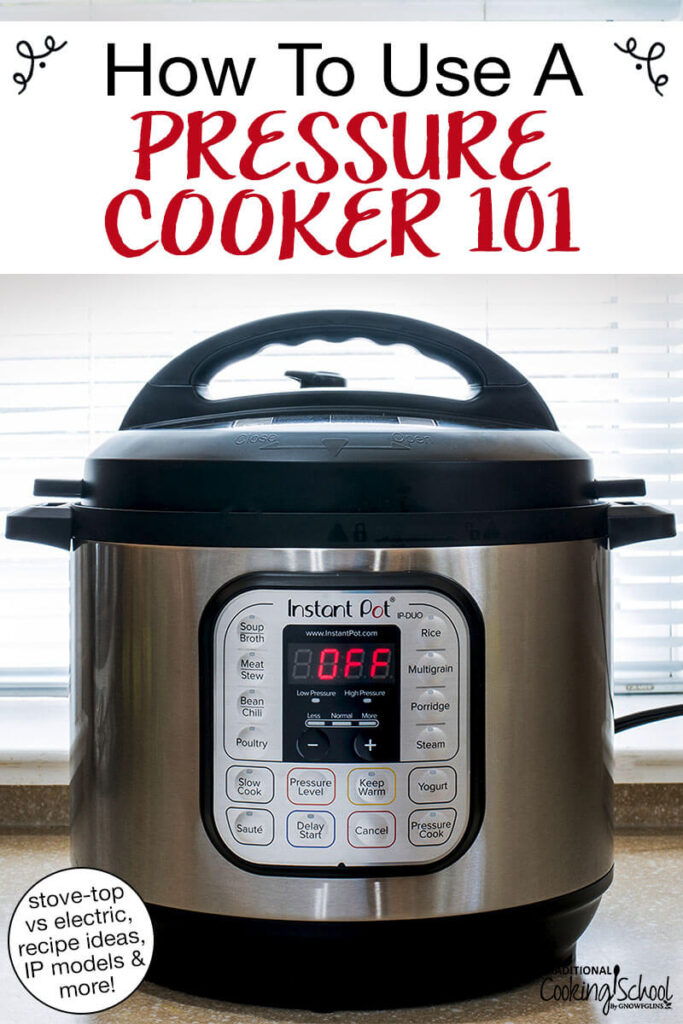
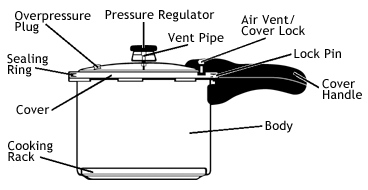
Know the main parts before you start.
- Inner pot: where food and liquid go.
- Lid and sealing ring: creates the airtight seal.
- Pressure valve/weight: controls pressure escape.
- Safety valve: backup release in case of excess pressure.
- Handle and lock: ensures the lid stays secure.
Types to pick from: stovetop and electric. Stovetop units reach higher pressure and cook slightly faster. Electric multicookers are easier for beginners because they have preset programs and automatic pressure control.
Safety basics every beginner should follow:
- Use enough liquid; pressure needs steam.
- Do not overfill; keep solids below two-thirds full and foamy foods below half.
- Check the gasket and valves before each use.
- Keep face and hands away from the steam release.
If you want confidence, practice with water first. I did three water tests when I bought my first cooker. That simple test helped me trust the sounds and timing.
Step-by-step: How to use a pressure cooker for beginners
Follow these clear steps the first few times:
- Prep ingredients and measure liquid. Pressure needs liquid to make steam.
- Add food and the required liquid to the pot. Common minimum is 1 cup for electric cookers and 1–2 cups for stovetop.
- Close the lid and lock it. Ensure the sealing ring is in place and clean.
- Set the pressure valve or program. For stovetop, bring to high heat until pressure is reached, then lower heat to maintain. For electric, choose the correct program.
- Start timing when the cooker reaches full pressure. Time varies by recipe.
- Release pressure: use natural release for meats and soups, quick release for vegetables and delicate foods. Always follow the recipe’s recommended release method.
- Open the lid away from your face after pressure drops and the lock disengages.
My tip: write down one or two go-to recipes and practice them. I learned fast by making the same chicken and rice recipe three times. It helped me notice how long natural release takes and when textures are right.
Common cooking methods, times, and conversions for How to use a pressure cooker for beginners
Times vary by model and cut, but these are reliable starting points for pressure cooking:
- White rice: 3–6 minutes at high pressure, quick release.
- Brown rice: 20–22 minutes at high pressure, 10-minute natural release.
- Dried beans (soaked): 8–10 minutes at high pressure, natural release.
- Dried beans (unsoaked): 25–30 minutes at high pressure, natural release.
- Chicken breasts: 6–8 minutes at high pressure, quick or 5-minute natural release.
- Bone-in chicken: 10–12 minutes at high pressure, 10-minute natural release.
- Potatoes (whole small): 10–12 minutes at high pressure, quick release.
- Beef stew meat: 20–25 minutes at high pressure, 10–15 minute natural release.
Conversion tips:
- Reduce stovetop heat once full pressure is reached to maintain steady pressure.
- If your recipe was written for slow cookers, reduce time by about two-thirds when using a pressure cooker.
- Use at least the minimum liquid recommended by your cooker’s manual.
These time ranges will help anyone learning How to use a pressure cooker for beginners feel more certain about timing and texture.
Simple beginner recipes to practice How to use a pressure cooker for beginners
Try these easy recipes to build confidence.
Chicken and rice (serves 4)
- Ingredients: 1 cup rice, 1.5 cups broth, 1 lb boneless chicken, salt, pepper, seasoning.
- Method: Sear chicken (optional), add rice and broth, lock lid, cook 6 minutes at high pressure, natural release 5 minutes.
Steel-cut oats (serves 2–3)
- Ingredients: 1 cup oats, 3 cups water or milk, pinch salt.
- Method: Combine, lock lid, cook 4 minutes at high pressure, natural release 10 minutes.
Simple beans (soaked)
- Ingredients: 2 cups soaked beans, 4 cups water, salt to taste.
- Method: Add beans and water, cook 8–10 minutes at high pressure, natural release.
Keep notes on timing and seasoning. I adjust the seasonings after cooking, not before. That practice helped me avoid over-salting when pressure concentrates flavors.
Cleaning, maintenance, and storage tips for How to use a pressure cooker for beginners
Clean your cooker after each use.
- Unplug and cool down for electric units.
- Remove the sealing ring and wash it separately.
- Check and clean the pressure valve and safety vent to keep them clear.
- Wipe the lid and pot with warm, soapy water and dry fully.
Maintenance checks:
- Replace the sealing ring every 12–18 months or when it gets stretched or cracked.
- Test the safety valve occasionally by following the manual’s guidance.
- Store with the lid upside down on the pot or with the ring removed to let air circulate.
I once forgot to clean the steam vent and learned the hard way. A small clog can delay pressure release and cause sputtering. Cleaning prevented that from happening again.
Troubleshooting common problems when learning How to use a pressure cooker for beginners
Problem: Cooker won’t reach pressure.
- Check that the sealing ring is seated and that there is enough liquid. Replace a damaged ring.
Problem: Loud hissing or sputtering steam.
- The pressure valve might not be seated or you may be overfilled. Reduce heat and check seals.
Problem: Food is undercooked.
- Increase cook time in small increments and use natural release for tough cuts. Check model-specific time charts.
Problem: Burn notice on electric cooker.
- There may be little to no liquid or a thick sauce is stuck to the bottom. Add liquid and deglaze before cooking.
Quick question: Do I need to brown meat first?
- Browning adds flavor but is optional. It helps create a richer sauce and better texture.
Quick question: Can I open the lid while it’s pressurized?
- Never open while pressurized. Always wait for pressure to drop and the lock to release.

Frequently Asked Questions of How to use a pressure cooker for beginners
What safety checks should I do before each use?
Inspect the sealing ring, valve, and vent for debris or damage. Make sure the lid locks properly and there is the minimum required liquid.
Can I cook frozen meat in a pressure cooker?
Yes, you can cook frozen meat, but add a few extra minutes to the cooking time and use natural release for best texture. Ensure meat reaches a safe internal temperature after cooking.
How much liquid do I need in a pressure cooker?
Most recipes need at least 1 cup of liquid for electric units or 1–2 cups for stovetop. Check your manual for minimums and use broth for flavor when possible.
What is natural release vs quick release?
Natural release means letting the cooker sit until pressure falls on its own, which finishes cooking gently. Quick release means opening the valve to let steam escape fast; use it for delicate foods.
How often should I replace the sealing ring?
Replace the sealing ring every 12–18 months or sooner if it stretches, cracks, or holds odors. A bad ring can prevent pressure from forming and affect safety.
Is a pressure cooker safe for canning?
Not all pressure cookers are approved for canning. Use only a pressure canner certified for home canning to reach and maintain the needed pressure safely.
Conclusion
Learning How to use a pressure cooker for beginners is simple with the right steps, safety checks, and a few practice runs. Start with water tests, then try a couple of easy recipes like chicken and rice or steel-cut oats, and keep notes on timing. With practice you will save time, reduce energy use, and enjoy tender, flavorful meals — so give it a try, leave a comment about your first meal, and subscribe for more easy cooking tips.