Yes — you can cook pasta in a rice cooker easily with the right water, timing, and care.
I’ve tested rice cookers for years, and I often use them to make quick pasta when a stovetop isn’t handy. This guide explains how and why you can cook pasta in a rice cooker, with clear steps, smart tips, and real-life notes from my kitchen tests. Read on to learn practical methods, common pitfalls, and tasty one-pot ideas that make rice cooker pasta a useful skill.
How rice cookers work
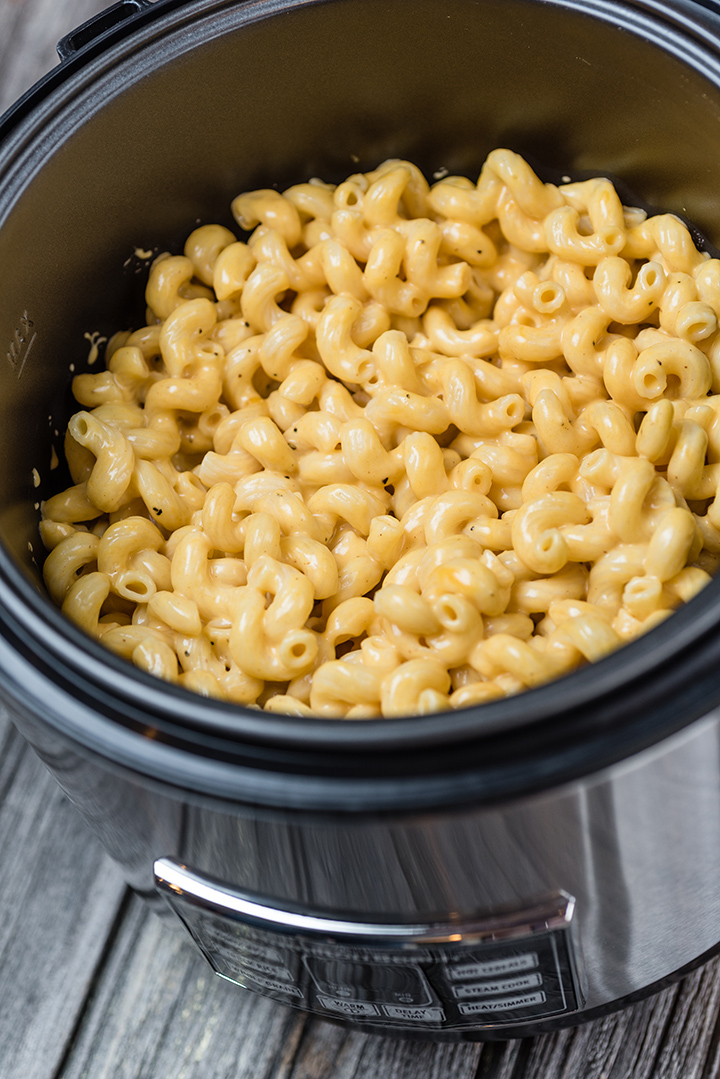
A rice cooker heats a pot with an element below. It brings water to a boil, then keeps heat steady or switches to “warm” when the rice is done. Many modern rice cookers have a simple on/off switch or a fuzzy-logic control that adjusts temperature and time.
These features let rice cookers boil and hold water, which is enough to cook pasta. The main limits are pot depth, heat control, and overflow risks with starchy water. Knowing how your model behaves helps you cook pasta well.
Can you cook pasta in a rice cooker?
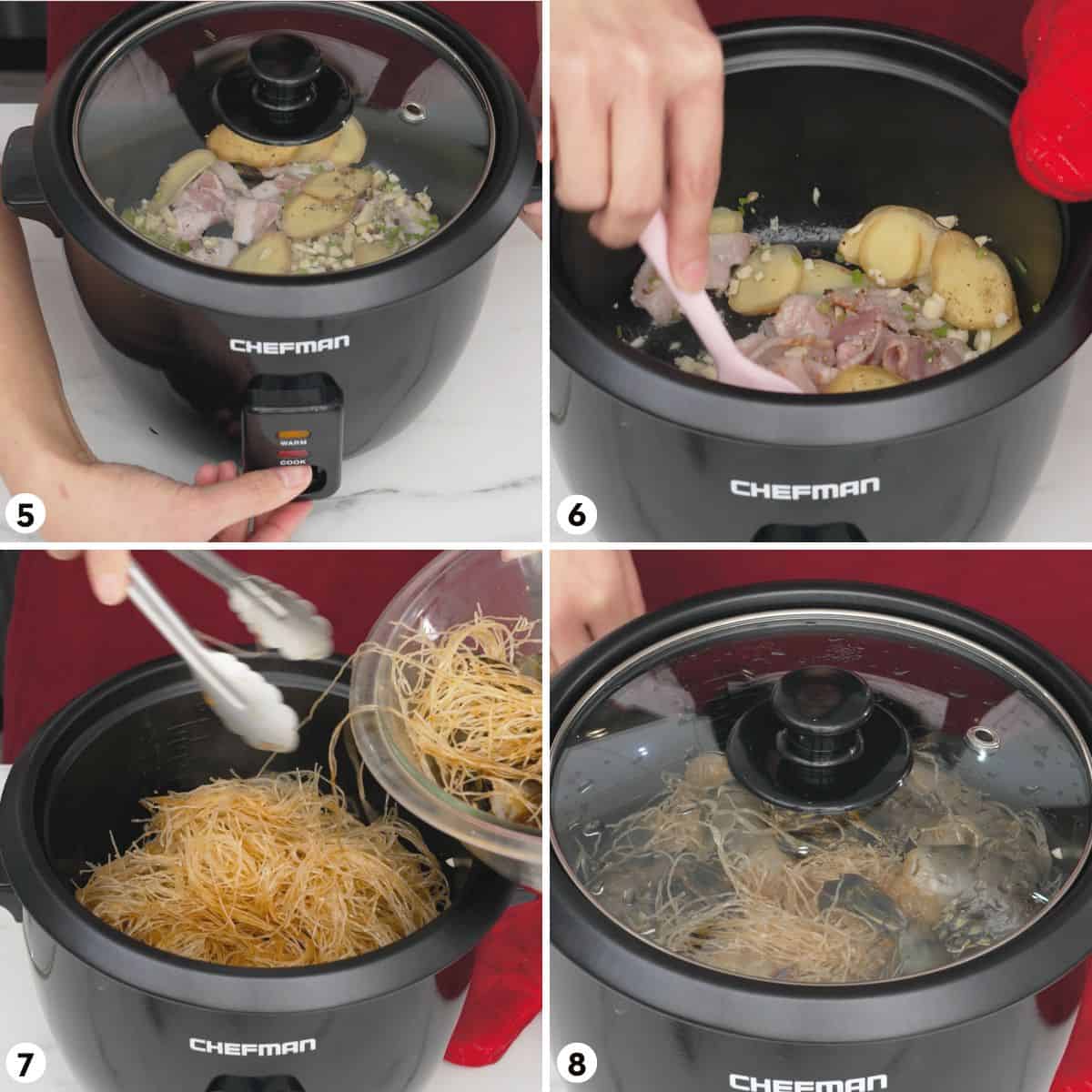
Yes. Can you cook pasta in a rice cooker? Absolutely. A rice cooker can boil and simmer pasta until it is tender. The method is similar to stovetop cooking but needs small tweaks for water ratio, stirring, and timing.
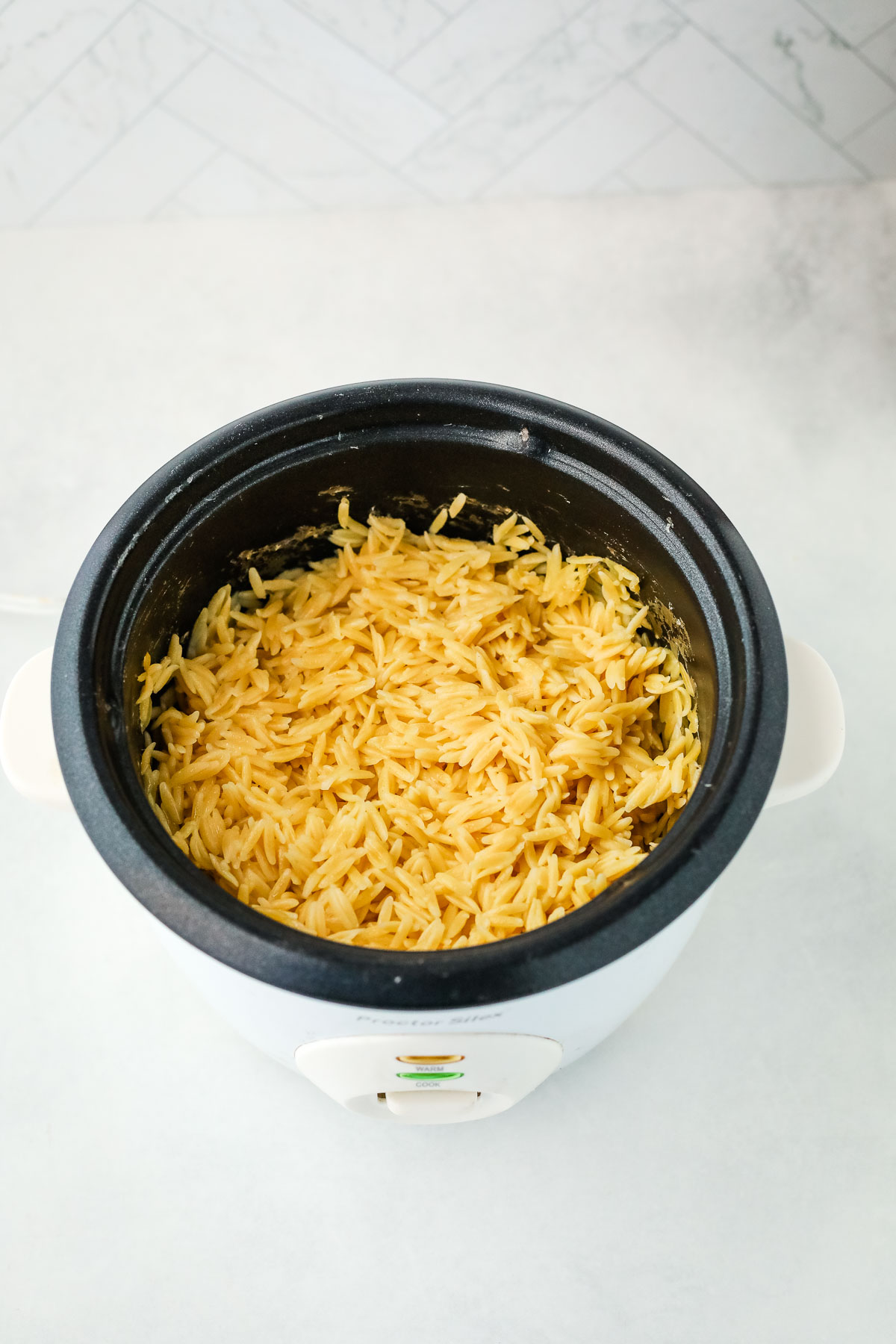
You can cook short pasta, broken long pasta, fresh pasta, and even some filled pastas in a rice cooker. Cooking times match package times closely, but you should check early and stir once or twice. If you want a quick one-pot meal, you can also simmer sauce with the pasta in the same pot.
Step-by-step: Basic method to cook dried pasta in a rice cooker
Follow these simple steps to cook pasta in a rice cooker.
- Measure pasta and water.
- Use about 4 cups (1 liter) water per 8 ounces (225 g) of dried pasta for most basic pots. Adjust if your cooker is small.
- Preheat and add pasta.
- Pour water into the rice cooker pot and bring it to a boil using the cooker’s cook setting. Add a pinch of salt.
- Add pasta and stir.
- Add the pasta. Stir to separate pieces. Close the lid and let it cook.
- Check, stir, and time.
- Check after 6–8 minutes for al dente. Stir gently every 3–5 minutes to avoid clumping and to reduce foam.
- Drain or finish with sauce.
- When pasta is done, drain excess water or use it to finish a sauce. Serve immediately.
Tips for timing
- Thicker pasta takes longer. Use package times as a guide. Test a piece 1–2 minutes before the lower bound.

One-pot pasta and sauce in a rice cooker
One-pot meals are perfect for a rice cooker. You can cook pasta directly with sauce ingredients for less cleanup.
Simple tomato one-pot
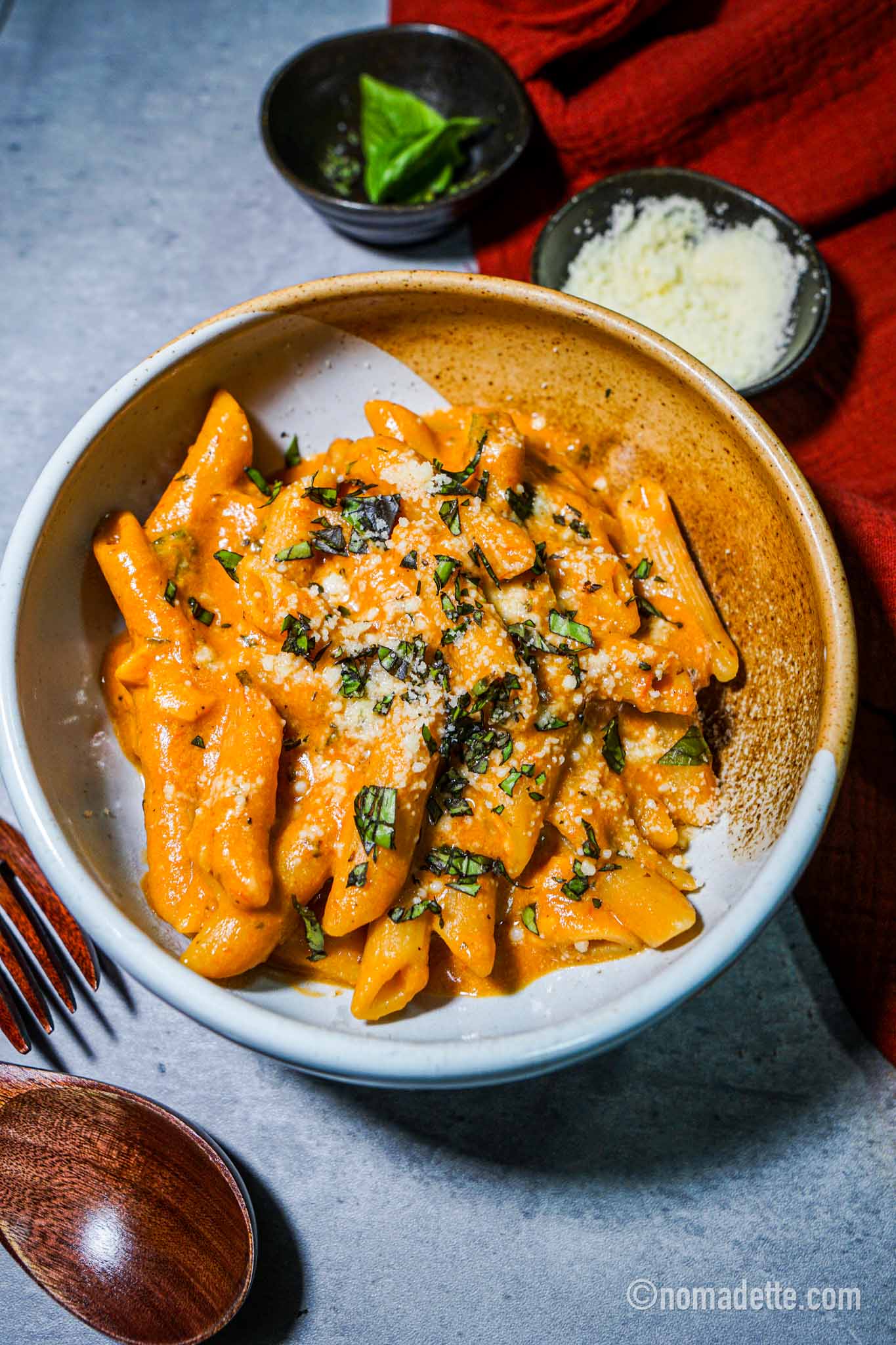
- Add crushed tomatoes, water, garlic, olive oil, salt, and pasta. Use a little less water than normal so sauce thickens as pasta cooks.
- Stir often and switch to warm when pasta is tender.
Creamy mushroom option
- Sauté mushrooms and onions in the rice cooker if your model allows sautéing, or add pre-cooked sautéed vegetables.
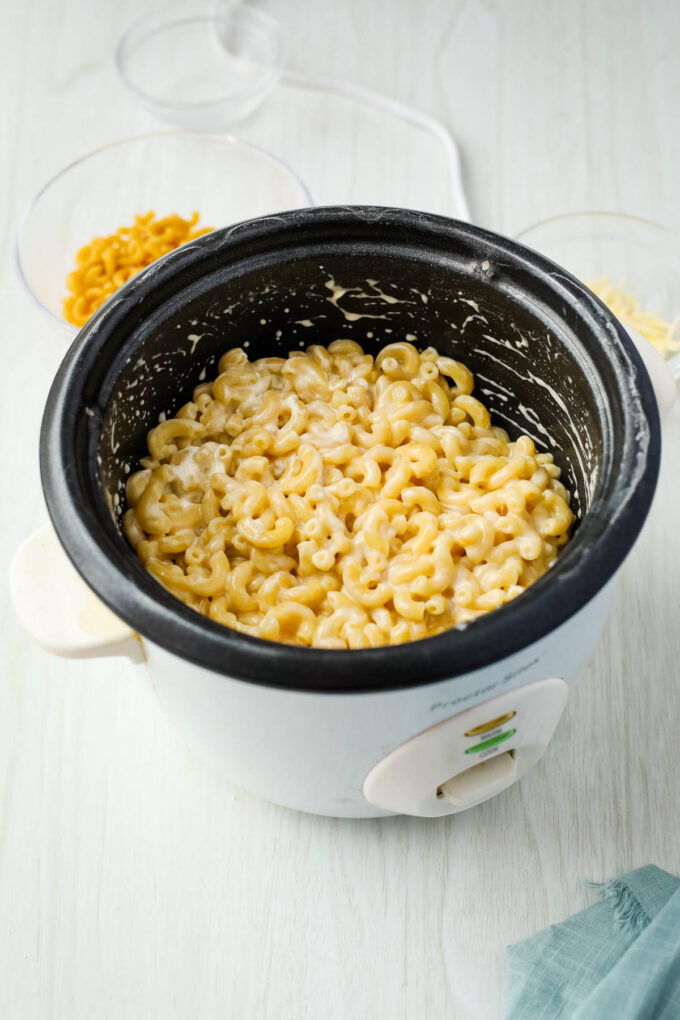
- Add pasta, stock, and cream. Stir and cook until pasta is done.
Timing and texture
- One-pot pasta often needs more stirring. Expect 1–3 extra minutes compared to plain boiling. The starch in the pan will help thicken sauces, giving a silky finish if you reserve and add a bit of cooking water.

Types of pasta and adjustments
Short shapes
- Penne, fusilli, farfalle cook well with even heat. Use standard water ratios and test a minute early.
Long pasta
- Spaghetti and linguine work if you break them to fit, or push them down as water softens them. Stir carefully to avoid splashing.
Fresh pasta
- Fresh pasta cooks fast, often in 1–3 minutes. Reduce water and check early to avoid overcooking.
Gluten-free pasta
- Often softer and prone to falling apart. Cook gently and check texture often.
Filled pasta
- Ravioli and tortellini can be cooked in a rice cooker. Use gentle simmer and test carefully to avoid bursting.

Tips, troubleshooting, and safety
Prevent boil-over
- Use enough space in the pot and stir to break foam. Lower the heat or switch to warm if foam rises.
Avoid too-starchy water
- Rinse pasta only if making a cold salad. For hot dishes, reserve a small cup of pasta water before draining to adjust sauce texture.
Watch power cycles
- Simple rice cookers switch to warm after a short time. Restart cook mode if pasta needs more time. Fuzzy-logic models may need manual override.
Cleaning and safety
- Let the pot cool before washing. Starch can cling to the inner pot, so soak briefly for easy cleaning. Never submerge a cooker base.
Benefits and limitations
Benefits
- Saves stovetop space and energy. Makes one-pot meals and hands-off cooking easier. Great for dorms, travel, or small kitchens.
Limitations
- Some rice cookers have weak heat control, so pasta can be uneven. Small pots limit batch size. Watch for overflow with starchy water.
When to use a rice cooker
- Use it for convenience, small meals, or when a stove isn’t available. Use a pot or stovetop for large batches or when precise control is key.

Personal experience and real-life tests
I cook pasta in a rice cooker at least once a week when I need a quick meal. Early on, I made two mistakes: using too little water and leaving the lid closed without stirring. Both caused clumping and overflow. After a few trials I learned to add a bit more water, stir often, and reserve cooking water for sauces.
I tested three models: basic on/off, a multi-cooker, and a fuzzy-logic cooker. The multi-cooker gave the most consistent results. The basic model worked fine for short pasta if I watched it closely. My favorite is making a creamy garlic pasta: toss cooked pasta with reserved water, butter, and parmesan, and the result is rich and fast.
Lessons learned
- Always test pasta early. Stir regularly. Keep heat control in mind. These simple steps make cooking pasta in a rice cooker reliable and tasty.
Frequently Asked Questions of Can you cook pasta in a rice cooker
Can you cook pasta in a rice cooker without breaking long pasta?
Yes. You can break long pasta or push it down as it softens. Stir to help it submerge and cook evenly.
How much water do you need to cook pasta in a rice cooker?
Use about 4 cups water per 8 ounces (225 g) of dried pasta as a starting point, and adjust for pot size and shape. Add a little less water for one-pot sauce so it can thicken.
Will pasta stick to the rice cooker?
Pasta can stick if not stirred or if the cooker runs too hot. Stir every few minutes and add a splash of oil or butter after cooking to reduce sticking.
Can you make one-pot pasta sauce in a rice cooker?
Yes. Add sauce ingredients with pasta and a bit less water. Stir often and finish with reserved pasta water or cheese for creaminess.
Is it safe to cook pasta in an electric rice cooker?
Yes. It is safe if you follow the cooker’s instructions and avoid overfilling. Watch for boil-over and never leave a small, unattended cooker on a risky surface.
Conclusion
Cooking pasta in a rice cooker is practical, safe, and often delicious when you follow a few simple rules. With the right water ratio, regular stirring, and timing checks, you can make plain pasta, one-pot sauces, and quick meals without a stove. Try a small batch first, note how your cooker performs, and tweak water and time to match your model. If this guide helped, try a rice-cooker pasta recipe today, leave a comment with your results, or subscribe for more easy kitchen tips.