Use about 1 to 1.5 cups of water per cup of white rice; brown rice needs 1.25 to 2 cups.
I have cooked rice in cheap stovetops and top-of-the-line rice cookers for years. I know how much water to use in a rice cooker for jasmine, basmati, sushi, and brown rice. This guide shows clear rules, real tests, and simple tips so you get perfect rice every time. Read on to learn how to measure water, tweak for texture, and fix common problems with confidence.
Why the water-to-rice ratio matters
How much water to use in a rice cooker controls texture, stickiness, and doneness. Too little water makes rice hard and undercooked. Too much water makes rice mushy or gummy. The right ratio creates fluffy, separate grains or soft, sticky rice depending on your goal.
Water also affects flavor and safety. Rice absorbs and swells. The steam cooks the inside evenly. Knowing how much water to use in a rice cooker helps you repeat good results.
Standard water-to-rice ratios by rice type
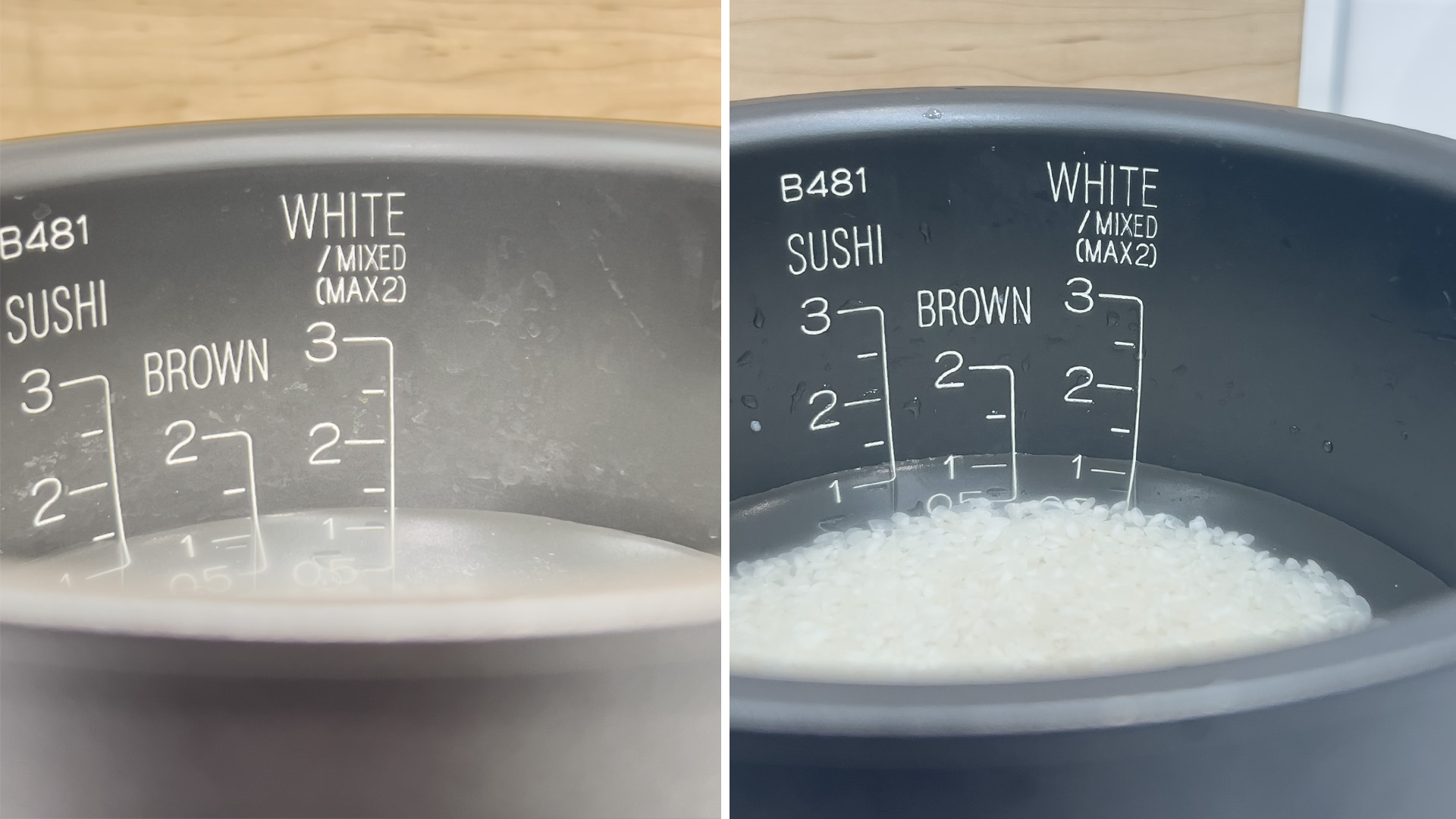
Different rice types need different water. Here are easy baseline ratios you can trust when deciding how much water to use in a rice cooker.
- White long-grain rice (jasmine, basmati): Use 1 to 1.25 cups water per 1 cup rice.
- Short-grain white rice (sushi): Use 1.1 to 1.2 cups water per 1 cup rice.
- Brown rice (short or long): Use 1.5 to 2 cups water per 1 cup rice.
- Parboiled rice: Use 1.25 to 1.5 cups water per 1 cup rice.
- Wild rice or blends: Use 2 to 2.5 cups water per 1 cup rice.
These are starting points. You can tweak based on your rice cooker and taste. When you ask how much water to use in a rice cooker, start here and adjust by small amounts next time.
:max_bytes(150000):strip_icc()/how-to-use-your-rice-cooker-482851-Step_2-5bacdcc446e0fb0025b03c16.jpg)
How to measure rice and water for consistent results
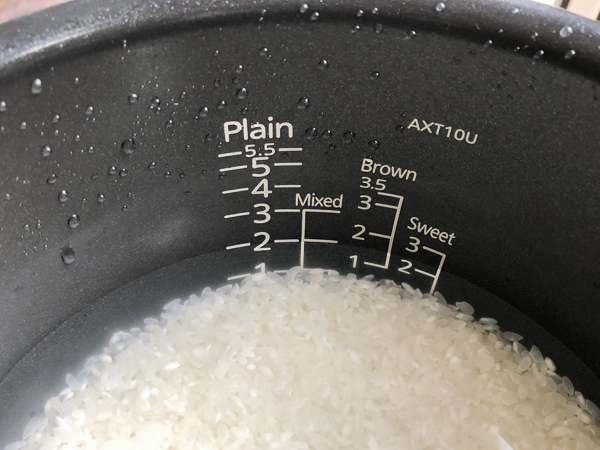
Consistency comes from two steps: measure rice, then measure water. Use a dry cup measure for rice. Use the same cup to measure water, or use a kitchen scale.
- Measure rice with a standard cup.
- Rinse rice unless you want very sticky rice. Rinsing removes surface starch.
- Add water according to the ratio you chose.
- For precision, use grams: 1 cup white rice ≈ 185 g; water weight equals the cup-based ratio times rice weight.
When you learn how much water to use in a rice cooker by weight, your results become precise. I like weighing rice for a consistent yield when cooking for guests.
Adjusting water for rice cooker types and capacity
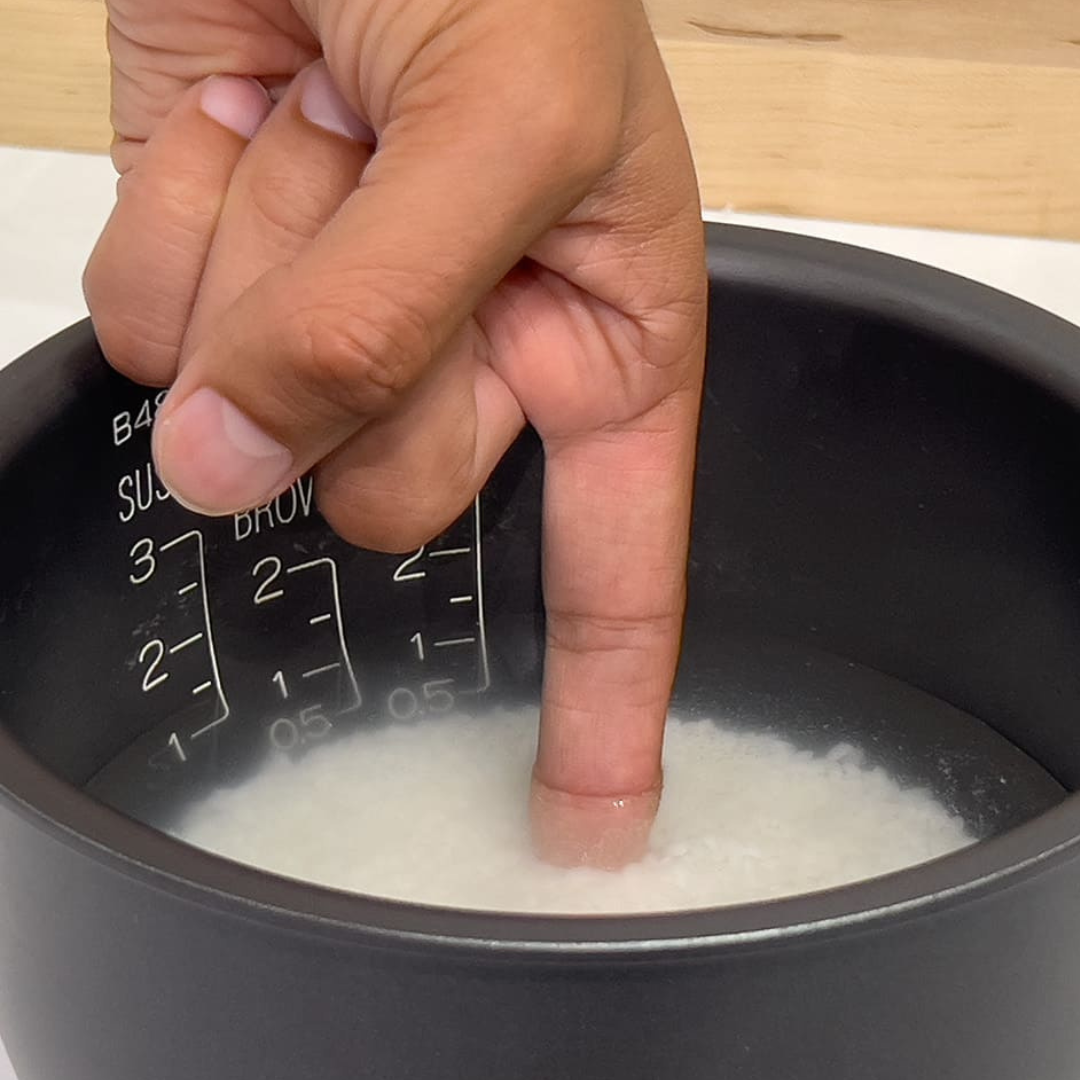
Rice cookers vary. Some have fuzzy-logic sensors or multi-menu settings. Basic cookers use a fixed heat cycle. The type affects how much water to use in a rice cooker.
- Basic cooker: Stick close to the standard ratios.
- Fuzzy-logic or smart cooker: Follow the appliance manual and then tweak by 5-10% if needed.
- Large-capacity cooker: Slightly increase water when cooking large batches. Add about 1 to 2 tablespoons extra water per additional cup.
- Microwave or instant pot: Follow appliance-specific ratios. They differ from stovetop cooker values.
If your rice cooker steams off a lot of water, add a bit more. If it leaves water on top of cooked rice, reduce water slightly next time. This trial-and-adjust approach clarifies how much water to use in a rice cooker for your setup.

Altitude, soak time, and rinsing — small changes that matter
Altitude and prep change how rice cooks. At higher altitudes, water boils at a lower temperature. So you may need more water or a longer cook time.
- High altitude: Add 1 to 2 tablespoons more water per cup.
- Soaking brown rice: Soak 30 minutes to an hour to cut water needs and cooking time. Soaked brown rice may need 10-15% less water.
- Rinsing rice: Rinse until water runs clear for less surface starch and less stickiness. Rinsed rice may absorb water slightly differently.
These small steps help you fine-tune how much water to use in a rice cooker based on your local conditions and prep habits.
Texture preferences and seasoning tips
You can change how much water to use in a rice cooker to shape texture. Here are quick rules and flavor tips.
- Fluffier rice: Use the lower end of the water range. Let rice rest covered for 10 minutes after cooking.
- Stickier rice: Use slightly more water and do not fluff aggressively.
- Firmer rice for salads: Reduce water by about one tablespoon per cup.
- Season as you cook: Add a pinch of salt per cup of rice. Add broth instead of water for more flavor. Herbs and aromatics can go in before cooking.
I often add a bay leaf and a splash of oil when making large batches. The rice stays separate and tastes better. These small moves depend on how much water to use in a rice cooker and on what flavor you want.

Troubleshooting common rice cooker problems
Here are fast fixes for typical rice issues and how they relate to water use.
- Soggy or mushy rice: Use less water next time. Drain excess water and let rice steam off.
- Hard or undercooked rice: Add a few tablespoons of hot water and run a short steam cycle. Increase water slightly in future.
- Burnt bottom: Check sealing and use a bit more water. Clean the cooker and avoid high-heat settings.
- Watery top layer: Rice may have been stirred too soon. Reduce water slightly next time and let rice rest.
When you think about how much water to use in a rice cooker, treat each problem as a clue. Small shifts fix most issues quickly.

Personal experience, common mistakes, and practical tips
I’ve cooked rice for years and learned by mistake and success. Here are my best tips.
- Use the rice cup that came with the cooker for quick measures. It is often smaller than a US cup.
- Rinse rice most of the time. It improved texture for me immediately.
- Keep a notebook or note on your phone with the exact water used for each cooker and rice type. This habit saved me time when cooking for guests.
- Don’t rely solely on package instructions. Brands vary. The true test is your cooker and your taste.
If you ask me how much water to use in a rice cooker for everyday rice, I say: measure, test, and write results. It makes perfect rice repeatable.

Frequently Asked Questions of How much water to use in a rice cooker
How much water to use in a rice cooker for jasmine rice?
Use about 1 to 1.25 cups water per 1 cup jasmine rice for fluffy results. Rinse jasmine rice first to reduce stickiness.
How much water to use in a rice cooker for brown rice?
Use about 1.5 to 2 cups water per 1 cup brown rice, or soak to reduce water needs. Brown rice needs longer cooking and more water.
How much water to use in a rice cooker for sushi rice?
Use 1.1 to 1.2 cups water per 1 cup short-grain rice for sushi texture. Rinse well and let it rest after cooking.
How much water to use in a rice cooker if my rice is hard?
Add 2 to 4 tablespoons of hot water and run a short steam cycle. Next time, increase the water by a small amount.
How much water to use in a rice cooker at high altitude?
Add about 1 to 2 tablespoons extra water per cup at high altitude. Longer rest times also help finish cooking.
Quick PAA-style questions
What is the basic rule for how much water to use in a rice cooker?
The basic rule is 1 to 1.5 cups water per cup of white rice and 1.5 to 2 cups for brown rice. Adjust for texture and cooker type.
Can I use broth instead of water in a rice cooker?
Yes. Use the same volume of broth as water and expect more flavor. Salt levels may need adjustment.
Is rinsing necessary when determining how much water to use in a rice cooker?
Rinsing is not required, but it reduces starch and often needs slightly less water for non-sticky results.
Conclusion
Perfect rice comes from simple rules and small tests. Start with the recommended ratios and adjust by tiny amounts for your rice type, cooker, and taste. Keep a note of what works, rinse most rice, and let cooked rice rest to finish steaming. Try one change at a time and you will learn exactly how much water to use in a rice cooker for your best results. If this helped, try a batch tonight, share your result below, or subscribe for more easy cooking tips.