
Soak with baking soda and vinegar, then gently scrub to lift burnt rice and stains.
I’ve cleaned dozens of scorched pots and know what works and what doesn’t. This guide covers how to clean a burnt rice cooker pot safely and well. You’ll get step-by-step methods, plain-speak tips, and quick fixes that protect the pot’s finish. Read on to learn practical, tested ways to restore your rice cooker pot and avoid future burns.
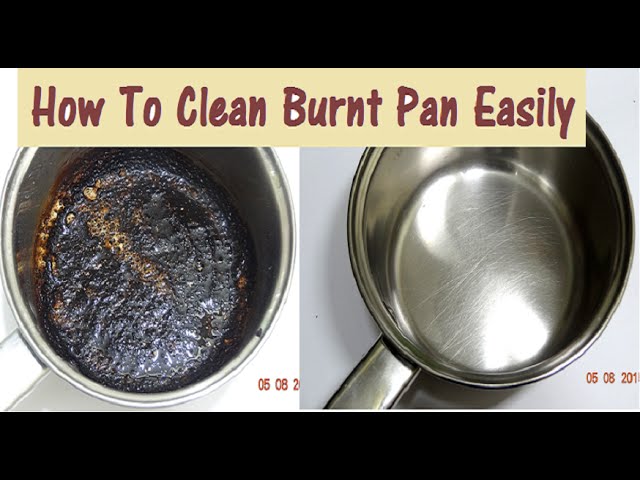
Why rice cooker pots burn
Rice cooker pots burn when heat, residue, or not enough liquid meet for too long. A thin layer of stuck starch or sugars chars and then darkens to a crust. Electric cookers can also trap heat under a dry layer, which worsens the burn.
Common causes
- Cooking with too little water.
- Letting rice sit for a long time after cooking.
- Leaving the cooker on a warm setting for hours.
- Using a damaged or thin inner pot that heats unevenly.
Knowing why helps when you decide which cleaning method to use. The right method depends on how bad the burn is and the pot’s coating. How to clean a burnt rice cooker pot starts with assessing the damage.
:max_bytes(150000):strip_icc()/GettyImages-dexph119_066-burnt-rice-2000-fbb15ca06b0e4226915e5cca3b9088e9.jpg)
Safety first: do this before you clean
Unplug the rice cooker and let the pot cool to room temperature. Do not immerse the rice cooker base in water. Remove the inner pot and any rubber seals or lids that detach.
Avoid these mistakes
- Do not use metal scouring pads on a nonstick pot.
- Do not put sudden cold water in a hot pot; it can warp the metal.
- Do not submerge the cooker’s electrical base.
A safe start prevents damage and cuts risk. If the pot has a nonstick coating, be extra gentle when learning how to clean a burnt rice cooker pot.
Tools and supplies you’ll need
Keep these simple items on hand. They work for most burnt rice cooker pots.
Basic list
- Warm water and dish soap.
- Baking soda.
- White vinegar.
- Nylon or silicone scrubber.
- Wooden or silicone spatula.
- Soft cloth or sponge.
- Optional: cream of tartar, denture tablets, or a gentle commercial cleaner.
Use mild, nonabrasive tools for coated pots. Hard scrubs and harsh powders can strip nonstick layers. Choosing the right tool is a key step in how to clean a burnt rice cooker pot.

Step-by-step cleaning methods
I share several safe ways to clean burnt pots. Pick one based on how severe the burn is. Test gentler methods first.
Method 1: Simple soak and rinse
- Fill the inner pot with warm water and add a few drops of dish soap.
- Let soak for 30 minutes to an hour.
- Use a silicone scrubber to lift softened residue. Rinse and dry.
This works for light burns and sticky rice.
Method 2: Baking soda paste for stubborn spots
- Make a paste with baking soda and a little water.
- Spread the paste on burnt areas and let sit 15–30 minutes.
- Scrub with a soft sponge or nylon scrubber. Rinse well.
Baking soda gently lifts burnt bits and neutralizes odors.
Method 3: Vinegar boil for stuck-on crust
- Add 1 part white vinegar to 2 parts water. Fill the pot to cover the burn.
- Bring to a simmer for 10 minutes on the stove or in the cooker (if allowed).
- Turn off heat and let cool. Scrub and rinse.
Vinegar loosens carbonized starch and helps dissolve dark rings.
Method 4: Boiling with baking soda
- Fill the pot with water and add 2 tablespoons of baking soda.
- Boil gently for 10–15 minutes.
- Let cool then scrub. Repeat if needed.
This method is great for thicker burns without harming metal.
Method 5: Denture tablets or commercial cleaners
- Drop denture tablets into warm water in the pot.
- Let sit per product instructions until fizzing stops.
- Rinse and scrub lightly.
This is handy when other methods struggle. Use commercial cleaners sparingly and rinse thoroughly.
If the burn is severe, try a combination: soak, then boil with baking soda, then spot-treat with paste. Knowing how to clean a burnt rice cooker pot means using the least abrasive method that works.

Handling nonstick and coated pots
Nonstick pots need extra care. Abrasive scrubs and strong powders can ruin the coating.
Dos for coated pots
- Use warm soapy water and a soft sponge first.
- Use baking soda paste only if gentle scrubbing fails.
- Avoid metal utensils; use wooden or silicone tools.
Don’ts
- Don’t use steel wool or harsh powders.
- Don’t use oven cleaners or bleach.
Protect the finish while you learn how to clean a burnt rice cooker pot for long-term use.
Removing stubborn black burnt crust
For black, crusty residue, be patient and repeat gentle steps.
Deep-clean routine
- Soak overnight with warm water and dish soap.
- Scrape softened bits with a wooden spatula.
- Boil water with baking soda, then scrub.
- If needed, use a vinegar soak followed by baking soda paste.
It may take several cycles. Do not force off a crust with metal tools. Proper technique helps keep your pot usable.

Preventing future burns and maintenance
A little care keeps your pot clean longer. These tips reduce the need to deep clean.
Practical habits
- Measure water carefully for each recipe.
- Stir sticky rice briefly after the cooker switches off.
- Clean the pot soon after cooking while residue is fresh.
- Rinse and dry the inner pot before storing.
Routine care is the easiest way to avoid learning how to clean a burnt rice cooker pot again.

Personal experience and tips from real use
I burned a pot once by leaving the cooker on warm overnight. I tried a quick scrub and almost ruined the nonstick. Then I switched to the soak-and-baking-soda routine. It worked and kept the finish intact.
Lessons I learned
- Always start with the gentlest method.
- Patience beats force; repeated soaks remove most burns.
- Test cleaners on a small area first, especially on older pots.
These small habits saved me money and kept my rice tasting better.

People also ask (quick answers)
How long should I soak a burnt rice cooker pot?
Soak at least 30 minutes for light burns and overnight for tougher crusts. Longer soaks soften residue and make scrubbing easier.
Can I use bleach to clean the pot?
No. Bleach can damage finishes and leave residues. Use baking soda and vinegar instead.
Will boiling water warp the pot?
Boiling water alone won’t warp a good-quality pot. Avoid sudden temperature shocks and never pour cold water into a hot pot.
Is it safe to scrub with aluminum foil?
No. Aluminum foil acts like a metal scrubber and can scratch nonstick surfaces. Use a nylon or silicone scrubber.
Can I clean the inner pot in the dishwasher?
Some inner pots are dishwasher safe. Check the manual. Hand washing is gentler and often best for longevity.
Frequently Asked Questions of How to clean a burnt rice cooker pot
How long should I soak a burnt rice cooker pot?
Soak for 30 minutes for light burns and several hours or overnight for heavy burns. Longer soaks help break down the burnt material.
Is baking soda safe for nonstick pots?
Yes. Baking soda is mild and safe when used as a paste or in boiled water. Avoid heavy scrubbing with abrasive pads afterward.
Can vinegar remove black stains from my rice cooker pot?
Yes. Vinegar helps loosen burnt starch and stains when boiled or soaked. Rinse well after use to remove the vinegar smell.
What if the pot is warped after cleaning?
Warped pots usually result from overheating or sudden temperature changes. If warped, check the cooker’s performance. Replacement may be safer.
How often should I deep clean my rice cooker pot?
Deep clean when you notice dark rings or buildup, typically every few months with regular use. Regular rinsing after each use reduces deep cleaning needs.
Final thoughts
You can restore most pots with patience and the right steps. Start with gentle soaks, use baking soda and vinegar when needed, and avoid harsh scrubs on nonstick surfaces. These methods help you learn how to clean a burnt rice cooker pot without damage.
Try one method today and save your pot. Share your result or ask a question below to get more tips.