
Cook chicken to an internal temperature of 165°F (74°C) to ensure it is safe to eat.
I’ve cooked hundreds of chickens, tested temps with many thermometers, and taught home cooks and friends why temperature matters. If you want a clear, reliable guide to answer "What temperature should chicken be cooked to" and how to check it every time, this article walks you through safe temps, testing tips, cooking methods, and real-life tricks I use in the kitchen. Read on and you’ll gain confidence to cook chicken safely and deliciously.

Why internal temperature matters
Foodborne bacteria like Salmonella live in raw poultry. Heat kills those bacteria. That is why knowing what temperature should chicken be cooked to matters more than appearance or color. Relying on juice color or firm meat can be risky. Measuring internal temperature is the only reliable way to confirm safety.
- Temperature kills pathogens when held long enough.
- Surface browning does not guarantee safety for the center.
- Thin pieces cook fast; thick pieces take longer and need checking.
I’ve seen perfectly browned chicken that wasn’t cooked through. A quick thermometer check saved the meal. Always check the thickest part and avoid guessing.

Official safe temperature guidelines and what they mean
When people ask "What temperature should chicken be cooked to," food-safety guidance is clear. The safe internal temperature for all poultry, including whole chickens, breasts, thighs, and ground poultry, is 165°F (74°C). This is the temperature recommended to immediately inactivate harmful bacteria.
- Safe minimum internal temperature for all poultry: 165°F (74°C).
- Ground poultry safety: 165°F (74°C) because grinding spreads bacteria.
- Whole birds: check the thickest part of the thigh and the breast.
Some cooking methods use lower temperatures with extended time to achieve pasteurization. If you try those, follow verified sous-vide or pasteurization charts. For most home cooks, aiming for 165°F is simple and safe.
How to check chicken temperature the right way
If you wonder "What temperature should chicken be cooked to" the next question is how to test it. Use a reliable instant-read thermometer and follow these steps.
- Use an instant-read digital thermometer for quick checks.
- Insert the probe into the thickest part without touching bone.
- For whole chicken, test the thickest part of the thigh and breast.
- For thin cuts, test the thickest section or fold the piece to measure.
Common PAA-style questions
- Where exactly do I insert the thermometer?
Insert into the thickest part of the meat, avoiding bone and fat. For breasts, aim near the center; for thighs, aim between bone and outer meat. - How long should I wait for a reading?
Wait until the thermometer reading stabilizes—usually 2–5 seconds for fast digital models and longer for dial thermometers. - Can I use meat color or juices?
No. Color and juices are unreliable. Measuring internal temperature is the only safe method.
I once tested a roast chicken that looked perfect but read 158°F in the breast. A quick return to the oven for another 5 minutes fixed it. Don’t skip the probe.
Cooking methods, target temps, and special notes
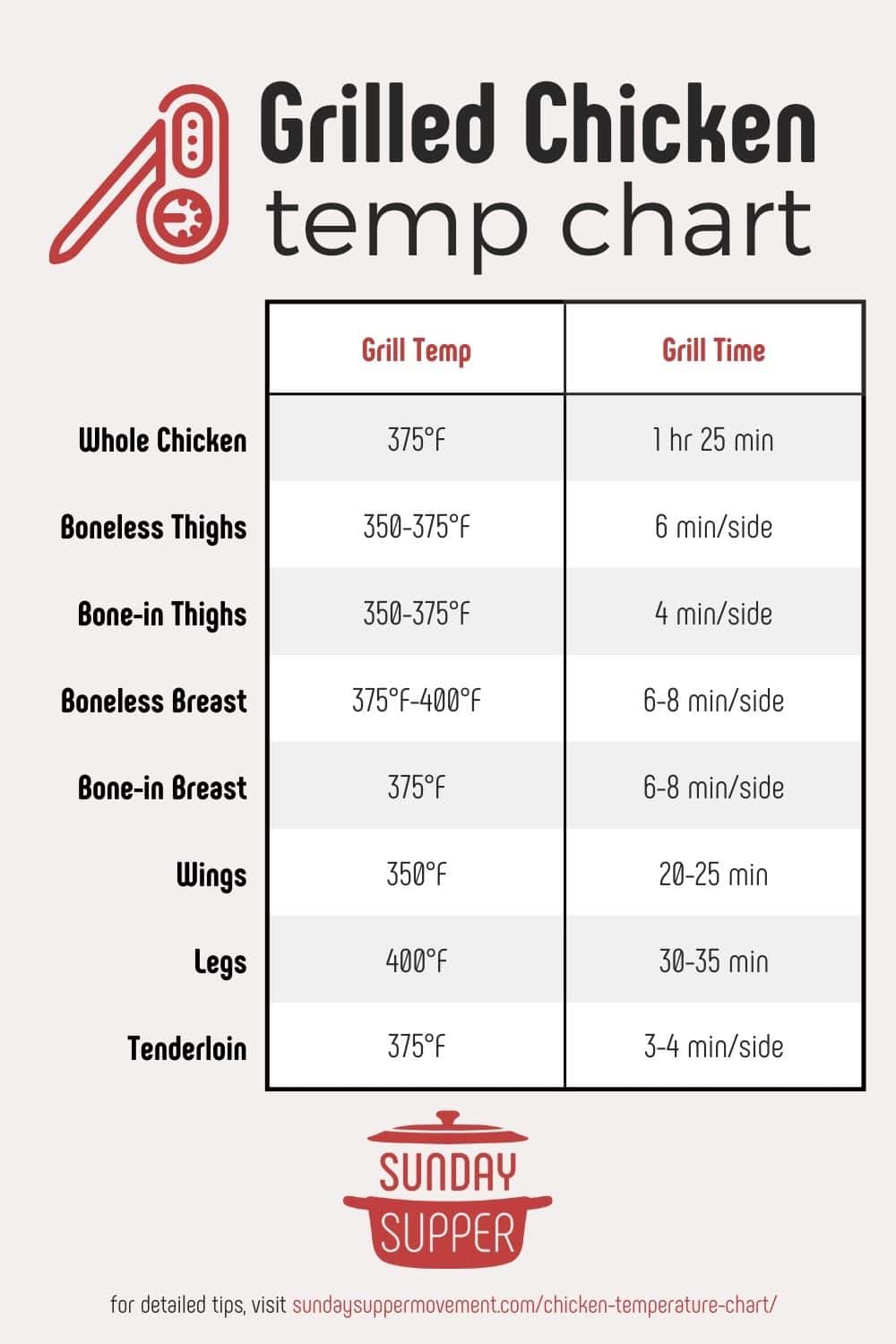
Different methods change how you reach the safe internal temperature, but the end goal stays the same when answering "What temperature should chicken be cooked to."
- Roasting and baking
- Aim for 165°F at the thickest part. Let the bird rest 5–10 minutes; carryover cooking may raise temp slightly.
- Grilling
- Grill until 165°F internal at the thickest point. Use direct and indirect heat for even cooking.
- Pan-frying
- Thinner cuts cook fast. Check the center with an instant-read thermometer to confirm 165°F.
- Sous vide and low-temp cooking
- Sous vide can pasteurize at lower temps when time is increased. Follow reliable pasteurization tables; otherwise, use 165°F for immediate safety.
- Deep-frying
- Maintain oil temp for even cooking and check the internal temp: 165°F in the thickest part.
Remember: for all these methods the target is the same unless you are using validated time-temperature pasteurization. When in doubt, reach 165°F.
Practical tips, common mistakes, and my experience
Practical, repeatable steps will keep your chicken safe and tasty. From my kitchen experience, these tips make a big difference.
- Calibrate your thermometer occasionally. Drop it in ice water (32°F) and boiling water (212°F) to check accuracy.
- Avoid probing too close to bone; bone conducts heat and gives a falsely high reading.
- Rest meat for 5–10 minutes after cooking; juices redistribute and temperature evens out.
- Use a clean probe to avoid cross-contamination.
- When reheating cooked chicken, heat to 165°F again before serving.
Mistakes I’ve made: using an old dial thermometer that read high, and assuming color meant doneness. Both led to undercooked servings. Calibrate and test—simple fixes that save headaches.
:max_bytes(150000):strip_icc()/20230905SEA-HowtoCarveaRoastChicken-AmandaSuarez-00-1-e1530815c7b24c64b590f3aed245d5b3.jpg)
Frequently Asked Questions of What temperature should chicken be cooked to
What temperature should chicken be cooked to for safety?
Cook chicken to an internal temperature of 165°F (74°C) for immediate safety. This applies to whole poultry, breasts, thighs, and ground poultry.
Can I cook chicken to a lower temperature if I rest it?
Lower temperatures require validated time-temperature pasteurization. For home cooks, reach 165°F unless you follow trusted sous-vide tables and procedures.
How do I check the temperature of a whole roast chicken?
Insert an instant-read thermometer into the thickest part of the thigh without touching bone, and also check the thickest part of the breast.
Is pink meat always unsafe in chicken?
Not always. Some cooked chicken can have a pink hue due to myoglobin or smoking. Never rely on color—use a thermometer to confirm 165°F.
Can I use oven display temperature to judge doneness?
No. Oven or ambient temperature doesn’t tell you the internal temperature of the chicken. Always measure inside the meat.
How long should I rest chicken after cooking?
Rest chicken for 5–10 minutes to allow juices to redistribute and for carryover cooking to finish. This gives a juicier result and stabilizes the internal temp.
Conclusion
Safe chicken starts with a simple rule: measure the internal temperature and aim for 165°F (74°C) unless you are using validated low‑temperature methods. Use a reliable thermometer, test the thickest part, avoid guessing by color, and allow short rest time for best results. Try these tips on your next meal, subscribe for more kitchen confidence, and share a comment or question about your chicken-cooking wins or problems — I’d love to help.