
How to use a meat thermometer for steak: insert the probe into the thickest part and cook to the target temp.
I’ve cooked thousands of steaks and taught friends and line cooks the same simple rule: use a thermometer to get perfect doneness every time. This guide breaks down how to use a meat thermometer for steak, from picking the right tool to reading temps, avoiding mistakes, and cleaning and calibrating your probe. Read on for clear steps, practical tips, and real-world tricks that make your steaks reliably delicious.
Why use a meat thermometer for steak?
A thermometer removes guesswork. It tells you the steak’s internal temperature so you hit the doneness you want without cutting the meat or relying on unreliable touch tests.
Using a thermometer also improves food safety and consistency. You’ll serve steaks at safe, tasty temperatures and build trust with guests or family.
Types of thermometers and which to choose
Choose a thermometer that fits your cooking style. Options include:
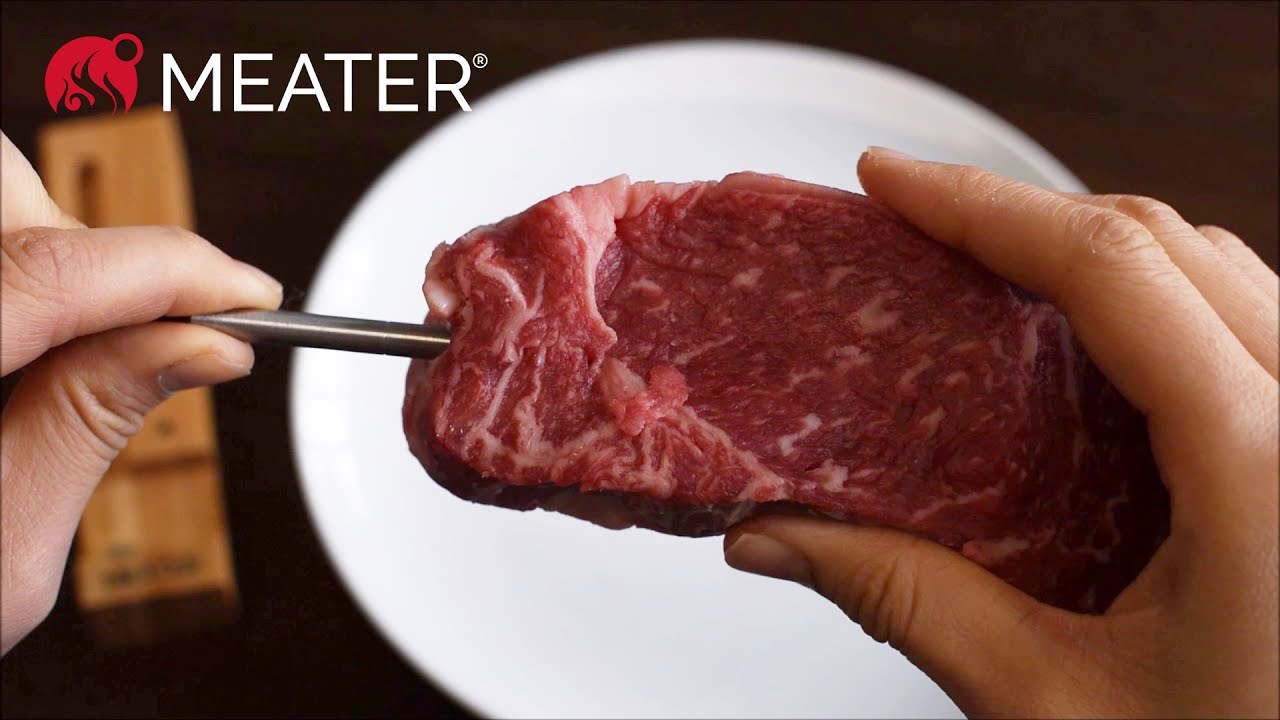
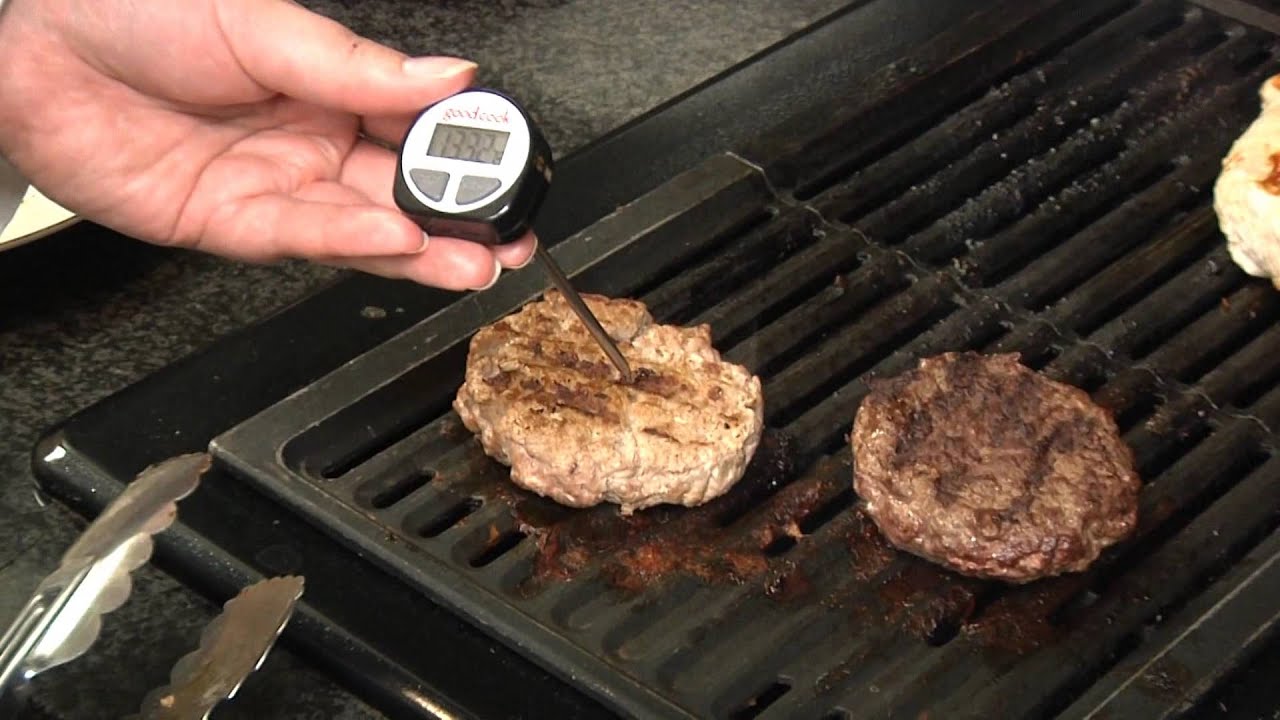
- Instant-read digital probe: Fast, accurate reads in seconds. Great for finishing steaks.
- Leave-in probe with cable: Stays in the steak while it cooks in the oven or grill.
- Infrared (IR) thermometer: Measures surface temp only, not internal doneness.
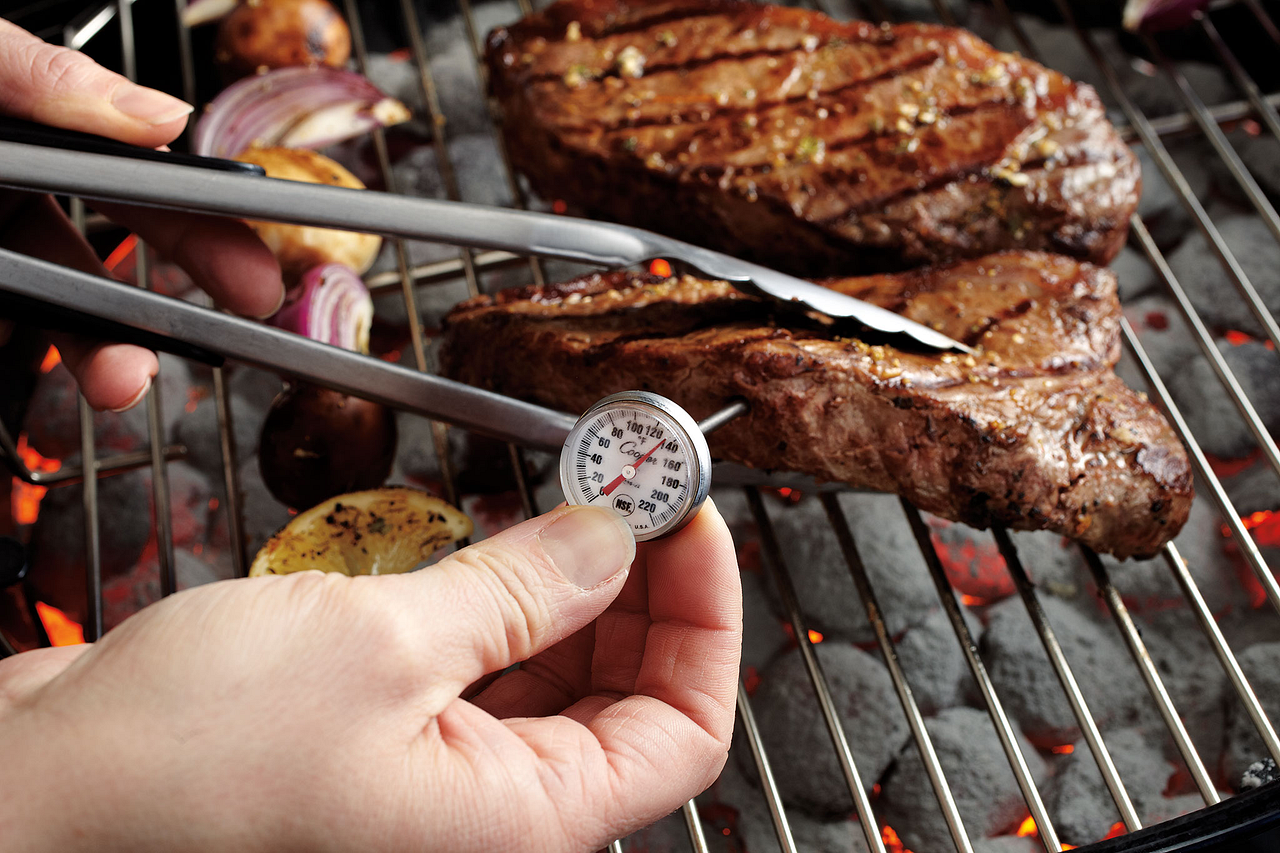
- Dial (analog) probe: Works but slower and less precise than digital.
For most home cooks, an instant-read digital probe wins. It’s precise and easy to use when learning how to use a meat thermometer for steak.
How to use a meat thermometer for steak: step-by-step
Follow these simple steps to get consistent results.
- Prep the steak
- Bring steak to room temp for 20–30 minutes for even cooking.
- Pat dry to help sear and avoid steam affecting surface readings.
- Preheat your grill or pan
- Get a good sear by heating your cooking surface until hot.
- Insert the probe correctly
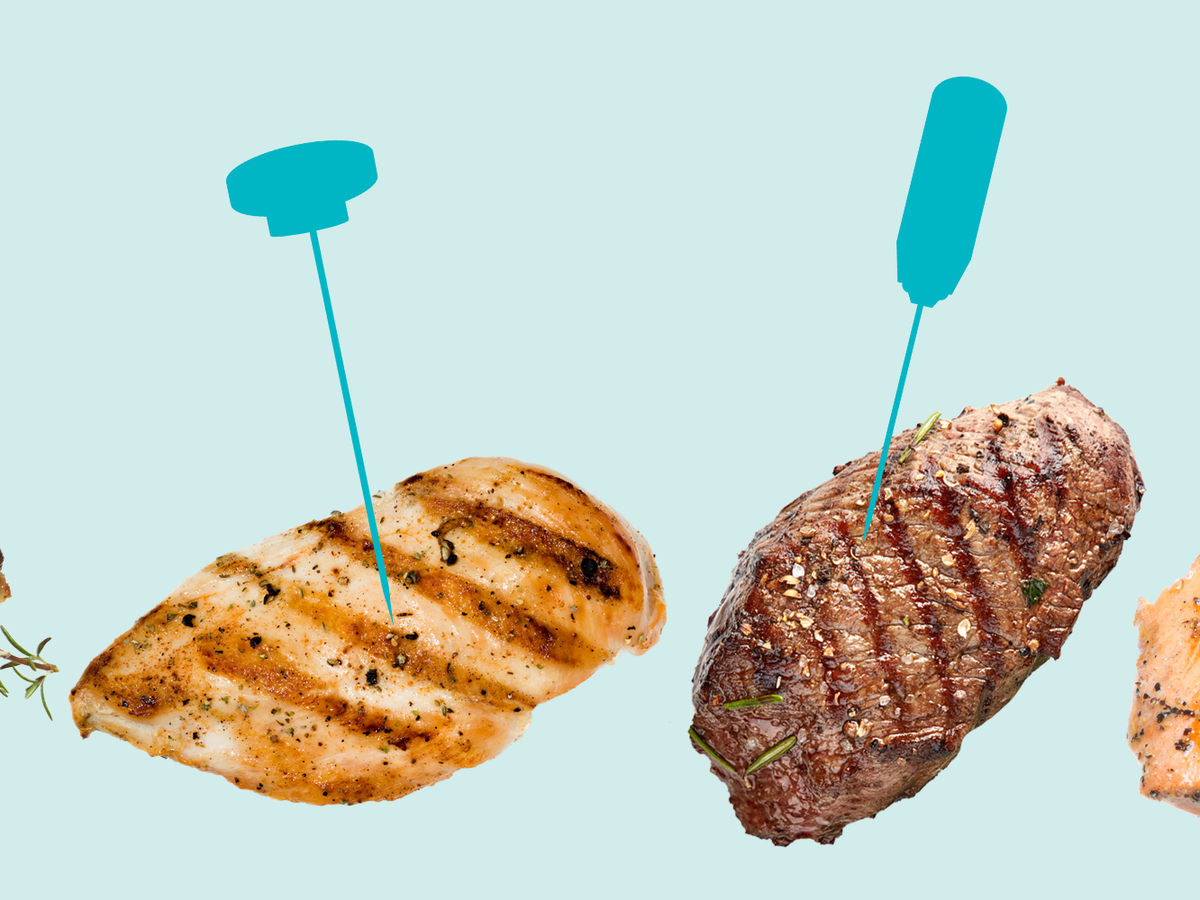
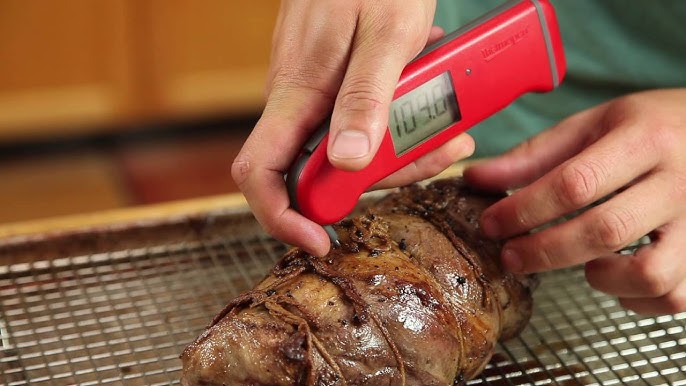
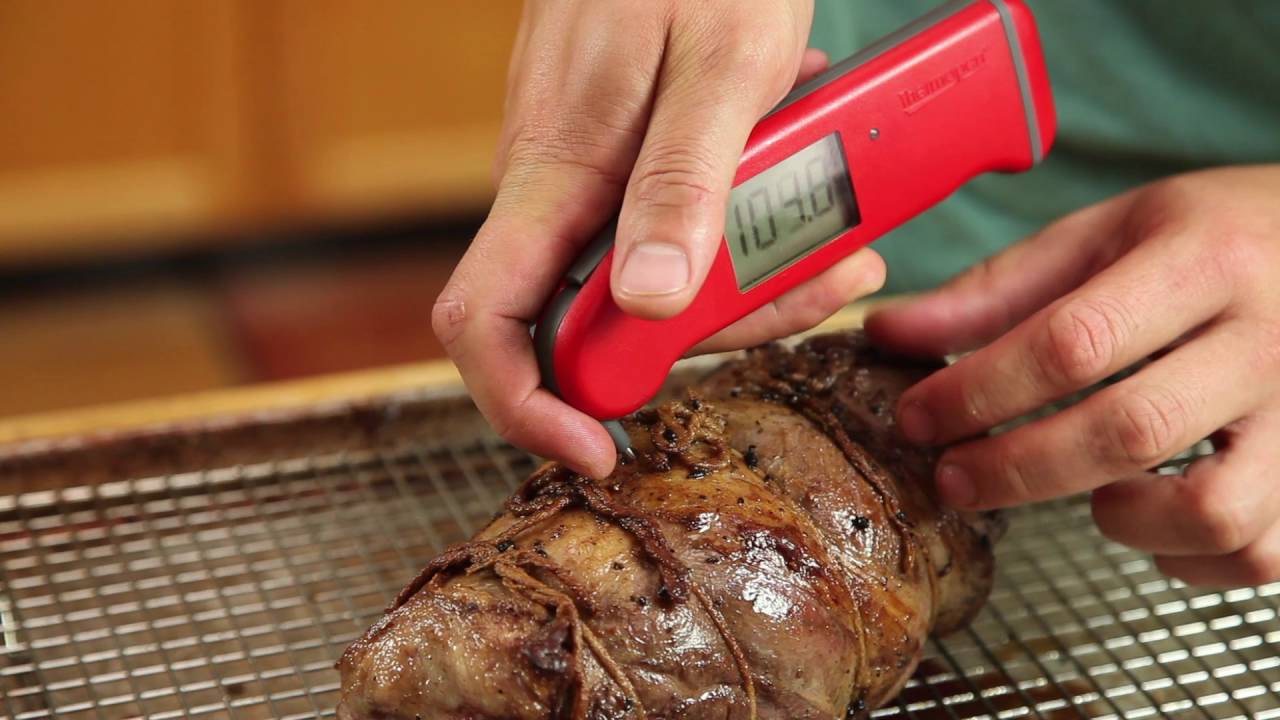
- Push the probe into the thickest part of the steak.
- Aim for the center and avoid touching bone or fat, which give false highs.
- For thinner cuts, insert from the side parallel to the cooking surface.
- Read the temperature
- For instant-read probes, check near the end of cook time.
- For leave-in probes, monitor throughout cooking but allow for carryover (temp rises after removing from heat).
- Rest the steak
- Let steak rest 5–10 minutes; internal temp will rise 3–10°F depending on size.
When learning how to use a meat thermometer for steak, practice inserting the probe cleanly and reading temps a few times. Small habits make a big difference.

People also ask
Q: When should I insert the thermometer?
A: Insert the thermometer during the last few minutes of cooking for instant-read probes. For leave-in probes, insert before cooking.
Q: Where exactly should the probe go?
A: Place it in the thickest central muscle, away from bone and fat. That gives the most accurate internal temp.
Q: How much will temp rise during resting?
A: Expect 3–10°F of carryover, with thicker steaks rising more.
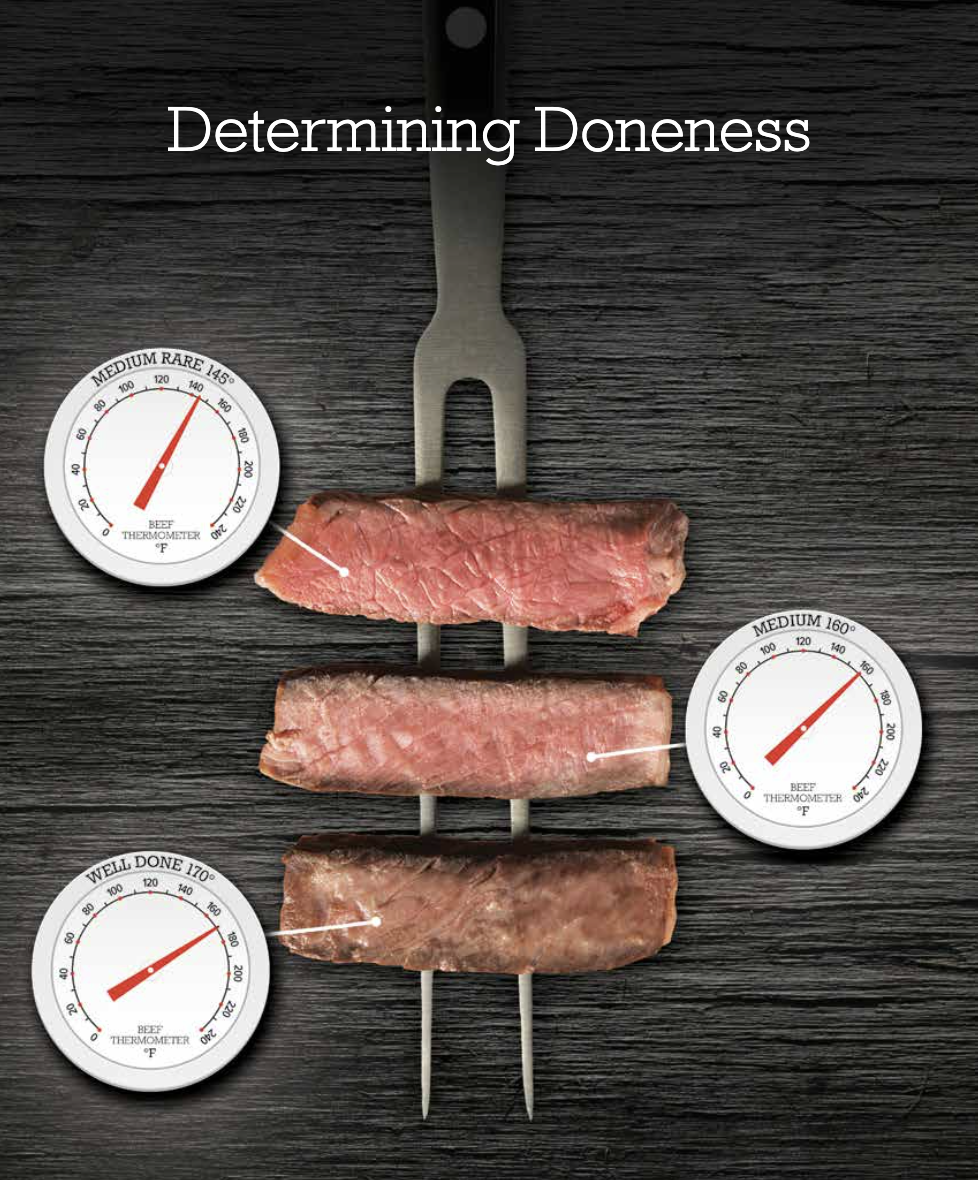
Target temperatures and doneness for steak
Use these internal temps as guides. Insert the probe into the steak’s thickest part.
- Rare: 120–125°F, cool red center.
- Medium-rare: 130–135°F, warm red center.
- Medium: 140–145°F, pink center.
- Medium-well: 150–155°F, slight pink.
- Well-done: 160°F and up, little to no pink.
Knowing how to use a meat thermometer for steak helps you hit these targets every time. If you prefer a specific doneness, aim a few degrees below your target to allow for resting.
:max_bytes(150000):strip_icc()/how-to-use-meat-thermometer-GettyImages-1330139635-91da8d92d7ab4711aa195e6f674ed7ac.jpg)
Common mistakes and troubleshooting
Avoid these common errors that skew your readings.
- Probe too shallow or touching bone: Gives false highs or lows.
- Checking too early: Temperatures fluctuate; wait until near done time.
- Misreading thin cuts: Thin steaks need quick checks from the side.
- Dirty or uncalibrated probe: Dirt and miscalibration cause inaccuracy.
If your thermometer reads oddly, test it in ice water (should read 32°F) or boiling water (roughly 212°F at sea level) and recalibrate if possible. Avoid overheating the probe tip on open flame; that can damage electronics.
Cleaning, calibration, and care
Keep the tool reliable with simple care.
- Clean after each use with warm, soapy water and sanitize the probe tip.
- Avoid immersing digital bodies in water; wipe them clean.
- Calibrate regularly per manufacturer instructions or use the ice-water method.
- Store in a dry, protected case to prevent bending or damage.
Proper care keeps your thermometer accurate when using a meat thermometer for steak season after season.
My experience and practical tips
I’ve tested dozens of thermometers and cooked steaks in home kitchens and restaurants. I learned three practical lessons:
- Trust the probe, not the shake test. I once ruined a batch relying on touch; the thermometer saved the next one.
- Practice probe placement. I mark the thickest point mentally before sticking the probe in.
- Rest is non-negotiable. Skipping resting cut cooking success in half for me early on.
If you’re new to how to use a meat thermometer for steak, start with a thicker steak like ribeye. It’s forgiving and helps you see how temps change during rest and sear.
Frequently Asked Questions of How to use a meat thermometer for steak
How deep should I insert the thermometer probe?
Insert the probe into the center of the steak’s thickest part, about half to two-thirds of the way through the cut. Avoid touching bone or fat for accurate readings.
Can I leave a digital thermometer in while grilling?
Only leave-in probes designed for continuous use while cooking should stay in the steak; instant-read probes should be used just to check temperature. Continuous probes are built for higher heat and longer exposure.
Why does my thermometer read higher than expected after resting?
Temperatures rise during resting due to carryover cooking; this can add 3–10°F depending on thickness. Pull the steak a few degrees below target to compensate.
Is surface temperature useful for doneness?
Surface temperature from an infrared gun helps sear control but does not show internal doneness. Use an internal probe to confirm doneness.
How often should I calibrate my thermometer?
Calibrate at least monthly if you use the thermometer often, and anytime you suspect a bad reading or after a hard drop. The ice-water test is a quick check for accuracy.
Can a meat thermometer pierce vacuum-sealed steaks?
Yes, but piercing sealed packaging will let juices escape; better to remove from the bag, pat dry, and then insert the probe for cooking or after searing.
Conclusion
Using a thermometer makes steak cooking simple and reliable. Learn how to use a meat thermometer for steak by picking the right probe, inserting it into the thickest part, watching target temps, and allowing time to rest. Start with a thicker cut, practice probe placement, and trust the readouts — you’ll waste fewer steaks and get repeatable results. Try these steps on your next steak, leave a comment about your results, or subscribe to get more practical cooking tips.