Your thermometer often shifts due to probe placement, ambient changes, calibration, or device faults.
I’ve cooked for years, tested many thermometers, and taught others to trust their readings. If you’re asking "Why does my meat thermometer keep changing temperature," this guide explains the causes, simple fixes, and smart habits to get steady, reliable readings every time. Read on for clear steps, real experience, and easy troubleshooting so you can cook with confidence.
How meat thermometers work
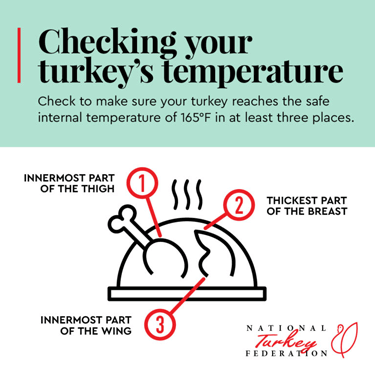
A meat thermometer measures heat by sensing temperature at the probe tip. The device reads thermal energy and converts it into a number you can use. Different designs use different sensors, like thermistors or thermocouples. Knowing how yours senses temperature helps when you ask, "Why does my meat thermometer keep changing temperature?"
:max_bytes(150000):strip_icc()/sea-rfx-probe-1-grace-kelly-06f2608ec30641d48f63db1b4869a7c6.jpg)
Common reasons your reading changes
If you wonder "Why does my meat thermometer keep changing temperature," the problem usually comes from one or more simple issues. Below are the most common causes and short fixes.
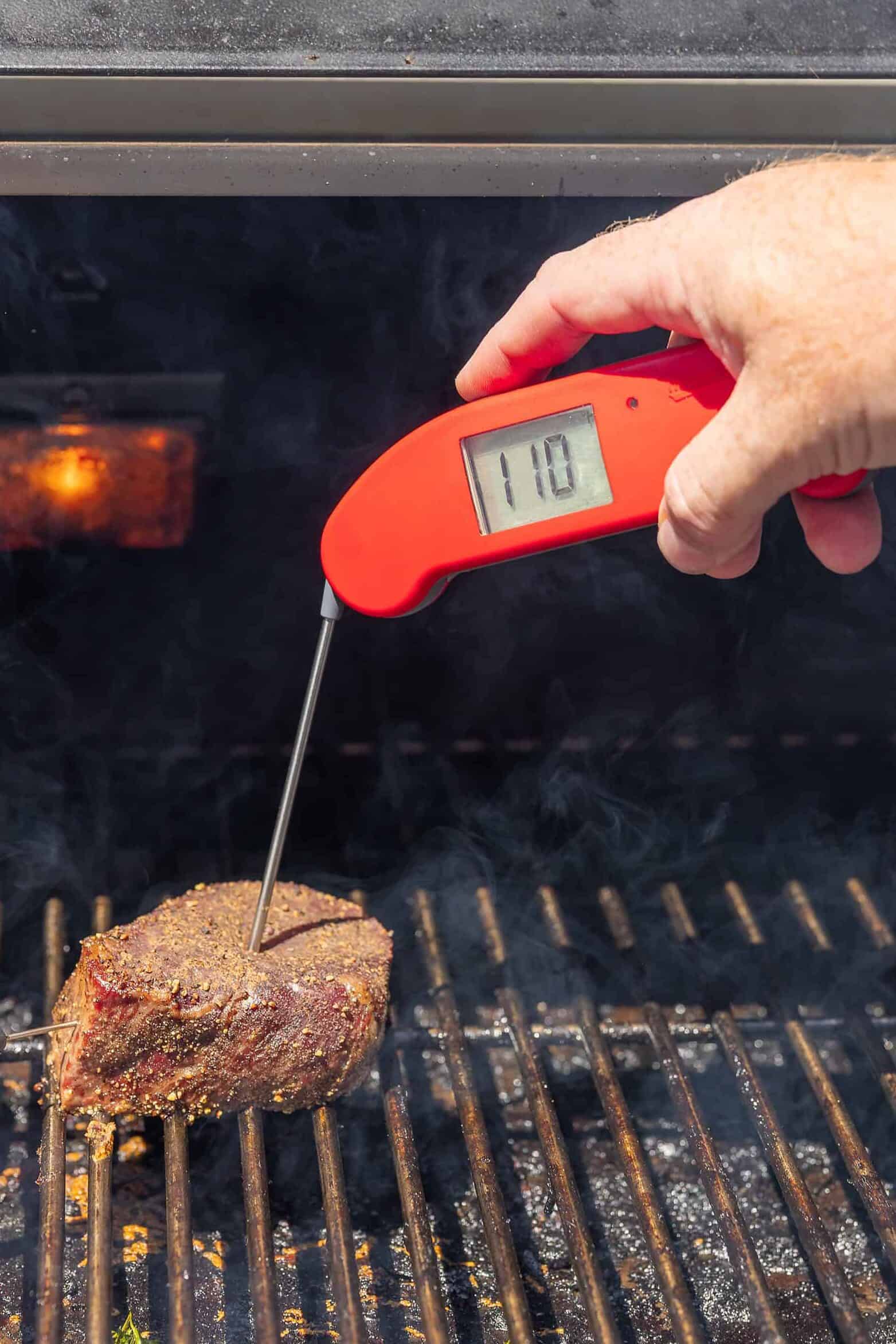
- Probe not fully inserted. If the tip isn’t in the thickest part of meat, readings bounce. Insert the probe to the center of the thickest portion.
- Probe touching bone or fat. Bone and fat read differently than muscle. Keep the tip in muscle tissue to stabilize the reading.
- Moving the probe or meat. Every tug or shift lets in cool air and causes a spike or drop. Hold still until the number steadies.
- Ambient drafts or oven door openings. Opening the oven or letting a grill vent change airflow creates temporary swings.
- Low battery or faulty electronics. Weak batteries and damaged wiring create erratic digital readings.
- Poor calibration. If the sensor is off, it will show changing or incorrect temperatures.
- Sensor type and response time. Some thermometers take longer to settle. Instant-read models may still bounce a little before stabilizing.
- Probe damage or corrosion. Bent tips or frayed cables give unstable signals.
When you ask "Why does my meat thermometer keep changing temperature," one or a mix of these causes is usually the answer.
Step-by-step troubleshooting checklist
Use this quick checklist when you see changing numbers. Each step takes under a minute.
- Check placement
- Move the probe to the thickest part of the meat, away from bone and fat.
- Hold steady
- Keep the probe and meat still until the reading stabilizes for 10–20 seconds.
- Inspect the probe
- Look for bends, breaks, or corrosion. Replace if damaged.
- Replace the battery
- Swap batteries before deeper troubleshooting. Cheap batteries cause weird jumps.
- Test in ice water
- Put the probe in crushed ice and water. It should read 32°F (0°C) within a degree or two.
- Avoid drafts
- Keep the oven closed and don’t stand directly in front of vents while measuring.
- Compare with a second thermometer
- Cross-check with another reliable thermometer to confirm readings.
If the question "Why does my meat thermometer keep changing temperature" still bothers you, these steps will often point to the exact issue.
How to calibrate and test your thermometer
Calibration is fast and effective. Try two common tests.
Ice water test
- Fill a glass with crushed ice. Add cold water until the glass is full. Insert the probe so the tip is in the water but not touching the glass sides. Wait 30 seconds. The reading should be 32°F (0°C). If not, adjust your device per its manual.
Boiling water test
- Boil water and carefully hold the probe in the steam or just below the surface. Expect around 212°F (100°C) at sea level; altitude lowers this number. Use your thermometer’s adjustment feature if available.
For digital models without manual adjustment, note the offset and mentally correct or replace the unit if the error is large. Regularly asking "Why does my meat thermometer keep changing temperature" will lead you to calibration as the first real fix.

Best practices to get stable, accurate readings
Use these habits to reduce temperature swings and get consistent results.
- Insert probe to the correct depth
- Aim for center of the thickest part of meat.
- Wait for stabilization
- Hold the probe steady for 10–30 seconds before reading.
- Use leave-in probes for roasts
- Leave-in probes track internal temps while cooking for steady monitoring.
- Use instant-read for quick checks
- Instant-read is good for final checks but still needs a few seconds to settle.
- Avoid touching bone, gristle, or fat
- These give false highs or lows.
- Minimize oven door openings
- Each opening causes a temporary swing in oven and meat temperature.
- Store and care for probes
- Clean and dry probes after each use and avoid bending wires.
- Replace old probes
- If your thermometer repeatedly answers "Why does my meat thermometer keep changing temperature" despite correct technique, replacement may be due.
Types of thermometers and their quirks
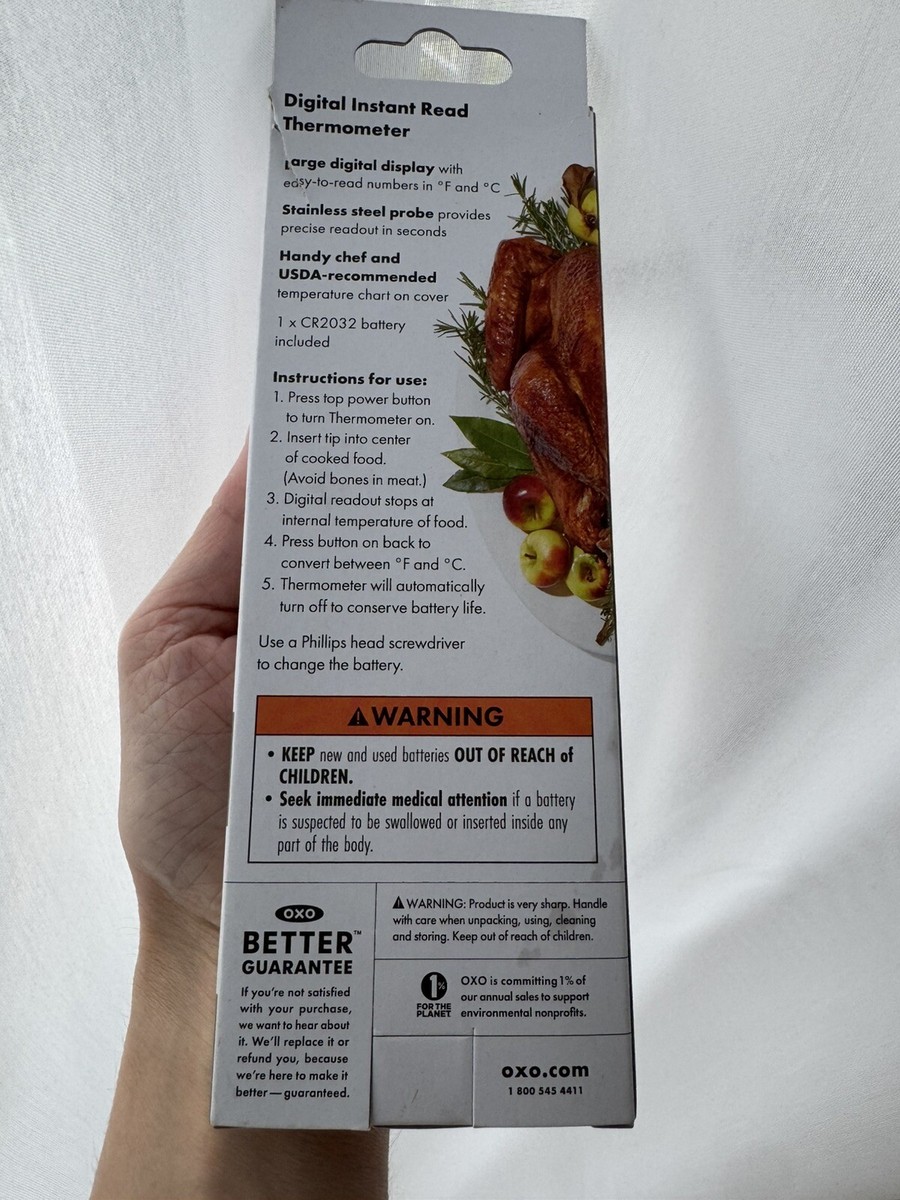
Knowing your tool helps answer "Why does my meat thermometer keep changing temperature" faster. Here are main types and what to expect.
- Analog dial
- Slower to respond and harder to calibrate. Often less precise.
- Digital probe (wired)
- Fast and accurate if the probe and cable are in good condition.
- Instant-read (thermistor)
- Good for quick checks; can bounce but settle in a few seconds.
- Thermocouple
- Fastest response and very precise for professional use.
- Wireless/remote
- Can show lag due to signal delay. Probe stays in meat while transmitter sends updates.
Choose the right type to match your cooking style. If you keep wondering "Why does my meat thermometer keep changing temperature," matching the tool to the task removes many issues.
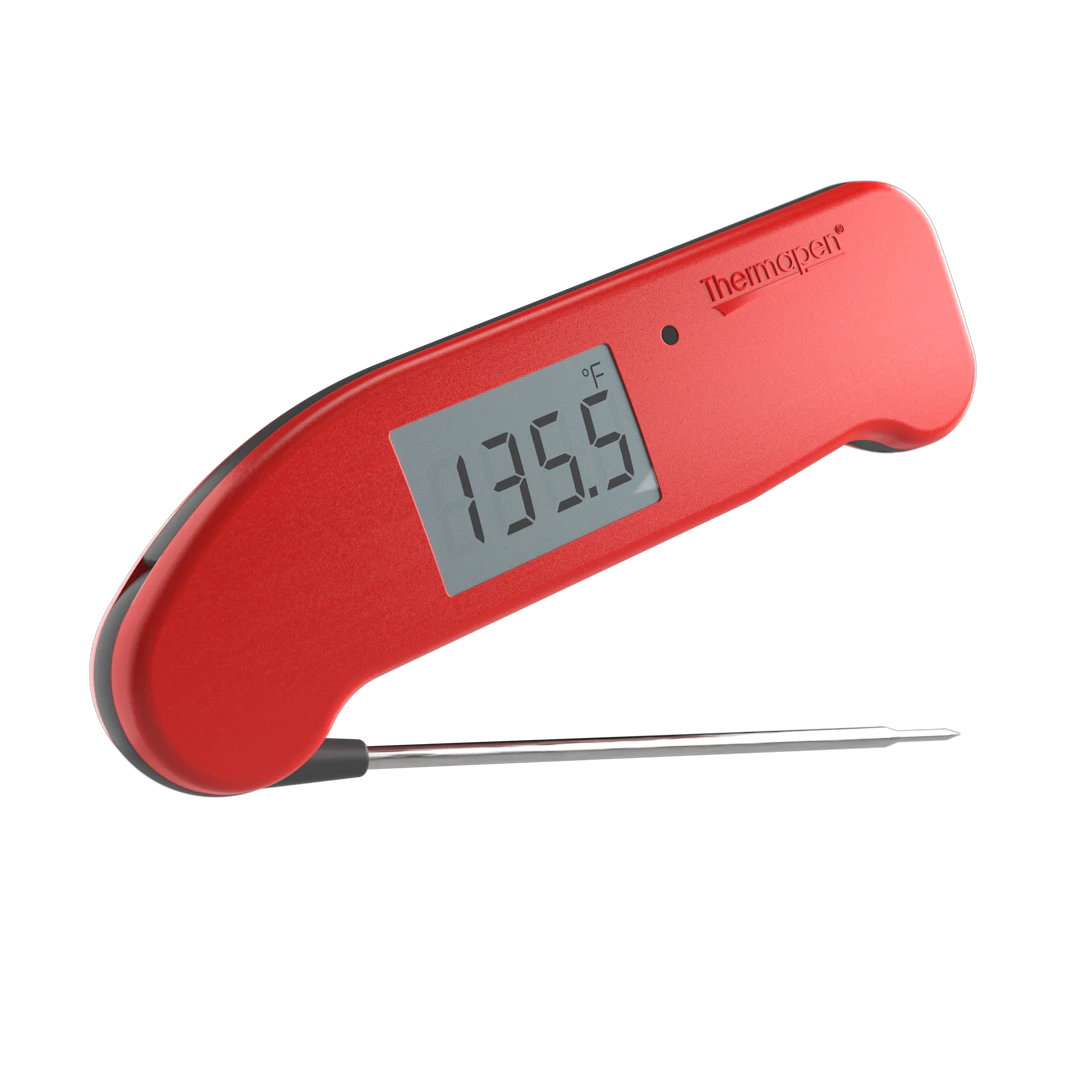
Personal experience: what I learned from testing thermometers
I once cooked a large turkey that read 150°F on a dial but 165°F on a thermocouple in the same spot. I learned to trust well-calibrated, fast-response thermocouples for big roasts. Another time, a cheap probe gave wild swings until a battery swap fixed it. My rule now is simple: check placement, test in ice water, and keep spare batteries. These steps answered "Why does my meat thermometer keep changing temperature" for me countless times.
Frequently Asked Questions of Why does my meat thermometer keep changing temperature
Why does my meat thermometer keep changing temperature when I move it?
Moving the probe lets ambient air contact the sensor and shifts the reading. Keep the probe still in the thickest part until the number stabilizes.
Can the oven temperature cause my meat thermometer to change?
Yes. Opening the oven or strong drafts change ambient heat and make readings bounce. Close the oven and wait for stability.
How often should I calibrate my thermometer?
Calibrate before major cooks and every few months if you use it often. Calibrate immediately if you suspect inaccurate readings.
Will a low battery make temperature readings fluctuate?
Yes. Weak batteries can cause erratic readings or lag. Replace batteries if readings behave oddly.
Is it normal for instant-read thermometers to bounce?
A small bounce is normal as the sensor finds equilibrium. Give 5–20 seconds for a steady reading.
Conclusion
Understanding why your thermometer shifts makes cooking safer and easier. The main causes are placement, movement, calibration, batteries, and device type. Use the troubleshooting checklist, test in ice water, and practice consistent probe placement to get reliable readings. Try these tips on your next cook and see the difference; comment below with your experience or subscribe for more practical cooking gear tips.