
Yes — you can wash most digital meat thermometers if you follow the maker’s instructions.
I’ve tested and cleaned dozens of probes and instant-read models during my 10+ years cooking and recipe testing. This guide explains whether Can you wash a digital meat thermometer, when it’s safe, and how to do it right so your tool stays accurate and germ-free. Read on for step-by-step cleaning methods, mistakes to avoid, and quick troubleshooting advice rooted in real experience.
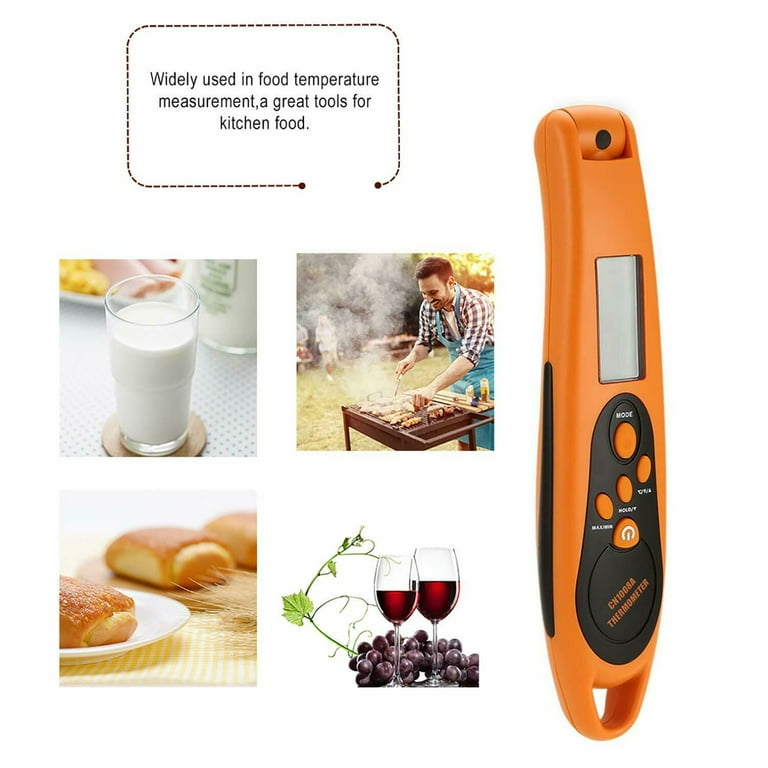
Why cleaning your thermometer matters
A clean thermometer keeps food safe and your readings accurate. Food residue can hide bacteria. Grease and grime may also affect the probe’s sensors over time. Regular care extends the life of the device and protects guests and family from cross-contamination.
- Protects against dangerous bacteria such as Salmonella and E. coli.
- Preserves measurement accuracy by keeping probes free of buildup.
- Prevents corrosion and prolongs the tool’s lifespan.

Can you wash a digital meat thermometer? Best practices
Can you wash a digital meat thermometer safely? Yes, but it depends on the model and how you wash it. Follow these best practices to clean without damaging the electronics.
Steps to clean most digital meat thermometers:
- Turn off the thermometer and remove batteries if the manual suggests it.
- Wipe the probe with warm, soapy water using a soft cloth or sponge.
- Rinse the probe under running water for a few seconds; avoid submerging the display or housing.
- Sanitize the probe with a 70% isopropyl alcohol wipe or a diluted bleach solution (1 tablespoon bleach per quart of water), then air dry.
- For waterproof or immersion-rated models, you can gently wash the probe and housing per the manual.
Personal note: early in my testing I soaked a cheap instant-read thermometer in a sink. It stopped working. Since then I always check the IP rating and unplug batteries first. Can you wash a digital meat thermometer? Yes — but do it with care.

What to avoid when you ask “Can you wash a digital meat thermometer”
Knowing what not to do prevents costly mistakes. Avoid these common errors.
- Do not fully submerge non-waterproof thermometers in water.
- Do not put most digital thermometers in the dishwasher, unless the manufacturer explicitly allows it.
- Do not use abrasive pads, steel wool, or harsh acids that scratch or corrode the probe.
- Do not spray cleaners directly into seams, buttons, or the display area.
- Avoid extreme temperatures right after cleaning; sudden heat or cold can damage electronics.
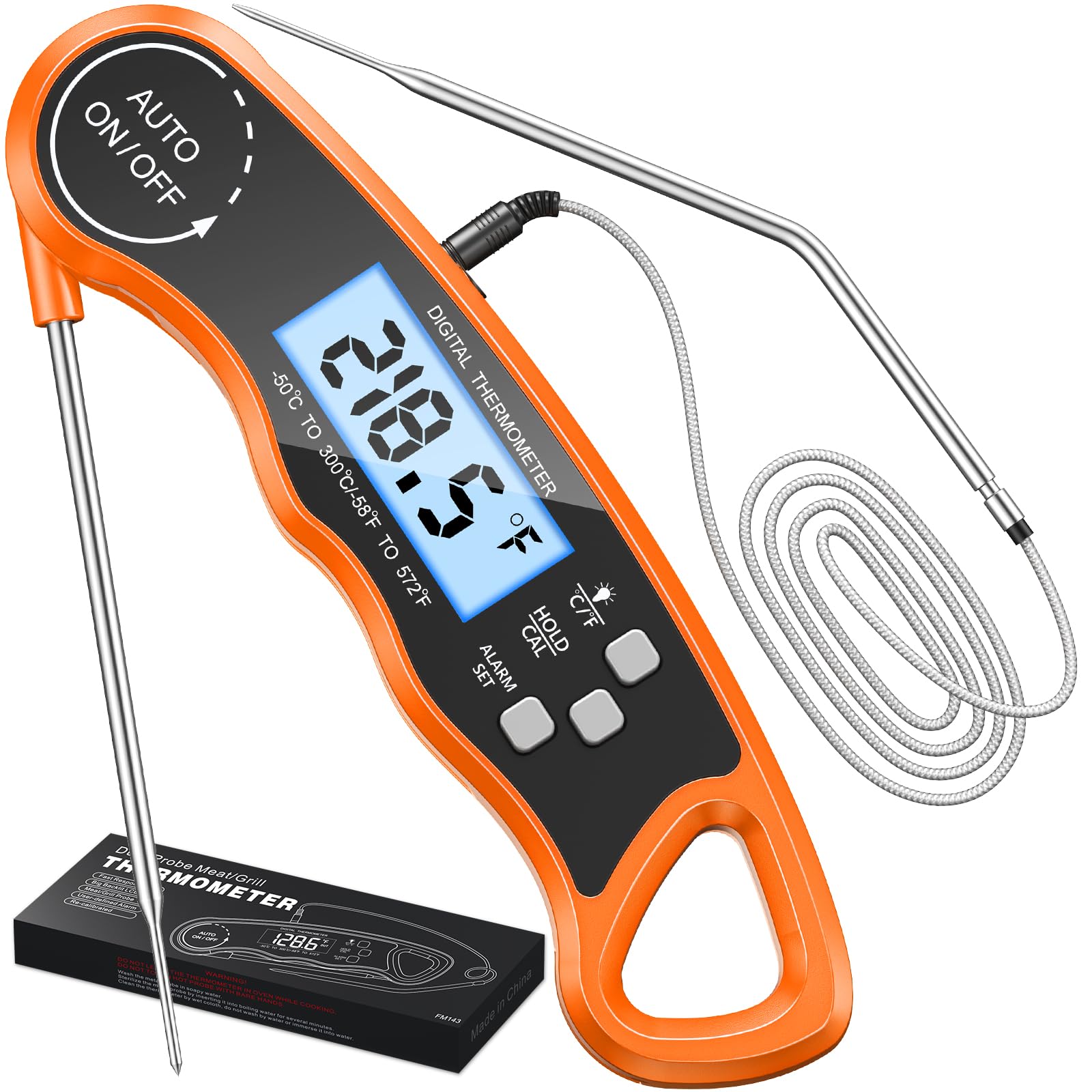
How to clean different types of digital meat thermometers
Different designs need different care. Below are tailored cleaning tips for common types.
Probe-only and instant-read probes:
- Wipe with warm, soapy water, rinse briefly, then sanitize and dry.
- Do not immerse the handle unless rated waterproof.
Foldable pocket probes:
- Open the probe and clean the metal stem only.
- Wipe the hinge and handle carefully; avoid excess water in the hinge.
Oven probes and wired thermometers:
- Disconnect wires and remove probes before cleaning.
- Clean the probe stem as above. Wipe cords and connectors with a damp cloth; do not submerge.
Wireless and Bluetooth thermometers:
- Clean probes same as instant-read models.
- Wipe transmitters and battery compartments carefully; keep electronics dry.
Waterproof or immersion-rated thermometers:
- Check IP rating. If fully waterproof, you can rinse or submerge per instructions.
- Still avoid dishwashers unless manufacturer permits.

Sanitizing and drying correctly
Sanitizing kills microbes left after washing. Drying prevents rust and electrical issues.
Sanitizers that work:
- 70% isopropyl alcohol wipes — quick and safe for probes.
- Diluted bleach solution (1 tablespoon bleach per quart of water) — effective for heavy contamination. Rinse after and dry.
- Commercial food-safe sanitizers — follow label directions.
Drying tips:
- Air dry upright or pat dry with a lint-free cloth.
- Leave removable batteries out until all parts are fully dry.
- Store the thermometer in a clean sheath or case to keep it ready for the next use.

Troubleshooting and maintenance
If cleaning seems to cause problems, here are fixes and maintenance tips.
Common issues and quick fixes:
- If readings are erratic after cleaning, check battery contacts and clean them with a dry cloth.
- If the display behaves oddly, remove batteries and let the unit dry for 24 hours before testing.
- For stuck hinges or grime, use a cotton swab dipped in alcohol to clean crevices.
Maintenance routines:
- Calibrate your thermometer periodically using the ice-point or boiling-point method per your manual.
- Replace batteries annually or when readings dim.
- Inspect for corrosion or cracks and replace the thermometer if the probe is damaged.

PAA-style questions you might have
Can you wash a digital meat thermometer in the dishwasher?
- Most cannot. Only use the dishwasher if the manufacturer explicitly states the unit is dishwasher-safe.
How often should I sanitize my digital meat thermometer?
- Sanitize after each use when it contacts raw meat. For cooked foods, sanitize between different food types.
Will alcohol damage my thermometer?
- Short contact with 70% isopropyl alcohol is safe for probes. Avoid prolonged exposure to seals and displays.
Is it safe to soak the probe tip?
- Brief rinses are fine. Prolonged soaking can let water into seams unless the unit is rated waterproof.
Do cleaning chemicals affect accuracy?
- Harsh cleaners can corrode probes and alter readings over time. Use mild soap, alcohol wipes, or diluted bleach.

Frequently Asked Questions of Can you wash a digital meat thermometer
How do I know if my thermometer is waterproof?
Check the user manual or the product’s IP rating. If it’s rated IP67 or higher, short immersion is usually safe.
Can I sterilize my thermometer with boiling water?
Boiling can be risky for non-waterproof models and may damage seals. Use alcohol wipes or diluted bleach for most thermometers instead.
Will soap and water ruin my digital thermometer?
Soap and water on the probe is safe if you avoid the display and battery compartment. Never submerge the whole unit unless it’s rated for immersion.
How should I store my thermometer after washing?
Store it dry in a protective sleeve or drawer. Keep batteries out if you won’t use it for months.
My thermometer stopped working after washing. What now?
Remove batteries and let it dry 24–48 hours. If it still fails, check warranty or replace it. Avoid repeated full submersion.
Conclusion
Cleaning a digital meat thermometer is simple when you follow safe steps. Can you wash a digital meat thermometer? Yes, most can be cleaned safely if you follow the manufacturer’s guidance and avoid soaking electronics. Regular washing and sanitizing preserve accuracy and protect against foodborne illness. Take a few minutes after each use to clean and dry your thermometer, and it will serve you well for years. Try these tips next time you cook, and leave a comment with your cleaning wins or questions — I’d love to hear your experience.