
Pork should be cooked to 145°F (63°C) for whole cuts, with a 3-minute rest; ground pork to 160°F.
I’ve cooked pork for years and studied food-safety rules and cooking techniques. This guide answers What temperature should pork be cooked to, explains why those numbers matter, and gives clear tips you can use at home to make pork safe and juicy every time. Read on to learn the best temps, how to check them, and common mistakes to avoid.
 internal temperature matters for pork”
style=”max-width: 100%; height: auto; border: 2px solid black; border-radius: 10px; display: block; margin: 0 auto;”
loading=”lazy”
/>
Why internal temperature matters for pork
Food safety and texture both depend on temperature. Knowing What temperature should pork be cooked to keeps you safe from bacteria and helps you avoid dry, overcooked meat.
Cooking to the right internal temp kills harmful bacteria and parasites. It also sets how tender or firm the meat will be.
You can’t rely on color alone. A meat thermometer is the only reliable way to know What temperature should pork be cooked to. Small mistakes here change safety and flavor.
:max_bytes(150000):strip_icc()/MeatTemperatureSafetyGuidecopy2-8040ef9b998844248fc922154042c2fb.png)
Key temperatures to know
Here are the core temps you should memorize when cooking pork. These answers directly address What temperature should pork be cooked to for different cuts.
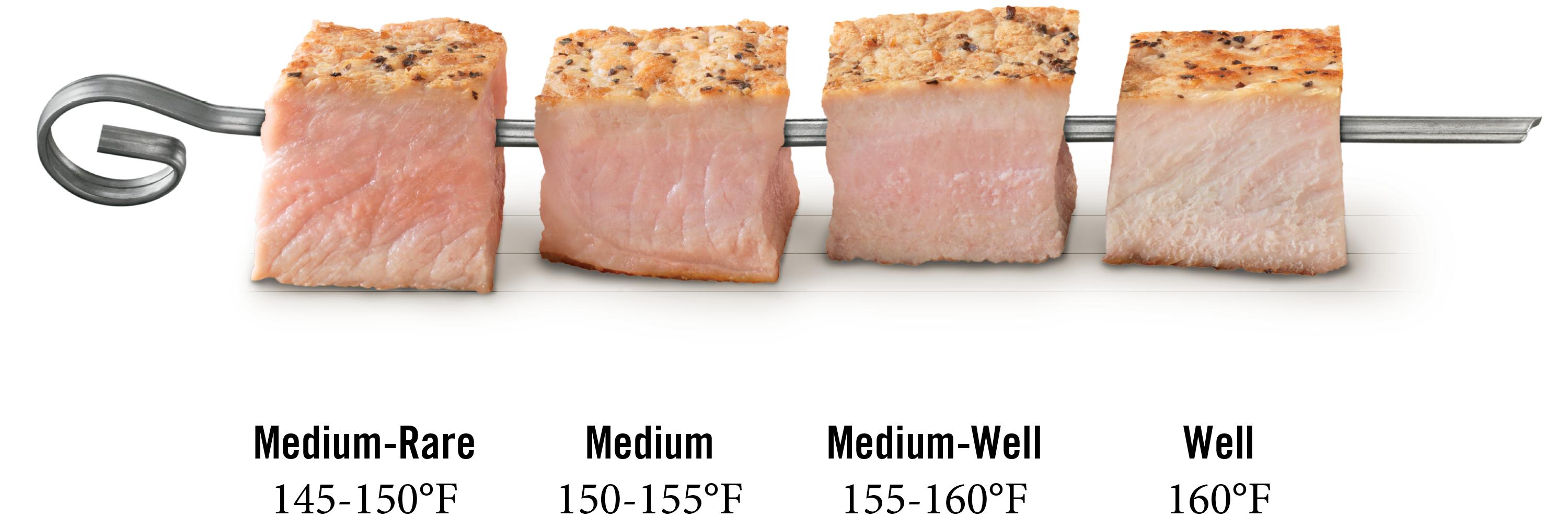
- Whole cuts (chops, roasts, tenderloin): 145°F (63°C) and then let rest for 3 minutes.
- Ground pork: 160°F (71°C) because grinding spreads bacteria through the meat.
- Pre-cooked ham (reheated): 140°F (60°C) to warm through.
- Fresh ham (raw): 145°F (63°C) with a 3-minute rest, same as other whole cuts.
- Pulled pork (for shredding): many recipes target 195–205°F (90–96°C) to break down collagen; final safe temperature is still checked by standard guidance for doneness and texture.
Quick tips:
- Resting matters. Carryover heat raises the internal temp and evens out juices.
- Low and slow vs. high heat: both hit the safe temp, but texture and time differ.
These numbers directly answer What temperature should pork be cooked to for every common scenario.

How to measure pork temperature correctly
A few simple steps prevent errors when checking What temperature should pork be cooked to.
- Use an instant-read digital thermometer for quick checks.
- For roasts, use a leave-in probe thermometer to monitor while cooking.
- Insert the probe into the thickest part of the meat. Avoid bone, fat, or gristle.
- For chops and tenderloins, check near the center.
- Calibrate your thermometer occasionally by testing in ice water (32°F/0°C) and boiling water (212°F/100°C), adjusted for altitude.
Remember to test more than one spot on large roasts. If the probe reads a few degrees below target, give the meat a bit longer and check again.
Cooking methods and how temperature affects texture
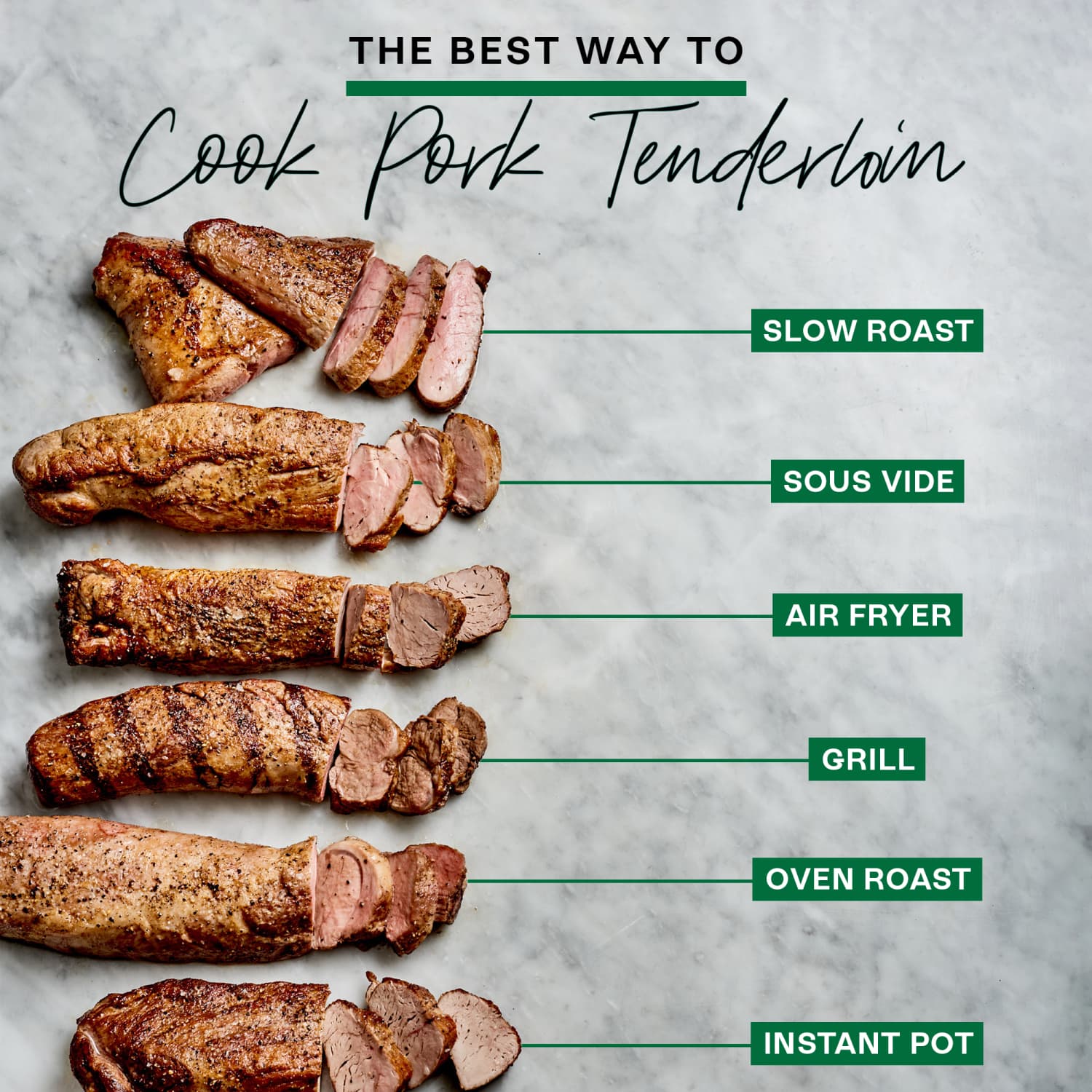
Different methods reach the safe temp in different ways. Choose the method that matches the texture you want and still reaches the right internal temp.
Grilling and searing
- High heat gives a crust and hits 145°F quickly for chops or tenderloin.
- Finish on indirect heat if outside browning before center cooks.
- Oven roasting gives even heat and makes it easy to hit 145°F on whole cuts.
- Use a probe to avoid opening the oven often.
Smoking and slow cooking
- Low-and-slow builds tenderness and can finish at higher temps for pulled pork.
- Monitor internal temp, not surface color, to answer What temperature should pork be cooked to.
Pan-frying and sautéing
- Thin cuts cook fast. Aim for 145°F and rest briefly to keep juices.
Sous-vide
- Precise control lets you pasteurize at lower temps with extended times. Still follow proven time‑and‑temperature tables to be safe.

Common mistakes and how to avoid them
These common errors cost flavor or safety when you try to answer What temperature should pork be cooked to.
- Relying on color: Pink meat can be safe at 145°F after resting. Use a thermometer.
- Cutting too soon: Slicing right away loses juices and hides true doneness.
- Not resting: Rest brings the meat to final temp and redistributes juices.
- Using the wrong spot for the probe: Hitting bone or fat gives false readings.
- Overcooking to “sure” temps: Many people cook pork well past 145°F and get dry meat.
Fixes are simple. Use a good thermometer, check the thickest part, and rest the meat for 3 minutes after it reaches 145°F for whole cuts.
My personal tips and real-life experience
I used to overcook pork to “be safe.” That made it dry. Then I learned to trust a thermometer. My pork chops became juicier once I cooked them to 145°F and rested them.
Lessons I learned
- Trust the numbers, not the color.
- Brine or marinate lean cuts to prevent dryness.
- Sear first for flavor, then finish to the right internal temp.
- For pulled pork, aim for texture as well as temp—195–205°F makes shredding easy.
Try this quick test: Cook a pork tenderloin to 140°F, rest 3 minutes, then slice. You’ll see it’s juicy and safe. This hands-on test made the difference for me when cooking pork and answering What temperature should pork be cooked to.

Frequently Asked Questions of What temperature should pork be cooked to
What temperature should pork be cooked to for pork chops?
Cook pork chops to an internal temperature of 145°F (63°C) and let them rest for 3 minutes before serving to ensure safety and juiciness.
Can pork be slightly pink when safe?
Yes. Whole pork cuts can be slightly pink at 145°F after a 3-minute rest and still be safe to eat because the required pathogens are destroyed.
What temperature should pork be cooked to for ground pork?
Ground pork should be cooked to 160°F (71°C) because grinding can spread bacteria through the meat.
How long should pork rest after reaching the target temperature?
Let whole cuts rest for at least 3 minutes. Resting allows the temperature to even out and juices to redistribute.
What temp should pulled pork reach for tender shredding?
For tender pulled pork, aim for 195–205°F (90–96°C) to break down connective tissue; this is a texture goal beyond the basic safety temp.
Do I need a special thermometer to know what temperature should pork be cooked to?
No special model is required, but an accurate instant-read or probe thermometer makes it easy to hit 145°F for whole cuts and 160°F for ground pork.
Conclusion
Cooking pork to the right temperature keeps it safe and tasty. Remember that What temperature should pork be cooked to depends on the cut: 145°F with a 3-minute rest for whole cuts, and 160°F for ground pork. Use a good thermometer, rest your meat, and choose a cooking method that fits the texture you want.
Try these tips next time you cook pork. If you found this guide helpful, leave a comment, share your results, or subscribe for more practical cooking advice.
Pingback: How Long to Toast a Bagel in the Oven? Best Time & Temperature -