
Store thermometers clean, dry, probe-covered, and kept in a cool, protected place.
I have worked with chefs and home cooks for years, training teams on food safety and tool care. This guide shows exactly how to store a meat thermometer safely so it lasts longer, stays accurate, and avoids cross-contamination. Read on for clear steps, smart storage ideas, and tips I use in my kitchen.
:max_bytes(150000):strip_icc()/MeatTemperatureSafetyGuidecopy2-8040ef9b998844248fc922154042c2fb.png)
Why proper storage matters
Proper storage protects accuracy and food safety. A damaged probe or wet electronics can give wrong readings. Storing your thermometer well also reduces germs and cross-contamination risk. Learning how to store a meat thermometer safely saves money and keeps food safe.

Types of meat thermometers and their storage needs
There are several common types. Each needs a slightly different approach when you learn how to store a meat thermometer safely.
- Instant-read digital probes
- Store dry and with the probe covered. Avoid wrapping the cord tightly.
- Leave-in oven thermometers
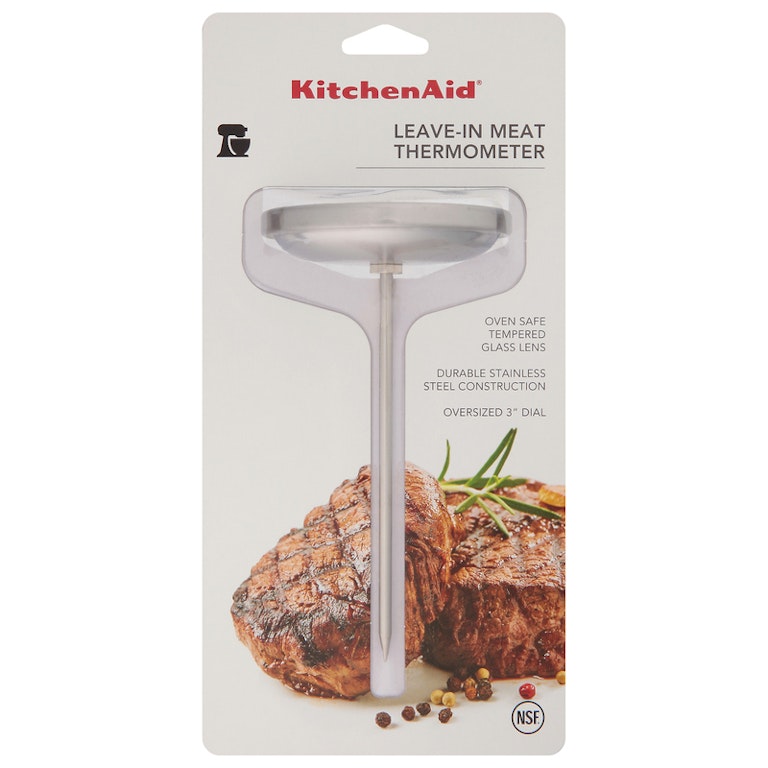
- Remove batteries before long storage. Keep probe covers on to protect tips.
- Dial or analog thermometers
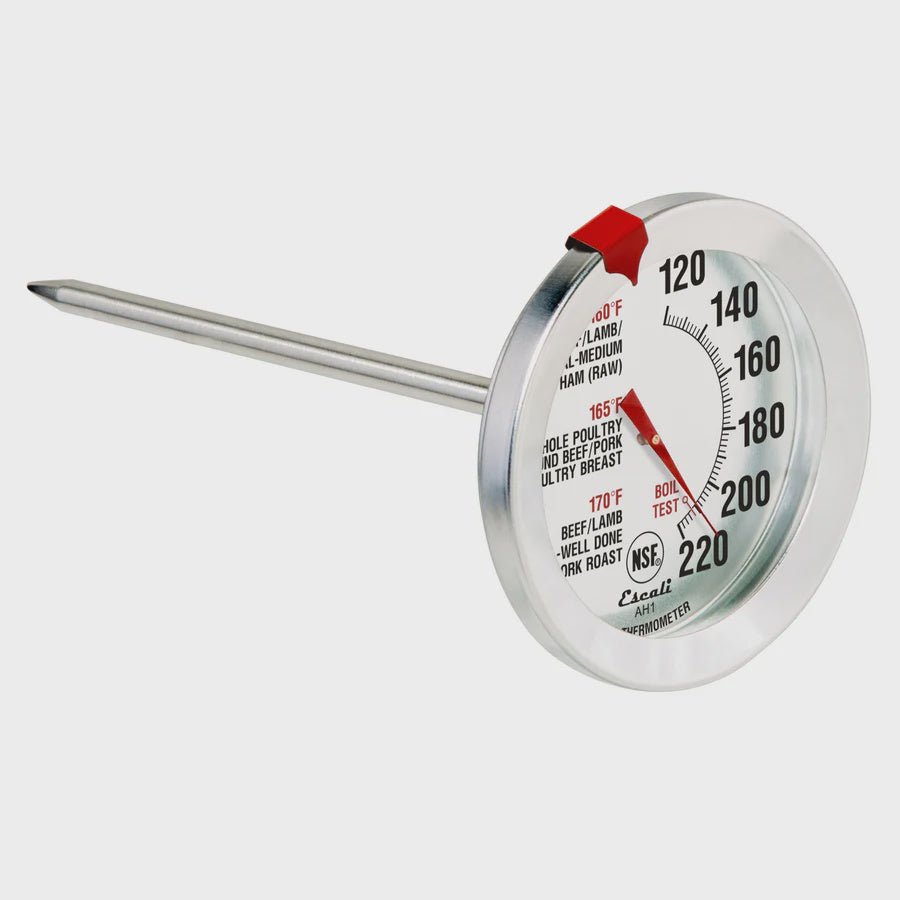
- Store upright or flat in a padded case to protect the glass face.
- Wireless and Bluetooth thermometers
- Remove batteries if not used for months. Keep the transmitter in a dry box.
Knowing your model helps you choose the right storage method. Always check the manufacturer instructions when possible.

How to store a meat thermometer safely: Step-by-step
Follow these simple steps to protect accuracy and hygiene.
-
Clean and dry first
- Wash the probe with warm, soapy water. Rinse and dry the probe completely.
- Wipe the body with a damp cloth and dry any crevices.
-
Protect the probe tip
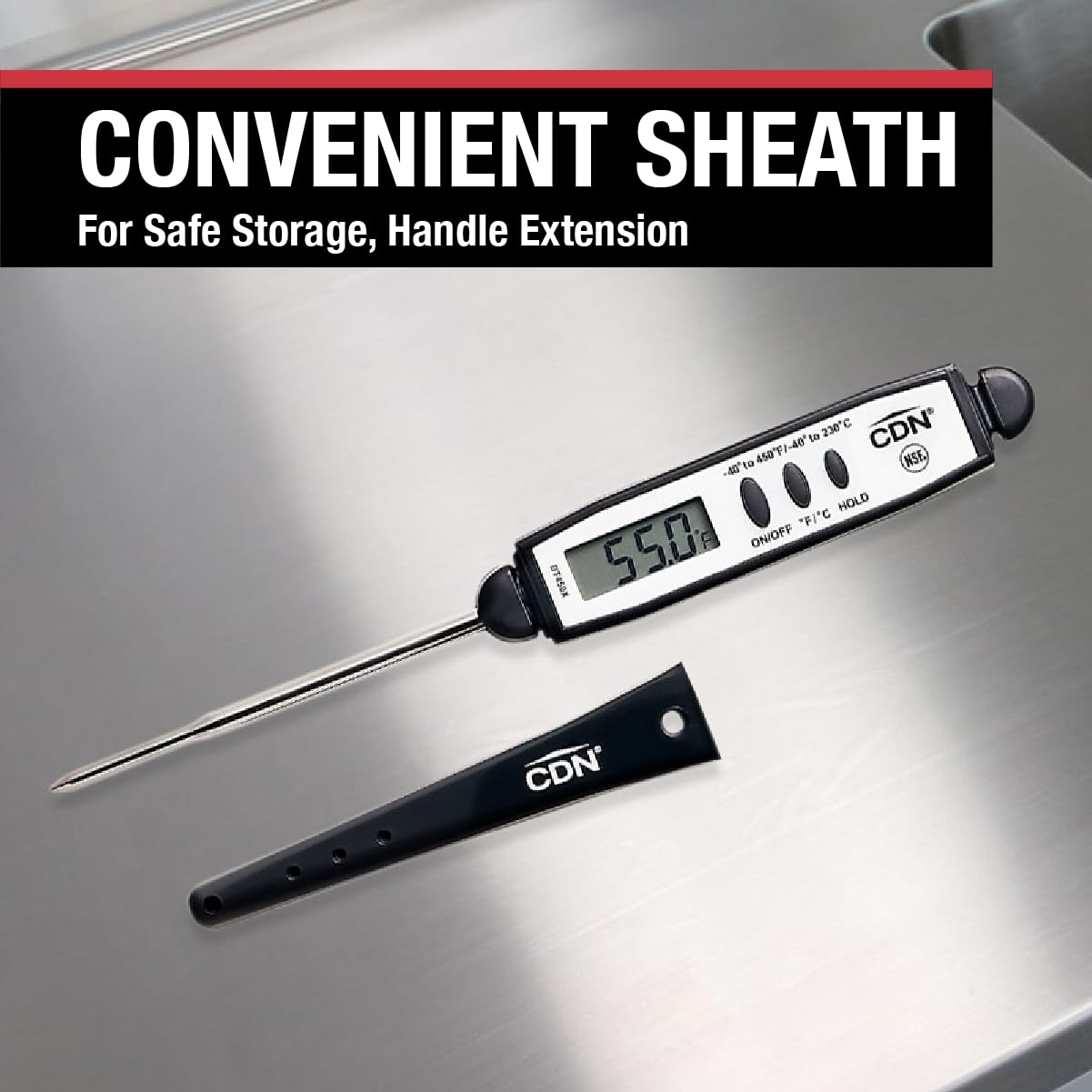
- Use the factory sheath, a silicone cover, or a small storage tube. Soft cases prevent nicks.
- Never store a bare probe against sharp or hard objects.
-
Remove power when needed
- Take out batteries for long-term storage. This prevents leaks and corrosion.
- If your unit uses rechargeable batteries, store it charged about 50 percent to protect battery life.
-
Choose a dry, cool spot
- Avoid heat, humidity, and direct sunlight. A kitchen drawer away from the stove works well.
- Do not store the thermometer next to sinks or dishwashers.
-
Use a dedicated case or organizer
- A small case keeps parts together and prevents damage. Label the case so you know what’s inside.
- For multiple units, use dividers to avoid contact.
-
Keep it separate from raw tools
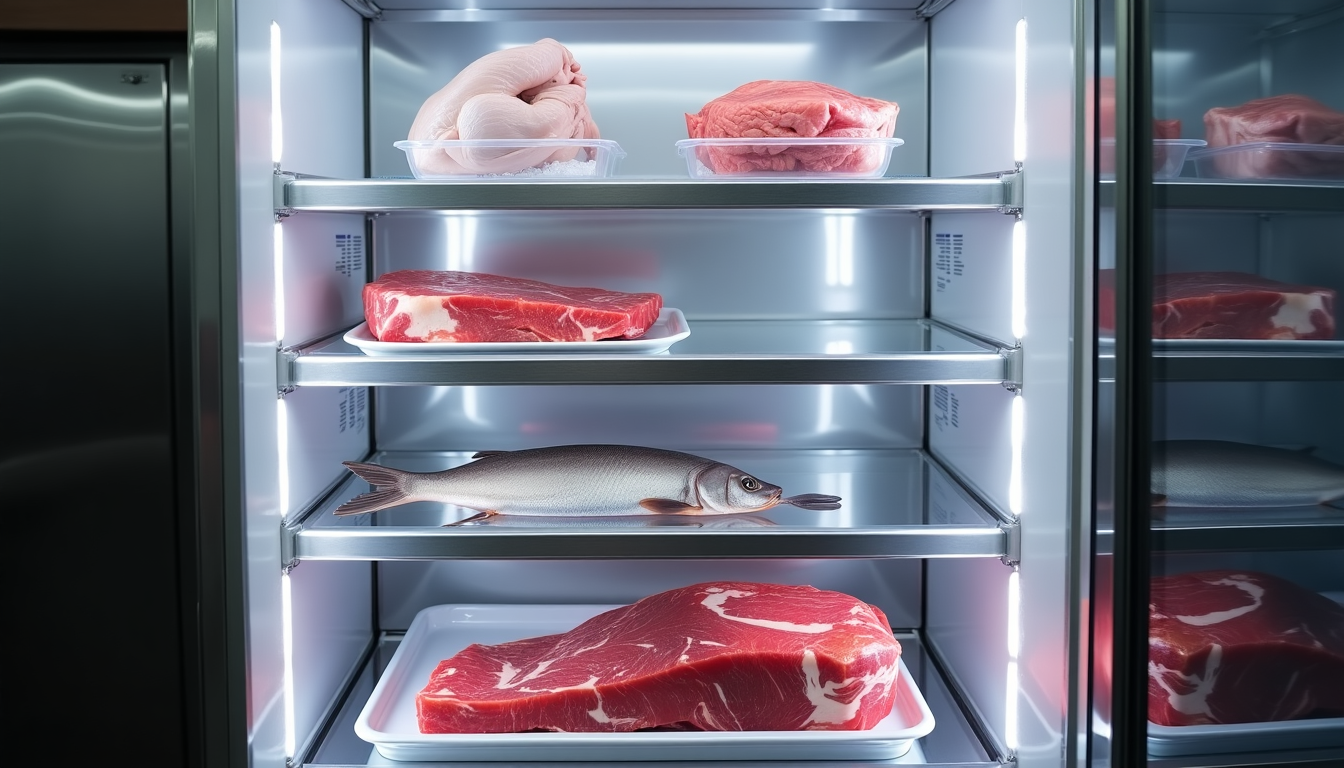
- Store thermometers away from cutting boards and raw meat containers. This reduces cross-contamination.
- If shared among users, clean before and after every use.
These steps form a reliable routine for how to store a meat thermometer safely and keep it working well.
Cleaning and maintenance before storage
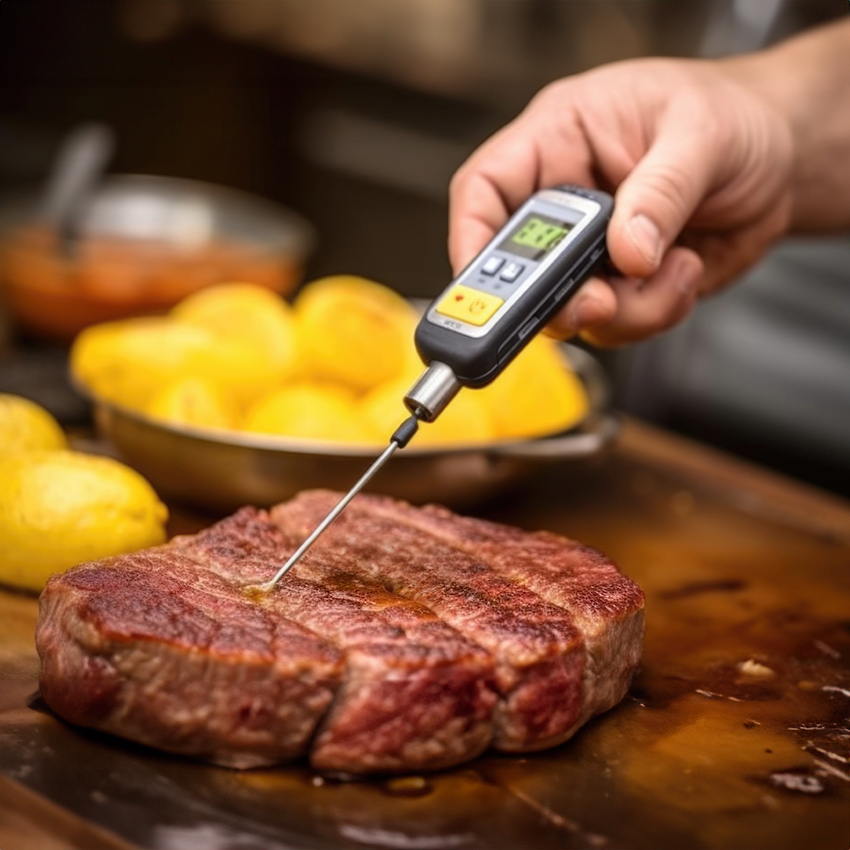
Clean every time you use the thermometer. Food residues can harbor bacteria and damage the sensor.
- Immediate rinse
- Rinse off juices right after checking temperature. This prevents dried-on grime.
- Deep clean when needed
- Use a mild bleach solution or food-safe sanitizer for heavy contamination. Rinse thoroughly afterward.
- Inspect for damage
- Look for bent probes, loose screens, or cracked housings. Replace or repair if needed.
- Calibrate periodically
- Test accuracy with an ice water bath or boiling water method if recommended. Fix calibration issues promptly.
A clean, maintained thermometer stores better and stays accurate longer.
Common mistakes and how to avoid them
Avoid these pitfalls when learning how to store a meat thermometer safely.
- Storing while wet
- Moisture can corrode electronics. Always dry fully before storing.
- Leaving batteries in long-term
- Battery leaks ruin circuits. Remove them if you won’t use the thermometer for months.
- Storing near heat sources
- Heat can warp plastic and damage sensors. Keep away from ovens and direct sunlight.
- Tossing loosely in a drawer
- Loose storage leads to bent probes and cracked screens. Use a case or sheath.
- Skipping cleaning between uses
- This causes cross-contamination. Wipe and sanitize as part of your routine.
Avoiding these errors keeps your thermometer accurate and safe.
Choosing storage accessories
Good accessories make storage simple and safe.
- Probe covers and sheaths
- Protect the tip and keep it clean. Silicone covers are flexible and washable.
- Hard or padded cases
- Ideal for digital units and probes. Look for foam inserts that hold parts in place.
- Magnetic strips or wall hooks
- Use only if probes are protected. Keep them away from high heat.
- Drawer organizers
- Small bins keep pieces separate from other tools.
I prefer a small hard case with foam cutouts. It travels well and prevents accidents.
Personal experience and practical tips
I’ve worked in kitchens where thermometers were tossed in drawers and then failed mid-service. After switching to probe sheaths and labeled cases, breakage stopped. Here are a few tips that helped me:
- Keep one thermometer for raw meat prep and another for plated checks. This cuts cross-contamination risk.
- Label cases with the model and battery type. It saves time when replacing parts.
- If traveling or catering, carry a small zip pouch with spare batteries and a cleaning wipe.
- Replace probes at the first sign of bent tips. Small damage can skew readings.
These simple routines made tool care fast and reliable in busy kitchens.
Related PAA-style questions
How long should I let a thermometer dry before storing it when learning how to store a meat thermometer safely?
- Dry for at least one minute with a clean towel, or air-dry until no moisture remains on the probe or housing.
Can I store a meat thermometer in the refrigerator?
- Avoid storing the thermometer inside the fridge when not in use. The cold and moisture can damage electronics over time.
Is it okay to leave a leave-in thermometer inside the oven during storage?
- Do not leave a leave-in thermometer in the oven unless in active use. Heat can ruin the sensor and battery.
Frequently Asked Questions of How to store a meat thermometer safely
Do I need to remove batteries before storing a meat thermometer?
Yes. Remove batteries if you will not use the thermometer for several weeks or months to prevent leaks and corrosion.
How should I protect the probe tip when storing a thermometer?
Use the factory sheath, a silicone cover, or a padded case. These prevent nicks and keep the tip clean.
Can I sanitize my thermometer with bleach?
You can use a mild bleach solution for heavy contamination but rinse thoroughly and dry before storing to avoid residue.
How often should I calibrate my meat thermometer?
Check calibration every few months or after any drop or heavy use. Use an ice bath or follow the manufacturer’s method.
Is it safe to store my thermometer next to knives and other sharp tools?
No. Store the thermometer in its own compartment or case to avoid contact with sharp objects that can bend or nick the probe.
Conclusion
Storing your thermometer right keeps readings accurate, prevents contamination, and extends tool life. Follow simple steps: clean and dry, cover the probe, remove batteries when needed, and use a case or drawer away from heat and moisture. Start small—add a sheath and a labeled case to your routine this week. Try these tips, leave a comment about your experience, or subscribe for more kitchen safety guides.