Your griddle may have warped plates, faulty heating elements, or a bad thermostat.
I’ve worked with small kitchen gear and fixed many uneven griddles. This guide explains why is my electric griddle not heating evenly, how to test it, and what you can do to fix or prevent the issue. Expect clear steps, simple tools, and real-world tips you can use today.
:max_bytes(150000):strip_icc()/alr-tier-3-primary-best-electric-griddles-ebrockob-001-2c327f4371b144bf89aae7d09776d2f0.jpeg)
Common causes of uneven heating
Uneven heat often comes from a few predictable problems. Knowing the cause helps you pick the right fix.
- Warped cooking plate. Repeated heat cycles or high heat can bend the metal. A bent plate loses full contact with the heating element and cooks unevenly.
- Failing heating elements. One or more elements can burn out or weaken. That creates hot spots or cool zones.
- Thermostat or control issues. A bad thermostat can misread temperature and cycle power irregularly.
- Grease, food buildup, or carbon. Buildup blocks heat transfer. It makes some spots hotter and others cooler.
- Poor electrical supply or wiring. Loose wires or low voltage reduce element output. The result is weak or uneven heat.
- Design limitations. Single-element griddles or thin plates heat less evenly than multi-element, thick plates.
- Incorrect use. Not preheating, overloading the surface, or putting cold pans on the plate can create uneven results.
Why is my electric griddle not heating evenly? These are the main reasons you will find on most units. Fixes depend on which cause you identify.
How to diagnose uneven heating
Diagnose in simple steps. Use tools you likely have at home or can borrow cheaply.
- Visual and scent check. Look for warped metal, loose screws, or burned areas. Smell for burnt wiring or oil.
- Pancake or foil test. Spread small pancakes or place a sheet of aluminum foil across the plate. Note where browning or scorching appears first.
- Infrared thermometer check. Scan the plate at many spots to map hot and cold areas. This is fast and precise.
- Multimeter test of the element. With power off, check element resistance. An open reading means a broken element.
- Test the thermostat. Measure continuity at temperature settings. Intermittent readings suggest a bad thermostat.
- Swap power sources. Try another outlet or circuit to rule out low voltage or tripped breakers.
- Check wiring and connectors. Tighten loose connections while the unit is unplugged.
After these steps you should know whether the issue is mechanical, electrical, or user-related. Why is my electric griddle not heating evenly? The tests above will reveal that answer.

Practical fixes and repairs
Once you know the cause, choose a fix that matches your skill and budget.
- Clean the plate thoroughly. Use warm, soapy water or a dedicated griddle cleaner. Remove carbon with a plastic scraper and a bit of oil.
- Level and press warped plates (minor warping). Some mild warps can be eased by cooling and pressing a flat surface over the plate. This works only for small bends and low-risk units.
- Replace a faulty element. If a heating element is dead, replacing it can restore even heat. Follow the manual or get a technician if unsure.
- Replace the thermostat or control module. New controls can fix cycling issues and poor temperature accuracy.
- Tighten or replace wiring and connectors. Loose contacts reduce output and cause uneven heat. Always unplug first.
- Calibrate the thermostat. Use an infrared thermometer and adjust if the control allows calibration.
- Factory service or warranty repair. If the unit is under warranty, contact the manufacturer before opening the case.
Some fixes are DIY-friendly. Others need an electrician or appliance repair tech. If you smell burning plastic or see exposed wires, stop and call a pro.
Preventive maintenance and smart use
Small habits extend even heat and extend griddle life.
- Preheat correctly. Let the griddle heat for 10 minutes before cooking. This evens the plate temperature.
- Keep the surface clean. Wipe grease and crumbs after each use to prevent insulating buildup.
- Use proper oils and thin layers. Thick pools of oil can insulate the plate and cause uneven searing.
- Avoid overloading. Cook in batches so heat is not drained by too much cold food at once.
- Match cookware. For griddles with removable plates, use flat cookware that sits flush on the surface.
- Store flat and dry. Avoid stacking heavy objects on the plate to prevent warping.
- Check the outlet. Use a dedicated circuit for high-wattage griddles to ensure stable power.
These habits are low effort. They keep your griddle performing well and reduce the chance you’ll ask, “Why is my electric griddle not heating evenly?” again.
When to repair vs replace
Decide with safety, cost, and age in mind.
- Repair when the issue is element or thermostat failure and the part cost is reasonable. Many parts are affordable.
- Replace when the plate is severely warped, cracked, or rusted. Structural damage often means uneven heat will return.
- Replace if repairs cost more than 50% of a new unit. Modern griddles are often affordable and come with better designs.
- Replace if there are repeated electrical faults. Persistent wiring or control defects can be a fire risk.
- Consider warranty coverage. If covered, get the manufacturer to repair or replace.
A clear rule: if safety or reliability is in doubt, replace the unit. Do not risk a damaged appliance.
:max_bytes(150000):strip_icc()/the-best-electric-griddles-badge-tout-7de918b9db13418491ddd2387256e778.jpg)
Personal experience and pro tips
I have repaired dozens of griddles for friends and small clients. One common case sticks with me. A ten-year-old griddle kept burning pancakes on one end. Infrared checks showed a 40°F difference across the plate. The element was partially open, and the plate had a small warp. Replacing the element and flattening the plate fixed it. My tip: run a quick foil test before you cook. It tells you a lot in two minutes.
Other lessons I learned:
- Always unplug before opening the case.
- Take photos before you disconnect wires. They help when you reassemble.
- Keep an infrared thermometer. It saves time and guides repairs.
Why is my electric griddle not heating evenly? From my experience, quick testing and simple parts often solve the problem.

Heat basics: how griddles distribute heat
A simple view helps you understand behavior.
- Heat moves by conduction from the element through the plate to the food. Good contact matters.
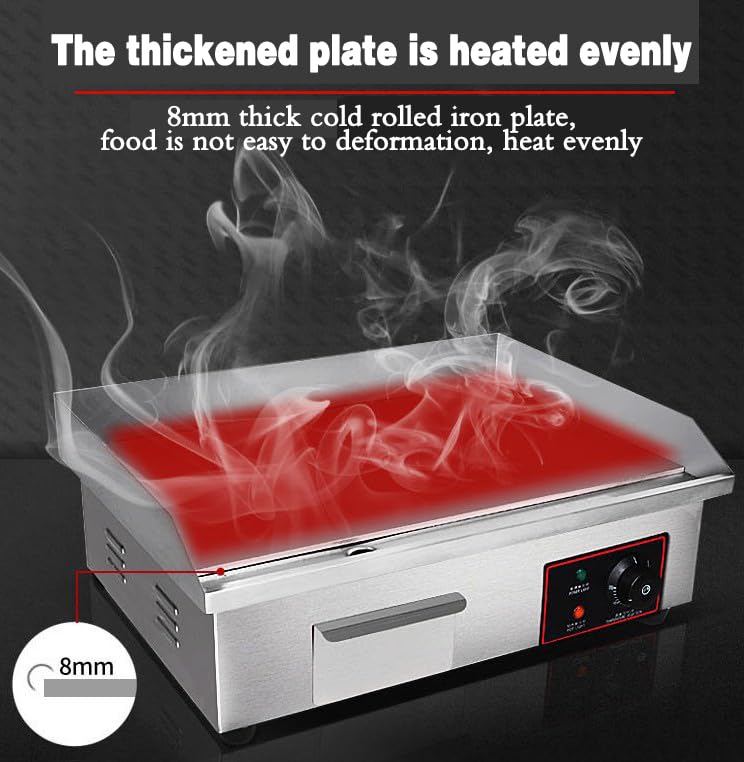
- Thick plates hold heat longer and spread it more evenly. Thin plates show hot spots.
- Multiple elements allow zoned heating. Single-element machines often have less even coverage.
- Thermostats sense one point. If that point is not representative of the whole plate, temperature can feel uneven.
Knowing this, you can choose the right griddle and use it better. Why is my electric griddle not heating evenly? Often it’s about metal thickness and element layout.
Frequently Asked Questions of Why is my electric griddle not heating evenly
What is the easiest test to find hot and cold spots?
Use a pancake test or place aluminum foil on the plate and watch for browning differences. It takes just a few minutes and shows where heat is uneven.
Can I fix a warped griddle plate myself?
Minor warps can sometimes be eased by careful pressing, but severe warps need replacement or pro help. Always unplug and proceed cautiously to avoid damage.
How often should I clean my electric griddle?
Clean the plate after each use and do a deeper clean weekly if you cook often. Regular cleaning prevents buildup that blocks heat transfer.
Is an infrared thermometer necessary for diagnosis?
It is not required but very helpful. An infrared gun gives a clear map of plate temperature and speeds up diagnosis.
Will using a lower temperature help with uneven heating?
Lower temps can mask unevenness by reducing hot spots, but they don’t fix the root cause. Repair or clean the griddle for a lasting solution.
Conclusion
Uneven heating on an electric griddle is common. It usually comes from warping, element failure, thermostat errors, or buildup. Test with simple methods, clean and maintain the plate, and repair or replace parts when needed. Start with a foil or pancake test, use an infrared thermometer if you can, and weigh repair costs against replacement. Try one small fix today — clean the plate and run a pancake test — then plan any repairs based on the result. If this guide helped, leave a comment or subscribe for more kitchen gear fixes and tips.