Yes — but with caution: metal utensils can scratch certain griddle surfaces and shorten their life.
I’ve cooked on electric griddles for years and tested many tools. This guide explains whether Can you use metal utensils on an electric griddle, when it’s safe, and how to protect your surface. You’ll learn which griddle types tolerate metal, which ones don’t, how to repair damage, and practical tips I use in my kitchen to avoid costly mistakes.
:max_bytes(150000):strip_icc()/alr-tier-3-primary-best-electric-griddles-ebrockob-001-2c327f4371b144bf89aae7d09776d2f0.jpeg)
Understanding electric griddles and surface types
Electric griddles come in a few common surface types. Nonstick coated plates have a slick PTFE or ceramic layer. Stainless steel and cast iron plates are bare metal and handle scrapes better. Knowing your griddle’s surface is the first step when asking Can you use metal utensils on an electric griddle.

Can you use metal utensils on an electric griddle?
Many people ask Can you use metal utensils on an electric griddle because they want durability and better searing. The short reality is that the answer depends on the griddle surface. On stainless steel or cast iron plates, metal spatulas and tongs are fine. On nonstick or ceramic-coated plates, metal utensils can scratch or chip the coating and reduce nonstick performance.
Damage from metal tools looks like fine scratches, flaking, or worn spots. Those flaws can make food stick, change heat transfer, or release coating particles. If you value a long-lasting nonstick finish, avoid scraping it with rigid metal edges.
- Pros of metal utensils on metal plates: strong, thin edges for good sear control and easy food flip.
- Cons of metal utensils on coated plates: risk of scratching, shortened lifespan, and possible coating flaking.
Safe utensils and best practices
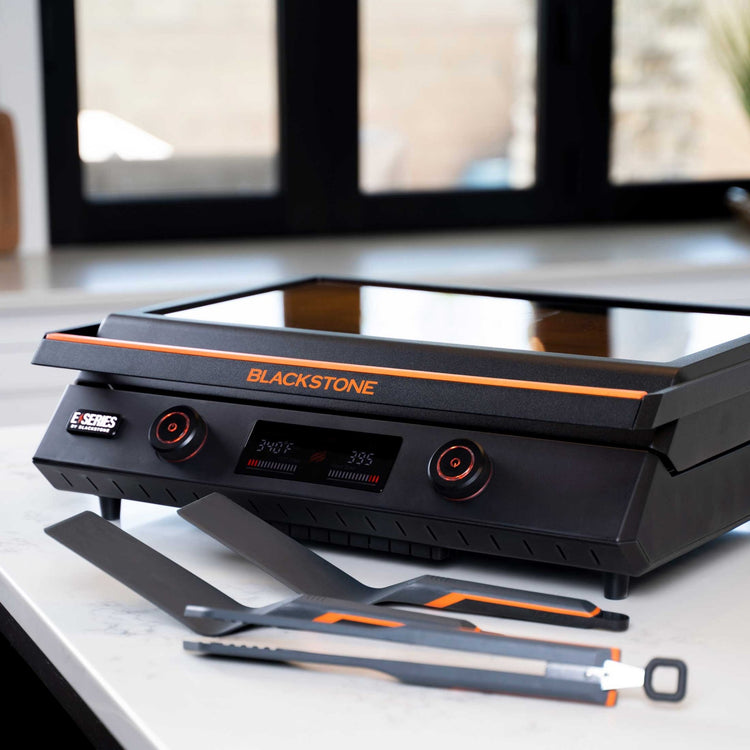
Picking the right tool keeps your griddle working well. If you own a stainless steel or cast iron griddle, choose metal spatulas and metal tongs. If your griddle has nonstick or ceramic coating, use wooden, silicone, or nylon tools instead. Always check the manufacturer’s care tips first.
Here are practical tips I use in my kitchen:
- Use a thin, slotted stainless steel spatula for flipping on uncoated plates.
- Use silicone scrapers for stirring and scraping stuck bits on coated plates.
- Lift food rather than slide aggressively to reduce scraping.
- Clean with soft cloths and nonabrasive pads only.

How to protect and repair the griddle surface
Prevention beats repair. Season cast iron or steel plates regularly with a thin oil layer. That builds a natural nonstick layer and hides minor scratches. For nonstick surfaces, avoid high heat and abrasive scrubbing to preserve the coating.
If your nonstick surface is lightly scratched, try these steps:
- Clean with mild soap and a soft sponge.
- Recondition by cooking a thin coat of oil and wiping excess.
- For deep gouges or flaking, consider replacing the plate or contacting the maker.
From my experience, small scratches can be managed, but once coating flakes, the best fix is replacement. Trying to sand or “recoat” at home often makes the problem worse.
:max_bytes(150000):strip_icc()/sea-zojirushi-ea-dcc10-gourmet-sizzler-electric-griddle-ashia-aubourg-03-130ebd200b4a4c7dad222ce1fa349245.jpeg)
Buying guide: choose the right griddle and utensils
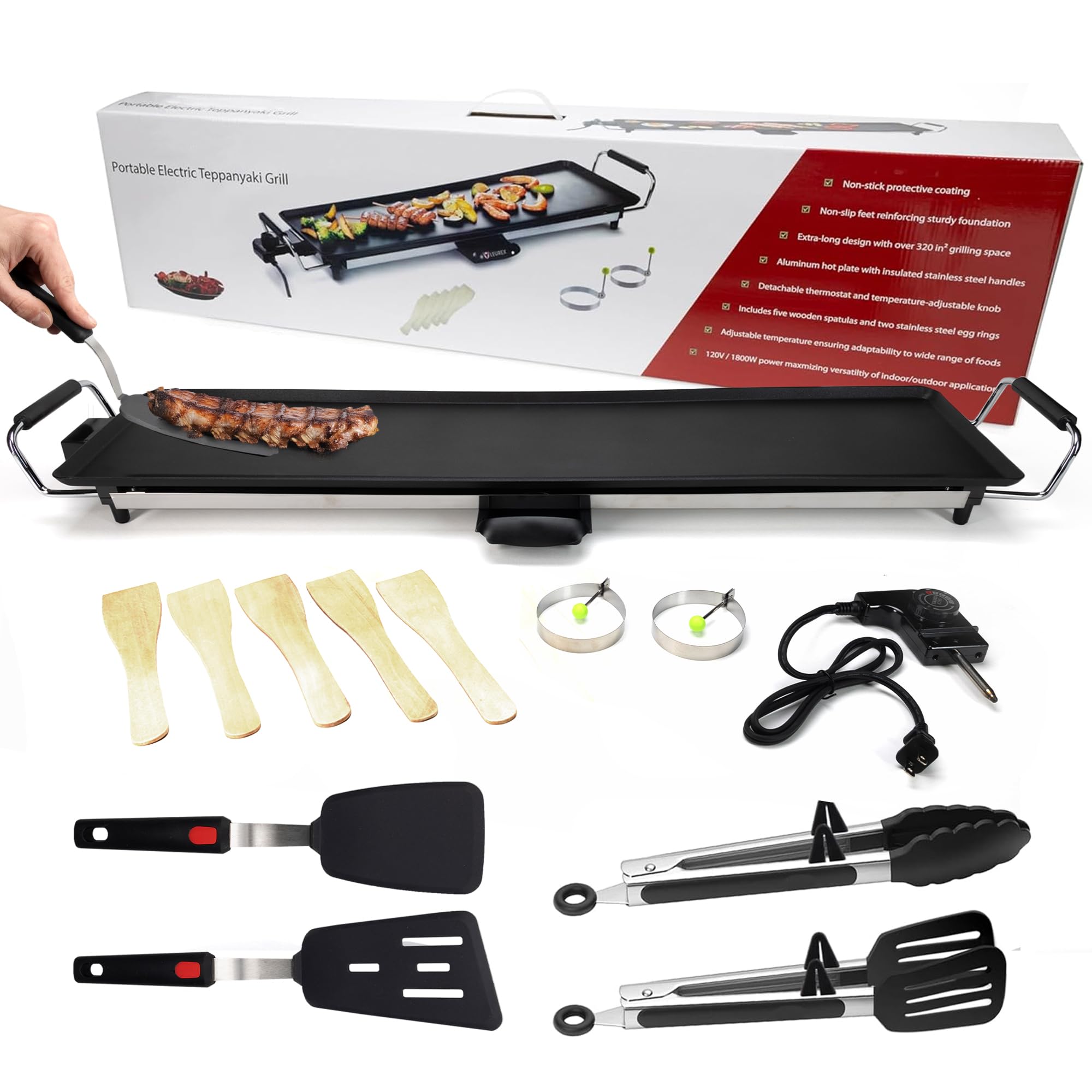
Choose a griddle that matches how you cook. If you like heavy searing and metal tools, buy stainless steel or cast iron plates. If you want easy cleanup and low-fat cooking, pick a high-quality nonstick or ceramic plate and pair it with soft utensils.
Key features to look for:
- Plate material listed clearly in specs.
- Removable plates for easy cleaning and safe handling.
- Manufacturer guidance on safe utensils and heat limits.
- Spare plates or a warranty that covers surface wear.
Common mistakes and how to avoid them
Many mistakes are easy to fix before they become costly. Avoid these simple errors:
- Using a metal fork to flip on nonstick plates. This causes scratches.
- Heating empty nonstick plates to extreme temps. Heat can warp and degrade coating.
- Scrubbing with metal scouring pads. These remove the finish quickly.
- Ignoring manufacturer care tips. They often list tested safe tool types.
I once used a rigid metal scraper on a coated plate and lost the nonstick in a year. Learning to use a silicone scraper saved me from repeating that error.

Frequently Asked Questions of Can you use metal utensils on an electric griddle
Can you use metal spatulas on an electric griddle?
You can use metal spatulas safely on stainless steel or cast iron griddle surfaces. Avoid metal spatulas on nonstick or ceramic-coated plates to prevent scratches and coating damage.
Will metal utensils ruin a nonstick electric griddle?
Metal utensils can scratch and wear down nonstick coatings over time. Deep scratches may lead to flaking and reduced nonstick performance, so use nonmetal tools instead.
Are stainless steel griddles better for metal utensils?
Yes, stainless steel griddles handle metal utensils well and resist scratching compared to coated plates. They are great for high-heat cooking and creating sear marks.
How do I know what my griddle surface is made of?
Check the product manual, label, or online product page for material details. If unsure, contact the manufacturer or inspect the plate: bare metal looks shiny, while coated surfaces feel slick and may have a colored finish.
Can I repair scratches on a cast iron griddle?
Yes, light scratches on cast iron can be fixed by cleaning, re-seasoning with oil, and heating. Deep gouges can be smoothed with light sanding and re-seasoning, but extreme damage may need professional attention.
Is it safe to use metal tongs on a ceramic-coated griddle?
Metal tongs risk chipping the ceramic layer if used roughly. Use silicone-tipped tongs or metal tongs gently and avoid scraping the plate to keep the coating intact.
Conclusion
Metal utensils can be great tools for many electric griddles, but only when the surface can take them. Know your plate type, follow the maker’s care tips, and use the right tools to protect your griddle and food. Try simple changes like switching to silicone or wooden tools on coated plates, and season metal plates often to get the best results.
Take action now: check your griddle’s manual, sort your utensils by surface type, and try one protective habit this week — like using a soft scraper or re-seasoning the plate. If this guide helped, leave a comment with your griddle type or share a tip that worked for you.