
Gently buff and re-season the surface for light scratches; replace or refinish if deep or flaking.
I’ve worked with kitchen gear for years and have fixed many scratched griddles. This guide explains how to remove scratches from an electric griddle safely and effectively. I’ll show you how to tell light scratches from dangerous gouges, which methods work for nonstick, stainless, and seasoned surfaces, and when to stop and replace the unit. Read on to get clear, tested steps you can use today.
Why electric griddles scratch and when to fix them
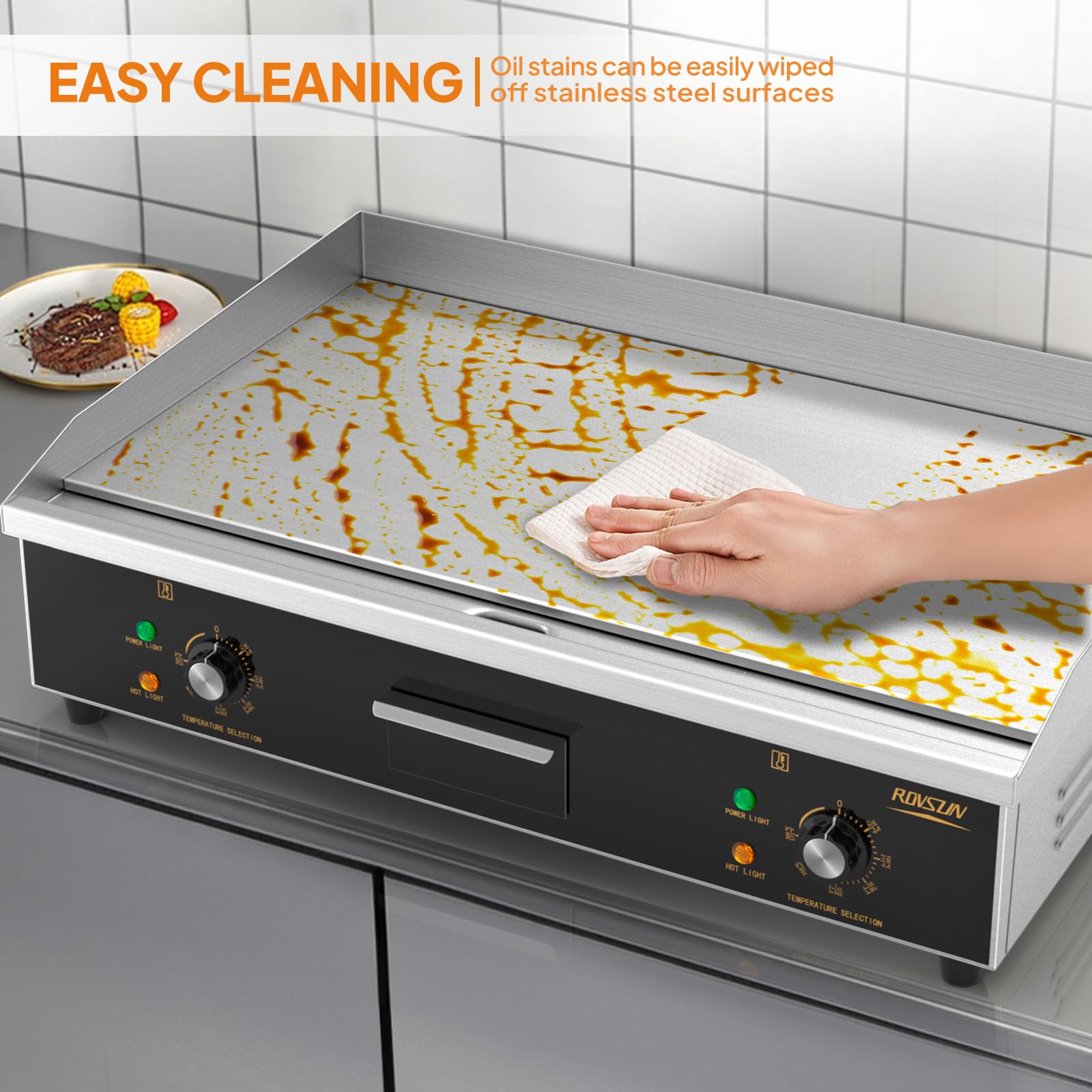
Scratches happen from metal spatulas, abrasive cleaners, and stacking cookware. Some scratches are only cosmetic. Others cut into coatings or expose bare metal. You should remove scratches from an electric griddle when they affect cooking, trap food, or expose layers that can flake. Fixing light marks restores performance and helps hygiene.
Safety first: what to do before you start
Always unplug the griddle and let it cool fully. Check the owner’s manual and warranty before any repair. Wear gloves and eye protection when using cleaners or polishing compounds. If your griddle has a factory nonstick coating, be cautious; some fixes can void warranties or damage the surface.

How to assess the scratch: light vs deep
Light scratches sit on the surface and don’t catch your fingernail. They may dull the finish but not remove coating layers. Deep scratches catch with a fingernail, reveal different-colored metal, or cause flaking. Test with a fingernail and water: light scratches will not collect water or rust. If coating flakes, stop and consider replacement or professional recoating.
Methods to remove scratches from an electric griddle
Below are safe, surface-specific methods to remove scratches from an electric griddle. Pick the method that matches your griddle type and scratch depth.
Nonstick (Teflon or ceramic) griddles — light scratches
Nonstick coatings are delicate. Avoid harsh abrasives. Use gentle cleaning and buffing.
- Clean the surface
- Wash with warm water and mild dish soap.
- Rinse and dry thoroughly.
- Try a baking soda paste
- Mix baking soda and water to a paste.
- Apply and rub gently with a soft cloth in small circles.
- Rinse and dry. Baking soda is mildly abrasive and can brighten light scratches.
- Use a non-abrasive scouring pad
- Use a soft, non-scratch pad (no metal).
- Rub lightly along the grain of the surface.
- Re-season and condition
- Apply a thin layer of high-smoke-point oil.
- Heat per manufacturer instructions or until oil bonds.
- This helps fill tiny surface irregularities.
If deep scratches expose base metal or coating flakes, do not try heavy sanding. Replace the griddle or contact the maker. Trying to sand a nonstick surface can release toxic particles and ruin the coating.
Stainless steel or aluminum griddles — light to moderate scratches
These metals tolerate more robust polishing.
- Clean the cooking area
- Remove grease and bits with warm soapy water.
- Dry the surface.
- Use a fine abrasive
– Apply a metal polish or a paste of baking soda and water.
- Use very fine steel wool (0000 grade) or a non-woven pad.
- Work with the grain or in gentle circular motions.
- Polish and finish
- Buff with a microfiber cloth until smooth.
- Apply a light coat of oil for corrosion protection if needed.
For deeper gouges on stainless, a metal polishing kit or a professional buffing wheel gives better results. Always follow safety steps and test in an unseen spot first.
Seasoned or cast-iron style electric griddles
Seasoned surfaces handle scratches differently. They often benefit from re-seasoning rather than polishing.
- Remove loose debris and rust
- Use a nylon brush or fine steel wool for light rust.
- For heavy rust, remove seasoning with coarse scrub and re-season.
- Smooth edges
- Lightly sand sharp areas with fine-grit sandpaper.
- Wipe clean.
- Re-season
- Coat with a thin layer of flaxseed or vegetable oil.
- Heat until oil polymerizes. Repeat 2–3 times.
Seasoned griddles gain a stronger surface after re-seasoning. This method helps to remove shallow scratches and prevent sticking.
Deep gouges and when not to repair
If the scratch is deep enough to cut your fingernail or the coating is flaking, do not attempt heavy abrasion. Deep gouges can trap bacteria and contaminate food. For factory-coated plates, replacing the plate or the whole unit is safer. For stainless surfaces with structural damage, consult a professional.
Restoring performance and nonstick surface
After removing scratches, restore the cooking surface for best results.
-
Re-seasoning steps
- Clean the plate thoroughly.
- Apply a thin, even coat of a neutral oil.
- Heat to the recommended temperature for 10–20 minutes.
- Let cool and wipe off excess.
-
Testing
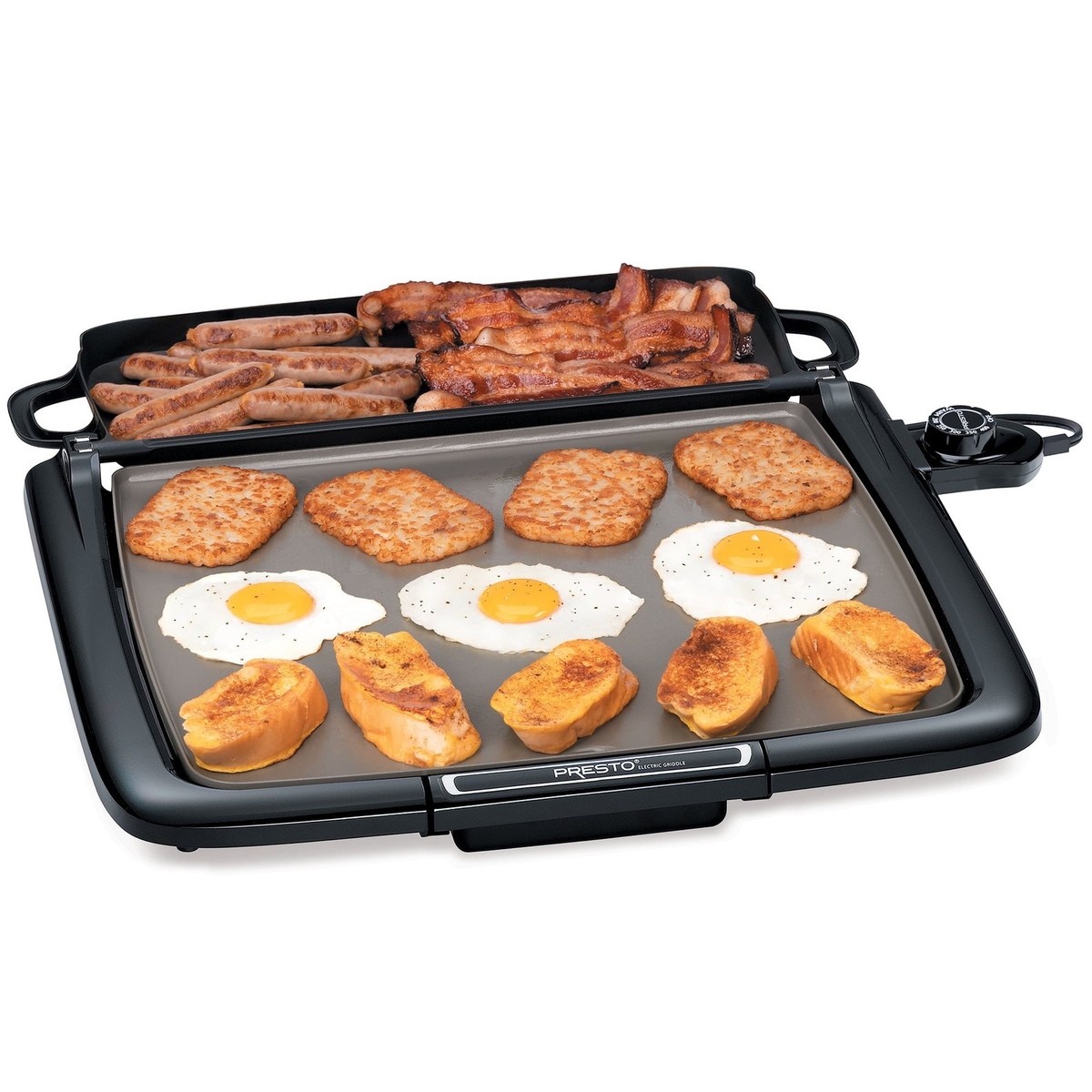
- Cook a simple item like an egg to check stick resistance.
- If food sticks or flavor is off, repeat seasoning or reassess the repair.
Regular seasoning keeps surfaces smooth and reduces the visual and functional effects of light scratches.

Prevention: how to avoid scratches on electric griddles
Good habits stop most scratches before they start.
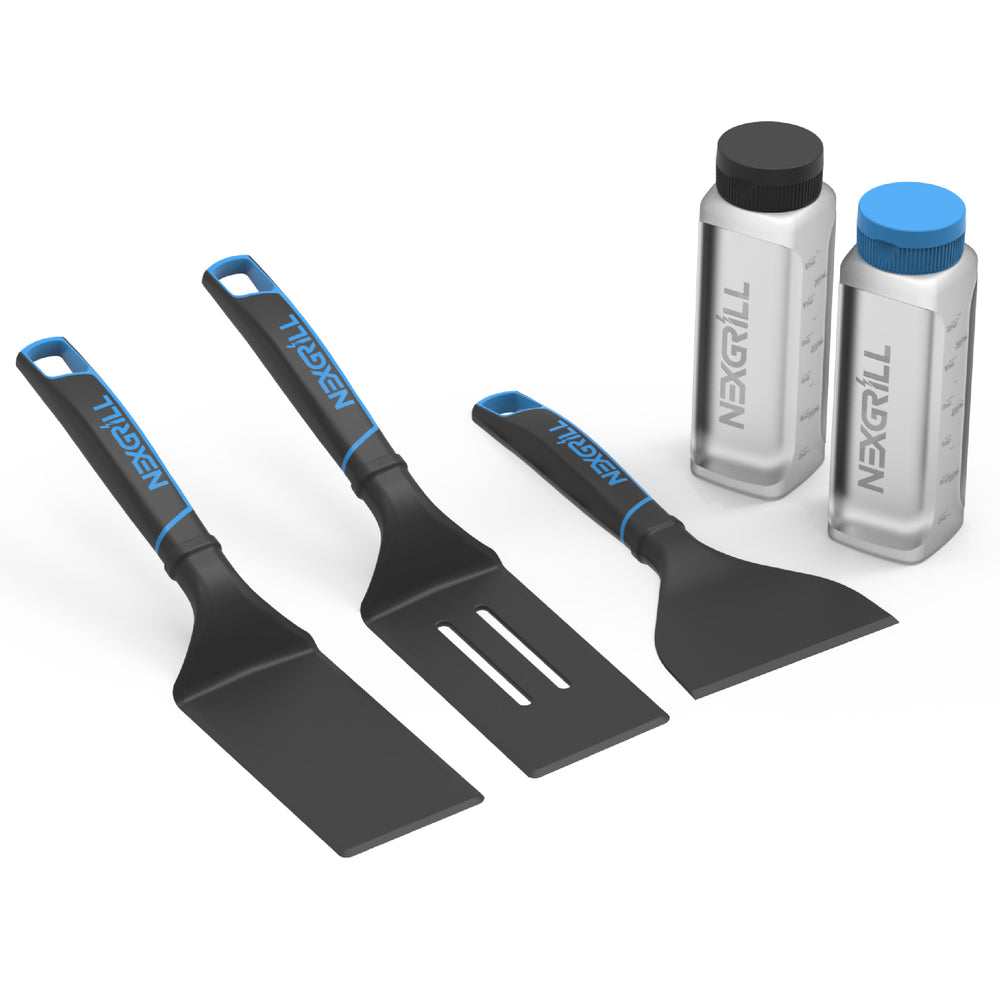
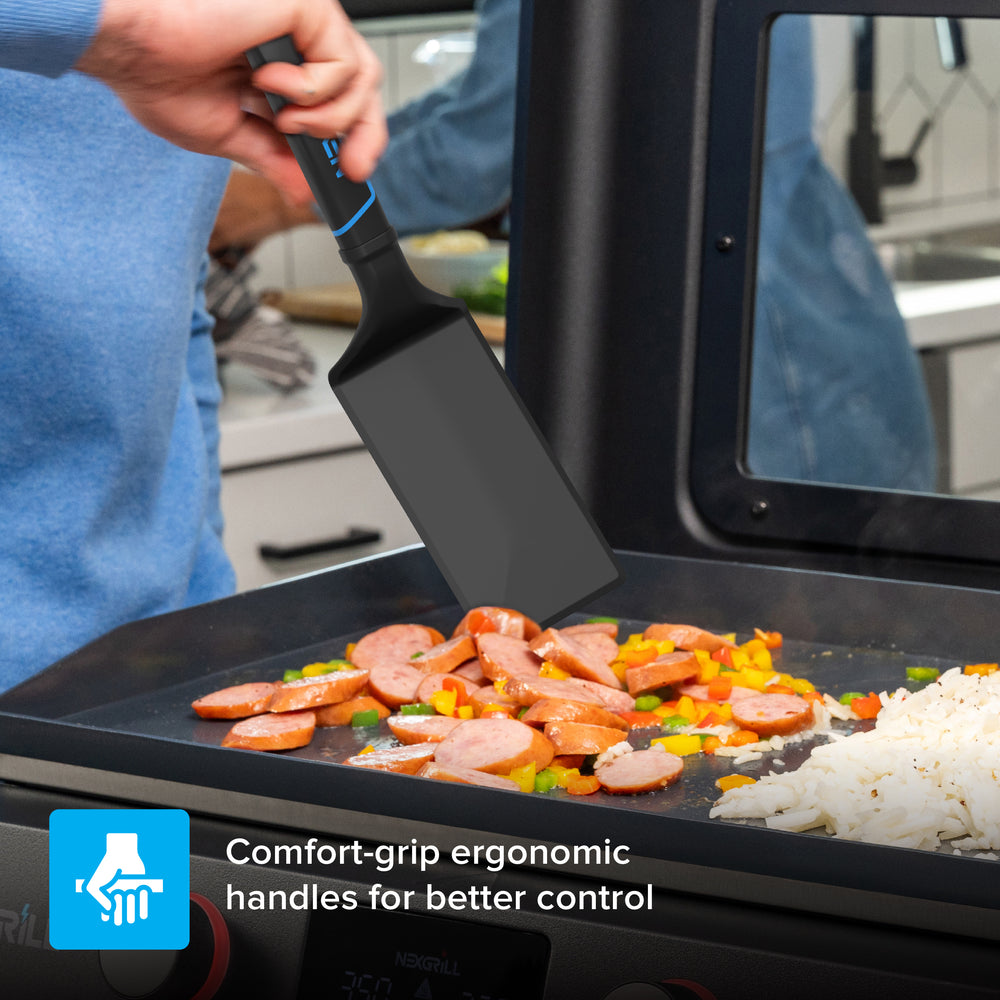
- Use wooden, silicone, or plastic spatulas instead of metal.
- Avoid metal scrubbers; use soft cloths or non-abrasive pads.
- Don’t drag heavy pans across the surface.
- Store plates separately or with protective liners.
- Clean gently after use; hard scrubbing only when needed.
- Follow the manufacturer’s care guide for temperatures and cleaners.
Prevention saves time and keeps your griddle cooking well for years.
My personal experience and tips
I once tried to fix a ceramic griddle with a heavy steel pad. It made the scratch worse and ruined the finish. After that, I stuck to baking soda pastes and re-seasoning. For stainless griddles, fine wool plus a quality polish gave near-new results. Lesson learned: match the method to the surface and start gentle.
Frequently Asked Questions of How to remove scratches from an electric griddle
Can scratches on an electric griddle be completely removed?
Light scratches can often be reduced or blended out. Deep gouges cannot be fully repaired on coated plates and may need replacement.
Is it safe to use steel wool on an electric griddle?
Use very fine (0000) steel wool only on bare metal surfaces like stainless. Do not use steel wool on nonstick coatings.
Will scratches make my griddle unsafe to cook on?
Minor surface scratches are usually safe. If coating flakes or metal is exposed and crumbling, stop using it and repair or replace the unit.
What home remedy best removes scratches from an electric griddle?
A baking soda paste and a soft cloth is the gentlest first step. For metal griddles, a metal polish or fine abrasive can work.
How can I prevent scratches in the future?
Use nonmetal utensils, gentle cleaners, proper storage, and regular seasoning to prevent scratches and prolong the griddle’s life.
Conclusion
You can remove scratches from an electric griddle in many cases by matching the fix to the surface. Start gentle with cleaning and baking soda paste for nonstick plates, use fine polish for metal surfaces, and re-season to restore performance. Stop and replace the griddle if coatings flake or deep gouges appear. Try one small test spot first, follow safety and manufacturer advice, and adopt simple habits to prevent future damage. If this guide helped, leave a comment, share your repair story, or subscribe for more practical kitchen tips.