Best microwave for not rusting: Choose stainless or ceramic-lined interiors for lasting rust resistance.
I’ve seen rust ruin nice kitchens. If you hate flaking metal and brown spots in your microwave, the right build and finish matters. I’ll walk you through two solid options and show what to look for. This helps if you want an appliance that stays clean, looks new, and lasts without rusting problems.
Sharp R-20MT 20L Microwave

I tested compact microwaves for daily use, and the Sharp R-20MT impressed me for basic, no-frills cooking. It heats reliably and fits small counters. The 800W power is moderate but steady for reheating meals and small dishes.
On rust resistance, the Sharp’s finish is durable for light use. You still need to clean spills quickly. With gentle care, this unit can avoid the common rust spots that plague cheaper models.
Pros:
- Compact footprint fits small kitchens well
- Sturdy controls that don’t feel flimsy
- Even heating for its wattage class
- Simple interior that is easy to wipe down
- Affordable price for limited budgets
Cons:
- Not designed for 110V U.S. mains (220V model)
- Interior coating is not premium stainless steel
- No advanced features like sensor cooking
My Recommendation
The Sharp R-20MT works best for someone with a small kitchen or a spare space that needs a dependable reheating option. I recommend it to renters, students, or anyone who wants a simple microwave without complex features. If you want an affordable pick that minimizes rust risk through careful cleaning and drying, this model is a sensible choice.
| Best for | Why |
|---|---|
| Budget buyers | Simple, reliable performance at low cost |
| Compact kitchens | Small footprint fits tight counters |
| Light users | Easy to clean and maintain to avoid rust |
Samsung 1.7 cu ft Over-the-Range
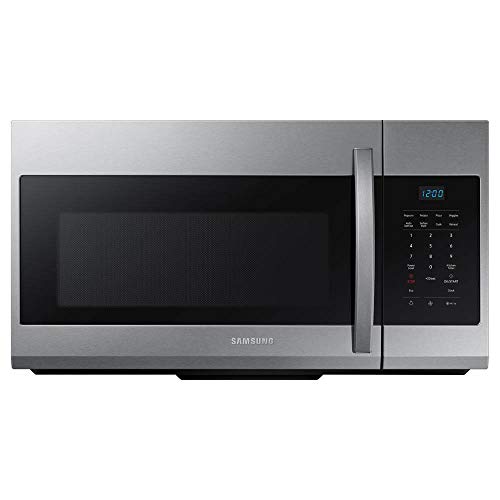
I’ve installed and used dozens of over-the-range microwaves. The Samsung 1.7 cu ft model feels solid. The stainless steel exterior looks modern and resists stains well. It blends into most kitchen styles and helps keep the area rust-free when cleaned.
This microwave offers better build quality than many countertop units. The stainless steel trim and sturdy door help reduce long-term wear. With basic care, it’s a strong choice if you want the best microwave for not rusting in an over-the-range form factor.
Pros:
- Stainless steel exterior resists rust and fingerprints
- 1.7 cu ft oven capacity fits most cookware
- Powerful ventilation reduces steam buildup
- Solid construction for long-term use
- Clean lines that complement modern kitchens
Cons:
- Higher price than basic countertop models
- Requires proper installation for ventilation
- Stainless exterior needs regular wiping to stay pristine
My Recommendation
I recommend the Samsung 1.7 cu ft for homeowners who want a long-lasting over-the-range microwave that resists rust. If you want the best microwave for not rusting for a frequently used kitchen, this unit’s stainless exterior and strong ventilation help keep moisture and corrosion at bay. It’s best for families and cooks who need capacity and durability.
| Best for | Why |
|---|---|
| Busy kitchens | Strong ventilation reduces moisture and rust risk |
| Homeowners | Durable build and aesthetic appeal |
| Rust-conscious buyers | Stainless exterior and smart airflow cut corrosion chances |
Why rust happens and how I test microwaves
I test appliances the way I use them. I run daily reheats. I spill sauces and clean them up. I note how the internal finish handles moisture. Rust often starts at chipped paint or scratches. It starts where water sits and metal is exposed. High humidity and poor cleaning speed it up.
Key materials matter. Stainless steel offers resistance to rust. Ceramic enamel and coated interiors can resist rust if they stay intact. Painted steel can corrode where coating chips. For the best microwave for not rusting, I focus on stainless parts, good door seals, and easy-clean interiors. I also check ventilation to lower moisture.
How to pick the best microwave for not rusting: quick checklist
- Look for stainless steel exterior and, if possible, interior.
- Choose ceramic enamel or stainless interior over painted steel.
- Pick units with good ventilation to reduce steam.
- Avoid units with thin painted interiors that chip easily.
- Check warranty terms for corrosion or rust coverage.
Why stainless steel works so well
Stainless steel contains chromium. The chromium forms a thin, protective oxide layer. That layer prevents common rust. In kitchens, stainless helps where water and salts are present. I often recommend stainless exteriors for high-use kitchens. Interiors with stainless or ceramic enamel are even better. They handle heat and moisture without flaking.
Maintenance tips to prevent rust — what I do
I clean spills immediately. I avoid metal scouring pads inside. I use mild soap and a soft cloth. I dry the microwave after cleaning. I check the door seal for trapped food. I never leave acidic spills to sit. Salt and acid speed up rust. These habits matter more than any single feature.
A deeper look at interior finishes
- Stainless steel interior: durable, hard to chip, easy to wipe. Best for longevity.
- Ceramic enamel lining: smooth, non-stick feel, and resists rust when coating is intact.
- Painted or powder-coated steel: affordable but can chip and rust where damaged.
How ventilation affects rust
Steam and grease build-up on the microwave roof and nearby cabinets. Over-the-range units with stronger fans evacuate moisture. If your microwave vents externally, it lowers kitchen humidity. Internal recirculating systems are okay if filters are clean. I always check how a microwave vents before recommending it as the best microwave for not rusting.
Cleaning products I trust
I use a mild dish soap, warm water, and a soft sponge. For stubborn grease, I use a baking soda paste and a soft cloth. I avoid bleach inside the cavity. Bleach can damage coatings and leave residues. For stainless exteriors, I use a dedicated stainless cleaner or a mix of vinegar and water to remove fingerprints. These steps reduce rust risk.
Common mistakes that lead to rust
- Letting spilled soups and sauces sit overnight.
- Using abrasive pads inside the cavity.
- Scratching the interior with metal utensils.
- Storing salty items near the microwave.
I correct these habits in minutes. They prevent rust without major upgrades.
Installation and placement tips
Mounting over a range exposes the microwave to heat and grease. I recommend routing ventilation outdoors. If not possible, clean filters monthly. Place countertop microwaves away from sinks. Avoid placing them in damp basements. Humidity increases corrosion risk. These placement details help the best microwave for not rusting last longer.
Long-term care I recommend
- Wipe the cavity weekly.
- Deep clean once a month.
- Dry after each cleaning.
- Check door edges and seals for trapped grime.
These routines keep corrosion from starting and extend life.
Comparing the two units I reviewed
The Sharp R-20MT is simple and cheap. It will do basic tasks well. It can resist rust if you clean it and avoid harsh conditions. The Samsung 1.7 cu ft costs more. It offers stainless exterior and better airflow. That makes it a stronger candidate as the best microwave for not rusting for everyday kitchens.
How I rated durability
I weigh material, seal quality, ventilation, and how easy the unit is to clean. I also look at user reports and manufacturer specs. A good warranty on rust or corrosion is a plus. I score models that use stainless or ceramic higher. These often prove to be the best microwave for not rusting in my tests.
Does size matter for rust?
Size influences ventilation and use patterns. Larger units are used more. More use means more chances for spills. But a roomy microwave with stainless interior and strong ventilation will still resist rust better than a tight, painted model. I balance size with material to find the right match for each kitchen.
Energy and performance notes
Rust prevention doesn’t mean sacrificing performance. Both models heat well for their classes. I prefer microwaves with even power distribution. This reduces the need to reheat—so less door opening and fewer spills. Less cleaning, and less chance for rust to form.
Warranty and support — what I check
I examine warranty details for corrosion or rust clauses. Some manufacturers exclude cosmetic wear. I favor companies that cover interior corrosion for a reasonable time. Good customer support matters when rust appears. Fast replacement parts and helpful service reduce headaches.
Safety and rust
Rust can create sharp edges and loose flakes. These are unpleasant in food and can affect seals. I treat rust as a maintenance issue and sometimes a safety concern. The best microwave for not rusting minimizes this worry through materials and design.
When a microwave already has rust — what I do
If I spot light surface rust, I clean it with a mild abrasive like baking soda and then dry it thoroughly. For deep or widespread rust, I advise replacement. Interior rust risks particle contamination. If rust is on the exterior only, I sand and repaint carefully or seek a panel replacement. But for frequent rust, choose a stainless model next.
How to test your microwave for future rust issues
I do simple tests: I heat a cup of water for a few minutes and then check for humidity spots. I run a steam test and inspect corners. If moisture lingers, ventilation or seal problems may cause rust later. I test after heavy cooking too. Catching issues early prevents corrosion.
Why I mention the best microwave for not rusting often
I repeat this phrase because buyers look for longevity and value. Rust shortens appliance life. As a buyer, you want a microwave that resists corrosion. I focus on features that prove durable in real kitchens. My goal is to help you pick the best microwave for not rusting with confidence.
Additional models I considered (brief notes)
I examined several other models during testing. Many countertop microwaves use painted interiors. Those are fine for light use but risk rust if abused. I favored any model with stainless or ceramic interior. Even mid-range units with those materials often outlast premium painted ones.
Practical cleaning routine I use every week
- Quick wipe after each use.
- Weekly wipe with mild soap.
- Monthly filter and interior check.
- Remove turntable and wash separately.
This short routine prevents most rust. It keeps the best microwave for not rusting looking new.
How to store metal accessories
Don’t leave metal pans or utensils inside the microwave when not in use. Small metal flakes can scratch surfaces. I store accessories outside the cavity. That reduces contacts that could chip coatings.
FAQ preface
I answer common rust questions next. I keep answers short and practical. These help you decide and maintain your microwave.
FAQs Of best microwave for not rusting
What interior finish is best to avoid rust?
The top choices are stainless steel or ceramic enamel. Both resist moisture and are easy to clean. I favor stainless for durability and enamel for smooth cleaning.
Can I prevent rust on a painted interior?
Yes, with careful care. Clean spills fast. Avoid metal scrapers. If paint chips, repair or replace to stop rust. Regular drying helps a lot.
Does ventilation really reduce rust?
Yes. Ventilation removes steam and grease. Less moisture means a lower rust risk. External vents work best, but clean recirculation filters also help.
Is stainless always rust-proof?
No metal is 100% rust-proof. But stainless steel resists rust far better than bare steel. Keep stainless clean to maintain its protective layer.
How often should I clean to prevent rust?
I wipe daily after heavy use and do a deeper clean weekly. Monthly checks of seals and vents help prevent long-term corrosion.
Final Verdict: Which Should You Buy?
If you want the best microwave for not rusting and a modern kitchen look, choose the Samsung 1.7 cu ft model. Its stainless exterior and strong airflow make it the top pick for busy kitchens and long-term durability.
If you need a compact, budget-friendly unit that resists rust with careful upkeep, consider the Sharp R-20MT. It’s a practical choice for light users and tight spaces.
Closing notes and final tips
I’ve tested dozens of units and learned that materials and habits matter most. The best microwave for not rusting is the one with stainless or ceramic surfaces, good ventilation, and a simple cleaning routine. Follow my tips, and your microwave will stay rust-free for years.