
The best pans for frying bacon spread heat well, clean up fast, and let you cook crisp strips without a greasy mess.
Bacon sounds simple until grease pops, strips curl, and a small pan leaves half the batch crowded. I have tested pans with different surfaces, shapes, and heat levels, and the right choice depends on how you cook. A raised rack suits oven bacon, while a flat nonstick or cast iron pan works well on the stove. The picks below help control splatter, protect bacon texture, and make breakfast easier.
GoodCook Carbon Steel Bacon Pan

The GoodCook baking pan and raised rack make a strong case for oven-cooked bacon. The rack lifts bacon above the grease, so hot fat can drain while the strips cook. Its broad sheet shape gives bacon room to lie flat instead of folding into a tight pile. The carbon steel body also feels more solid than a thin disposable baking tray.
I like this set for people who cook a full package at once. The nonstick surface helps release bacon and makes the pan easier to wash after the fat cools. The rack can also support chicken wings, vegetables, toast, and other foods that benefit from air flow. It is not a stovetop frying pan, but it is one of the best pans for frying bacon in the oven.
Pros:
- Raised rack drains grease away from bacon
- Wide surface suits family-size batches
- Nonstick coating helps with food release
- Useful for bacon, pizza, wings, and vegetables
- Carbon steel feels sturdy for regular use
- Dishwasher-safe design saves cleaning time
Cons:
- Not designed for direct stovetop frying
- The rack adds one more piece to wash
- Large size needs more storage space
My Recommendation
I recommend this GoodCook set for home cooks who want neat, even oven bacon with less grease sitting on the meat. It works especially well for brunch, meal prep, and large families. The rack is the main benefit because it encourages crisp edges and easier draining. For oven use, it offers excellent value when it is available at a fair price.
| Best for | Why |
|---|---|
| Oven bacon | The raised rack lets grease drip below. |
| Large batches | The wide sheet gives strips room to spread. |
| Multi-use cooking | The pan also handles pizza, wings, and vegetables. |
SENSARTE 9.5-Inch Grill Pan

This 9.5-inch SENSARTE grill pan brings a compact cooking surface to the stovetop. Its raised ridges can leave grill marks and keep food slightly above the grease. Pour spouts on the sides make it easier to remove warm bacon fat without lifting the whole pan. The square shape uses space well on a small burner.
For bacon, I suggest placing strips across the ridges and using low to medium heat. A grill pan may not make every part of a strip equally crisp, since the ridges touch the meat in small areas. Still, the nonstick coating helps release bacon with little effort. This is one of the best pans for frying bacon when you also want a handy pan for burgers, vegetables, and sandwiches.
Pros:
- Compact 9.5-inch size fits small kitchens
- Pour spouts help remove bacon grease
- Raised ridges create grill-style marks
- Nonstick surface supports easy food release
- Square shape provides useful cooking space
- Works indoors or outdoors with suitable heat
Cons:
- Ridges can make bacon crisp unevenly
- Smaller surface may not fit a full package
- Nonstick care requires gentle tools
My Recommendation
I would choose this SENSARTE grill pan for one or two people, apartment kitchens, and cooks who want one pan for bacon and grilling. Its pour spouts are helpful when grease builds up. It is also easier to handle than heavy cast iron. If you need flat, uniform bacon across a large batch, choose a sheet pan instead.
| Best for | Why |
|---|---|
| Small servings | The compact surface heats quickly and stores easily. |
| Grease control | Side spouts make draining simpler. |
| Indoor grilling | Ridges add grill marks to meat and vegetables. |
BergKoch 13-Inch Splatter Screen
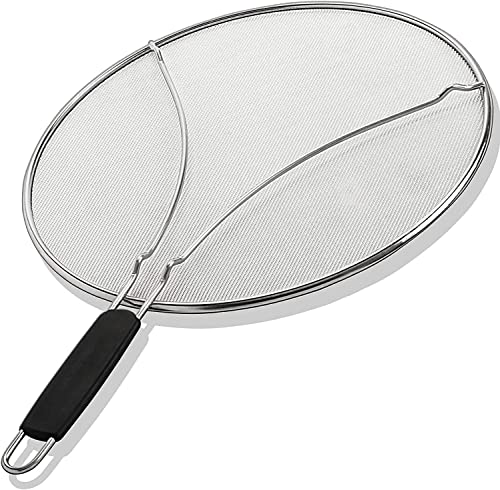
The BergKoch splatter screen is not a pan, but it solves one of the most annoying bacon problems: flying grease. Its stainless steel mesh covers a frying pan while allowing steam to escape. The 13-inch diameter can cover many common skillets and grill pans. A center handle gives you a safer way to lift the screen during cooking.
I find a splatter guard most useful when bacon starts sizzling hard or when I cook at a slightly higher heat. It will not make bacon crisp by itself, and it cannot replace a pan with good heat control. However, it protects the stovetop and nearby hands from many hot droplets. Used with a quality skillet, it becomes part of the best pans for frying bacon setup.
Pros:
- Helps reduce hot grease splashes
- Stainless steel construction suits regular use
- 13-inch size covers many larger pans
- Mesh allows steam to escape
- Useful for bacon, chicken, and popcorn
- Handle makes lifting safer and easier
Cons:
- It does not cook bacon on its own
- Mesh can hold grease and needs careful cleaning
- May not seal tightly on very small pans
My Recommendation
I recommend the BergKoch screen for anyone tired of wiping greasy dots from the stove. It is a smart add-on for a flat skillet, grill pan, or cast iron griddle. It suits cooks who value a cleaner cooking area more than a completely open pan. Its value is strongest when paired with a pan that already matches your bacon needs.
| Best for | Why |
|---|---|
| Grease protection | The fine mesh helps block hot splashes. |
| High-sizzle foods | It also covers fried chicken and popcorn. |
| Large cookware | The 13-inch span fits many wide pans. |
SENSARTE 11-Inch Grill Pan
The 11-inch SENSARTE grill pan gives you more room than the smaller version. Its square cooking area can hold more bacon strips, though the ridges still create a different texture from a flat skillet. The pour spouts are useful when you want to save or discard rendered fat. The nonstick surface also makes eggs and grilled cheese easy to turn.
This pan suits a cook who wants a versatile tool rather than a bacon-only pan. I would start bacon in a cool pan and raise the heat slowly, because gradual heating helps render fat without burning the edges. Turn the strips if you want more even browning across the ridges. For many homes, this is among the best pans for frying bacon because it balances size, weight, and easy cleanup.
Pros:
- Larger surface fits more food than a 9.5-inch pan
- Pour spouts make grease removal convenient
- Nonstick coating supports low-oil cooking
- Raised ridges add grill marks
- Useful for meat, vegetables, eggs, and sandwiches
- Square layout uses the burner area efficiently
Cons:
- Ridges may leave pale sections on bacon
- Not ideal for very large family batches
- Needs soft utensils to protect the coating
My Recommendation
I suggest this 11-inch model for couples and small families who cook bacon often but also grill other foods. It offers more usable room without the bulk of a large cast iron griddle. The spouts are a practical detail that many low-cost pans lack. Choose it when easy handling matters as much as bacon texture.
| Best for | Why |
|---|---|
| Small-family meals | The 11-inch surface gives useful extra room. |
| Mixed cooking | It handles bacon, steaks, eggs, and vegetables. |
| Easy draining | Pour spouts help move rendered fat. |
SENSARTE 8-Inch Nonstick Skillet
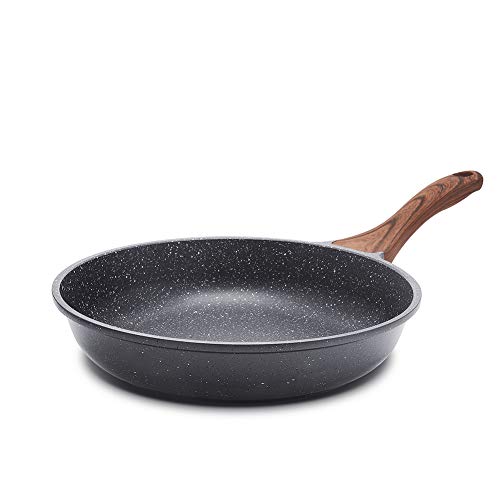
The 8-inch SENSARTE skillet is a small, light pan for quick meals. Its smooth Swiss granite-style nonstick coating gives bacon a flat cooking surface. That flat base is helpful when you want consistent contact and even browning. The compact body also works well for eggs, omelets, grilled sandwiches, and reheating small portions.
An 8-inch pan is best for a few short bacon strips, not a whole pound. Crowding traps steam and can leave bacon soft, so I would cook in batches when needed. Start with little or no added oil because bacon supplies its own fat. Among the best pans for frying bacon, this one stands out for simple handling and quick cleanup.
Pros:
- Smooth base promotes even bacon contact
- Compact size suits one or two servings
- Nonstick surface needs little added oil
- Lightweight and easy to move
- Useful for eggs and small meals
- Simple shape makes hand washing quick
Cons:
- Small size limits the number of strips
- Not the best choice for a large family
- Nonstick coating needs careful heat and tool use
My Recommendation
I recommend this skillet for students, solo cooks, and anyone who makes breakfast for one. It is easy to control and less intimidating than a heavy pan. Its smooth surface is better for flat, evenly browned bacon than a ridged grill pan. If you often cook a full package, move up to a 9.5-inch or 11-inch option.
| Best for | Why |
|---|---|
| One-person meals | The small base heats fast and wastes little space. |
| Flat bacon | The smooth cooking surface gives full contact. |
| Fast cleanup | Food releases easily with gentle washing. |
CAROTE 11-Inch Granite Grill Pan
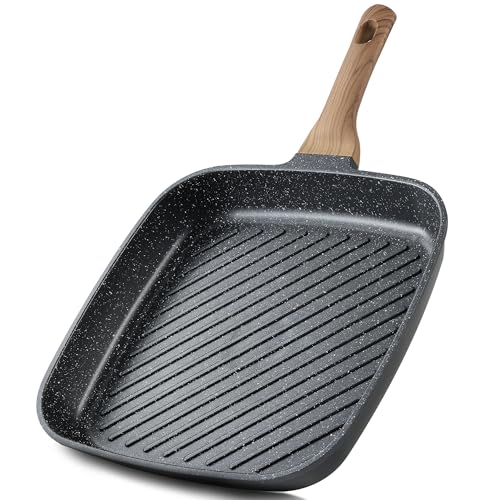
The CAROTE 11-inch grill pan offers a broad ridged surface for stovetop grilling. Its premium granite-style coating is designed to help food release with less sticking. The size gives bacon more room than a small breakfast skillet. It also suits steak, chicken, vegetables, and toasted sandwiches.
The ridges can keep some bacon above the rendered fat, which may appeal to people who prefer less greasy strips. Still, the contact points brown first, so low heat and patient cooking matter. I would not use metal tools or harsh scrubbers on the coated surface. This pan belongs on a shortlist of the best pans for frying bacon if you want grill marks and multi-use performance.
Pros:
- Broad 11-inch surface handles more food
- Raised ridges reduce full contact with grease
- Granite-style coating helps food release
- Good for steaks, chicken, and vegetables
- Provides grill-style texture indoors
- Suitable for cooks who want one versatile pan
Cons:
- Ridges do not brown every bacon area equally
- Coated cookware needs gentle cleaning
- May be less useful for perfectly flat bacon
My Recommendation
I would pick the CAROTE grill pan for cooks who like bacon with browned ridges and want a pan for more than breakfast. It offers a useful middle ground between a tiny skillet and a heavy griddle. It is best for two or three servings rather than a large party. Its overall value comes from its flexible cooking surface.
| Best for | Why |
|---|---|
| Grill-marked bacon | Ridges create a seared pattern. |
| Versatile meals | The pan also handles steak and vegetables. |
| Medium batches | The 11-inch surface gives bacon room to spread. |
SENSARTE 9.5-Inch Nonstick Skillet
This 9.5-inch SENSARTE skillet is a practical size for everyday bacon. Its flat nonstick base lets strips sit directly against the cooking surface. That contact helps create a more familiar skillet-fried finish than a grill pan can provide. The pan is also sized well for eggs, pancakes, and small sautés.
I like this model for cooks who want a balance between compact storage and usable space. It can handle a modest batch without feeling bulky on the stove. As with most nonstick cookware, medium or lower heat is the safer way to protect the coating and avoid scorching bacon fat. For many households, it is one of the best pans for frying bacon because it is simple, light, and easy to clean.
Pros:
- Flat base gives bacon consistent contact
- 9.5-inch size suits daily breakfast cooking
- Nonstick surface supports easy turning
- Light enough for comfortable handling
- Useful for eggs, pancakes, and vegetables
- Requires little added cooking oil
Cons:
- May need batches for a full package
- Nonstick surfaces can wear with high heat
- Not as heat-retentive as cast iron
My Recommendation
I recommend this skillet to most small households that want a straightforward bacon pan. It gives you a smooth base, enough room for several strips, and easy food release. It is a better fit than a ridged pan when even browning matters most. Buy it when light weight and low-effort cleanup are top priorities.
| Best for | Why |
|---|---|
| Everyday breakfast | The size fits common small meals. |
| Even browning | The flat base keeps bacon in full contact. |
| Easy handling | The lighter body is simple to lift and wash. |
Kordisen 11-Inch Grill Pan With Lid

The Kordisen grill pan adds a lid to an 11-inch ridged cooking surface. The cover can help contain some splashes and hold heat when you cook other foods. Its pour spouts are useful for moving bacon grease from the pan. The granite-style coating is aimed at easier release and lower-stick cooking.
A lid can be useful, but I would not keep it fully closed for the whole bacon cook. Trapped steam may soften the strips, while an open pan helps moisture leave. Use the lid briefly when needed, then uncover the pan for the final crisping stage. It is one of the best pans for frying bacon for people who value flexibility and extra coverage.
Pros:
- Lid offers added coverage during cooking
- 11-inch surface supports medium-size batches
- Pour spouts help remove hot grease
- Ridges provide grill marks and raised contact
- Granite-style coating supports easy release
- Useful for meat, vegetables, and sandwiches
Cons:
- A closed lid can trap steam around bacon
- Extra lid needs storage and cleaning
- Ridged pans may cook strips unevenly
My Recommendation
I suggest the Kordisen for cooks who want a grill pan with more control over splatter and heat. It is a useful choice for a busy kitchen where one pan must handle several tasks. For crisp bacon, cook uncovered near the end. Its value is strongest for users who will use the lid for foods beyond bacon.
| Best for | Why |
|---|---|
| Covered cooking | The lid adds protection and heat control. |
| Medium batches | The 11-inch base gives useful cooking room. |
| Multi-tasking | It handles grilling, searing, and covered meals. |
CAROTE 8-Inch Classic Granite Skillet

The CAROTE 8-inch skillet is built for small portions and quick stove work. Its smooth granite-style nonstick surface gives bacon direct contact for a classic pan-fried result. The small footprint works well on a compact burner or in a kitchen with limited storage. It can also cook a single egg, melt cheese, or warm a small serving.
This pan works best when you respect its capacity. Two or three strips may fit comfortably, but overlapping bacon will steam instead of crisp. I would cook slowly and wipe away excess grease between batches if the pan begins to pool deeply. For solo cooks, it can be among the best pans for frying bacon because it is affordable, simple, and easy to manage.
Pros:
- Small size suits single servings
- Smooth base supports even contact
- Granite-style coating helps prevent sticking
- Lightweight body is easy to handle
- Stores well in a crowded cabinet
- Useful for eggs and small snacks
Cons:
- Limited capacity for bacon strips
- Batch cooking takes more time
- Needs gentle utensils and cleaning
My Recommendation
I recommend this CAROTE skillet for one person, a dorm room, or a small apartment. It does not pretend to be a family-size bacon pan, and that honest fit is its strength. The smooth surface makes short cooking jobs feel easy. Choose it when storage, weight, and price matter more than high batch capacity.
| Best for | Why |
|---|---|
| Solo cooking | The compact base fits one-person portions. |
| Small kitchens | It takes little space in a cabinet or sink. |
| Quick tasks | The light skillet heats and cleans with ease. |
Lodge 11-Inch Cast Iron Griddle
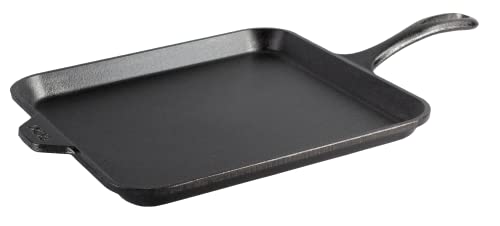
The Lodge cast iron square griddle is the most durable option in this group. Its heavy body holds heat well, which helps maintain a steady cook once the pan is hot. The flat griddle surface gives bacon broad contact and also handles pancakes, eggs, burgers, and grilled sandwiches. Its 11-inch shape offers room for a useful family breakfast.
Cast iron needs a little more care than nonstick cookware. Preheat it gradually, avoid sudden temperature changes, and dry it fully after washing. A thin coat of cooking oil helps maintain the seasoning, while excess oil can turn sticky. For experienced cooks, this is one of the best pans for frying bacon because it can last for years with proper care.
Pros:
- Heavy body holds steady heat
- Flat surface cooks bacon evenly
- Durable cast iron can last for decades
- Works for bacon, pancakes, eggs, and burgers
- Large 11-inch size suits family meals
- Useful on many stovetops and over a fire
Cons:
- Heavy compared with coated skillets
- Requires seasoning and careful drying
- Can heat slowly before it reaches cooking temperature
My Recommendation
I recommend the Lodge griddle for cooks who value long-term durability and strong heat retention. It is especially good for people who already understand cast iron care or want to learn it. The flat surface suits bacon better than a ridged grill pan when you want even contact. Its lasting value can outweigh the extra weight and maintenance.
| Best for | Why |
|---|---|
| Long-term use | Durable cast iron can serve for many years. |
| Family breakfasts | The 11-inch surface fits several foods. |
| Strong heat retention | The heavy body stays hot during cooking. |
How to Choose the Best Pans for Frying Bacon
The best pans for frying bacon are not all alike. A flat skillet gives direct contact and familiar browning. A grill pan lifts parts of the bacon above the grease and adds ridges. An oven sheet pan spreads a full batch across a large surface and keeps the cook away from popping fat.
Before buying, think about how much bacon you cook at one time. An 8-inch skillet suits one person, while an 11-inch pan offers more room for a couple or small family. If you cook a full pound often, a large sheet pan with a rack may save time. Crowding remains the enemy of crisp bacon, no matter how good the pan is.
Flat Versus Ridged Cooking Surfaces
A flat pan gives the bacon more surface contact. This can produce even browning from edge to edge. It also makes it easy to turn strips with tongs. A ridged pan reduces contact in some areas, so it may give a lighter texture in the spaces between ridges.
Neither design is always better. Choose flat cookware for classic skillet bacon. Choose ridges when you like grill marks, want some grease to drain below the meat, or need a pan for steaks and vegetables too.
Material Matters
Nonstick pans are light and easy to clean. They work well at low or medium heat, which is also a good range for rendering bacon fat. Use wood, silicone, or plastic tools made for coated cookware. Avoid overheating an empty nonstick pan.
Cast iron holds heat and offers excellent durability. It needs seasoning, dry storage, and a little patience. Carbon steel heats faster than cast iron and can develop a seasoned surface, but it also needs care. Stainless steel can brown food well, yet bacon may stick more during the first few minutes if the pan is not managed carefully.
Why Pan Size Affects Crispness
Bacon releases water as it cooks. If strips overlap, that moisture has less space to escape. The pan then acts more like a steamer than a fryer. Leave a little room between strips whenever possible.
A larger pan is not automatically better. A pan that is too large for a small burner may heat unevenly. Match the pan base to the burner, and cook in batches if needed. Patient cooking usually gives better bacon than a very hot burner.
Oven Bacon Versus Stovetop Bacon
Oven bacon is convenient for a crowd. A sheet pan lets you cook many strips at once, and a rack can drain grease below the meat. The oven also reduces the need to stand over the pan. Use a rimmed sheet pan so fat does not run into the oven.
Stovetop bacon gives faster visual control. You can turn strips, pour off grease, and adjust heat at once. A skillet also makes sense when you only need a few pieces. A splatter screen can help protect the cooking area while still allowing steam to leave.
How I Test Bacon Pans
I judge a bacon pan by more than its first sizzle. I look at how evenly it heats, how much room it gives the strips, and how easy it is to remove the bacon. I also consider grease control, handle comfort, storage, and cleanup. A pan can cook well and still be a poor buy if it is hard to maintain.
I start bacon in a cool or gently warmed pan when the design allows it. This gives the fat time to render as the pan heats. I watch for hot spots, curling, and smoke. I also check whether the surface makes turning easy without tearing the bacon.
For coated pans, I use soft tools and avoid harsh scrubbing. For cast iron, I dry the pan at once and apply a thin oil layer when needed. For sheet pans and racks, I check how easily grease rinses away after it cools. These simple tests reflect the daily problems most home cooks face.
Tips for Better Bacon in Any Pan
- Start with a cold or mildly warm pan when practical.
- Lay strips in a single layer.
- Use low to medium heat for steady rendering.
- Turn bacon when the underside begins to brown.
- Do not pour hot grease into a plastic container.
- Save strained bacon fat in a heat-safe container if desired.
- Let the pan cool before washing.
- Use a splatter screen when grease pops.
- Pat cooked bacon on a paper towel or rack.
- Follow the care directions for the pan material.
Low heat may feel slow, but bacon rewards patience. High heat can burn the sugar and proteins on the surface before the center becomes crisp. Medium heat gives the fat time to melt and helps the strips brown in a more controlled way.
Safety and Care Notes
Hot bacon grease can cause serious burns. Keep your face and hands away from the pan when the fat begins to pop. Use long tongs, a stable handle, and a guard if your pan supports one. Never pour grease down the drain, since it can harden inside pipes.
Let the grease cool until it is safe to handle, then strain it into a heat-safe jar or discard it in a sealed container. Do not use water to put out a grease fire. If a fire starts, turn off the heat if safe and cover the pan with a proper lid or fire blanket. Do not carry a burning pan across the kitchen.
For nonstick cookware, avoid metal forks and abrasive pads. For cast iron, mild soap and warm water are generally practical, but long soaking can encourage rust. Dry the surface fully and apply a very thin coat of oil. Good care helps the best pans for frying bacon stay useful much longer.
FAQs Of best pans for frying bacon
What type of pan is best for frying bacon?
A flat nonstick skillet is a simple choice for most homes. It gives bacon even contact, needs little added oil, and cleans easily. A cast iron griddle is better if you want strong heat retention and long service life.
Is a grill pan good for bacon?
Yes, a grill pan can cook bacon well, especially if you like ridged marks and some grease separation. However, the strips may brown more at the ridges than in the spaces between them. Use moderate heat and turn the bacon for more even cooking.
Should I cook bacon in a cold pan?
Starting in a cold pan often helps the fat render slowly. This can lead to crisp bacon with less burnt fat. If your pan maker gives different instructions, follow those care directions first.
Is cast iron safe for cooking bacon?
Yes. Cast iron is safe for bacon when used correctly. Heat it gradually, avoid sudden temperature changes, and dry it after washing. Bacon fat can also help maintain a well-seasoned cooking surface.
How do I stop bacon grease from splattering?
Use moderate heat, avoid adding water, and cover the pan with a splatter screen. A raised rack in the oven can also keep bacon farther from direct grease contact. A screen reduces splashes but does not remove the need for care.
Final Verdict: Which Should You Buy?
For most homes, I would choose the GoodCook carbon steel pan and rack for large oven batches. For stovetop use, the SENSARTE 9.5-inch skillet offers the best balance of flat cooking, light weight, and easy cleanup.
The best pans for frying bacon match your batch size and cooking style. Choose a flat skillet for classic bacon, a grill pan for ridges, or cast iron for lasting strength.