Are Aluminum Pans Oven Safe
When you're standing in your kitchen deciding what cookware to use for your next meal, one question that probably crosses your mind is whether your aluminum pans can handle the oven. It's a practical concern, and honestly, it's one I've wondered about countless times while cooking. The short answer is yes, most aluminum pans are oven safe, but there are important details you need to know to use them safely and effectively. Aluminum pans are generally designed to withstand oven temperatures, though the safety depends on several factors including the specific type of aluminum pan, the temperature you're using, and whether it has any non-heat-resistant components like plastic handles. Understanding these nuances will help you get the most out of your aluminum cookware while keeping your kitchen safe and your food delicious.

Understanding Aluminum Cookware
Aluminum is one of the most popular materials for cookware, and for good reason. It's lightweight, affordable, and conducts heat remarkably well, which means your food cooks evenly and efficiently. I've used aluminum pans for years in my kitchen, and I appreciate how responsive they are to temperature changes. When you turn up the heat, they heat up quickly, and when you turn it down, they cool down just as fast. This responsiveness makes aluminum pans excellent for both stovetop and oven cooking.
The reason aluminum has become such a staple in kitchens is its thermal conductivity. It distributes heat across the cooking surface more uniformly than many other materials, which helps prevent hot spots where food might burn. This property makes aluminum pans ideal for baking, roasting, and other oven tasks where consistent heat distribution matters. However, not all aluminum pans are created equal, and this is where understanding the specific type becomes crucial.
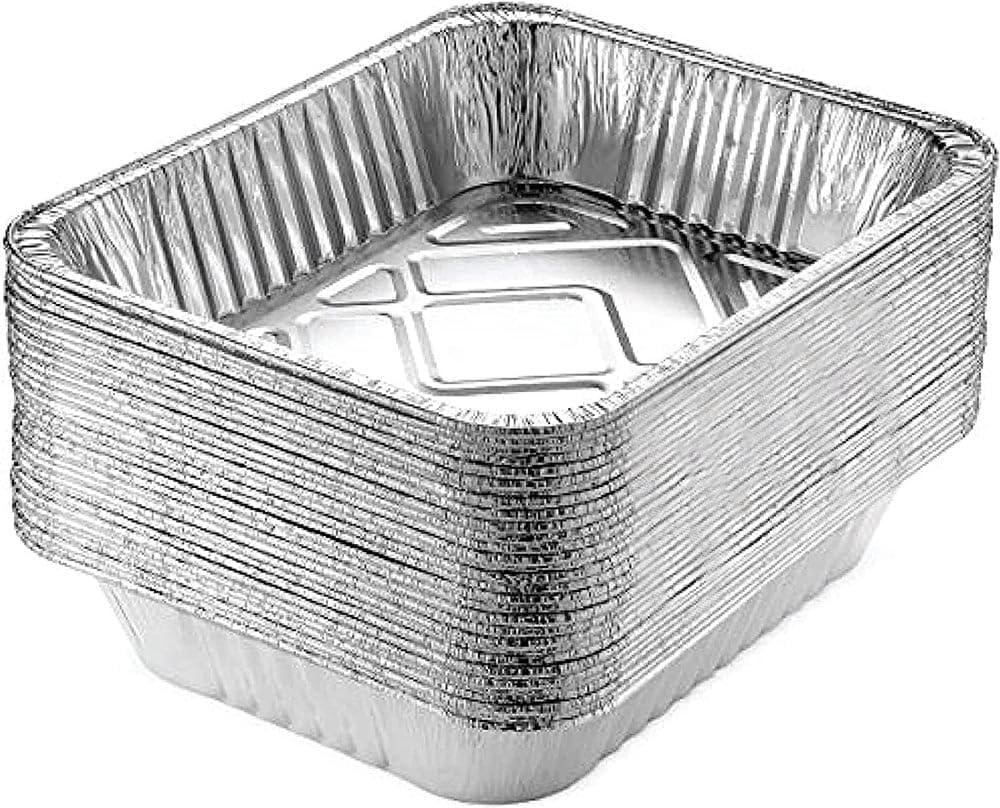
Aluminum pans come in two main varieties: cast aluminum and sheet aluminum. Cast aluminum pans are thicker and more durable, often featuring sturdy handles and reinforced construction. Sheet aluminum pans, like baking sheets and cake pans, are thinner and lighter but still reliable for most oven cooking. Both types can be oven safe, but the maximum temperatures they can handle may differ slightly.
Checking the Temperature Limits for Aluminum Pans
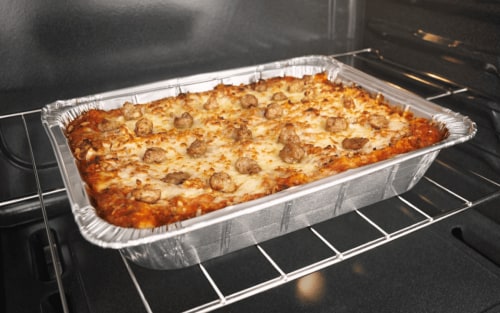
One of the most important things to know about whether aluminum pans are oven safe is understanding their temperature limits. Most aluminum cookware can safely handle temperatures up to 350 to 400 degrees Fahrenheit, though some premium aluminum pans are rated for higher temperatures. I always recommend checking the manufacturer's guidelines on your specific pan, usually found on the bottom or in the product documentation.
The reason temperature limits exist is that aluminum expands and contracts with heat. While aluminum itself can physically withstand very high temperatures, repeated exposure to extreme heat can degrade the pan's integrity over time. Additionally, if your aluminum pan has any non-metal components, those might have lower temperature ratings than the aluminum itself.
Some high-quality aluminum pans, particularly those marketed as professional-grade cookware, can handle temperatures up to 500 degrees Fahrenheit. These premium options often feature reinforced construction and superior materials throughout. If you frequently cook at high temperatures, investing in one of these aluminum pans might be worth the extra cost. Always look for temperature markings on your cookware, and when in doubt, stick with the manufacturer's recommendations.
Here's what I've learned from years of using aluminum pans in my kitchen: the most common mistake people make is assuming all aluminum pans have the same temperature tolerance. They don't. A cheap aluminum roasting pan might max out at 350 degrees, while a commercial-grade aluminum baking sheet could handle 500 degrees. The difference comes down to construction quality and materials.

Handles and Components Matter
When asking if aluminum pans are oven safe, you can't ignore what else is attached to them. Many aluminum pans come with handles made of silicone, plastic, or rubber, and these materials have significantly lower heat tolerances than the aluminum itself. I've learned this lesson firsthand when I tried to put an aluminum pan with a plastic handle into a 450-degree oven, only to notice the handle started to warp slightly.
The handle is usually the limiting factor when it comes to oven safety with aluminum pans. Most silicone and plastic handles are rated for temperatures between 300 and 400 degrees Fahrenheit. If your aluminum pan has a handle, check the temperature rating specifically for that component. This information should be provided by the manufacturer, often printed on a label attached to the handle or included in the packaging.
Some premium aluminum pans come with metal handles or heat-resistant silicone handles rated for much higher temperatures. These are designed with oven use in mind and are often the better choice if you plan to regularly use your aluminum pans in the oven. If your current aluminum pan has a low-temperature handle, you still have options like wrapping the handle in foil to provide insulation during oven cooking, though this isn't a perfect solution.
Rivets and fasteners also matter when considering if aluminum pans are oven safe. Low-quality rivets or glues can deteriorate under high heat. When examining your cookware, look at how the handle is attached and the overall build quality. Well-made aluminum pans will have sturdy rivets or permanent welds that won't fail in normal oven temperatures.
Non-Stick Coatings and Oven Safety
Many aluminum pans come with non-stick coatings, which adds another layer to consider when determining if they're oven safe. Non-stick coatings like Teflon and ceramic have their own temperature limitations, typically ranging from 350 to 500 degrees Fahrenheit depending on the specific brand and quality. When you have an aluminum pan with non-stick coating, the coating becomes the limiting factor for oven safety, not the aluminum itself.
I've had several non-stick aluminum pans over the years, and I've noticed that the better quality ones perform better in the oven. Cheaper non-stick coatings can start to break down or release harmful fumes if they're overheated. This is why I always recommend purchasing non-stick aluminum pans from reputable manufacturers who clearly specify oven-safe temperatures.
Premium non-stick aluminum pans often have coatings rated for 500 degrees or higher, making them excellent choices for serious home cooks who want the convenience of non-stick cooking combined with oven versatility. Budget-friendly options typically max out around 350 degrees, so they're better suited for lower-temperature oven tasks like gentle roasting or baking.
The key to keeping your non-stick aluminum pans in good condition is respecting their temperature limits. Using them beyond their rated temperatures doesn't just compromise the cooking surface; it can potentially release harmful compounds. Always check the label on non-stick aluminum pans before using them in the oven, and never assume that all non-stick cookware has the same temperature rating.
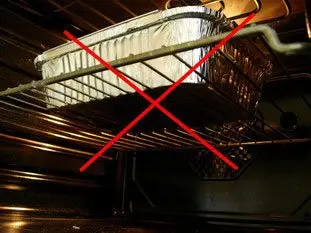
My Experience Using Aluminum Pans in the Oven
Let me share some practical experience from my years of cooking with aluminum pans in ovens. I've tested aluminum pans at various temperatures, and I can tell you that when used within their limits, they perform beautifully. One of my favorite aluminum pans is a simple sheet pan I use for roasting vegetables and proteins. It distributes heat evenly, the food cooks consistently, and I can use it at temperatures up to 450 degrees without any issues.
I've also made mistakes with aluminum pans in the oven. Early in my cooking journey, I didn't pay attention to a pan's temperature rating and tried to use it at 475 degrees for a recipe. The pan warped slightly, and while it still works, it's never been quite the same. That experience taught me to always respect manufacturer guidelines for aluminum pans used in the oven.
One practical tip I've learned is to preheat your oven before placing aluminum pans inside. This helps ensure even heat distribution from the start and reduces the stress on the pan from sudden temperature changes. I also avoid placing cold aluminum pans directly into a hot oven when possible, as the thermal shock can potentially cause warping over time.
Another useful observation: aluminum pans work particularly well for baking and roasting. Whether I'm baking cookies on an aluminum sheet pan or roasting a tray of vegetables, the even heat distribution that aluminum provides is fantastic. My baked goods come out more evenly golden, and my roasted vegetables cook with consistent coloring and texture.
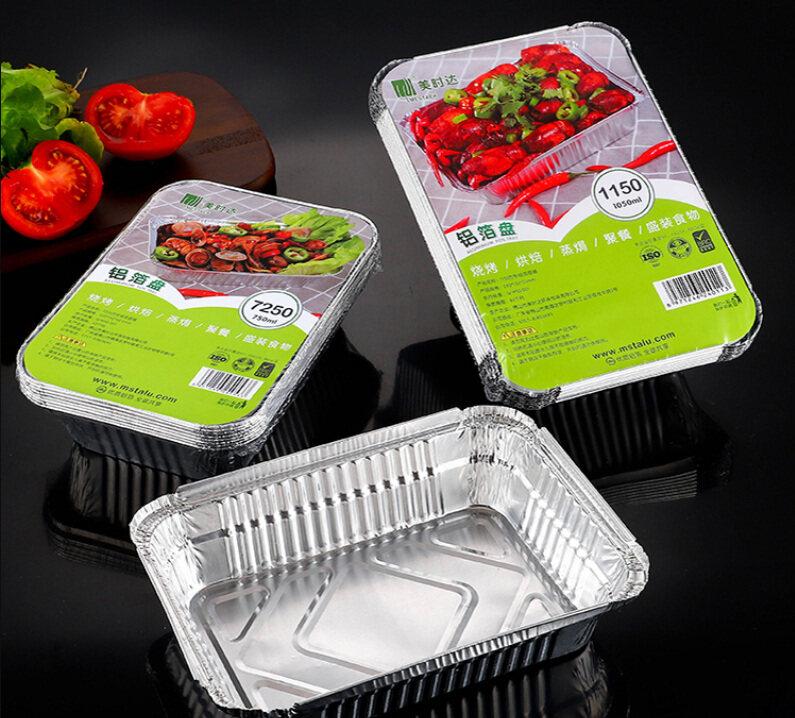
Best Practices for Using Aluminum Pans in the Oven
To get the most out of your aluminum pans while keeping them safe in the oven, follow these practical guidelines. First and foremost, always read and follow the manufacturer's temperature recommendations. This single step will prevent most oven-related problems with aluminum pans. Different manufacturers have different standards, and what works for one aluminum pan might not work for another.
Here are essential best practices for using aluminum pans in the oven:
- Know your pan's maximum temperature rating and never exceed it
- Preheat your oven before inserting aluminum pans to promote even cooking
- Avoid sudden temperature changes, such as placing a cold pan directly into a very hot oven
- Check the temperature rating of handles and any attached components, not just the pan itself
- Inspect your aluminum pans regularly for signs of damage, warping, or deterioration
- Use oven mitts when removing aluminum pans from the oven, as they conduct heat quickly
- Allow aluminum pans to cool gradually rather than exposing them to cold water immediately after oven use
- Store aluminum pans in a dry place to prevent oxidation and corrosion
- Avoid stacking aluminum pans directly on top of each other, as this can cause scratching and warping
These practices will help ensure that your aluminum pans remain safe and functional for years of oven cooking. I've incorporated all of these into my kitchen routine, and they've made a noticeable difference in how well my aluminum pans perform.

When Aluminum Pans Are Not Oven Safe
While most aluminum pans are oven safe when used properly, there are situations where you should avoid putting aluminum pans in the oven. If your aluminum pan has visible damage like dents, warping, or significant scratches, it's best to avoid oven use. Damage can create weak points that might fail under oven heat, potentially causing spills or other kitchen mishaps.
Aluminum pans with severely worn non-stick coatings should also be kept out of the oven. When non-stick coatings start peeling or flaking, using them at high oven temperatures can be problematic. Not only does this compromise the cooking surface, but it might also expose you to harmful fumes or particles.
If your aluminum pan has plastic handles that are not clearly rated as oven-safe, it's safer to keep it out of the oven or wrap the handles carefully in foil. I've found that when I'm uncertain about a component's oven safety, it's always better to err on the side of caution. The minimal inconvenience of wrapping a handle or using a different pan is worth avoiding potential damage or safety concerns.
Additionally, avoid using aluminum pans in the oven if they're very old and the material is showing signs of significant oxidation or deterioration. While aluminum oxide buildup isn't necessarily dangerous, it can indicate that the pan's structural integrity might be compromised. Investing in new aluminum pans when your old ones show significant wear is often the smartest choice.
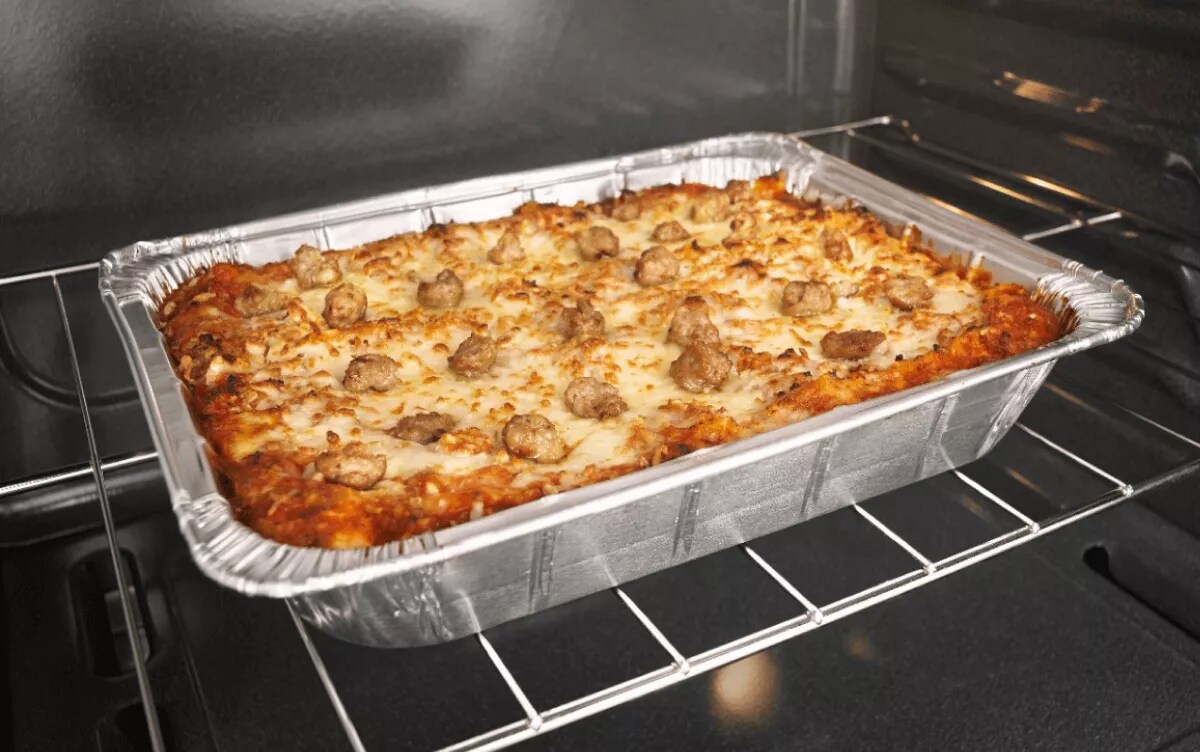
Comparing Aluminum to Other Oven-Safe Cookware
To better understand how aluminum pans fit into the broader picture of oven-safe cookware, it's helpful to compare them with other popular materials. Aluminum pans are oven safe and offer excellent heat distribution, but they're not the only option for oven cooking. Stainless steel pans, for example, are extremely durable and can handle very high temperatures, often 600 degrees or more, but they typically heat less evenly than aluminum pans.
Cast iron pans are also oven-safe legends, capable of handling any oven temperature without issue. However, they're much heavier than aluminum pans and require more maintenance and seasoning. Ceramic cookware offers good heat distribution like aluminum pans, though ceramic typically has lower maximum oven temperatures, usually around 350 to 400 degrees.
Glass bakeware is wonderfully oven-safe and perfect for baking, but it heats more slowly than aluminum and isn't as versatile. Aluminum pans actually offer a great middle ground: they're lightweight, heat quickly and evenly, are generally oven safe up to moderate temperatures, and are very affordable. For most home cooks, aluminum pans are excellent choices for routine oven cooking.
Each material has its strengths and limitations. Many professional kitchens use aluminum pans precisely because they offer excellent performance for the price when it comes to oven use. Understanding these comparisons helps you appreciate why aluminum pans are oven safe and why they remain such a popular choice in kitchens worldwide.

Frequently Asked Questions
Are aluminum pans oven safe at 350 degrees?
Yes, almost all aluminum pans are oven safe at 350 degrees. This temperature is well within the safe range for standard aluminum pans, making 350 degrees an ideal temperature for most baking and roasting tasks. Even budget-friendly aluminum pans typically handle 350 degrees without any issues. If you're using aluminum pans at this temperature, you can do so with confidence. This makes aluminum pans excellent for everyday oven cooking and baking.
Can I use aluminum pans at 400 degrees in the oven?
Most aluminum pans are oven safe at 400 degrees, though you should always verify your specific pan's temperature rating. Many quality aluminum pans are rated for 400 degrees, and some go higher. Check the manufacturer's guidelines or any labels on your pan to confirm before using it at this temperature. If your aluminum pans don't have clear temperature markings, stick with 350 degrees to be safe. Using aluminum pans at 400 degrees is common in many recipes for roasting and baking.
What happens if you exceed the temperature limit of aluminum pans?
Exceeding the temperature limit of aluminum pans can cause several problems. The pan might warp or bend permanently, especially if it's made of thinner aluminum. Non-stick coatings can degrade or release harmful fumes if overheated. If your pan has plastic or silicone handles, they might melt or become damaged at temperatures above their rating. Additionally, the structural integrity of the pan could be compromised, making it unsafe to use in future cooking. This is why respecting temperature limits is so important.
Are aluminum pans with silicone handles oven safe?
Aluminum pans with silicone handles are oven safe, but only up to the temperature rating of the silicone, not necessarily the aluminum itself. Most high-quality silicone handles are rated for 350 to 400 degrees Fahrenheit. Some premium silicone handles can handle 500 degrees or higher. Check the manufacturer's specifications for your specific pan. If the temperature rating is unclear, assume the silicone handles have a lower tolerance than the aluminum pan itself and cook at lower temperatures.
Can you put an aluminum pan with a plastic handle in the oven?
Aluminum pans with plastic handles should not be put in the oven unless the plastic is specifically rated as oven-safe by the manufacturer. Most plastic handles are only heat-resistant up to about 300 degrees Fahrenheit. If your aluminum pan has a plastic handle and you need to use it in the oven, you can wrap the handle in aluminum foil to provide insulation. Alternatively, many recipes that require oven cooking can be adapted for stovetop use, or you can switch to an aluminum pan with a heat-resistant handle.
Are non-stick aluminum pans oven safe?
Non-stick aluminum pans are oven safe when used within their temperature limits, which are determined by the non-stick coating rather than the aluminum. Most non-stick aluminum pans are safe up to 350 to 400 degrees Fahrenheit, though some premium options go higher. Always check the specific temperature rating of your non-stick aluminum pan before using it in the oven. Staying within these limits protects both the non-stick coating and ensures you're using your cookware safely.
Wrapping It All Up
Aluminum pans are generally oven safe and make excellent choices for most home cooking and baking needs. The key to safe and effective use lies in understanding your specific pan's temperature limits and respecting those boundaries. Whether you're using a simple aluminum baking sheet or a more sophisticated non-stick aluminum roasting pan, checking the manufacturer's guidelines before putting aluminum pans in your oven is always the smart move. Most aluminum pans handle temperatures between 350 and 400 degrees beautifully, making them perfect for everyday cooking tasks.
Remember that not all components of your aluminum pans are equally heat-resistant. Handles, fasteners, and coatings often have different temperature ratings than the aluminum itself, and these determine your overall oven-safe temperature. From my experience, taking a few moments to understand your cookware before using it prevents problems and extends the life of your aluminum pans. The relatively small amount of time spent checking manufacturer recommendations pays off in years of reliable performance and better cooking results.
Your aluminum pans are an investment in your kitchen, even if they're affordable ones. Treat them with respect by following proper guidelines, and they'll serve you well in countless meals. Start using your aluminum pans in the oven confidently, knowing you're following the right practices. Share your favorite aluminum pan cooking experiences in the comments below, or explore more cookware guides to expand your kitchen knowledge and skills.