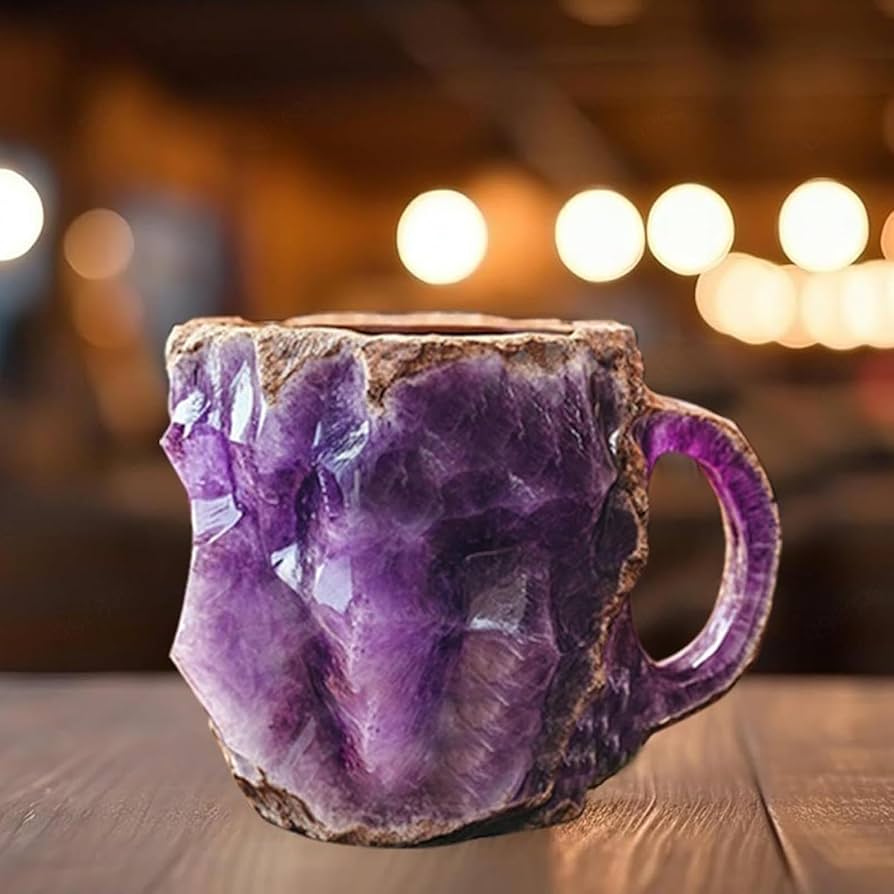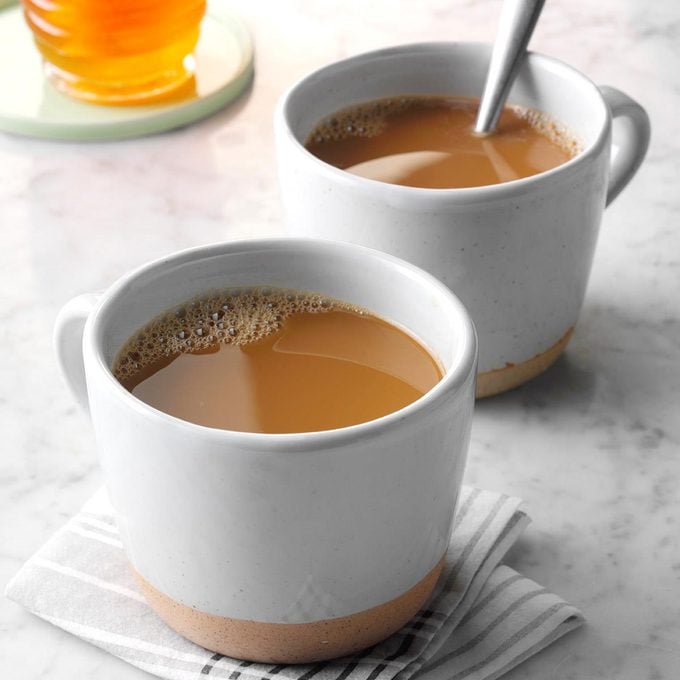
Most ceramic and glass mugs are microwave-safe, but anything with metal trim or unknown glazes is a risk.
There’s nothing quite like that first sip of hot coffee in the morning. But what about an hour later, when that perfect brew has turned disappointingly lukewarm? Your first instinct is to pop it in the microwave for a quick reheat. As someone who has zapped countless cups of coffee back to life, I’ve also learned the hard way that not all mugs are created equal. Answering the question “are coffee mugs microwave safe?” is more than just a yes or no; it’s about understanding what makes your favorite mug a trusty friend or a potential hazard in your kitchen. This guide will walk you through everything you need to know, from identifying safe materials to performing a simple test that could save you from a cracked cup or a damaged microwave.
Why Some Mugs Are Microwave Safe and Others Aren’t
To understand why some coffee mugs are microwave safe and others are a recipe for disaster, we need to look at how a microwave works. Think of it as a little box that sends out invisible waves of energy called microwaves. These waves are fantastic at making water molecules vibrate and heat up. When a mug is truly microwave-safe, it’s essentially transparent to these waves. The energy passes right through the ceramic or glass and heats up the liquid inside, which is exactly what you want.
The problem starts when a mug is made from a material that absorbs or reflects these microwaves. Metal, for instance, acts like a mirror, bouncing the waves around, which can cause sparks and even damage your microwave’s internal components. Other materials, like certain clays or glazes, can contain tiny pockets of water or metallic flecks. When you microwave these, the material itself heats up—sometimes much faster than your coffee. This can lead to a dangerously hot handle, a cracked mug, or even a small explosion from superheated trapped moisture.

The Hall of Fame: Materials That Are Generally Microwave Safe
Knowing which materials play nicely with microwaves is the first step in safely reheating your beverage. Most modern mugs are designed with this in mind, but it’s always good to know the champions of microwave safety.
Ceramic Mugs
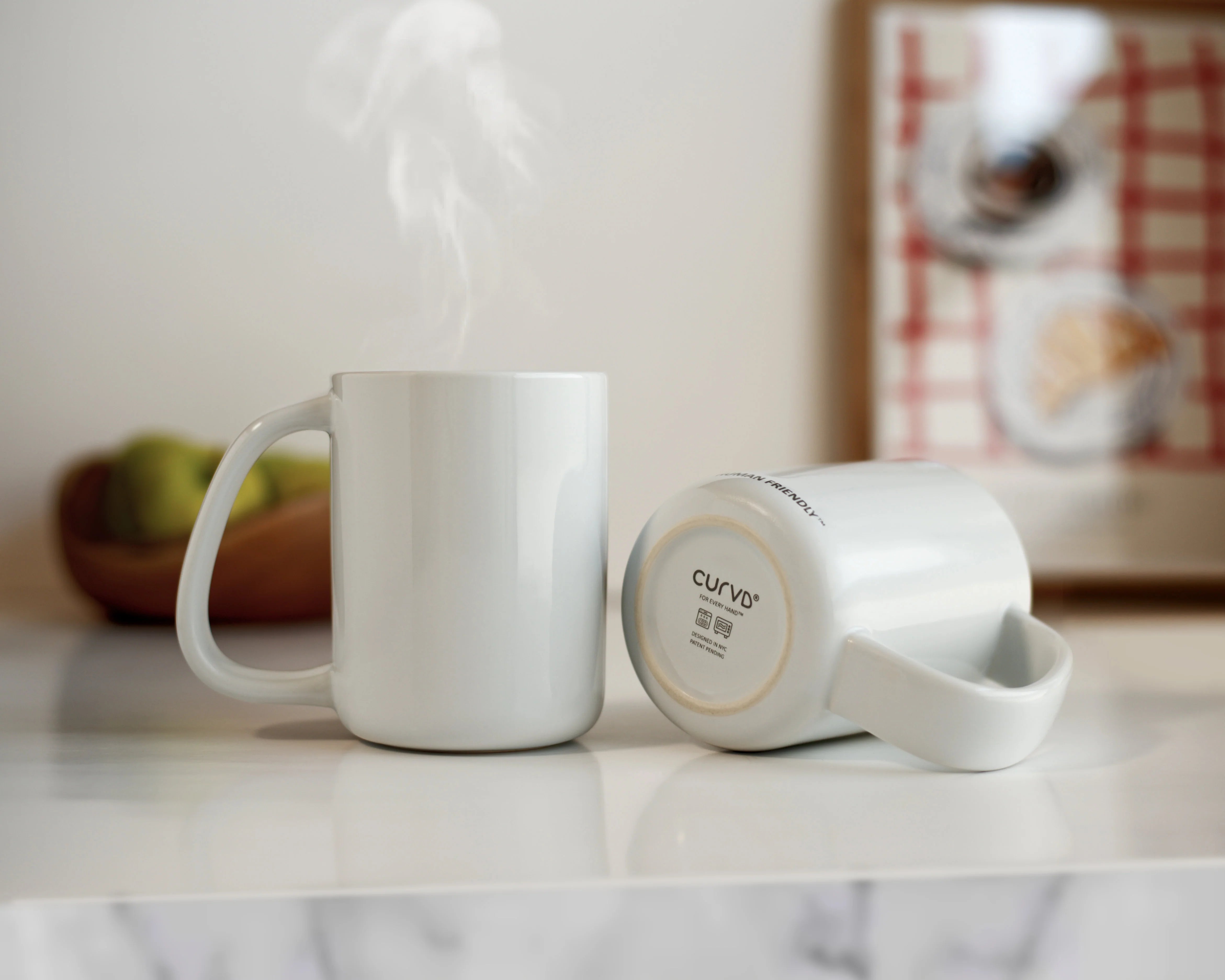
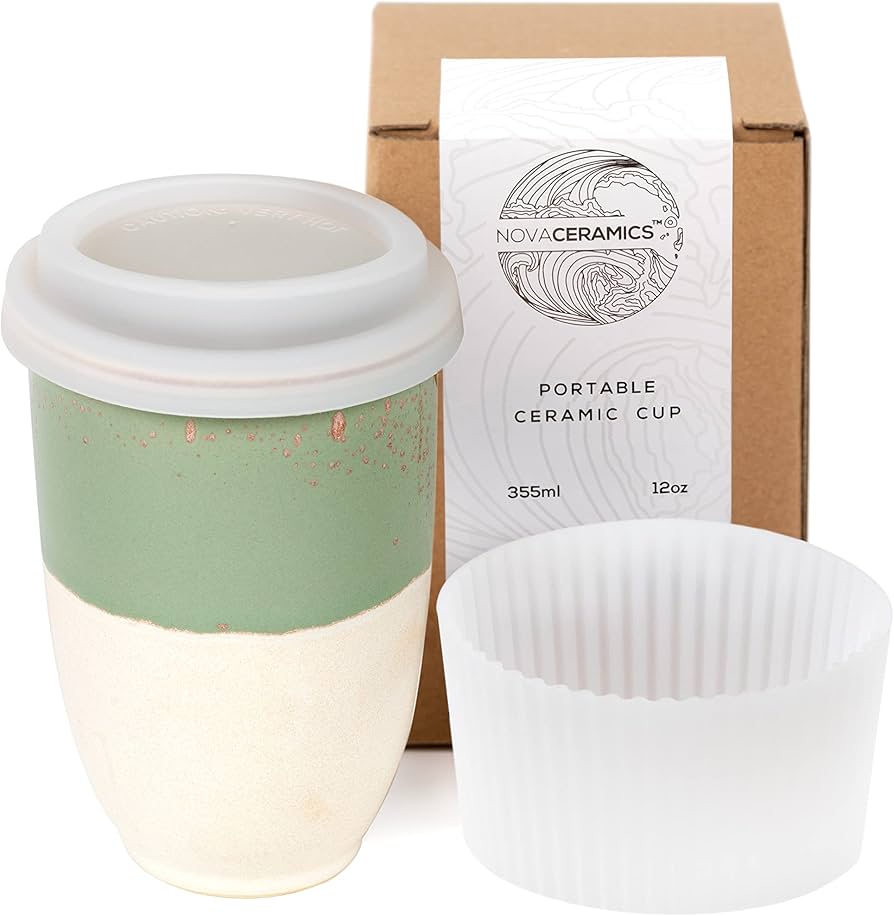
This is the most common material for coffee mugs, and for good reason. Most stoneware, porcelain, and standard ceramic mugs are perfectly safe for the microwave. The clay has been fired at extremely high temperatures, removing any trapped water and creating a stable, non-porous material. The key is to ensure there are no metallic decorations.
Glass Mugs
Glass is another excellent choice. Materials like borosilicate glass (think Pyrex) are engineered to handle rapid temperature changes without cracking. A standard glass mug will almost always be fine. Just be cautious with very thin or delicate glassware, as the sudden heat from the liquid could cause thermal shock and lead to a crack.
Microwave-Safe Plastics
Some plastic mugs, especially travel mugs designed for reheating, are labeled as “microwave-safe.” This means they are made from a type of plastic that won’t melt or leach harmful chemicals into your drink when heated. Always look for a label or symbol on the bottom before putting any plastic in the microwave.
The Danger Zone: Mugs to Keep Out of the Microwave
Now for the mugs you should never let see the inside of your microwave. Using one of these can range from a minor inconvenience to a serious safety risk. This is where knowing the answer to “are coffee mugs microwave safe” becomes critical.
Mugs with Metal Trim or Paint
This is the most common culprit for microwave mishaps. I once tried to reheat coffee in a beautiful gifted mug, not noticing the faint gold trim around the rim. Within seconds, I saw a frightening light show of sparks. That phenomenon is called arcing, and it happens when microwaves hit metal. It can damage both the mug and your appliance.
Stainless Steel and Travel Mugs
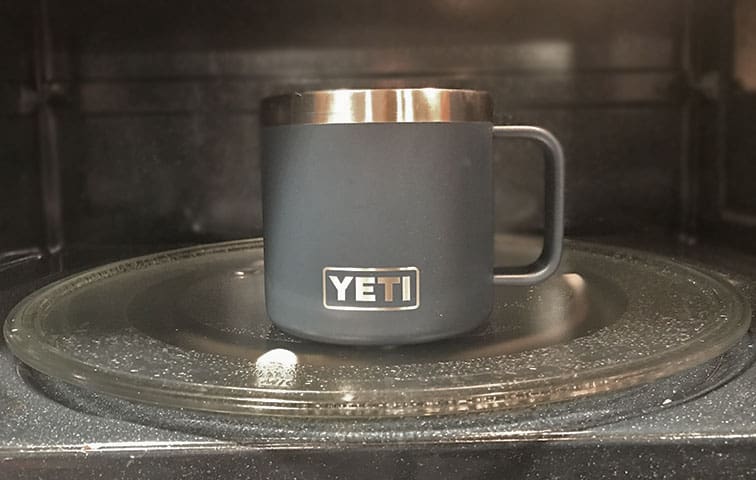
Never put a metal travel mug in the microwave. Stainless steel and other metals completely block the microwaves from reaching your coffee. The energy will be reflected around the microwave’s interior, which can seriously damage the magnetron—the part that generates the microwaves.
Certain Handmade or Antique Pottery
Be wary of that charming, rustic mug you bought at a craft fair. Handmade pottery might contain glazes with lead or other metallic elements. Furthermore, the clay might not have been fired properly, leaving it porous enough to absorb water. This trapped moisture can turn to steam and cause the mug to crack or shatter when heated.
Single-Use Plastic or Styrofoam Cups
These are an absolute no. Styrofoam and non-microwave-safe plastics can melt at high temperatures. When they do, they can release unhealthy chemicals directly into your drink. Stick to permanent, microwave-safe mugs for reheating.
The Ultimate Test: How to Know if Your Mug is Microwave Safe
What if your mug has no label? There’s a simple and safe test you can perform to determine if your coffee mugs are microwave safe. It only takes a minute and gives you peace of mind.
- Fill a separate cup or glass that you know is microwave-safe with water.
- Place this cup of water inside the microwave.
- Place the empty mug you want to test right next to it.
- Microwave both on high power for one minute.
- When the minute is up, carefully touch the mug you are testing.
If the empty mug is cool or just slightly warm to the touch, it is not absorbing microwaves and is safe to use. The water in the other cup should be hot. However, if the empty mug is hot, it means the material is absorbing microwave energy and is not safe for reheating. A hot mug is a sign that it could overheat, crack, or leach chemicals in the future.
:strip_icc()/GettyImages-2166031548-4d5dfe2838744d27ad9112b588cca50f.jpg)
Frequently Asked Questions about are coffee mugs microwave safe
What does the microwave safe symbol look like?
The microwave-safe symbol typically looks like a small dish with wavy lines above it. Sometimes it will simply say “Microwave Safe” or “Microwavable” on the bottom of the mug.
Can you microwave a mug with a tiny chip?
It is best to avoid microwaving a chipped or cracked mug. The crack can harbor bacteria and may absorb water, which can cause the mug to break further when heated.
What happens if you microwave a non-safe mug?
Microwaving a non-safe mug can cause several problems. If it contains metal, it can create sparks (arcing) and damage your microwave. If the material absorbs microwaves, the mug can become dangerously hot, crack, or even shatter.
Are Starbucks mugs microwave safe?
Most modern Starbucks ceramic mugs are designed to be microwave-safe. However, some of their collectible or metallic-finished mugs are not, so always check the bottom for a label before heating.
Is it safe to microwave a mug that gets hot?
No, if the mug itself gets very hot during the microwave test, it is not safe to use. This indicates that the mug’s material is absorbing energy, which can lead to burns or cause the mug to break over time.
Conclusion
Determining if your coffee mugs are microwave safe doesn’t have to be a guessing game. By checking for a microwave-safe symbol, avoiding mugs with metallic details, and using the simple water test for any unlabeled favorites, you can confidently reheat your coffee without any drama. It’s a small bit of knowledge that ensures your daily routine stays safe and simple.
So go ahead, take a quick look at the bottom of your go-to mug right now. Knowing it’s safe will make that next reheated cup of coffee taste even better. Have you ever had a microwave mug mishap? Share your story in the comments below