Are Copper Pans Oven Safe: Complete Guide for Home Cooks
Introduction
Copper cookware has been a kitchen staple for centuries, prized by professional chefs and home cooks alike for its exceptional heat conductivity and stunning appearance. But if you're considering adding copper pans to your kitchen arsenal, you're probably asking yourself one critical question: Are copper pans oven safe? The answer isn't as straightforward as you might hope, and understanding the nuances can save you from damaging your cookware or worse—ruining your meals.
The truth is that copper cookware requires more attention and knowledge than your average non-stick or stainless steel pan. While many copper pans can safely go into the oven, not all of them can handle the same temperatures or conditions. Whether you're a passionate home chef experimenting with new cooking techniques or someone simply looking to invest in quality cookware, this comprehensive guide will answer all your burning questions about copper pans and oven safety.

What Makes Copper Pans Special?
Before we dive into the oven safety question, it's worth understanding why copper pans are so beloved in the culinary world. Copper is an exceptional conductor of heat, distributing warmth evenly and responding quickly to temperature changes. This means your food cooks more uniformly, and you have greater control over your cooking temperature.
However, copper's reactivity is both a blessing and a curse. Pure copper can react with acidic foods, potentially altering the taste and even leaching copper into your food in small amounts. This is why most quality copper cookware is lined with stainless steel or tin. These linings protect both your food and your pan while maintaining copper's superior heat distribution properties.
Understanding Copper Pan Construction
The construction of your copper pan plays a crucial role in determining its oven safety. Here are the main types:
Solid Copper with Stainless Steel Lining
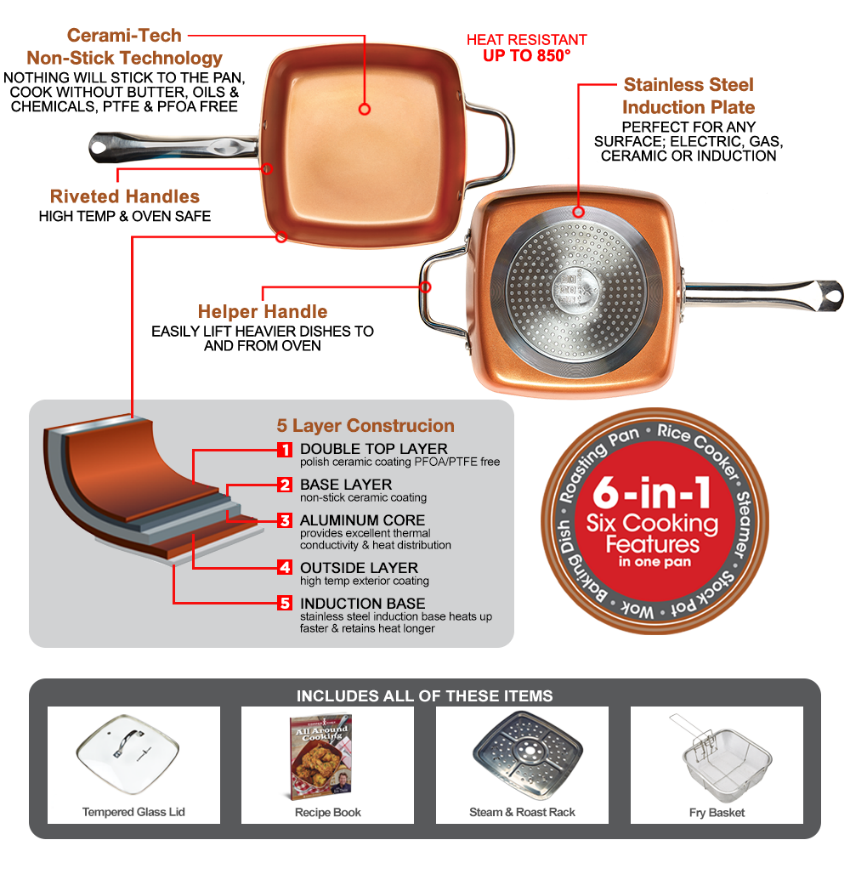
This is the most common type of quality copper cookware. The stainless steel interior prevents food from reacting with copper while the copper exterior and sides handle heat distribution beautifully. Most of these pans are oven safe to temperatures between 350°F and 500°F.
Solid Copper with Tin Lining
Tin-lined copper pans are traditional and prized by professional chefs. Tin has superior heat distribution properties compared to stainless steel, but it's more delicate and has a lower oven-safe temperature—usually around 350°F to 400°F maximum.
Clad Copper Construction
Some modern copper cookware features copper layers bonded with other metals. These pans often have higher oven-safe temperatures and are more durable than traditional lined pans.
Copper-Bottomed Cookware
These pans have copper on the bottom only, with the sides made of different materials. Their oven safety varies depending on what comprises the rest of the pan.
Are Copper Pans Oven Safe? The Real Answer
Yes, most quality copper pans are oven safe, but with important caveats. The maximum oven temperature your copper pan can handle depends on several factors:
The Lining Material
Stainless steel-lined copper pans typically handle higher temperatures (350°F to 500°F or sometimes higher), while tin-lined pans are more limited (350°F to 400°F). Always check your specific pan's manufacturer guidelines.
The Handle Construction
This is where many copper pans fail in the oven. If your pan has wooden handles, silicone grips, or plastic components, these materials have lower heat tolerances. Some handles are only oven safe to 300°F or 350°F, while others rated to 400°F or higher.
The Age and Condition of the Pan
Vintage copper pans or those with worn linings may not be oven safe at high temperatures. The structural integrity of the lining becomes compromised over time.
The Manufacturer's Specifications
This is the most important factor. Reputable manufacturers clearly state the maximum oven temperature their pans can handle. Always consult your pan's documentation or contact the manufacturer if you're uncertain.
Common Oven-Safe Temperature Ratings for Copper Cookware
Most quality copper cookware falls into these categories:
- Moderate Heat (300°F-350°F): Entry-level copper pans and those with special handle components
- Medium-High Heat (350°F-400°F): Traditional tin-lined copper pans and mid-range stainless steel-lined options
- High Heat (400°F-500°F): Premium stainless steel-lined copper cookware
- Professional Grade (500°F+): Select high-end copper cookware with riveted all-metal construction
Most home cooking doesn't require temperatures above 400°F, so the majority of household copper pans will work fine for your typical oven needs.

Factors That Affect Copper Pan Oven Safety
Handle Materials and Design
The handle is often the limiting factor for copper pan oven safety. Stainless steel or cast iron handles can typically handle higher temperatures than wood, silicone, or phenolic resin handles. Some manufacturers use cool-touch handles that are only rated for moderate temperatures. If your copper pan has a removable handle, this actually increases its versatility—you can remove it before placing the pan in a hotter oven.
Rivets and Hardware
The rivets or screws holding the handle to the pan matter too. Stainless steel rivets are more oven-safe than aluminum or brass rivets, which can loosen or fail at higher temperatures. Welded construction is generally superior to riveted when it comes to oven safety and durability.
Size and Thickness
Thicker copper cookware tends to be more oven-safe because the copper itself conducts heat more effectively without concentrating stress on handles and connections. Thin copper pans may warp or develop weak points when exposed to high oven temperatures.
Lining Thickness and Condition
A thick, intact stainless steel lining provides better protection and allows for higher oven temperatures. If the lining is cracked, peeling, or worn, the pan's oven safety is compromised. Tin linings, while superior in many ways, are inherently more fragile and have lower temperature tolerances.
How to Determine Your Specific Pan's Oven Safety
Check the Manufacturer's Information
The most reliable way to determine oven safety is to find the manufacturer's specifications. This information might be:
- Printed on a label attached to the pan
- Included with your pan's documentation
- Available on the manufacturer's website
- Listed on the product page where you purchased the pan
Look for Marks and Stamps
Quality copper cookware often has stamps indicating oven safety. Look for markings like "Oven Safe to 400°F" or similar indicators on the bottom or handles of the pan.
Examine the Construction
Inspect your pan carefully. All-metal construction with no plastic or silicone components typically indicates higher oven safety. Wooden handles, removable components, or plastic grips usually suggest lower temperature ratings.
Contact the Manufacturer
If you can't find the information, reach out directly. Reputable copper cookware manufacturers are usually happy to provide specific temperature ratings for their products.
Best Practices for Using Copper Pans in the Oven
Preheat Properly
Allow your oven to reach the desired temperature before placing the pan inside. Gradual temperature changes are less stressful on your cookware than sudden exposure to high heat.
Use Oven Mitts
Copper conducts heat so effectively that the handles can become extremely hot very quickly. Always use quality oven mitts when handling copper pans, even if the handles are designed to be heat-resistant.
Avoid Extreme Temperature Changes
Don't remove a hot copper pan from the oven and immediately place it in cold water or a cold sink. This thermal shock can damage the pan's structure and lining. Let it cool gradually on a stovetop or heat-safe surface.
Stay Below Maximum Temperature
Even if your pan is rated safe to 500°F, it doesn't mean you should regularly use it at that temperature. Staying 25-50°F below the maximum rating extends your cookware's lifespan.
Monitor Liquid Content
If you're cooking dishes with liquid in your copper pan, ensure the liquid doesn't come above three-quarters of the pan's capacity. Expanding liquid under heat can potentially damage the pan or create safety hazards.
Check Handles Regularly
If your pan has handles with any non-metal components, inspect them occasionally for signs of damage, loosening, or degradation. Replace or repair them before they fail during oven use.

Popular Oven-Safe Copper Cookware Brands
Several well-respected brands manufacture reliable oven-safe copper cookware:
Mauviel
A French manufacturer known for professional-grade copper cookware. Their stainless steel-lined pans are typically oven safe to 400°F, with some premium lines rated higher.
de Buyer
Another French brand offering quality copper cookware with stainless steel linings, generally oven safe to 400°F and above.
Ruffoni
An Italian manufacturer producing exceptional copper cookware with traditional tin or stainless steel linings, popular with serious home cooks and professionals.
Falk
A Belgian producer of premium copper cookware, many pieces oven safe to 500°F or higher.
Lagostina
A more accessible option offering stainless steel-lined copper cookware at mid-range prices, typically oven safe to 400°F.
Common Misconceptions About Copper Pans and Oven Safety
Myth #1: All Copper Pans Are Oven Safe
This is false. While many are, some budget copper cookware has limitations. Always verify specifications for your particular pan.
Myth #2: Copper Pans Can Handle Any Temperature
Incorrect. Even quality copper cookware has maximum temperatures. Exceeding these can damage the lining or handles permanently.
Myth #3: Vintage Copper Pans Are Always Safe
Not necessarily. Older pans may have deteriorated linings or weakened components. Have vintage cookware inspected if you're uncertain about its condition.
Myth #4: The Handle Temperature Rating Doesn't Matter
This is dangerously wrong. If the handle fails, you could lose control of a hot pan—a serious safety risk.
Myth #5: Copper Pans Need Special Oven Treatment
They actually don't. Treat them like any quality cookware—just verify temperature ratings and handle with appropriate care.

Maintenance Tips for Oven-Used Copper Cookware
Cleaning After Oven Use
Allow your copper pan to cool completely before washing. Hand wash gently with warm, soapy water. Avoid aggressive scrubbing that could damage the lining.
Protecting the Exterior
The copper exterior will oxidize and develop a patina over time, which is normal and actually protective. Some cooks prefer this look, while others polish their cookware regularly using specialized copper cleaners.
Storing Properly
Store copper pans in a dry location away from excessive moisture. If stacking pans, place protective layers between them to prevent the exterior copper from scratching.
Inspecting Regularly
Check the lining periodically for any signs of damage, cracking, or peeling. If you notice significant damage, the pan should be re-lined or retired from use, especially for acidic cooking or high-temperature oven use.
Seasonal Attention
In humid climates, be especially vigilant about keeping your copper cookware dry to prevent excessive oxidation and potential corrosion issues.

Special Considerations for Different Cooking Methods
Braising
Copper pans are excellent for braising, as they maintain consistent temperatures. Most oven-safe copper cookware can handle the typical 325°F-350°F temperatures used for braising without issue.
Gratinéing
When browning dishes under a broiler, remember that broilers reach temperatures far higher than standard ovens—sometimes 600°F or more. Most copper pans are not suitable for direct broiler use. Check your manufacturer's specifications carefully.
Roasting
Standard roasting temperatures (350°F-425°F) are within the safe range for most quality copper cookware. The even heat distribution of copper makes it particularly excellent for roasting vegetables and meats.
Baking Bread or Pastries
Many copper cookware items are suitable for bread baking or pastry work at standard baking temperatures (350°F-375°F). The superior heat conduction can result in beautifully browned exteriors.

Frequently Asked Questions About Copper Pan Oven Safety
Can I put my copper pan under the broiler?
This depends entirely on your specific pan and the broiler's temperature. Most copper cookware is not broiler-safe because broilers reach extremely high temperatures. Always consult your manufacturer's guidelines before attempting this.
Is it safe to preheat an empty copper pan in the oven?
Yes, preheating an empty copper pan is generally safe if you're staying within the temperature rating. However, it's not necessary for most cooking tasks.
What should I do if my copper pan handle gets hot quickly?
This is normal—copper conducts heat efficiently. Always use oven mitts. If the handle becomes uncomfortably hot quickly, your oven temperature might be approaching the pan's maximum rating.
Can I use my copper cookware if the lining is slightly worn?
Minor wear is typically fine, but if the lining is cracked or peeling significantly, limit the pan's use to lower temperatures and consider professional re-lining.
Are copper pans safer in the oven than on the stovetop?
They're different. In the oven, heat is more evenly distributed. On the stovetop, you have more direct control. Both are safe if you follow proper procedures and respect temperature limits.
How do I know if my vintage copper pan is oven safe?
This is tricky with vintage pieces. If possible, contact the original manufacturer or a professional cookware appraiser. When in doubt, test with lower temperatures and progress upward if the pan shows no signs of damage.
Conclusion
The answer to "Are copper pans oven safe?" is nuanced but ultimately positive: yes, most quality copper pans are oven safe, with the important caveat that you must respect the specific temperature ratings for your particular cookware. The key to safely enjoying your copper cookware in the oven involves understanding your pan's construction, checking manufacturer specifications, and following best practices for use and maintenance.
Investing in quality copper cookware can bring years of cooking enjoyment. The superior heat distribution, elegant appearance, and responsive cooking characteristics make copper pans worth the investment—and they're perfectly suitable for oven cooking when you take appropriate precautions. Whether you're searing a steak and finishing it in the oven, braising vegetables, or baking bread, your copper cookware can be a reliable partner in creating delicious meals.
Remember to always prioritize safety by using appropriate oven mitts, avoiding extreme temperature changes, and never exceeding your pan's maximum oven-safe temperature. With proper care and attention to these guidelines, your copper cookware will be both safe and effective for countless meals to come.
[Insert YouTube Video Here]