Most crock pots are not designed for oven use and can damage or become unsafe when placed in an oven.
If you've ever wondered whether you can pop your trusty crock pot into the oven, you're asking the right question. Many home cooks assume that because slow cookers work so well on the stovetop, they'd handle oven heat just fine. However, the reality is far more nuanced. Understanding whether crock pots are safe in the oven requires looking at how these appliances are built, what materials they use, and what manufacturers actually recommend. I've spent years experimenting with different cooking methods and have learned some valuable lessons about when it's safe to use your crock pot in unexpected places. Let me share what you really need to know before you make that decision.

Understanding Crock Pot Construction and Materials
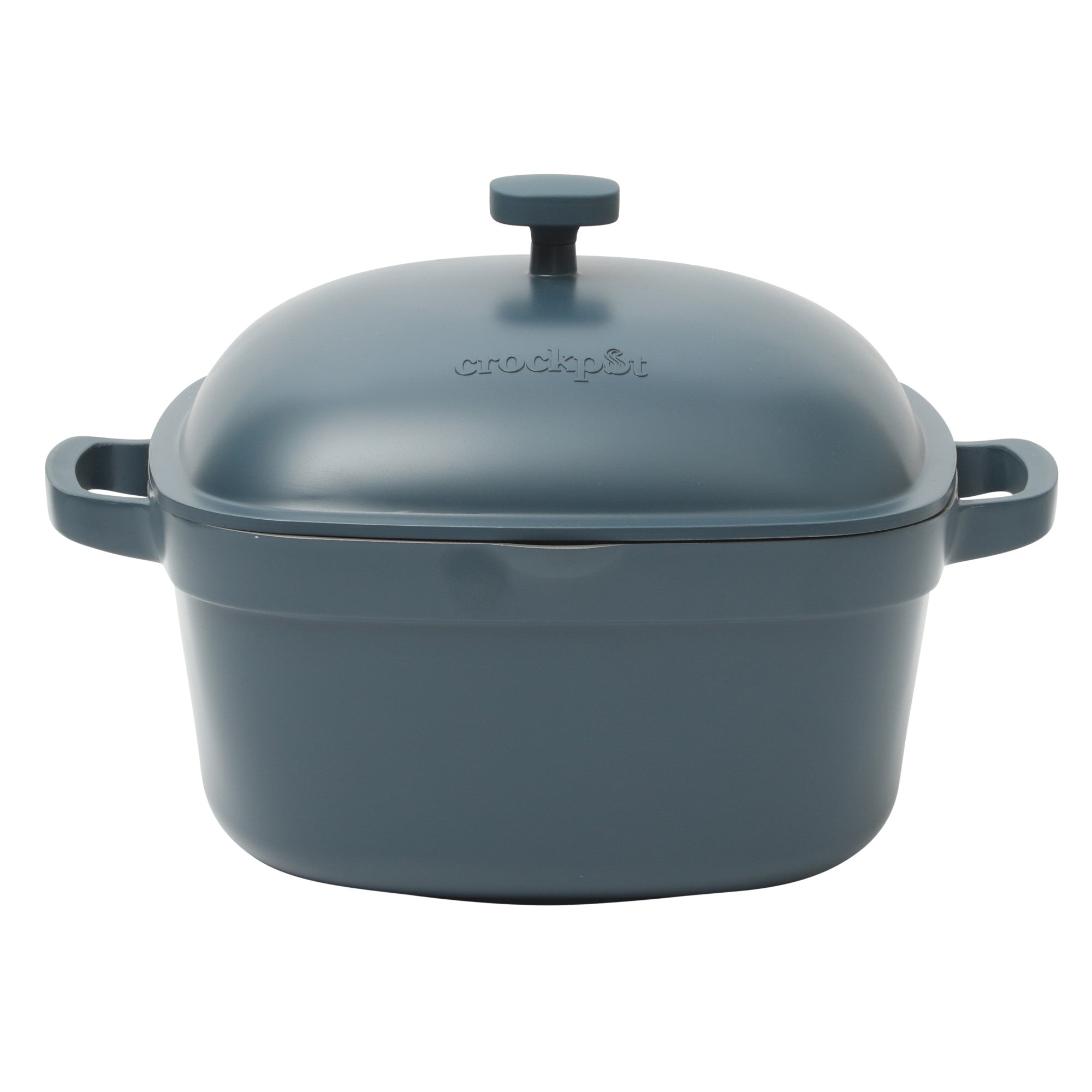
Crock pots are engineered with specific purposes in mind, and that matters when you're thinking about oven safety. Most crock pots feature a ceramic insert, which is the heart of the appliance. This ceramic bowl heats gradually and retains heat beautifully, making it perfect for slow cooking. The outer housing, however, is typically made from plastic or heat-resistant materials that work fine on a countertop but might not handle direct oven heat.
The heating element in a crock pot is designed to operate at relatively low temperatures over extended periods. Most crock pots have heating elements that reach around 200 to 300 degrees Fahrenheit on their high setting. While this seems manageable, ovens can get much hotter, and the way heat is distributed in an oven is completely different from how it works in a crock pot. The temperature inside an oven can easily exceed 400 degrees or higher, which puts stress on components never meant to handle that kind of heat.
I learned this lesson the hard way when I once tried to keep a crock pot warm in a 200-degree oven. What I didn't realize was that the plastic handle started to warp slightly, and the exterior casing became uncomfortably hot to touch. That experience taught me that even lower oven temperatures can cause problems you wouldn't anticipate.
The electrical components in a crock pot present another significant concern. The power cord, control panel, and heating mechanism are all integrated into the design for countertop use. When you expose these electrical components to the dry heat of an oven, you risk damaging them or creating a fire hazard. Most manufacturer guidelines explicitly warn against placing crock pots in ovens for exactly this reason.
Manufacturer Guidelines and Safety Standards
When it comes to the safety of your crock pot in the oven, what manufacturers say should be your first reference point. I've checked dozens of instruction manuals over the years, and the consistency is striking: nearly every major crock pot manufacturer advises against oven use. This isn't just a suggestion or a cautious statement. This is a firm safety recommendation based on extensive testing and risk assessment.
Manufacturers test their products thoroughly to understand their limits. These tests reveal potential failure points, materials that might degrade, and situations where the appliance could become dangerous. When they say your crock pot shouldn't go in the oven, they're speaking from actual data about how their product performs under those conditions. Ignoring this guidance means you're operating outside the tested parameters of the device.
The warranty on your crock pot almost certainly becomes void if you damage it by putting it in the oven. Beyond the financial loss, though, there's the real safety issue. If something goes wrong while the crock pot is in the oven, you won't have the manufacturer's guarantee or support to fall back on. Insurance might also deny claims if an incident stems from misusing the appliance.
Some newer models of crock pots do have ceramic inserts that manufacturers claim are oven-safe. However, even with these models, the housing, electrical components, and lid mechanisms are usually not rated for oven temperatures. You might be able to use just the ceramic insert in the oven if the manufacturer explicitly states this is safe, but you need to verify this directly from the product documentation. Never assume that because part of the crock pot might be oven-safe, the entire unit is suitable for oven use.

The Risks of Using Crock Pots in the Oven
Using a crock pot in the oven comes with several real dangers that go beyond just shortening the lifespan of your appliance. The most serious risk is electrical hazard and fire. Crock pots weren't engineered to handle the intense, dry heat of an oven environment. The insulation around the heating elements and electrical wiring can degrade, potentially creating short circuits or exposed electrical components.
Heat damage to plastic components is another major concern. Most crock pots have plastic handles, lids, and outer casings. When these materials get heated beyond their designed temperature range, they can warp, crack, or even melt. I've seen photos online of crock pots with melted handles and warped lids after being placed in ovens. Not only is this damaging to your appliance, but it also means your food could be exposed to plastic residue or heated plastic fumes.
The ceramic insert itself, while generally heat-resistant, can experience thermal shock if it goes from room temperature to a hot oven suddenly. Thermal shock happens when different parts of a material heat at different rates, creating internal stress that can cause cracking. A cracked ceramic insert means your crock pot loses its ability to heat food evenly and could potentially cause small pieces of ceramic to end up in your food.
Your crock pot's lid deserves special attention. Most lids are made from plastic or tempered glass with plastic components. These lids aren't designed for oven temperatures and could shatter or warp. If the lid warps, you lose the seal that keeps moisture in, which affects your cooking results. If it shatters, you've got broken glass in your food, which is obviously dangerous.
Fire hazard is perhaps the most frightening risk. If the electrical components or insulation fail while the crock pot is in the oven, you could have a fire on your hands. The closed environment of an oven can intensify this risk because fires need oxygen, and an oven creates a contained space where a fire could develop quickly before you notice it.
When You Might Legally Use a Ceramic Insert in the Oven
Here's where things get a bit more flexible. Some manufacturers do make ceramic inserts that are truly oven-safe. If you have one of these specialized inserts and your manufacturer explicitly states it can go in the oven, then you can use just the ceramic bowl portion in the oven. The key word here is "explicitly." You need to read the documentation or contact the manufacturer directly to confirm this.
When using an oven-safe ceramic insert, you're essentially using a ceramic baking dish, not a crock pot. You'll need to remove it from the heating base and use it independently. This approach works if you want to brown food in the oven or finish a dish under the broiler. Just remember that once you remove the ceramic insert from its base, you've separated it from the slow-cooking function entirely.
Even with an oven-safe ceramic insert, you need to be careful about temperature transitions. Don't take a cold ceramic insert directly from the refrigerator and put it into a hot oven. This rapid temperature change can cause the ceramic to crack. Let it come to room temperature first, or gradually increase the oven temperature if that's an option.
I've occasionally used an oven-safe ceramic slow cooker insert for specific recipes where I wanted to finish the cooking in the oven. It worked beautifully, but I was always careful to confirm that the specific insert was rated for oven use before trying it. This approach gave me the best of both worlds: slow cooking followed by oven finishing, without the risks associated with using the entire crock pot in the oven.

Safe Alternatives to Using Your Crock Pot in the Oven
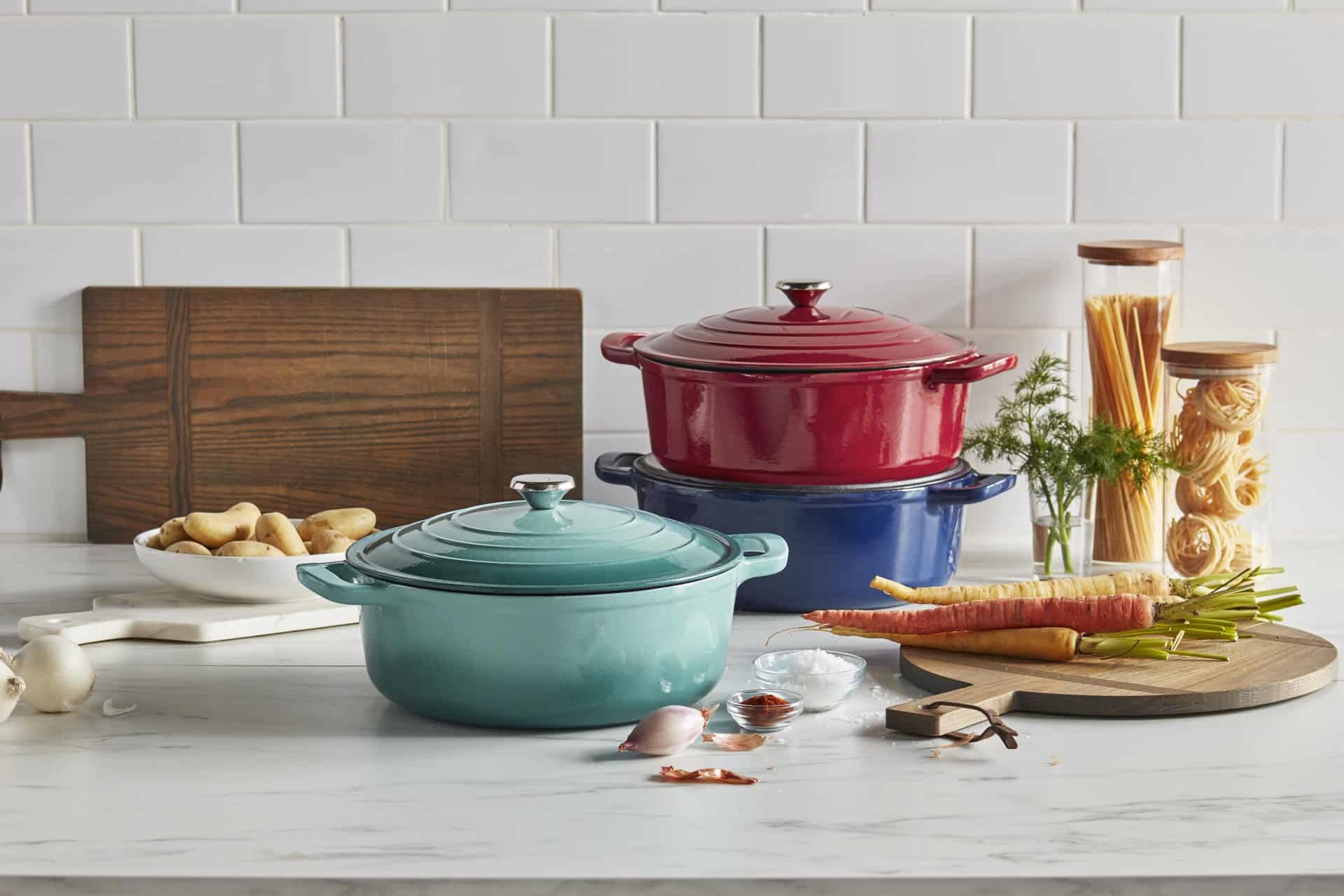
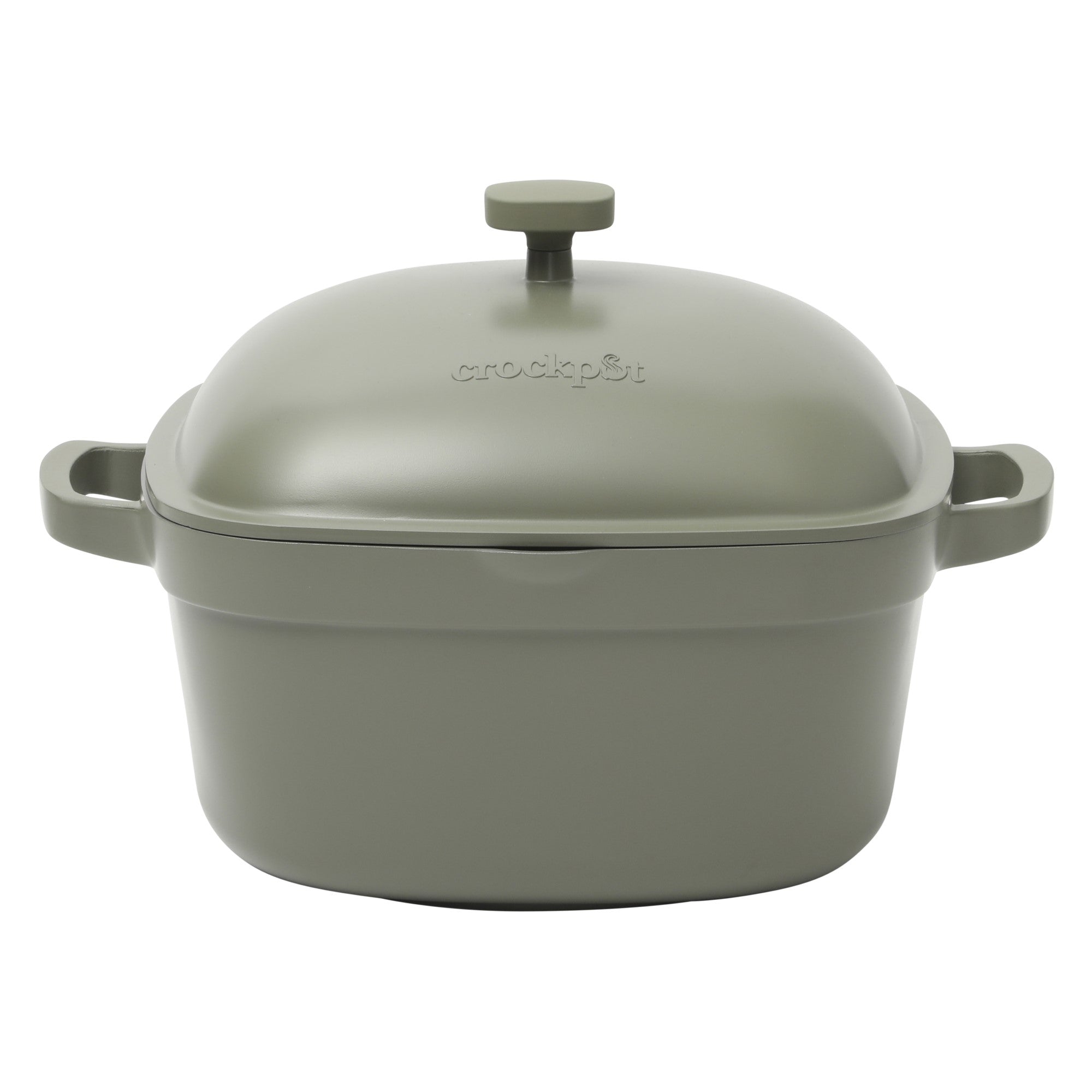
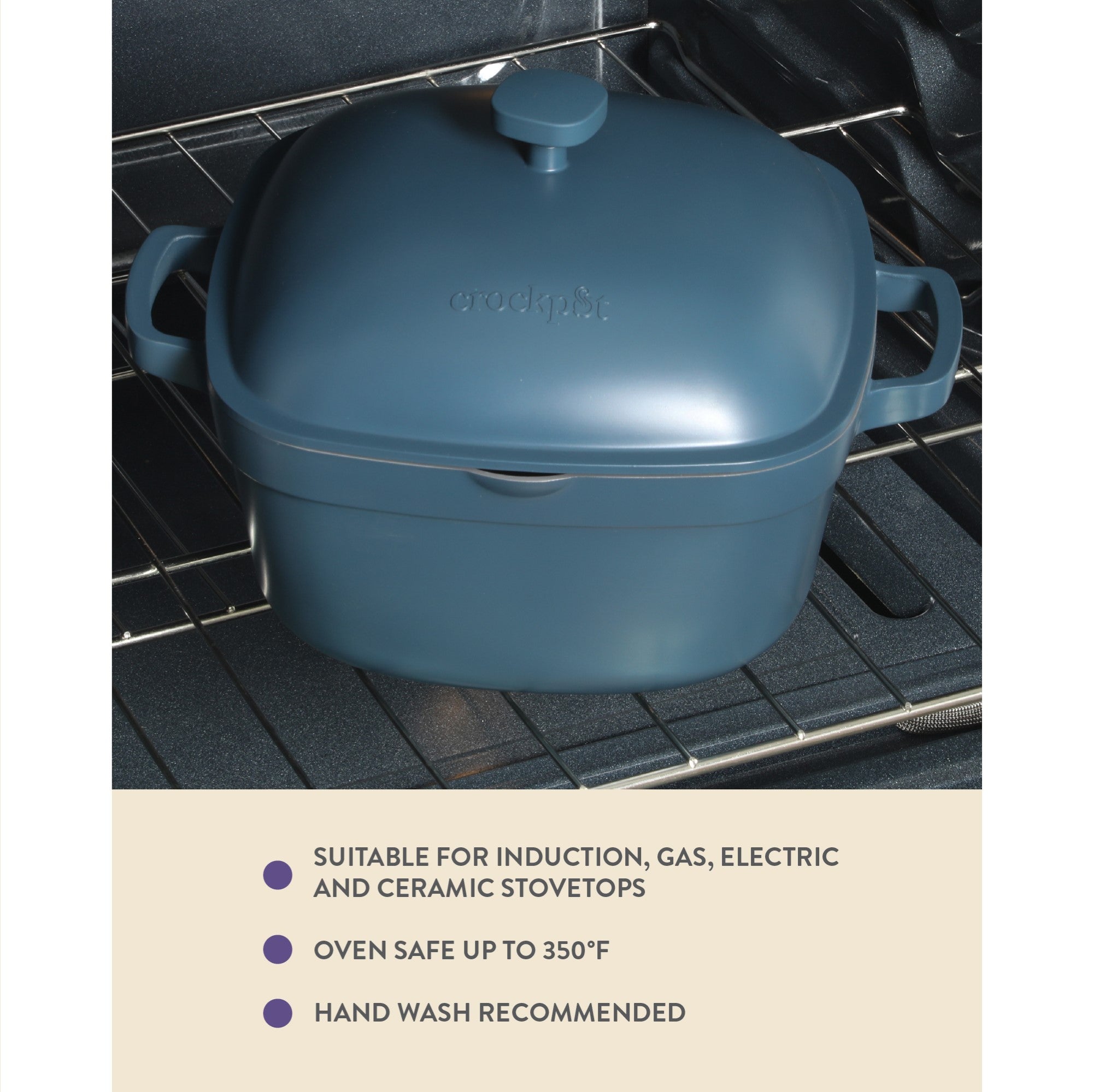
If you're looking to combine slow cooking with oven cooking, you have several safer options that work wonderfully. Traditional ceramic baking dishes and Dutch ovens are your best friends here. These are specifically designed to handle oven temperatures and can be used on the stovetop as well. A good Dutch oven can go straight from the stovetop to the oven without any concerns.
Dutch ovens come in various sizes and materials, from enameled cast iron to ceramic-coated versions. They distribute heat evenly, retain warmth well, and are built to handle temperature changes. I've used Dutch ovens for years as a versatile alternative to crock pots for recipes that need both stovetop searing and slow cooking. They're an investment, but they last for decades and handle almost any cooking scenario you throw at them.
For slow cooking followed by oven finishing, you can simply transfer your food from the crock pot to an oven-safe baking dish. Yes, this involves an extra step and an extra dish to wash, but it's the safest approach. You get all the benefits of slow cooking without any risk to your crock pot or your safety.
Cast iron skillets are another excellent option if you want something that works both on the stovetop and in the oven. They develop amazing flavor through slow cooking on low heat and can also handle high oven temperatures. Cast iron has been used in kitchens for generations because it's versatile and reliable.
If you're trying to keep food warm at a low temperature in the oven while you attend to other cooking tasks, consider using an oven-safe ceramic or glass dish with an oven-safe lid. These dishes are designed for oven use and won't present the safety risks that a crock pot does.
Temperature-controlled oven-safe slow cookers do exist, though they're less common. These are purpose-built appliances that can handle oven temperatures. If you frequently need something that works in both the oven and on the countertop, one of these might be worth investigating.
What to Do If Your Crock Pot Gets Damaged from Oven Use
If you've already put your crock pot in the oven and notice damage, the first thing to do is stop using it immediately. Inspect it carefully for any signs of warping, cracking, or damage to electrical components. If the cord is damaged or the plastic is warped in a way that exposes any metal parts, don't use the appliance at all.
Check the warranty on your crock pot. Most warranties specifically exclude damage caused by misuse, including using the appliance outside its designed parameters. However, it's worth checking just in case your situation falls within covered scenarios. Contact the manufacturer if you're unsure about whether your damage is covered.
If the ceramic insert is cracked but the rest of the crock pot is fine, you might be able to purchase a replacement insert. Many crock pot companies sell replacement bowls separately. This is often cheaper than buying an entirely new unit and lets you continue using the appliance you're familiar with.
Document any damage with photos, especially if you're considering warranty claims or if the damage created a safety hazard. Having visual evidence helps if you need to contact the manufacturer or file any claims.
If your crock pot damaged anything else in the oven, like melting something or causing discoloration, document that as well. You might need this information if you have homeowner's insurance that could cover damage caused by appliance malfunction.
Going forward, keep your crock pot on the countertop where it belongs. It's a tool designed for a specific purpose, and using it that way ensures both your safety and the longevity of the appliance.

Tips for Getting the Most Out of Your Crock Pot
Since crock pots aren't meant for the oven, let me share some ways to maximize their usefulness in the ways they're actually designed to be used. Start by understanding your specific crock pot model. Read the manual thoroughly to understand the low and high settings, the temperature ranges, and any specific recommendations from the manufacturer. Different models have slight variations in how they heat.
Brown your meat and vegetables on the stovetop before adding them to your crock pot. This extra step adds depth of flavor that slow cooking alone won't achieve. I always take 10 minutes to sear meat in a hot skillet before transferring it to the crock pot. The difference in the final dish is remarkable.
Layer your ingredients strategically. Put root vegetables on the bottom where they get the most heat, then add meat, then more delicate vegetables on top. This ensures everything cooks evenly and nothing becomes mushy.
Don't lift the lid constantly to check on your food. Every time you lift the lid, you're releasing heat and extending the cooking time. Trust the process and check on your meal less frequently.
Use the low setting whenever possible for more even cooking and better texture. The high setting works faster, but low heat over a longer time generally produces better results. Most recipes work beautifully on low for 8 to 10 hours or on high for 4 to 6 hours.
Prepare ingredients the night before and store them in the refrigerator. In the morning, simply add everything to the crock pot and turn it on. This approach makes meal preparation incredibly convenient, especially for busy weekdays.
Resist the urge to add too much liquid. Crock pots use steam and don't allow for much evaporation, so you need less liquid than traditional recipes call for. Start with about 75 percent of the liquid a recipe suggests and adjust based on how it turns out.
Frequently Asked Questions
Can I put the ceramic insert from my crock pot in the oven?
Only if your manufacturer explicitly states that the ceramic insert is oven-safe. Check your manual or contact the manufacturer directly before attempting this. Even oven-safe ceramic inserts should never be subjected to thermal shock by going directly from cold to hot temperatures.
What temperature is safe for a crock pot?
Crock pots are designed to operate at temperatures between 200 and 300 degrees Fahrenheit depending on the setting. Ovens typically reach 350 degrees or higher, which exceeds the temperature range for which crock pots were engineered.
Will putting a crock pot in the oven void my warranty?
Yes, almost certainly. Using your crock pot outside its designed use, including placing it in an oven, will void your manufacturer's warranty in most cases.
What should I use instead of a crock pot if I need oven capability?
A Dutch oven or enameled cast iron is the best alternative for something that works both on the stovetop and in the oven. These are designed specifically for both environments and will last you many years.
Can I transfer food from a crock pot to an oven-safe dish for finishing?
Absolutely, this is a safe approach. You can slow cook in your crock pot and then transfer the food to an oven-safe baking dish if you want to finish it in the oven or under the broiler.
What if I accidentally put my crock pot in the oven for a short time?
Inspect it carefully for any damage to electrical components, plastic parts, or the ceramic insert. If everything looks fine and the appliance operates normally afterward, you likely escaped without damage. However, avoid making a habit of this as the risks remain the same.
Keeping your crock pot where it belongs, on your countertop, ensures you get years of reliable service from this valuable kitchen tool. Your slow cooker excels at its specific job, and respecting its design parameters keeps both you and your appliance safe. Take a few minutes to read your manual, understand what your crock pot can and cannot do, and you'll enjoy countless delicious meals without any safety concerns. If you found this information helpful, share it with someone who might be wondering about crock pot safety, and let me know in the comments if you have other questions about slow cooking.