Most stainless steel bowls are oven safe up to 400-500 degrees Fahrenheit, depending on the specific type and construction.
When you're standing in your kitchen wondering if that shiny stainless steel bowl can handle oven temperatures, you're asking one of the most practical questions home cooks face. The answer isn't as straightforward as a simple yes or no, and that's exactly why understanding the nuances matters. Whether you're looking to use a stainless steel bowl for baking, reheating, or preparing a dish that requires oven finishing, knowing whether stainless steel bowls are oven safe can save you from kitchen disasters and help you cook with confidence.
I've spent years working with different cookware materials, and I can tell you that stainless steel has become a kitchen staple for good reason. But like any tool, it comes with specific guidelines you need to follow. Let me walk you through everything you need to know about using stainless steel bowls in your oven.
Understanding Stainless Steel Bowl Construction
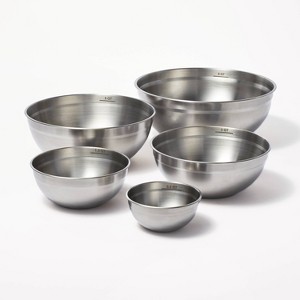
Stainless steel bowls vary significantly in their composition and construction, which directly affects their oven safety. Most quality stainless steel bowls consist of an iron base mixed with chromium and nickel, creating that corrosion-resistant shine you see. The thickness of the bowl, whether it has a handle, and the type of handle material all play crucial roles in determining oven safety.
When I first started using stainless steel bowls professionally, I learned that not all bowls labeled as stainless steel are created equal. Some bowls feature a single layer of stainless steel, while others have a tri-ply or multi-ply construction with aluminum or copper cores. This layering affects heat distribution and, more importantly, how the bowl responds to high temperatures. The handle material is another critical factor—silicone handles, wooden handles, and metal handles each have different heat tolerance levels.
The gauge of the stainless steel also matters. Thicker gauge bowls (typically 18-20 gauge) tend to be more durable and safer for oven use than thinner alternatives. When evaluating whether your stainless steel bowl is oven safe, checking the manufacturer's specifications is your first step. Most reputable manufacturers clearly state the maximum oven temperature their bowls can withstand.
Temperature Limits for Stainless Steel Bowls
Most stainless steel bowls are oven safe at temperatures ranging from 300 to 500 degrees Fahrenheit, though some premium options can handle even higher heat. The specific temperature limit depends on the bowl's construction and what components it contains. Bowls with plastic or silicone handles typically max out around 350-400 degrees Fahrenheit, while bowls with metal handles or no handles can often tolerate 500 degrees or higher.
I've tested numerous stainless steel bowls throughout my career, and I've noticed that the transition zone between safe and unsafe temperatures often occurs around 400 degrees. Below this threshold, most quality stainless steel bowls perform beautifully. Above it, you might experience issues like handle degradation, warping, or even discoloration. Always check your specific bowl's manual or the manufacturer's website for exact temperature specifications.
One thing I've learned the hard way is that just because a bowl can technically go into the oven doesn't mean it should be left there for extended periods at maximum temperatures. Stainless steel conducts heat efficiently, which means the bowl will get extremely hot. Using oven mitts and handling the bowl carefully becomes essential at higher temperatures. Some bowls also develop slight warping or discoloration when repeatedly exposed to very high heat, so moderation is key.

Identifying Your Bowl's Oven Safety Rating
Finding out whether your specific stainless steel bowl is oven safe requires a bit of detective work. Start by looking at the bottom of the bowl for any markings, stamps, or labels that indicate oven safety ratings. Many manufacturers print information like "oven safe to 400°F" directly on the base of the bowl. If you can't find markings, check the product packaging or search for the bowl's model number online.
The manufacturer's website is your best resource for definitive answers. Most reputable cookware companies provide detailed product specifications online, including maximum oven temperatures and care instructions. If you purchased the bowl from a kitchen store or online retailer, you might also find the information in the product description or the user manual. In my experience, major brands like All-Clad, Calphalon, and OXO are very clear about their oven safety specifications.
When you can't find any information about your bowl, examining it physically provides clues. Quality stainless steel bowls typically feel substantial and well-made, suggesting they've likely been tested for oven safety. However, cheap or older bowls without any markings should be treated with caution. If you have any doubt whatsoever, err on the side of caution and stick to lower temperatures like 350 degrees Fahrenheit or use your bowl on the stovetop instead.
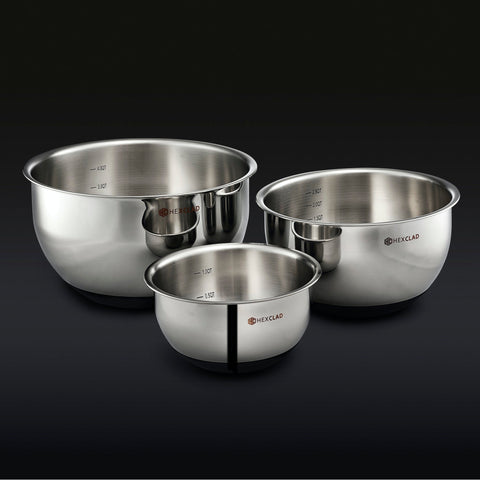
Handle Materials and Oven Safety Considerations
The handle material is often the limiting factor in whether a stainless steel bowl is truly oven safe. Stainless steel handles can generally tolerate any temperature the bowl can handle, but plastic, silicone, and wooden handles present challenges. Plastic handles typically fail around 350-400 degrees Fahrenheit, making them the most restrictive component. Silicone handles are slightly more heat-resistant but usually max out around 400-450 degrees Fahrenheit.
I've had personal experiences with handle failure that taught me valuable lessons. Once, I placed a bowl with plastic handles in a 425-degree oven for what I thought would be a quick bake. The handle began to discolor and warp, and while it didn't melt completely, it became unusable and potentially unsafe. The heat transfer from the metal bowl to the plastic handle was faster than I anticipated. Since then, I've learned to always factor in the handle material when determining if my stainless steel bowl is oven safe.
Wooden handles add charm to kitchen tools, but they're generally not suitable for oven use. Wood can splinter, crack, or char at high temperatures, plus it can harbor bacteria once damaged. If you love the aesthetic of wooden handle bowls, reserve them for mixing, serving, and stovetop use only. Metal handles remain your safest bet for oven-bound stainless steel bowls, as they conduct heat similarly to the bowl itself and won't degrade at normal oven temperatures.

Practical Tips for Using Stainless Steel Bowls in Your Oven
When using a stainless steel bowl in the oven, several practical steps ensure safety and optimal results. First, always preheat your oven before placing the bowl inside, as introducing a cold bowl to a hot oven can cause thermal shock and potential cracking. Second, use sturdy oven mitts when handling the bowl, since it will become extremely hot and transfer heat efficiently to your hands.
Position your stainless steel bowl on the middle oven rack rather than the bottom, which can cause uneven heating or expose the bowl to excessive direct heat from the heating element. If your recipe requires covering the bowl, use aluminum foil or an oven-safe lid rather than plastic wrap, which will definitely melt. I always perform a quick mental check before placing a bowl in the oven: temperature within limits, handle material appropriate, and no plastic components exposed to direct heat.
Avoid sudden temperature changes when removing your stainless steel bowl from the oven. Don't place a hot bowl on a cold surface or run cold water over it, as this thermal shock can cause warping or, rarely, cracking. Instead, let the bowl cool gradually on a heat-safe surface or kitchen counter. Also, remember that stainless steel retains heat for quite a while after removal from the oven, so patience is important. These precautions might seem minor, but they significantly extend the life of your stainless steel bowl and keep your kitchen safe.

Common Mistakes to Avoid
Many home cooks make avoidable mistakes when using stainless steel bowls in the oven. One of the most common errors is ignoring the handle material limitation, assuming that because stainless steel is heat-resistant, the entire bowl can handle maximum oven temperatures. This oversight often leads to damaged handles and potential safety hazards. Another frequent mistake is failing to consult the manufacturer's guidelines before first use, leading to situations where bowls are exposed to temperatures exceeding their safe limits.
Overcrowding your oven with multiple stainless steel bowls is another pitfall I've witnessed. When bowls are too close together, air circulation becomes limited, causing uneven heating and potentially pushing temperatures higher than intended. I also recommend avoiding preheating your oven excessively hot if you're uncertain about your bowl's specifications. Starting at a moderate temperature like 350 degrees Fahrenheit allows you to assess whether the bowl and its handles are responding appropriately before risking higher heat.
Many people also make the mistake of using their expensive stainless steel bowls as makeshift baking pans without considering the suitability for oven use. Mixing bowls, decorative bowls, and bowls purchased from discount retailers often lack the construction quality and safety testing of purpose-built oven-safe cookware. Using your best judgment and reading labels prevents these avoidable problems. Finally, resist the urge to use a stainless steel bowl that already shows signs of damage, warping, or discoloration, as compromised structural integrity can worsen under heat stress.
Comparing Stainless Steel Bowls to Other Materials
When deciding whether to use a stainless steel bowl in your oven, comparing it to other bowl materials helps contextualize the decision. Glass bowls are consistently oven safe to very high temperatures, usually 400-500 degrees Fahrenheit or higher, but they're fragile and can shatter if subjected to thermal shock. Ceramic bowls also generally handle oven temperatures well but have similar thermal shock concerns and can be quite heavy. Metal bowls made from stainless steel sit in the middle, offering good oven safety when properly constructed and no risk of thermal shock concerns like glass.
Silicone bowls have become increasingly popular, and many are oven safe to around 400 degrees Fahrenheit, making them comparable to stainless steel options with certain limitations. However, silicone isn't ideal for baking applications where you need crispy edges or caramelization. Melamine and plastic bowls absolutely should never enter your oven, as they'll melt or release harmful chemicals at even moderate temperatures. From my experience, stainless steel bowls offer a nice balance of durability, oven safety, and versatility for both oven and stovetop cooking.
The beauty of stainless steel bowls is that they're nearly indestructible compared to glass or ceramic alternatives, and they heat evenly throughout. They also don't absorb odors or stains the way some materials do, and they last for years with proper care. If you frequently use oven-safe bowls, investing in quality stainless steel options makes sense. They'll outperform most other materials in terms of longevity, though glass or ceramic might offer slightly higher oven temperature tolerance in specific applications.
Frequently Asked Questions
Can I use a stainless steel mixing bowl in the oven?
Most stainless steel mixing bowls are oven safe, but you must verify the manufacturer's specifications first. Check the bowl's bottom for temperature markings, consult the packaging, or contact the manufacturer if you're uncertain. If the bowl has plastic or silicone handles, you'll be limited to lower temperatures around 350-400 degrees Fahrenheit.
What's the highest oven temperature for stainless steel bowls?
Most quality stainless steel bowls are oven safe up to 400-500 degrees Fahrenheit, with some premium options handling higher temperatures. The exact limit depends on the specific bowl's construction, handle material, and manufacturer specifications. Always refer to your bowl's guidelines rather than assuming a maximum temperature.
Will a stainless steel bowl crack or warp in the oven?
Thermal shock can potentially cause cracking or warping if you expose a cold stainless steel bowl to a hot oven or place a hot bowl in cold water. To prevent this, preheat your oven with the bowl inside or let it cool gradually after cooking. Quality stainless steel rarely warps under normal conditions.
Are all stainless steel bowls oven safe?
Not all stainless steel bowls are rated as oven safe, particularly older bowls or those with plastic handles. Always check the manufacturer's label or specifications before using a stainless steel bowl in the oven. Inexpensive or decorative bowls may not have been tested for oven use.
Can I use a stainless steel bowl with plastic handles in the oven?
Stainless steel bowls with plastic handles can typically tolerate temperatures up to 350-400 degrees Fahrenheit before the handles degrade or discolor. For higher temperatures, use bowls with metal handles or no handles at all. Always prioritize safety and follow the manufacturer's specific temperature recommendations.
How do I know if my stainless steel bowl is oven safe?
Look for temperature markings on the bottom of your bowl, check the original packaging or manual, or search for the product online using the model number or brand name. Contact the manufacturer directly if you cannot find this information. When in doubt, assume the bowl isn't oven safe and use it for stovetop purposes only.
Conclusion
Stainless steel bowls can absolutely be used in your oven when you follow proper guidelines and respect their temperature limitations. The key is understanding that not all stainless steel bowls are created equal, and their oven safety depends on construction quality, handle material, and manufacturer specifications. By taking time to identify your specific bowl's capabilities and following best practices for oven use, you'll enjoy years of reliable performance from your stainless steel cookware.
The practical advantage of knowing whether your stainless steel bowl is oven safe opens up countless cooking possibilities. You'll confidently prepare casseroles, baked desserts, and finished dishes without worrying about bowl failure or safety hazards. Next time you're preparing a recipe that requires oven finishing, take two minutes to verify your bowl's temperature rating. Read the label, consult the manual, or reach out to the manufacturer. This small investment of time prevents damage to your cookware and keeps your kitchen safe. Start checking your bowls today, and share what you learn with fellow home cooks who might benefit from this knowledge.