Double-bowl sinks offer task separation and flexibility; single-bowl sinks give wide space and simplicity.
I have installed and tested many sinks over the years. I know the real pros and cons of double-bowl vs a single-bowl kitchen sink. This article breaks down performance, space, cost, cleaning, and daily use. Read on to make a confident choice that fits your kitchen and routine.

How double-bowl vs a single-bowl kitchen sink differ
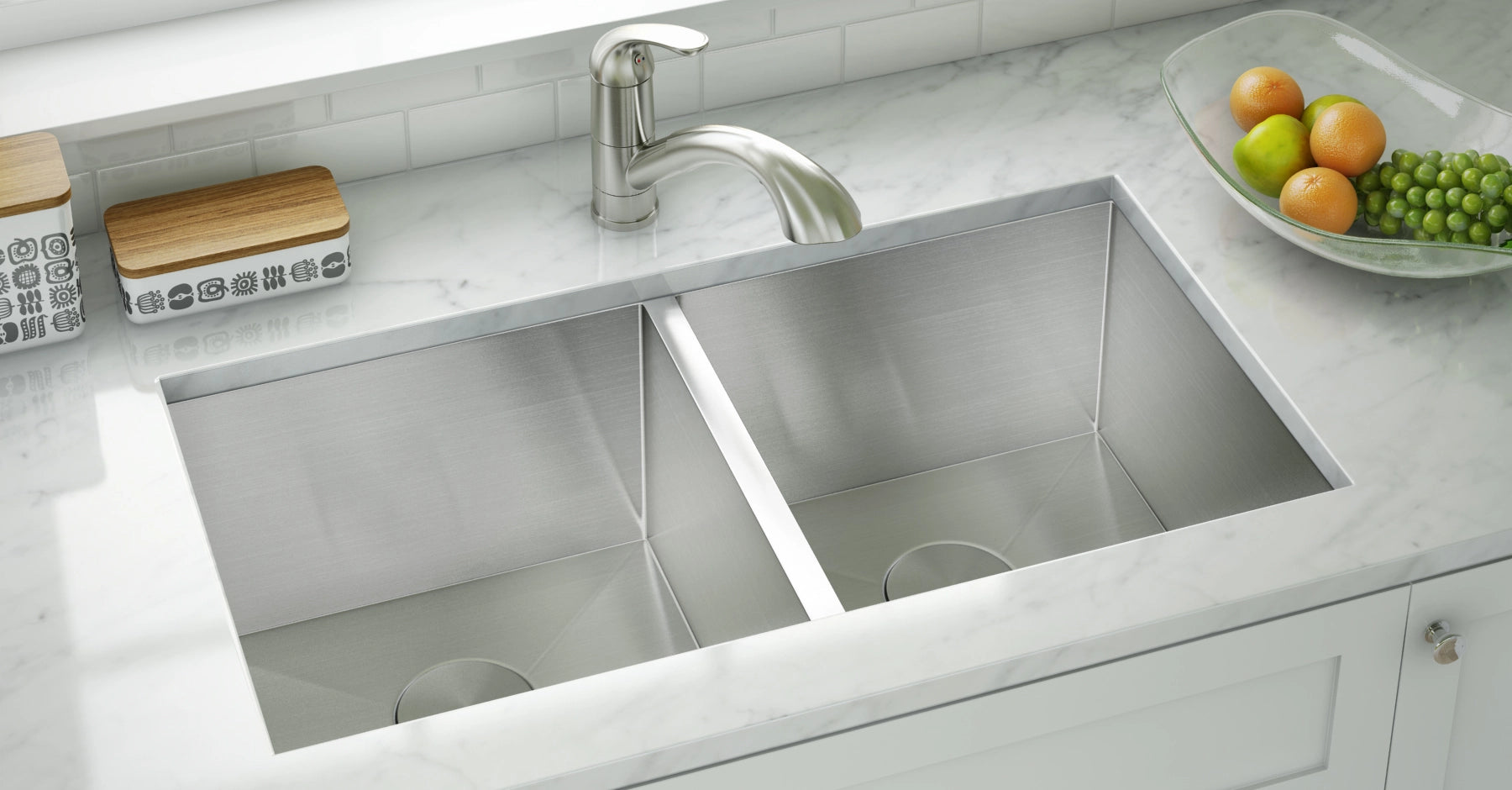
The main difference is layout. A double-bowl sink splits the basin into two parts. A single-bowl sink is one large basin. That simple split changes how you wash, prep, and store dishes.
Double-bowl sinks often include an offset divider. Single-bowl sinks come in many lengths and depths. These design choices affect workflow and what fits under your faucet. Compare layouts with your daily tasks before you decide.
Top benefits of a double-bowl kitchen sink
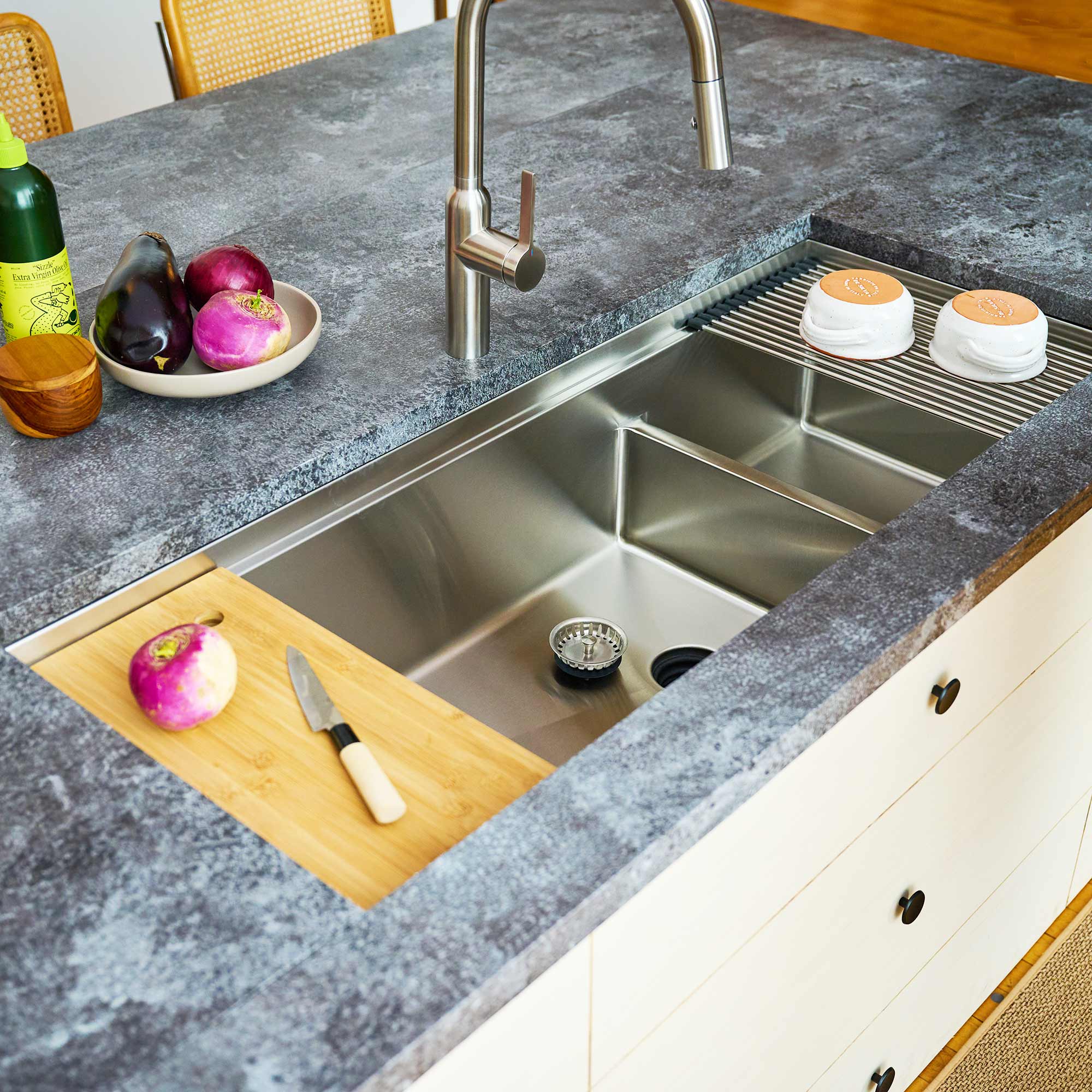
- Task separation makes work tidy. Use one side for washing and the other for rinsing or prep.
- Soaking and using space at once is easy. You can soak pans while you prep vegetables.
- Better for multitasking with small kitchens. Two zones speed up meal prep and cleanup.
- Easier to handle dirty dishes without blocking prep space. One bowl can hold used dishes.
- Built-in accessories fit well. Cutting boards, colanders, and drying racks often match each bowl size.
From my own installs, a double-bowl sink saved time during big meals. I kept one bowl for dirty pots and the other for quick rinses. That habit cut cleanup time and kept counters clear.
Double-bowl vs a single-bowl kitchen sink matters if you often cook for many people. The split helps keep things moving. It also works well when you have one person washing and another prepping.
Top benefits of a single-bowl kitchen sink
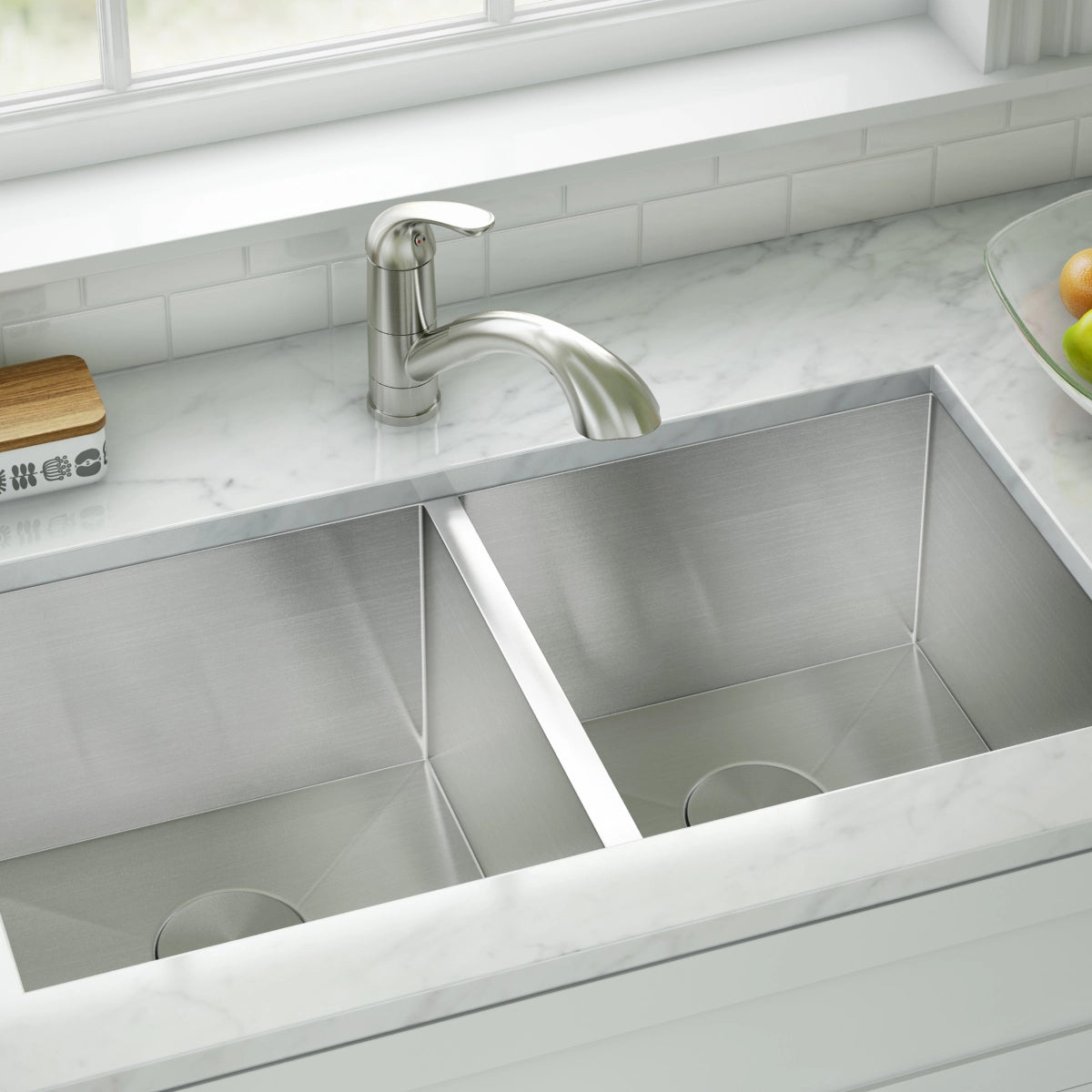
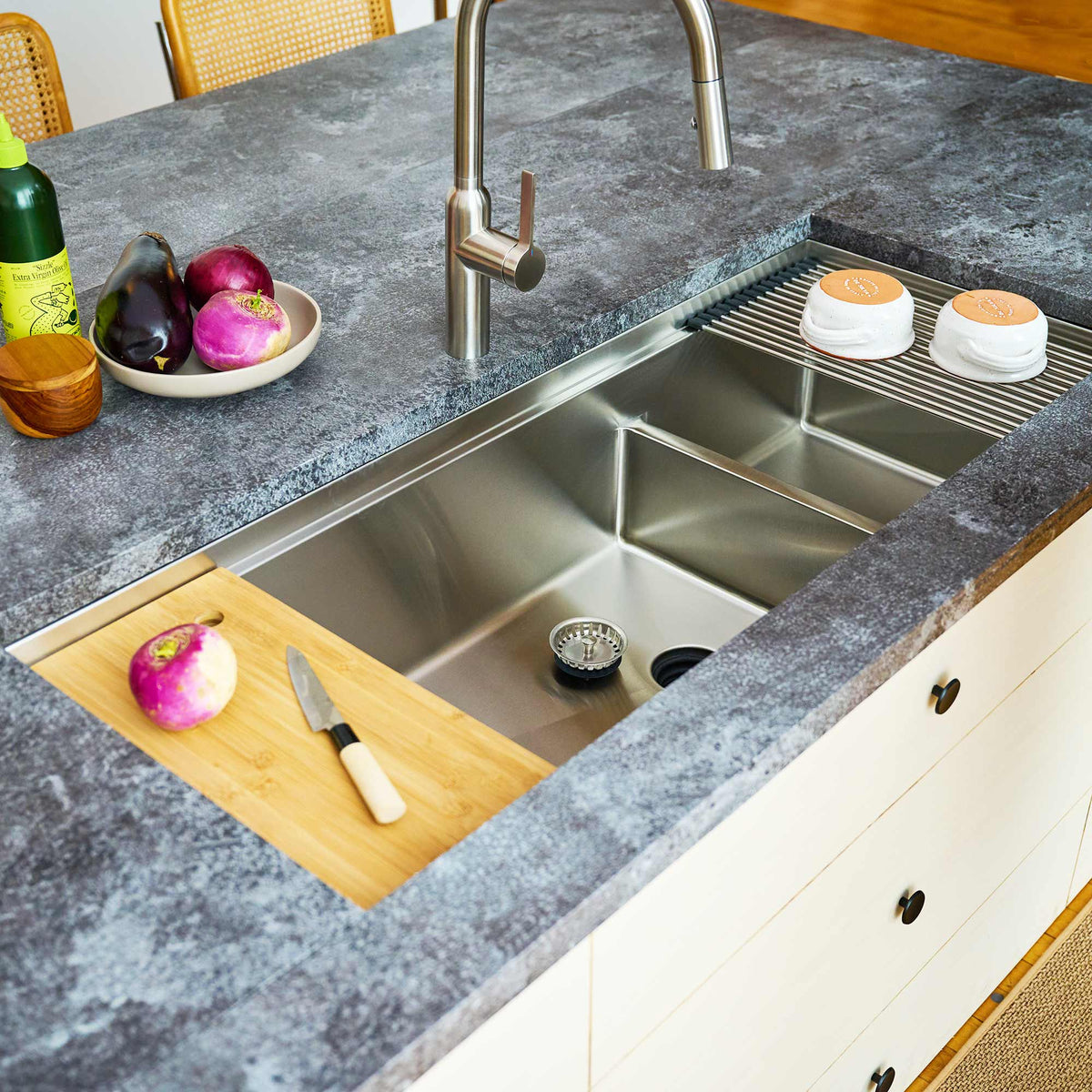
- Large, uninterrupted space fits big pots and baking sheets with ease.
- Simple design is easier to clean. No tight divider edges to scrub.
- Better for modern, minimal kitchens. It gives a sleek look and more visual space.
- Flexible for large prep tasks like washing large veggies or filling stockpots.
- Often cheaper to install under a continuous undermount or farmhouse style.
Personally, when I do big bakes or fill large stockpots, a single-bowl sink beats a double every time. The wide space is calming. It removes awkward angles and makes rinsing large items simple.
If you buy based on size alone, remember double-bowl vs a single-bowl kitchen sink is really about how you use the sink. Single bowls win when size and simplicity matter most.
Practical considerations: space, plumbing, cost, and cleaning
-
Space and cabinet size
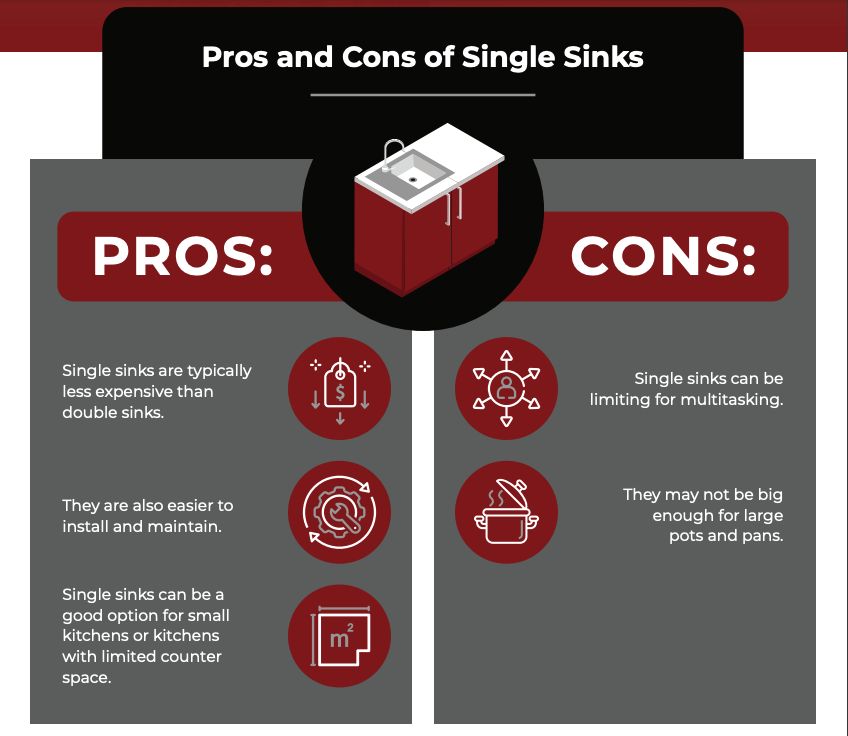
- Double-bowl sinks need wider cabinets or a compact offset design.
- Single-bowl sinks may fit deeper cabinets and allow larger drains.
-
Plumbing and installation
- Double-bowl sink plumbing can be more complex. Expect more plumbing work.
- Single-bowl sinks usually need one drain and fewer cutouts.
-
Cost and accessories
- Double-bowl sinks can cost more when paired with accessories for each side.
- Single-bowl sinks often save on fittings and offer simpler accessories.
-
Cleaning and maintenance
- Double-bowl sinks trap less mess in one place, but the divider can hide grime.
- Single-bowl sinks offer easy wipe-downs and fewer crevices.
When I planned a small remodel, plumbing costs pushed me toward a single-bowl sink. Later, for a family home, I picked double-bowl for its mix of soaking and prep space. Think about your budget and how much change you want in plumbing.
How to decide: who should pick double-bowl vs a single-bowl kitchen sink
Ask short, clear questions about your needs. Match the answers to the sink type.
-
Do you cook large meals often?
- Choose single-bowl for big pots and easy rinsing.
-
Do you need separate zones for prep and washing?
- Choose double-bowl for clear workspace division.
-
Do you have limited cabinet space or tight plumbing budgets?
- Single-bowl usually fits better and costs less to install.
-
Do you want many built-in accessories?
- Double-bowl sinks pair well with dual accessories.
-
Do you value simple cleaning and a sleek look?
- Single-bowl offers ease and a modern style.
Take measurements and test a mock layout on your counter. Place a cardboard cutout the sink size to feel it in your space. That simple test helped me avoid two costly mistakes.
Frequently Asked Questions
What is the main advantage of a double-bowl vs a single-bowl kitchen sink?
A double-bowl sink gives two work zones so you can wash and prep at once. It is ideal for multitaskers and families who share kitchen duties.
Are double-bowl sinks harder to clean than single-bowl sinks?
They can be because of the divider and extra corners. With regular wiping and the right cleaner, they stay as clean as single-bowl sinks.
Which sink type is better for large pots and pans?
A single-bowl sink is better for large items. The wide, open basin fits oversized cookware with less struggle.
Does a double-bowl sink cost more to install?
Often yes. Extra plumbing and two drain setups can raise installation costs by a moderate amount. Labor is the main extra expense.
Can I use a garbage disposal with both sink types?
Yes. Both double-bowl and single-bowl sinks work with garbage disposals. For double-bowl setups, you may need one or two disposals depending on your layout.
Which sink style adds more value to a kitchen remodel?
Both can add value depending on buyer taste and kitchen layout. A well-chosen single-bowl suits modern kitchens, while a double-bowl appeals to busy families.
Conclusion
Choosing between double-bowl vs a single-bowl kitchen sink comes down to how you use your kitchen. Double-bowl sinks offer separation and multitasking. Single-bowl sinks offer space and simplicity. Measure your space, think about how you cook, and test a layout before you buy.
Make a short list of must-haves, test with cardboard, and pick the sink that makes your daily work easier. Share your choice or questions below, or subscribe for more kitchen tips.