Best overall: Ninja BN601 — powerful, versatile, and ideal for grinding grains into fine flour.
I often find myself needing fresh flour for bread and pastries. It can be a chore to turn whole grains into fine flour with a blender or spice grinder. The right food processor changes that. A good machine makes quick work of grains, seeds, and dried beans without overheating them. Below I walk through top picks, real-use notes, and clear buying advice to help you choose the best food processor for making flour.
Ninja Professional Plus BN601
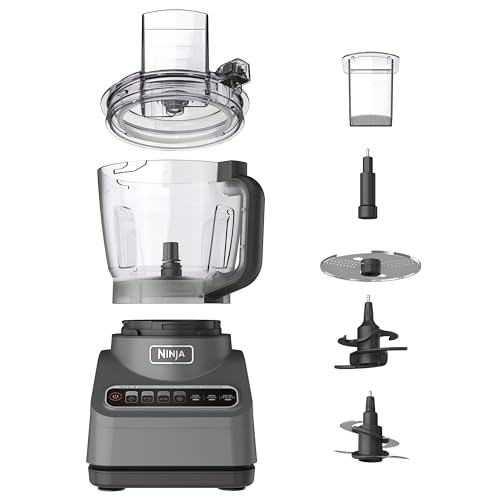
I used the Ninja Professional Plus BN601 for making flour from wheat, oats, and rice. It has a strong motor and blades that stay sharp. The 9-cup bowl is roomy enough to mill a good batch. The unit is simple to use and clean.
Grinding with the BN601 gives fine, even flour in short bursts. I avoid long runs to prevent heat buildup. The result is great for quick bread or pancake mixes. It also handles nuts and seeds for specialty flours.
Pros:
- High peak power for efficient grain grinding
- Large 9-cup bowl for sizable batches
- Sturdy blades produce consistent flour texture
- Simple controls reduce learning curve
- Easy to clean and store
Cons:
- Short processing bursts needed to prevent heating
- Relatively loud at high power
- Bowl lip can trap some flour dust
My Recommendation
I recommend the Ninja BN601 to home bakers who want a balance of power and value. If you make flour occasionally and need a solid all-rounder, this unit fits well. It grinds wheat and gluten-free grains into usable flour with minimal fuss. I found it especially useful for pancake and quick-bread mixes where ultra-fine mill consistency is less critical.
Overall, the Ninja BN601 earns a spot as one of the best food processor for making flour for casual to regular users. It is widely available and offers good value for the motor size and bowl capacity.
| Best for | Why |
|---|---|
| Casual bakers | Large bowl and good power for batch work |
| Mixing nuts and grains | Strong blades handle varied textures |
| Value buyers | High performance at a mid-range price |
Cuisinart 14-Cup DFP-14BCNY
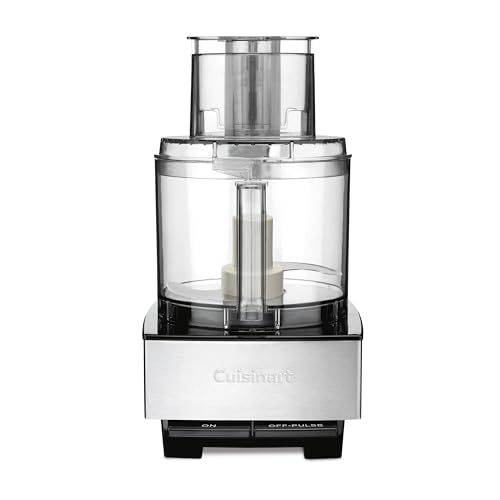
The Cuisinart 14-Cup model is a pro-style unit that feels solid on the counter. The 720-watt motor handles dense grains. I used it for larger batches and noticed consistent particle size. It also has a reliable feed tube and locking lid design.
This processor copes well with whole wheat and rye. I mill in short cycles to keep the motor cool. Cleanup is straightforward since the parts are dishwasher safe. The stainless-steel finish looks sharp in any kitchen.
Pros:
- Large 14-cup capacity for big batches
- Powerful 720W motor handles tougher grains
- Sturdy build quality and attractive finish
- Multiple blade attachments for versatility
- Parts are dishwasher safe for easy cleanup
Cons:
- Heavier footprint takes more counter space
- Higher price point than compact units
- Can be overkill for single-serving batches
My Recommendation
I suggest the Cuisinart 14-Cup model for bakers who mill frequently and in larger batches. If you bake weekly bread or like to make specialty flours, this unit keeps pace. It produces reliable flour texture, so it’s among my top picks for the best food processor for making flour when capacity matters.
This unit is best for families and small-scale home bakers. It offers long-term value thanks to durable parts and strong motor performance.
| Best for | Why |
|---|---|
| Weekly bakers | Bigger bowl for larger batches |
| Durability seekers | Sturdy motor and build |
| Multi-use kitchens | Versatile blades and settings |
Hamilton Beach 12-Cup 70725A

The Hamilton Beach 12-Cup model is budget-friendly and user-friendly. I used it to grind oats and cornmeal with good results. Its stack-and-snap design makes it easy to assemble and safe to operate. The stainless blades are sharp and steady.
For small to medium batches it performs well. It is not as powerful as higher-end models. But for a reasonable price I got smooth flour for muffins and light breads. It is also compact enough for small kitchens.
Pros:
- Affordable price point for budget shoppers
- Easy assembly with stack-and-snap design
- Decent capacity for family use
- Good blade design for consistent milling
- Compact footprint saves counter space
Cons:
- Lower motor power than premium models
- May need multiple short cycles for fine flour
- Not ideal for very dense or oily seeds
My Recommendation
I recommend the Hamilton Beach 12-Cup for budget-conscious bakers who still want the best food processor for making flour. If you mill occasionally or need a second unit for nuts and grains, this model is smart. It offers real value and good results for quick mixes and home baking.
This unit is best for students, apartment cooks, or anyone who wants a reliable yet affordable way to make fresh flour at home.
| Best for | Why |
|---|---|
| Budget buyers | Low cost with solid performance |
| Small kitchens | Compact and easy to store |
| Occasional millers | Good for light to medium tasks |
HoninJoy 10-in-1 Blender & Processor

The HoninJoy 10-in-1 unit blends a food processor and a high-speed blender into one system. I tested its grain grinding mode and found it versatile. The multiple attachments let me mill, chop, and knead. The machine is compact given the range of functions.
For people who want a multi-purpose tool, this is appealing. It handles rice and oat flour with reasonable texture. I recommend short bursts and small batches for the smoothest result. The controls are easy to master.
Pros:
- Multi-function unit replaces several appliances
- Good for grinding grains and crushing ice
- Compact design saves space
- Dishwasher-safe parts for easy cleanup
- Includes attachments for many tasks
Cons:
- Not as specialized as dedicated mills
- Small capacity for larger batch milling
- Longer processing needed for ultra-fine flour
My Recommendation
The HoninJoy 10-in-1 is ideal for cooks who want versatility and space savings. If you want one appliance to do many jobs, it stands out. It performs well enough to be considered one of the best food processor for making flour when you value multi-use gear. I used it for pancakes, gluten-free mixes, and a few seed flours with success.
This unit is best for small kitchens and multi-use households. It gives good value where appliance consolidation matters.
| Best for | Why |
|---|---|
| Multi-taskers | Handles blending, milling, and more |
| Small kitchens | Saves counter space with many tools |
| Occasional millers | Good for small batches and varied tasks |
GANIZA 2-Bowl Food Processor 450W
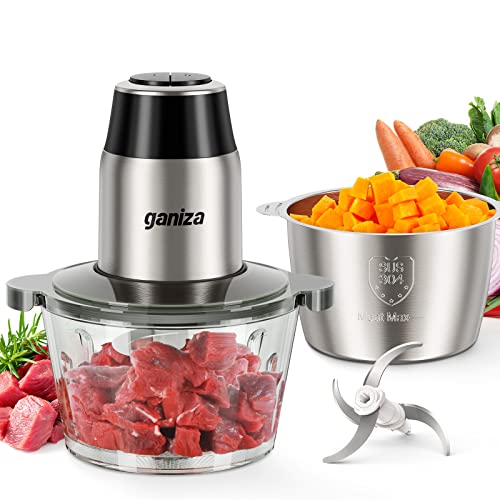
The GANIZA dual-bowl processor gives flexibility with two 8-cup bowls. I used one bowl for whole grains and the other for seeds. The 450W copper motor is efficient and stays cool. It also includes bi-level blades that improve chopping and milling.
The two-bowl setup speeds workflow. I can grind one grain while prepping another. The flour texture is good for home baking. I appreciate the clear lids that let me watch the process.
Pros:
- Two bowls for simultaneous tasks
- 450W copper motor runs efficiently
- Bi-level blades adapt to different foods
- Clear lids for process visibility
- Good value for the feature set
Cons:
- Smaller bowl size than large pro units
- Not ideal for continuous heavy milling
- May require cooling pauses with hard grains
My Recommendation
The GANIZA 2-bowl model is perfect for cooks who like parallel tasks. If you often mill different grains or keep one bowl for flour and one for other prep, this unit shines. It stands among the best food processor for making flour when workflow speed is important. I used the dual bowls to make a rye blend and a gluten-free mix with little cross-contamination.
It is best for multitasking home kitchens and those who want reliable mid-level power with good value. Availability is reasonable and I found replacement parts accessible.
| Best for | Why |
|---|---|
| Multitaskers | Two bowls let you prep two items at once |
| Home bakers | Good motor for regular milling |
| Value seekers | Feature-rich at a mid-range cost |
FAQs Of best food processor for making flour
Can a food processor make flour as fine as a grain mill?
Yes, for many uses. A food processor can make flour fine enough for pancakes, muffins, and many breads. For ultra-fine pastry flour, a dedicated grain mill may be better. I find short pulses give the best texture without heating the grain.
Which grains can I grind in a food processor?
You can grind wheat, rye, oats, rice, corn, and many seeds. Harder grains like corn take more time and short bursts. For oily seeds, work in small batches to avoid clumping. I always sift and regrind larger pieces.
How do I avoid heat buildup when making flour?
Use short pulses and rest between cycles. Keep batches small and avoid long continuous runs. Cooling the bowl by pausing helps preserve flavor and nutrients. I let the processor sit 30–60 seconds after two or three pulses.
Do I need special blades to make flour?
No special blades are required for basic flour. A sharp steel chopping blade and high speed work well. Some processors offer milling or multi-level blades that give better results. I recommend blades designed for dry grinding when available.
How fine should flour be for different recipes?
Use coarser flour for cornmeal or rustic bread. Use fine flour for cakes and pastries. I grind until the texture matches the recipe and then sift to remove large bits. Adjust run time to reach the desired fineness.
Final Verdict: Which Should You Buy?
If you want a powerful, versatile unit for home milling, the Ninja BN601 stands out as the best food processor for making flour. It balances power, capacity, and price for most home bakers.
For larger batches, choose the Cuisinart 14-Cup. For budget needs, pick the Hamilton Beach. For multi-use kitchens, the HoninJoy and GANIZA are solid choices.