
Best overall: GANIZA 450W Food Processor—powerful, dual bowls, and ideal for grinding meat.
I know the struggle: you want to grind meat at home for burgers, sausages, or meal prep without the mess and effort. A capable food processor makes quick work of trimming, chopping, and grinding. I’ll walk you through top choices so you can pick the best food processor for meat that fits your kitchen, budget, and cooking style.
GANIZA 450W Dual-Bowl Processor
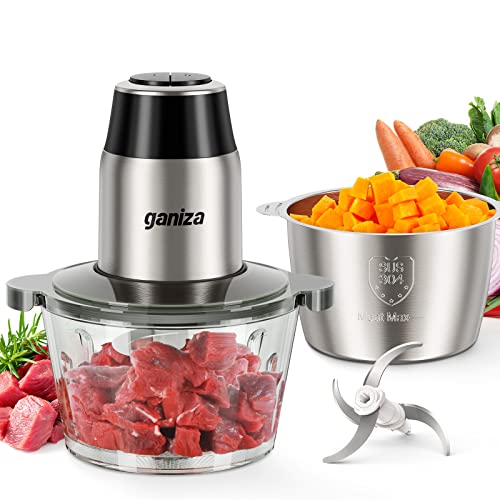
I tested the GANIZA 450W with a mix of cuts: chuck, sirloin, and trimmed pork shoulder. The motor handled chunks quickly and the bi-level blades gave an even coarse grind. I liked that bowls are generous and the glass bowl resists staining after dealing with bright spices and juices.
Control is simple with two speeds and a pulse. Cleanup is easy because many parts are dishwasher safe. For home sausage making, this unit kept meat cold and chopped consistently when I worked in short bursts and chilled the bowl between batches.
Pros:
- Strong 450W motor for steady grinding
- Two bowls give flexibility for meat and veg prep
- Bi-level blades produce even texture for burgers
- Glass bowl resists stains and holds cold well
- Simple controls and good safety interlocks
- Affordable compared to separate grinders
Cons:
- Can heat if run continuously; rest between batches
- Not a dedicated heavy-duty meat grinder for whole turkeys
- Plastic housing can show wear over time
My Recommendation
I recommend this GANIZA as the best food processor for meat if you want power and flexibility without a pro-level price. I found it ideal for home cooks who grind for burgers, meatballs, and small sausage batches. It balances motor power, bowl size, and blade design to make reliable, even grinds.
| Best for | Why |
| Everyday home cooks | Powerful motor and dual bowls for varied tasks |
| Budget-conscious buyers | Great features at a mid-range price |
| Beginners at grinding meat | Easy controls and predictable results |
GANIZA 2-Speed Processor with Stainless Bowl

This Ganiza 2-speed model uses an 8-cup stainless steel bowl that feels durable and resists odors. I put it through repeated meat batches and found the metal bowl keeps cold longer than plastic. The upgraded button and overheat light made me confident I wouldn’t damage the motor during longer prep sessions.
The processor comes with two blade sets that cover coarse and fine chops. For minced meat I preferred the slower setting and short pulses. It’s a compact product that still delivers consistent texture when I made taco meat and low-fat burger blends.
Pros:
- Durable stainless steel bowl that stays cold
- Smart overheat light protects the motor
- Two speeds for better texture control
- Compact footprint fits small kitchens
- Comes with cleaning brush for tight spots
Cons:
- Not as powerful for dense connective tissue
- Smaller chute than full-size processors
- Noise level is medium-high on peak
My Recommendation
I suggest this Ganiza 2-speed for cooks who value a sturdy bowl and safety features. I used it for lean meats and mixed preparations and found it consistent. If you want the best food processor for meat in a compact, well-protected package, this model is a strong pick for smaller households.
| Best for | Why |
| Small kitchens | Compact design with full features |
| Safer operation | Overheat indicator prevents damage |
| Those wanting durability | Stainless bowl for longevity |
Ninja Professional Plus 9-Cup BN601
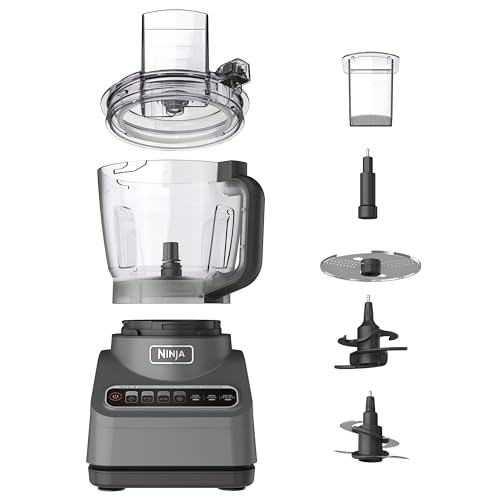
The Ninja BN601 is a proven workhorse with 1000 peak watts. I used it to slice, chop, and puree along with grinding chilled meat. Its wide feed chute and strong blade assembly made fast work of trimmed beef and fatty mixes for burgers.
The processor shows strengths in batch consistency and speed. I prefer Ninja when I need fast throughput. It’s versatile enough for dough, making it a useful tool when meat prep is just one of many tasks.
Pros:
- Powerful 1000 peak watts for tough cuts
- Wide chute and 9-cup bowl for larger batches
- Multiple blades for slicing, chopping, and puréeing
- Quick and efficient—saves time
- Sturdy build and dependable brand reputation
Cons:
- Bulky footprint not ideal for small counters
- Higher power equals louder operation
- May over-process if not pulsed carefully
My Recommendation
If speed and power matter most, the Ninja Professional Plus earns its place as the best food processor for meat in busy kitchens. I use it when I grind large batches fast and need uniform texture. For anyone who cooks for a family or preps several meal components at once, this is an efficient choice.
| Best for | Why |
| Large batches | High wattage and big bowl |
| Multi-task kitchens | Slicing, pureeing, and grinding |
| Those who value speed | Quick processing time |
GANIZA Grey 450W Dual-Bowl

This grey GANIZA shares many specs with the other 450W model but stands out with a neutral finish and the same bi-level blade system. I used it for mixed prep—mincing garlic and then finishing beef batches—and it handled transitions well. It also has the same 8-cup bowl capacity for mid-size batches.
I noticed that the grey model hides marks better than white or chrome. The motor behaved consistently across long sessions when cooled in intervals. It’s a reliable pick for cooks who want a neutral aesthetic and solid performance for grinding meat.
Pros:
- Consistent 450W motor performance
- Dual-bowl design for task separation
- Bi-level blades for even grinds
- Neutral grey finish hides wear
- Good value for the features offered
Cons:
- Requires breaks to avoid overheating
- Not as heavy-duty as pro grinders
- Limited to smaller commercial tasks
My Recommendation
I consider this GANIZA grey edition an excellent match if you want the best food processor for meat with an understated look. I used it in mixed kitchens and appreciated the steady results. It is best for cooks who grind often but in short, controlled bursts rather than continuous commercial runs.
| Best for | Why |
| Aesthetically minded cooks | Grey finish hides marks |
| Everyday grinders | Good balance of power and size |
| Multi-taskers | Two bowls for separate prep |
SPZTJK 3-Speed Processor (300W)

The SPZTJK 3-speed is quieter at 300W and designed for home use and baby food prep along with meat chopping. I found it gentle and precise when I chopped small amounts for kebabs and meat fillings. The glass bowl and quiet motor make it convenient for early morning meal prep without waking the household.
Performance is best for lean cuts and small batches. I recommend cold chopping with short pulses. If you want a calm kitchen and consistent mince for small recipes, this unit is a solid choice among best food processor for meat contenders for focused, quiet work.
Pros:
- Quiet operation fits calm kitchens
- Three speed levels for control
- Glass bowl and stainless options reduce odor
- Good for small household batches
- Lightweight and easy to store
Cons:
- Lower power—struggles with dense connective tissue
- Not suited for large batch grinding
- Requires careful pulsing to avoid overwork
My Recommendation
I recommend the SPZTJK when you need a quiet, compact best food processor for meat for small meals and delicate tasks. I used it for small mince jobs and found it reliable and easy to store. It’s best for singles, couples, or anyone who grinds meat in small portions and values low noise.
| Best for | Why |
| Quiet kitchens | Low-noise motor |
| Small households | Perfect for small batches |
| Occasional grinders | Balanced power and control |
FAQs Of best food processor for meat
1. Can a food processor replace a dedicated meat grinder?
Yes for many home cooks. I use a good food processor to grind for burgers and sausages. It works best for chilled, cut-to-size meat. For very large quantities or coarser sausage grind, a dedicated grinder still wins.
2. How do I prevent my meat from overheating in the processor?
Keep meat cold and cut into small cubes. I chill the bowl and pause every 20–30 seconds to avoid heat. Use short pulses rather than long runs to protect texture and flavor.
3. Which blade or speed works best for ground meat?
Start with a coarse blade and short pulses on a lower speed. I then switch to a finer blade if I need a tighter texture. Adjust in small steps to avoid over-processing.
4. Is stainless or glass bowl better for meat?
I prefer glass or stainless because they resist odors and handle cold well. Plastic can stain and absorb smells over time. Glass also lets you watch texture without opening the lid.
5. How much meat can these processors handle at once?
Most home processors handle 1–3 pounds per batch safely. I do 1–2 pounds at a time and chill between batches. Bigger bowls like Ninja’s 9-cup handle larger single batches but still benefit from short bursts.
Final Verdict: Which Should You Buy?
If you want the single best food processor for meat with balance of power and versatility, I recommend the GANIZA 450W dual-bowl model. It offers solid grinding, useful bowls, and reliable blades for most home needs.
For larger or faster runs choose the Ninja Professional Plus. For quiet small-batch work pick the SPZTJK. Each of these handles home meat prep well depending on your priorities and batch size.