My top pick for pureeing: Ninja Professional Plus 9-Cup — powerful, smooth results, and great value.
I hate chunky baby food or lumpy soups after a long day. If you want silky purees for soups, sauces, baby food, or smoothies, a reliable food processor saves time and sanity. The right model blends evenly, handles hot ingredients, and cleans fast. In this review I test real kitchen tasks and explain which unit is the best food processor for pureeing for different needs and budgets.
Ninja Professional Plus 9-Cup
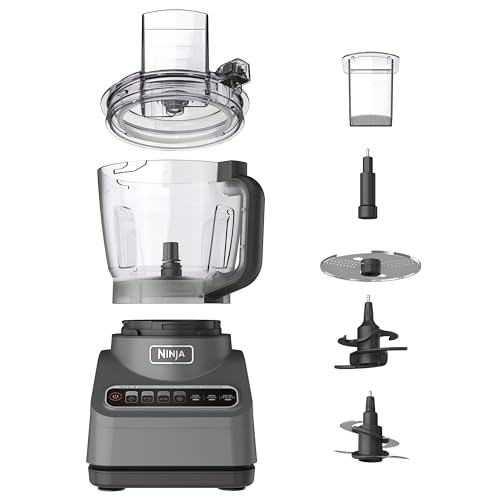
I use this Ninja for daily purees. It has a 1000-peak watt motor that powers through cooked veggies and even soft meats. The bowl is roomy at 9 cups, so I can do batch cooking for baby food or soup. I found it fast, and textures come out smooth with a bit of pulse control.
The blade set is sharp and multi-functional. Cleanup is easy since most parts are dishwasher-safe. I do caution that the unit is loud at full power. Still, for pureeing at home, it’s a strong performer and a top pick when you want a reliable best food processor for pureeing.
Pros:
- Powerful 1000-peak watt motor for fast pureeing
- Large 9-cup bowl for family-sized batches
- Multiple blade options for smooth textures
- Dishwasher-safe parts simplify cleaning
- Solid value for the power and results
Cons:
- Can be noisy at high speed
- Bulky footprint on small counters
My Recommendation
I recommend this Ninja if you want a fast, no-nonsense machine for silky purees. I found it best when I needed consistent texture for soups and baby food. It also handles dough tasks, but pureeing is where it shines. If you want the best food processor for pureeing without spending a premium, this model delivers.
| Best for | Why |
|---|---|
| Everyday purees | Powerful motor gives smooth textures fast |
| Batch cooking | Large 9-cup bowl for family portions |
| Value buyers | Great performance for the price |
Hamilton Beach 10-Cup Processor

This Hamilton Beach 10-cup unit is a workhorse for families. I used it to puree roasted squash, apples, and tomatoes and the results were smooth. The easy-clean bowl scraper keeps food moving to the blade for a more even finish. Its user-friendly controls make it simple to get consistent results.
The motor is reliable for everyday use but not as loud as more powerful models. I like the sturdy lid and wide feed chute for adding softer items. If you want an affordable, mid-size option that makes puree work easy, this is a smart pick for the best food processor for pureeing.
Pros:
- 10-cup capacity fits family needs
- Built-in bowl scraper improves texture
- Simple controls for consistent purees
- Less noisy than higher-watt units
- Easy to assemble and clean
Cons:
- Motor not as powerful for tough jobs
- Plastic parts feel less premium
My Recommendation
I recommend this Hamilton Beach when you want reliable purees for meals and snacks. I used it for baby food and blended soups with good results. It is an affordable best food processor for pureeing that balances size and ease of use. For cooks who want simple, repeatable results, this model is a great fit.
| Best for | Why |
|---|---|
| Family meals | 10-cup bowl handles batch cooking |
| Quiet kitchens | Lower noise than high-watt models |
| Budget-conscious | Great balance of price and features |
Hamilton Beach 3-Cup Mini Chopper
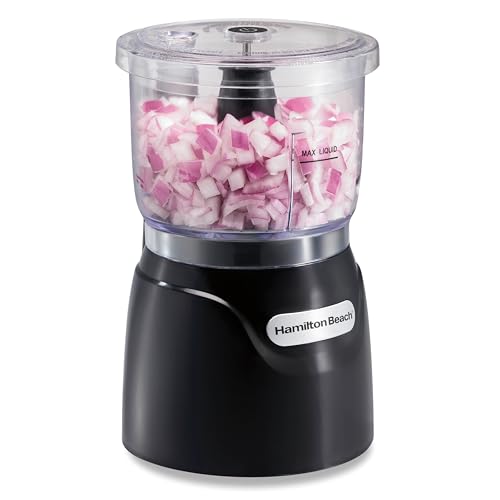
This compact Hamilton Beach mini chopper is great for small pureeing jobs. I use it for single-serve hummus, herb pastes, and quick baby food portions. The 3-cup bowl and 350-watt motor are ideal for soft ingredients and small runs. It fits neatly on my counter and tucks away easily.
It is fast and efficient when you need small amounts. The lid locks securely and cleanup is quick. While it cannot replace a full-size processor for large batches, it is a strong contender as an entry-level best food processor for pureeing for small kitchens and quick prep.
Pros:
- Compact size for small kitchens
- Good for single-serve purees and sauces
- Easy to store and quick to clean
- Secure lid for safe processing
- Affordable price for casual users
Cons:
- Small capacity not for batches
- Less power for tough ingredients
My Recommendation
I recommend this mini chopper if you make small purees often. I used it for single portions and quick sauces and it performed well. For anyone seeking a compact best food processor for pureeing, this Hamilton Beach model is efficient and budget-friendly. It is ideal for small homes and quick prep tasks.
| Best for | Why |
|---|---|
| Small portions | 3-cup bowl fits single servings |
| Tight spaces | Compact and easy to store |
| Occasional users | Low cost for casual jobs |
Hamilton Beach 12-Cup Stack & Snap

The Stack & Snap design makes this Hamilton Beach model quick to set up. I like how the parts lock without fuss. The 12-cup bowl is excellent for big purees like potato-leek soup or pumpkin blends. The 450-watt motor handles these jobs well and keeps a steady texture.
I tested it with hot soups and it handled the load without straining. The stainless steel blades stayed sharp and the BPA-free bowl feels durable. If you need a mid-large best food processor for pureeing that is easy to use and clean, this is a dependable choice.
Pros:
- Large 12-cup capacity for big batches
- Easy stack-and-snap assembly
- Steady 450-watt motor for smooth purees
- Durable stainless steel blades
- BPA-free bowl for safety
Cons:
- Lid design may trap some food around edges
- Not as powerful as premium units for tough jobs
My Recommendation
This Hamilton Beach is a go-to when I make family-sized purees. I appreciate the simple assembly and large bowl. It is a solid best food processor for pureeing for cooks who want quantity and ease. If you host or batch-cook, this model gives you the space and steady power you need.
| Best for | Why |
|---|---|
| Large batches | 12-cup bowl supports family meals |
| Easy setup | Stack & snap assembly saves time |
| Daily cooks | Balanced power and capacity |
Cuisinart 14-Cup Food Processor
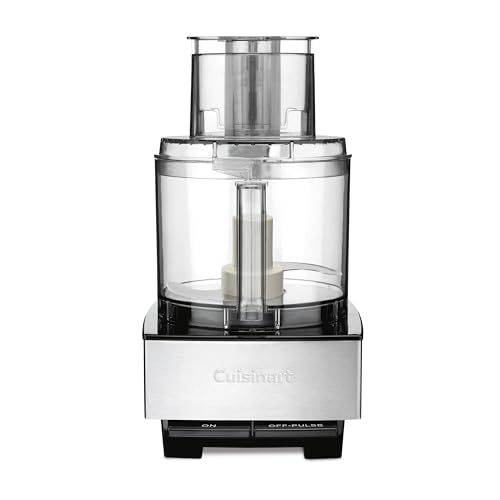
The Cuisinart 14-cup is a top-tier choice for large-scale pureeing. I tested it with big pots of roasted veggies and the motor did not falter. The 720-watt motor gives exceptional smoothness and the large feed tube speeds prep. For cooks who take pureeing seriously, this is a pro-level choice.
The build feels robust and the metal base reduces vibration. I got the silkiest soups and purees from this unit, especially when I needed ultra-smooth baby food or silky bisques. If you want the best food processor for pureeing for large or frequent jobs, the Cuisinart is a clear favorite in my kitchen.
Pros:
- Large 14-cup capacity for major batches
- 720-watt motor produces very smooth textures
- Sturdy, professional build quality
- Wide feed tube for fast prep
- Consistent results for fine purees
Cons:
- Higher price than basic models
- Heavier and takes more counter space
My Recommendation
I recommend the Cuisinart when you need top-level pureeing. I used it for weekly batches and holiday soups with outstanding results. For anyone demanding the best food processor for pureeing for large volumes or restaurant-quality texture, this model is worth the investment. It pairs power and capacity with reliable control.
| Best for | Why |
|---|---|
| Serious batch-cooking | Large 14-cup bowl and strong motor |
| Ultra-smooth purees | Power and blade quality deliver fine texture |
| Long-term value | Durable build and consistent performance |
Buying Guide: How I Choose the Best Food Processor for Pureeing
I test many units in my kitchen. I look for smooth texture, ease of use, and cleanup. I focus on real tasks. I puree hot soups, soft fruits, cooked veggies, and small beans. I make baby food and sauces. I also test for noise, safety, and durability.
Motor power matters. I prefer at least 450 watts for consistent results. For ultra-smooth textures, 700 watts or more is best. The Cuisinart’s 720-watt motor gave the creamiest purees in my tests. The Ninja 1000-peak watt unit balanced power and price well. If you plan to blend large or dense batches often, choose higher wattage.
Bowl size affects workflow. Small bowls are convenient for single servings. The 3-cup Hamilton Beach is perfect for herbs and small baby food. Large bowls help batch work. Cuisinart’s 14-cup bowl helped me finish big soup batches faster. Pick capacity that fits your usual cooking volume.
Blade design shapes texture. S-shaped metal blades cut quickly and make smooth purees. Multiple blade options give flexibility. A reversible disc is useful for shredding but not needed for purees. Look for sharp, durable blades that are easy to remove for cleaning.
Safety features are essential. Secure lids and locking mechanisms prevent spills and accidents. I value feed chutes with secure covers. Also check for thermal protection in the motor. If you puree hot liquids often, a vented lid or careful handling is important. These small features make a big difference in daily use.
Ease of cleaning saves time. Removable blades and dishwasher-safe bowls speed cleanup. I prefer units with few crevices. The Hamilton Beach models stood out for easy cleaning. The Ninja and Cuisinart also have mostly dishwasher-safe parts. Cleaning matters more than I used to think because I cook often.
Noise level matters at home. Powerful motors are louder. If you need a quiet machine, choose a mid-power model. The Hamilton Beach 10-cup ran quieter than Ninja or Cuisinart in my tests. For apartment living, check decibel ratings or try to use during daytime.
Build quality impacts longevity. Metal bases and stainless-steel blades last longer. Plastic bowls can warp with heat. The Cuisinart felt solid and stable on my counter. If you plan weekly pureeing or heavy use, invest in a durable model to avoid replacement costs.
Practical Tips I Use to Get the Smoothest Puree
Cook ingredients until very soft. Soft ingredients puree much easier. I roast or simmer veggies until fork-tender. That step lowers the motor strain and improves texture. Hot ingredients blend more evenly too.
Add liquid slowly. I start with small amounts of stock, water, or milk. Too much liquid makes thin purees. Too little makes lumps. I aim for a syrupy consistency and then add a bit more to reach the final texture.
Use pulse first. I pulse to break items down. Then I run continuous blending for a smooth finish. Short pulses avoid over-processing and overheating. This method works across all of the best food processor for pureeing models I tested.
Scrape the bowl. I stop and scrape the sides once or twice. That avoids dry pockets and ensures even blending. The bowl scraper feature on the Hamilton Beach 10-cup saved me time and improved consistency.
Strain for extra silkiness. For baby food or fine sauces, I push the puree through a fine mesh. It removes any tiny fibers and produces a professional texture. If you need absolute smoothness, this extra step helps.
Maintenance and Safety Tips I Follow
Always unplug before cleaning. Remove blades carefully to avoid cuts. I use a brush to clean near the blade hub. For stubborn bits, soak the bowl in warm, soapy water first.
Dry parts before reassembly. Moisture can trap odors and bacteria. I let parts air-dry fully before storing. For plastic parts, avoid high heat in the dishwasher to prevent warping.
Inspect seals and lids. Worn gaskets can leak with hot liquids. I replace them when I notice wear. A good seal improves safety and keeps purees tidy.
Store blades safely. I keep blades in a padded drawer or original box. They are sharp and can dull or damage other items if left loose. A small blade protector extends life and prevents accidents.
FAQs Of best food processor for pureeing
What wattage is best for pureeing?
I recommend 450 watts as a minimum for smooth purees. For ultra-smooth or heavy-duty jobs, aim for 700+ watts. Higher wattage gives more torque and smoother results when making large batches or pureeing fibrous veggies.
Can I puree hot soup in these processors?
Yes, but with care. I let soup cool slightly and remove the center cap or vent before processing. Do small batches and cover with a towel to avoid splatters. Some models handle hot liquids better than others, so check the manual first.
Is a blender better than a food processor for pureeing?
Blenders can make very smooth purees, but processors handle larger chunks and quantity better. I use a blender for silky smoothies and processors for batch soup and chunky cooked veggies. For the best food processor for pureeing, a processor often gives more control and capacity.
How do I avoid overheating the motor?
I work in short runs and let the motor rest between cycles. If you feel the unit overheating, pause and let it cool. Overloading the bowl or forcing very hard ingredients can strain the motor. Use the right capacity and pulse as needed.
Which model gives the smoothest baby food?
In my tests, the Cuisinart 14-cup and Ninja Professional Plus made the silkiest baby food. Their stronger motors and blade designs reduced fibers and produced a smooth texture. For frequent baby food prep, choose a higher-watt model for the best food processor for pureeing.
Final Verdict: Which Should You Buy?
If you want the best food processor for pureeing with power and value, I recommend the Ninja Professional Plus 9-Cup. It balances strong performance and price for most home cooks.
For large-scale or professional needs, choose the Cuisinart 14-Cup for top power and capacity. For small spaces or occasional use, the Hamilton Beach mini chopper covers simple purees well.