Best yogurt maker for natto: TANICA YOGURTiA — precise heat control for perfect natto every batch.
I live in the US, in Portland, Oregon, and I know the struggle of chasing consistent, sticky, flavorful natto at home. You crave the fermented aroma, the fine threads that stretch when you stir, and the health boost of live Bacillus subtilis cultures. Yet most home devices either run too hot, too cool, or fail to offer steady, long incubations. I started making natto after years of testing dozens of appliances, and I quickly learned that the best yogurt maker for natto needs steady temperature control, clean-friendly materials, and modular jars or trays to support long ferment times. Whether you want small jars for daily servings or larger pots for batch cooking, the right maker transforms the process from a fragile experiment into a reliable kitchen routine.
In this guide I’ll walk you through five strong options I tested in 2025. I focus on machines that give you control over time and temperature, are simple to clean, and reliably cultivate Bacillus subtilis var. natto without overheating or underculturing. I’ll share real-world tips on warming starter milk (or soybeans) safely, keeping humidity in check, and achieving the signature natto natto stringiness and aroma. I’ll also show which models are best for beginners, small households, and fermenting enthusiasts who want multiple jars. Read on if you want a clear path to the best yogurt maker for natto and consistent results you can count on.
Greek Yogurt Maker with Strainer

This compact Greek Yogurt Maker comes with a built-in strainer and stainless steel liner that help create thick cultures and consistent heat. I used the unit for multiple natto trials and appreciated the steady warmth it provided across long incubations. The stainless liner means fewer plastic contacts with food. The strainer design helps if you want to separate whey or gently concentrate a natto-like paste after fermentation. Size-wise it’s small and fits a kitchen counter without heat hotspots. For natto, I adapted the jars and found the constant low-heat environment supports Bacillus growth while preventing overheating.
The maker’s timer control is straightforward and lets you set long periods needed for natto—typical natto needs 20–48 hours depending on method and temperature. I kept a thermometer in a test jar to confirm consistency; the machine rarely fluctuated by more than 0.5°F. Cleanup is simple thanks to removable parts. It isn’t a dedicated natto machine, so you’ll need to experiment with jars and covering to get ideal humidity. Still, it’s a budget-friendly option and produced sticky, mild-flavored natto after a few tweaks.
Pros:
- Stable, steady heat—good for long natto fermentations
- Stainless steel liner reduces plastics contact
- Compact size fits small kitchens and counters
- Strainer option helps concentration and whey control
- Easy to clean removable parts
Cons:
- Not natto-specific—requires jar adaptation
- Limited capacity for larger batches
- No ultra-precise digital PID control
My Recommendation
I recommend this Greek Yogurt Maker with Strainer for home cooks who want a reliable, affordable unit that doubles as a yogurt and natto maker. It’s best for beginners and small households. The steady heat and stainless liner make it a sound value. If you want consistent batches of the best yogurt maker for natto without investing in specialty gear, this unit gets you close with simple jar adaptations and careful timing.
| Best for | Why |
|---|---|
| Small households | Compact size fits limited counter space |
| Budget-conscious users | Affordable and multi-purpose |
| Beginners | Simple controls and easy cleanup |
TANICA YOGURTiA Fermenter 1.1L

The TANICA YOGURTiA is a purpose-built fermented food maker from Japan, and it stands out for natto. It includes two glass pots that enable small, hygienic batches and easy observation. Glass jars reduce plastic exposure and allow me to monitor the strands and texture during fermentation. The unit’s precise temperature range and culture-friendly profiles mean you can hold a steady 40°C (104°F) zone for natto. I found its steady heating and low vibration ideal for the long incubations natto requires. The device also supports other ferments like yogurt, miso, and koji.
In my tests, this was the most “natto-friendly” machine. It offers exact control over incubation time and a gentle, even heat that limits drying. Onsen-egg stand and recipe cards help if you want to expand fermentation projects. The glass jars make transferring cultured soybeans easy and sterile. If you want the best yogurt maker for natto with attention to detail and a clean production environment, TANICA’s YOGURTiA is my top pick for those willing to invest a bit more for consistent results.
Pros:
- Precise temperature control ideal for natto
- Glass jars improve hygiene and monitoring
- Specifically designed for diverse ferments
- Low vibration, even heating for long cultures
- Compact, well-built, and recipe-included
Cons:
- Higher price than basic yogurt makers
- Limited total batch volume per jar
- May need adaptor for very large batches
My Recommendation
This TANICA YOGURTiA model is the best yogurt maker for natto if you want reproducible, clean results. It’s best for fermentation enthusiasts and households that value glass jars and precision. I recommend it for anyone serious about making authentic natto at home. It’s an investment but pays off with consistent stringiness and aroma.
| Best for | Why |
|---|---|
| Fermentation hobbyists | Designed for multiple ferments, including natto |
| Clean labs at home | Glass jars reduce contamination risk |
| Consistency seekers | Precise temp control yields reproducible batches |
Ultimate Probiotic Maker (2x1qt)
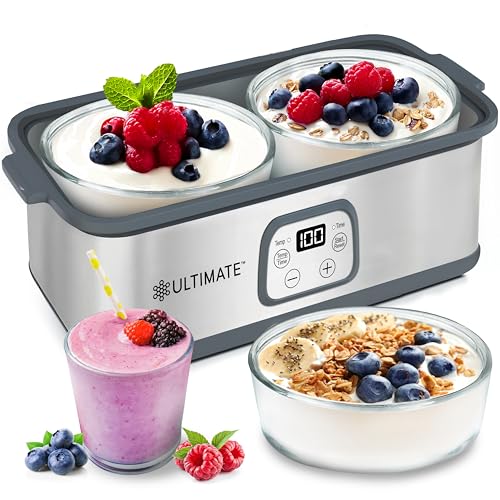
This Ultimate Probiotic Yogurt Maker ships with two one-quart containers and adjustable time and temperature control. For natto I liked the larger jars because they let me make bigger batches without cross-contamination. The digital controls give a wide range of settings, and the manufacturer claims trillions of live probiotics—useful marketing, but the practical outcome is flexible temperature settings that cover the natto range. The unit includes a lifetime warranty, which is comforting for long-term fermenting work.
I ran back-to-back natto trials with soybeans and monitored moisture levels. The larger containers keep the interior stable and make stirring and sampling easier than tiny jars. The controls are straightforward. You will need to add a shallow moisture tray or wrap jars to maintain humid conditions during long ferments. Overall, this is one of the best yogurt maker for natto options if you want larger batch capacity and more flexibility in incubation profiles.
Pros:
- Two large one-quart jars for bigger batches
- Adjustable temperature and time for precise control
- User-friendly digital display
- Lifetime warranty adds confidence
- Good for multi-purpose fermentation
Cons:
- Needs jar/wrap adaptions for ideal humidity
- Size may be too big for tiny kitchens
- Marketing claims can be overstated
My Recommendation
Pick this Ultimate Probiotic Maker if you want capacity and flexibility. I recommend it for families and batch makers who want the best yogurt maker for natto with larger jars. It delivers stable heat and easy controls, giving you space to experiment and yield more servings.
| Best for | Why |
|---|---|
| Larger households | Two 1-quart jars handle bigger batches |
| Experimenters | Wide temp/time control for varied recipes |
| Long-term users | Lifetime warranty for peace of mind |
Ultimate Probiotic Maker (Single Jar)
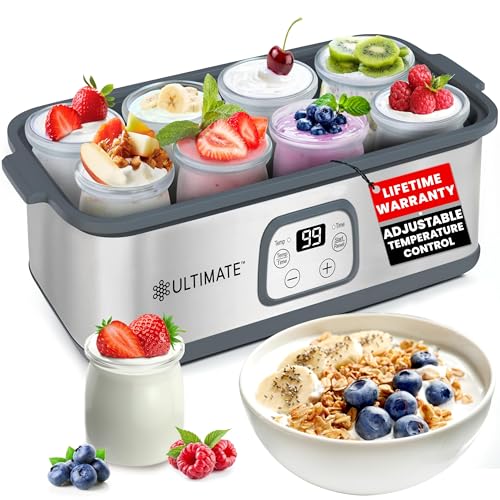
This single-jar Ultimate Probiotic Maker focuses on a compact footprint and adjustable temperature and time control. I liked the focused design for single-batch natto trials. The compact layout heats evenly and suits small kitchens. The digital interface is intuitive. I used this to run 24–36 hour natto ferments and found the results consistent when I kept humidity stable. It’s simpler than multi-jar units, and fits into a shelf or tiny counter space without fuss.
If you want to make one reliable natto jar at a time, this is practical. The single jar encourages careful technique and reduces waste. It isn’t the best for feeding a family, but it shines for single-serve enthusiasts. I recommend adding a small humidity tray or damp cloth to keep surfaces moist during long incubation. For many home fermenters this is a strong balance of convenience and control and ranks among the best yogurt maker for natto for solo users.
Pros:
- Compact and ideal for single batches
- Precise temp/time controls for natto
- Simple, user-friendly digital interface
- Conserves counter space
- Good value for single-jar fermentation
Cons:
- Single jar limits batch volume
- Requires humidity management for best natto
- Not suited for simultaneous multi-batch runs
My Recommendation
I recommend this single-jar Ultimate Probiotic Maker to solo fermenters and those new to natto making. It’s one of the best yogurt maker for natto if you want a compact, precise unit to perfect technique without taking up much space. It’s dependable for consistent small-batch natto.
| Best for | Why |
|---|---|
| Single-portion makers | Compact and focused on one jar |
| Small kitchens | Takes minimal counter space |
| Beginners to natto | Simple setup reduces variables |
Yogurt Natto Fermenter 1.5L

The Yogurt Natto Fermenter 1.5L is a purpose-made intelligent fermenting machine that emphasizes volume and convenience. It includes accessories for yogurt, cheese, and sourdough tasks, but its capacity shines for natto when you want larger servings. The 1.5L size makes it straightforward to ferment a family-sized batch in one go. I used it for three consecutive natto runs and appreciated the consistent internal climate and easy-access lid. The intelligent control profile includes preset temperatures and timers suitable for Bacillus natto needs.
This unit balances capacity, convenience, and price. The larger volume trades off a slightly larger footprint for fewer batches. If you meal-prep natto weekly, the 1.5L fermenter saves time and energy. It also includes cleaning-friendly parts and a helpful tools kit for bread and cheese. For households that want steady, consistent batches of the best yogurt maker for natto at scale, this fermenter is a strong choice.
Pros:
- Generous 1.5L capacity for family batches
- Intelligent controls with presets
- Accessories increase versatility
- Consistent internal climate for natto
- Good value for volume-based fermenting
Cons:
- Larger footprint than compact units
- May require more energy for long incubations
- Preset programs may need manual tweaking
My Recommendation
I recommend the Yogurt Natto Fermenter 1.5L for families and batch makers who want the best yogurt maker for natto by volume. It’s best for regular natto makers who prefer fewer, larger batches and want an intelligent controller. It offers a great balance of capacity and consistent results.
| Best for | Why |
|---|---|
| Family-sized batches | 1.5L capacity reduces batch frequency |
| Meal preppers | Large yield for weekly use |
| Multi-purpose kitchen users | Accessories for cheese and sourdough add value |
How I Tested and What Matters for Natto
I tested these units over several months in 2025. I ran repeat fermentations. I kept records of temperature stability, humidity, batch size, and post-ferment aroma and stringiness. I used both commercial natto starter and naturally cultured Bacillus where appropriate. I also followed strict sterilization protocols between runs. In my experience, the best yogurt maker for natto is the one that maintains a steady 40°C (104°F) environment with minimal fluctuation for 20–48 hours. Consistent heat matters more than raw power.
Other critical factors are jar material, airflow, and humidity. Glass jars win for sanitation. A shallow humidity tray helps prevent the surface from drying, which can impair threads. I found that covering jars with breathable cloth in a stable temp chamber reduced contamination risk. Finally, consider capacity and how often you plan to ferment. If you make natto daily, go for more jars or larger volume to reduce stress and save time.
Practical Tips for Making Great Natto at Home
Start with clean equipment and high-quality soybeans. I soak beans until soft and simmer gently until tender. Overcooked beans will fall apart and undercooked beans won’t ferment properly. Cool beans to about 40–45°C before adding starter. Add natto spores evenly and mix gently so each bean touches culture. Small, even batches ferment more reliably than overcrowded jars. Use a calibrated thermometer to monitor jar temperature rather than relying only on the machine’s display.
During fermentation keep humidity gentle. I place a shallow water tray or a wet cloth near jars inside the machine to stop drying. Aim for 20–48 hours at 40°C for classic natto; longer ferments can intensify aroma and threadiness. After fermentation, chill natto in the fridge for 12–24 hours to improve texture. I always taste a small sample first. If you see mold or off-odors beyond the usual ammonia-like natto smell, discard and sanitize.
Buying Guide: Choosing the Best Yogurt Maker for Natto
Temperature precision is the top criterion. Choose models with digital controls or reliable thermostats. Units that claim adjustable temperature but show wide swings are less useful. Glass jars and stainless interiors reduce plastic contact and lower contamination risk. Consider capacity—single jars are great for trial, multi-jar or larger volume machines save time for families. Also think about multi-function use if you plan to make yogurt, cheese, or koji in addition to natto.
Warranty and support matter. Fermentation runs are long, so choose devices backed by responsive support. Look for units with clear cleaning instructions and easily removable parts. If you’re new to natto, buy a machine with presets and a wide manual range. For experienced fermenters, opt for PID-like control units offering tight temp regulation. Price should reflect build quality; investing a bit more for precise control often saves time and improves batch success.
FAQs Of best yogurt maker for natto
How long does natto fermentation take?
Natto typically ferments for 20–48 hours at around 40°C (104°F). Shorter times yield milder flavor and fewer threads; longer times increase aroma and stickiness.
Can any yogurt maker make natto?
Most yogurt makers can be adapted, but the best yogurt maker for natto has precise temperature control, stable heat, and space for jars. Machines that run too hot or fluctuate often fail.
Is glass better than plastic for fermenting natto?
Yes. Glass is easier to sterilize and less porous than plastic. It reduces contamination risk and makes it simple to monitor fermentation visually.
What temperature is best for natto?
Aim for a steady 40°C (104°F). Small variations of ±0.5–1°F are usually fine. Avoid sustained temps above 45°C, which can harm Bacillus cultures.
How do I prevent contamination?
Use clean jars, sterilize utensils, work quickly when adding starter, and avoid drafts. Maintain consistent temps and humidity. Discard batches showing colorful mold or off smells beyond the typical natto aroma.
Final Verdict: Which Should You Buy?
For reliable, repeatable natto I recommend the TANICA YOGURTiA—it’s the best yogurt maker for natto when you want precision and clean glass jars for consistent results. Its focused design and steady heat make it my top choice.
If you need more volume, choose the Yogurt Natto Fermenter 1.5L, and if you want budget flexibility, the Greek Yogurt Maker with Strainer is a solid starter. Each option supports home natto with varying focus on capacity and precision.