Most ceramic mugs are dishwasher safe, but it hinges on factors like glaze, decorations, and manufacturing process.
Navigating the world of kitchenware often brings up practical questions, and one of the most common concerns I hear from friends and clients alike is about the durability of their beloved coffee and tea vessels in the dishwasher. As someone who's spent years advising on home goods and even ruined a cherished mug or two in my early days, I understand the desire for convenience without sacrificing quality. Today, we're diving deep into whether your favorite ceramic mugs can withstand the rigors of a modern dishwasher cycle, offering insights that will help you preserve your collection and make informed choices when buying new pieces.

Understanding Ceramic Mugs and Dishwasher Safety
When we talk about whether ceramic mugs are dishwasher safe, it's not a simple yes or no answer. The term "ceramic" itself is quite broad, encompassing various types of clay-based products, each with different properties and firing temperatures. From delicate earthenware to robust stoneware and refined porcelain, the material dictates a lot about a mug's resilience. My own experience in selecting kitchen items has taught me that overlooking these distinctions can lead to quick disappointment, especially when trying to save time on washing up.
The key to a mug's dishwasher safety often lies in its glaze and how it was applied and fired. A properly vitrified (fired to a glass-like state) glaze creates a non-porous surface that can withstand moisture, heat, and detergent without degradation. However, decorative elements, metallic accents, or hand-painted details can introduce vulnerabilities. It’s a bit like baking; precise temperatures and ingredients are crucial for the final product's integrity. Understanding these nuances is paramount if you want your ceramic mugs to last through countless cycles.

Factors Affecting a Ceramic Mug's Dishwasher Safety
Several crucial elements determine if a ceramic mug is truly dishwasher safe. It's not just about the material; it's a combination of how the mug was made and what's on its surface. I've learned through trial and error, and a fair bit of research, that these factors are often the difference between a pristine mug and a faded, chipped one.
Type of Ceramic Material
- Porcelain: Generally very dense and non-porous due to high firing temperatures. Most porcelain mugs are highly durable and tend to be dishwasher safe, often marked as such.
- Stoneware: Fired at high temperatures, making it quite strong and non-porous. Good quality stoneware ceramic mugs are usually dishwasher safe.
- Earthenware: Fired at lower temperatures, making it more porous and prone to chipping or cracking if exposed to extreme temperature changes or harsh detergents. Earthenware is less likely to be dishwasher safe unless explicitly stated and properly glazed. I've personally seen earthenware pieces suffer greatly after just a few runs in the machine.
Glaze and Finish Quality
The glaze is the protective layer that seals the ceramic. A high-quality, fully vitrified glaze is essential for dishwasher safety. If the glaze is thin, improperly fired, or has microscopic cracks, water and detergent can seep in, leading to discoloration, clouding, or weakening of the ceramic over time. I once had a mug with a beautiful, matte black glaze that started to show dull spots after a couple of washes, which was a clear sign of poor glaze quality not suited for the dishwasher.
Embellishments and Decorations
This is where many ceramic mugs fall short in the dishwasher safety department.
- Metallic Accents: Gold or silver rims, handles, or logos can easily chip, fade, or even leach into the water due to the high heat and abrasive detergents. These are almost universally not dishwasher safe.
- Hand-Painted Designs: Unless specifically sealed with a high-temperature, durable, and dishwasher-safe glaze, hand-painted ceramic mugs are best washed by hand. The paint can fade, peel, or become dull.
- Decals or Prints: Similar to hand-painted designs, decals can lift or fade, especially if applied on top of the glaze rather than integrated into it before final firing.
Manufacturing Process and Labeling
Reputable manufacturers will explicitly label their ceramic mugs as "dishwasher safe" if they are designed to withstand machine washing. This label indicates that the mug's materials, glaze, and decorations have been tested and are expected to perform well. If there's no label, or if it says "hand wash only," it's always best to err on the side of caution. I've learned to trust the labels; they save a lot of heartache (and ruined mugs).
Identifying Dishwasher-Safe Ceramic Mugs
Knowing how to identify whether your ceramic mugs are dishwasher safe can save you from unnecessary damage and extend the life of your favorite drinkware. It’s a bit like being a detective, looking for clues that indicate resilience. I've developed a keen eye for these details over time, and they've helped me build a collection of both sturdy and beautiful mugs.
Look for "Dishwasher Safe" Labels
The most straightforward way to tell if your ceramic mug is dishwasher safe is to check for a specific label, usually found on the bottom of the mug. This symbol often looks like a stack of plates with water droplets, or it will simply state "Dishwasher Safe" in text. If you can't find this mark, or if it says "Hand Wash Only," it’s a clear indication that it should avoid the dishwasher.
Examine the Glaze and Decorations
- Smooth, Uniform Glaze: A mug with a consistently smooth, shiny, and intact glaze, free from visible cracks or dull spots, is a good candidate for dishwasher use. The glaze should cover the entire surface evenly.
- Absence of Metallic or Delicate Embellishments: Mugs without gold, silver, or other metallic detailing are generally safer. Similarly, if the mug has intricate, hand-painted designs or decals that feel raised or less integrated into the glaze, hand washing is usually the safer bet. I personally steer clear of any mugs with metallic rims for dishwasher use, no matter how appealing they look.
Consider the Mug's Age and Origin
Older ceramic mugs, especially antiques or handmade items from unknown sources, are less likely to be dishwasher safe due to older manufacturing techniques or glazes not designed for modern detergents and high heat. When I encounter a vintage piece, I always assume hand-wash only to protect its integrity. Contemporary, mass-produced ceramic mugs from established brands are more likely to offer dishwasher safety if explicitly stated.

Best Practices for Washing Ceramic Mugs in the Dishwasher
Even with ceramic mugs labeled "dishwasher safe," a little care goes a long way in ensuring their longevity. It’s about more than just tossing them in; understanding optimal placement and detergent use can significantly impact how well your ceramic mugs hold up over time. From my own kitchen adventures, I’ve found that these small adjustments make a huge difference.
Proper Loading Techniques
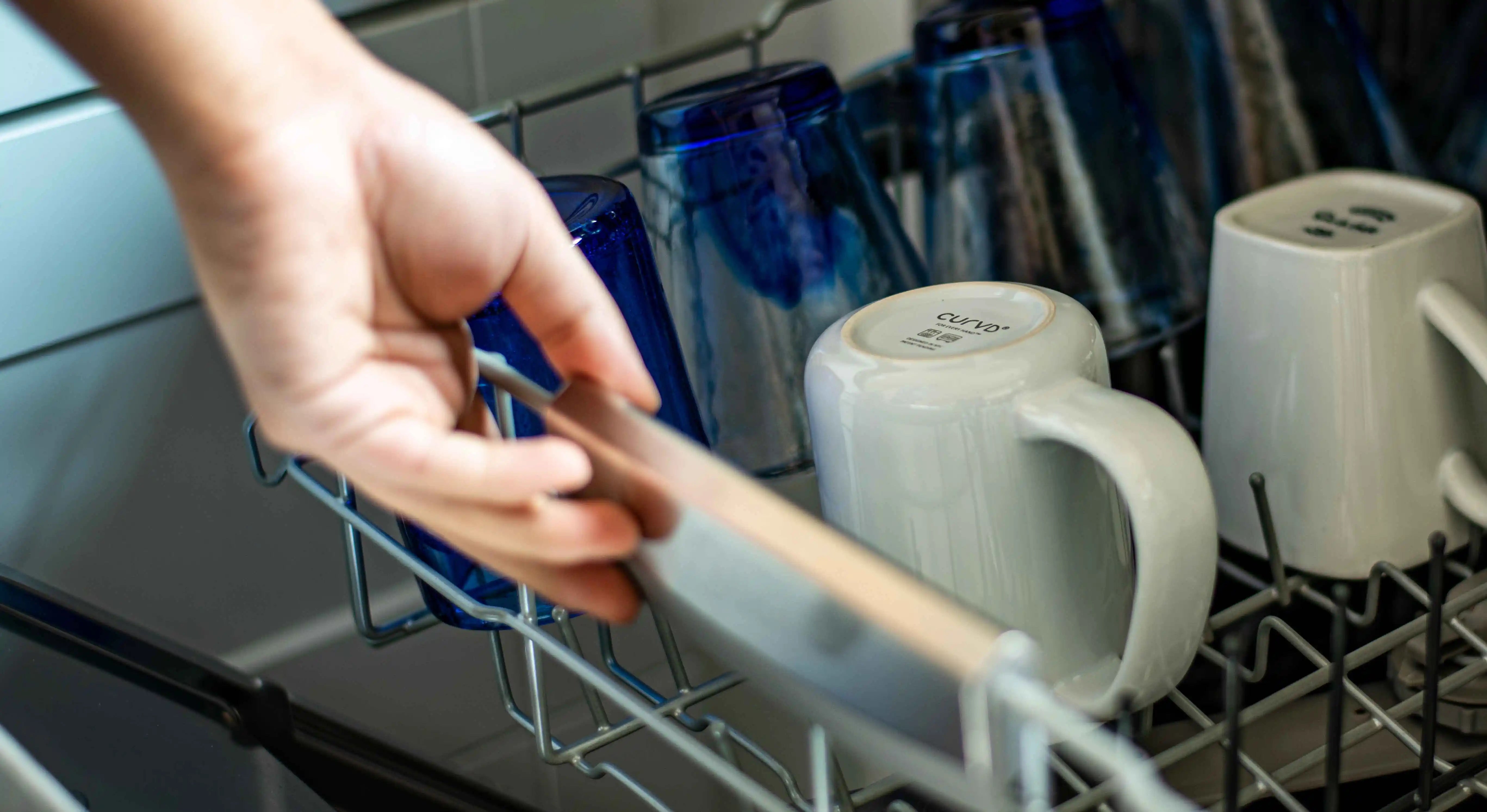
- Top Rack Placement: Always place ceramic mugs on the top rack of your dishwasher. This area typically experiences less intense water pressure and lower temperatures compared to the bottom rack, which is crucial for delicate glazes and decorations.
- Avoid Crowding: Ensure mugs are not touching each other or other dishes. Contact during the wash cycle can lead to chipping, especially if the dishwasher's internal spray arms cause items to shift. Give each ceramic mug a bit of breathing room.
- Upright Position: Place mugs upside down or at an angle so water can easily drain out. This prevents pooling and ensures thorough cleaning and drying.
Choosing the Right Detergent and Cycle
- Mild Detergent: Opt for a mild, non-abrasive dishwasher detergent. Harsh detergents, especially those with strong bleaching agents, can dull glazes or degrade delicate decorations over time. My advice is to avoid anything too aggressive.
- Gentle Cycle/Lower Heat: If your dishwasher has a "gentle" or "eco" cycle, or an option for lower heat, use it for your ceramic mugs. High heat, particularly during the drying cycle, can be detrimental to certain glazes and colors. Air drying or using a low-heat setting is preferable.
When in Doubt, Hand Wash
If you're unsure about a ceramic mug's dishwasher safety, or if it holds sentimental value, hand washing is always the safest option. Use warm, soapy water and a soft sponge, avoiding abrasive scrubbers. This simple act can protect cherished pieces from potential damage, a lesson I've learned the hard way with a few gifts that ended up losing their luster after a machine wash.

The Lifespan of Ceramic Mugs: Dishwasher vs. Hand Washing
The choice between machine washing and hand washing extends beyond mere convenience; it significantly impacts the lifespan and appearance of your ceramic mugs. From years of observing kitchenware, it's clear that while the dishwasher offers undeniable ease, it comes with its own set of trade-offs for certain items.
Dishwashers, even on gentle settings, subject items to high temperatures, powerful water jets, and sometimes harsh chemical detergents. This environment can be particularly challenging for ceramic mugs that aren't specifically designed to withstand such conditions. Over time, even "dishwasher safe" ceramic mugs can show signs of wear – glazes might become duller, colors might fade slightly, and minor imperfections could appear. This gradual degradation is often imperceptible after a single wash but becomes noticeable over dozens or hundreds of cycles.
Hand washing, on the other hand, provides a more controlled and gentle cleaning process. Lower water temperatures, softer sponges, and milder soaps reduce the risk of chipping, fading, or glaze damage. For decorative ceramic mugs, handmade items, or those with delicate finishes, hand washing preserves their original beauty and extends their life indefinitely. While it requires more effort, the peace of mind knowing your favorite mug is safe can be well worth the extra minute or two. Ultimately, the decision depends on the mug's construction and your personal priorities regarding convenience versus preservation.

Frequently Asked Questions
Are all ceramic mugs dishwasher safe?
No, not all ceramic mugs are dishwasher safe. Their safety depends on the type of ceramic, the quality of the glaze, and the presence of any delicate decorations like metallic accents or hand-painted designs.
How can I tell if my ceramic mug is dishwasher safe?
Look for a "dishwasher safe" label or symbol, typically on the bottom of the mug. If there's no label, or if it says "hand wash only," it's best to hand wash to prevent potential damage.
Why do some ceramic mugs fade in the dishwasher?
Mugs can fade in the dishwasher due to harsh detergents, high water temperatures, or poor-quality glazes and decorations that aren't designed to withstand the machine's abrasive environment.
Can metallic decorations on ceramic mugs go in the dishwasher?
Generally, no. Metallic accents like gold or silver trim on ceramic mugs are almost never dishwasher safe, as they can tarnish, chip, or fade significantly due to the heat and chemicals.
Is it safe to put handmade ceramic mugs in the dishwasher?
For handmade ceramic mugs, it's usually safest to hand wash them. Unless the artisan explicitly states that they are dishwasher safe and uses specialized glazes, the unique firing processes and decorations might not withstand machine washing.
Does high heat damage ceramic mugs in the dishwasher?
Yes, high heat, particularly during the drying cycle, can damage certain ceramic glazes or decorations, leading to cracks, fading, or dullness over time. Using a gentle cycle with lower heat is often recommended.
Conclusion
Determining whether your cherished ceramic mugs are dishwasher safe boils down to a few key factors: the inherent quality of the ceramic material, the integrity of its glaze, and the nature of any decorative elements. While the "dishwasher safe" label provides a reliable guide, understanding the nuances behind different ceramic types and decorative finishes empowers you to make smarter choices. By opting for top-rack placement, using mild detergents, and exercising caution with delicate pieces, you can enjoy the convenience of your dishwasher without compromising the beauty or longevity of your mug collection.
Don't let uncertainty lead to damaged favorites. Take a moment to inspect your ceramic mugs, understand their care requirements, and when in doubt, choose the gentle touch of hand washing. Your mugs will thank you by remaining vibrant and intact for countless sips to come. Share your own mug care tips in the comments below – we'd love to hear how you keep your favorite ceramic mugs looking their best!