Quick answer: The right cutting board makes fish prep cleaner, safer, and easier.
Imagine coming home with a cooler full of trout or a weekend haul of snapper. You want to fillet fast, keep your counters clean, and avoid cross-contamination. The right cutting boards for fish give you a stable, easy-to-clean surface with non-slip grip, measurement guides, or rollable mats that travel to the dock. I’ve tested many styles in kitchens and on boats. In this guide, I’ll walk you through the best cutting boards for fish I trust, explain real trade-offs, and tell you who should buy which board.

Farberware Extra-Large Plastic Cutting Board,…
BPA FREE: This cutting board is made of BPA free, polypropylene plastic. The poly material is non absorbent, non porous, and will not harbor odors, stains, or harmful bacteria. It…

FLISSA Nonslip Fish Fillet Mat…
Non-slip Fish Mat: Our fish fillet mat is designed to be placed on your fish workstation or fish cutting & cleaning board to protect the surface and grip the fish….

Farberware Large Cutting Board, Dishwasher-…
QUALITY MATERIALS: This cutting board is made of polypropylene plastic. The poly material is non absorbent, nonporous, and will not harbor stains. It is gentle on knives, keeping their blades…
Farberware 12×18 Plastic Board
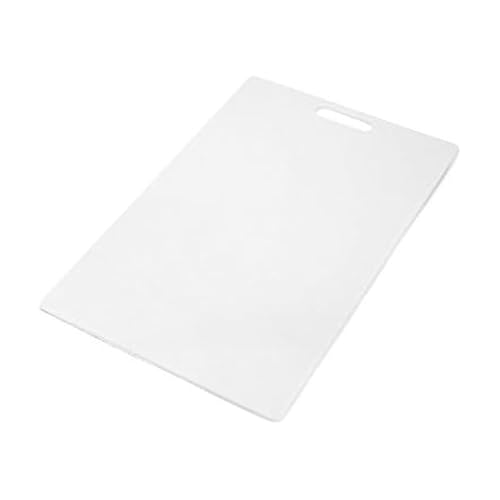
I use this Farberware board when I want a simple, large cutting surface. The 12×18 size gives enough room for whole fish. The plastic is light and clamp-free. I toss it in the dishwasher after a messy fillet session.
This board resists stains and stays hygienic with hot water. It has a molded handle that helps when moving the board. It is not the thickest board, but it works well for home anglers and cooks. It’s affordable and easy to store under a counter.
Pros:
- Large 12×18 surface fits most fish
- Dishwasher-safe for fast clean-up
- Lightweight and easy to move
- Affordable for frequent use
- Non-porous plastic reduces odor build-up
Cons:
- Can scratch with heavy fillet knives
- Not as heavy-duty as commercial boards
- May slide on wet surfaces without a mat
My Recommendation
I recommend this Farberware when you want a reliable, no-fuss board for home use. It’s best for cooks who fillet occasionally and prefer a dishwasher-safe board. If you want cutting boards for fish that are easy to clean and store, this is a solid, low-cost pick.
| Best for | Why |
|---|---|
| Home cooks | Easy to clean and store |
| Casual anglers | Large surface and light weight |
| Budget buyers | High value for price |
FLISSA Fish Fillet Mat

The FLISSA fillet mat is built for boats and docks. It’s flexible, rollable, and has a printed measuring scale. I appreciated how the mat protected my boat deck during a long day of cleaning fish. It cleans quickly with a hose.
The non-slip surface holds the fish steady while I work. The mat is thick enough to protect fillet knives and my hands. It folds up small and fits in a tackle bag. If you fish away from home, this mat is a practical cutting board alternative.
Pros:
- Portable and rollable for travel
- Built-in measuring scale for quick sizing
- Non-slip surface keeps fish steady
- Easy to rinse off at the dock
- Durable material resists tears and stains
Cons:
- Not dishwasher-safe
- Can retain moisture if not dried properly
- Less rigid than a solid board for heavy filleting
My Recommendation
This FLISSA mat is perfect for anglers who need portable cutting boards for fish. I use it when I’m on the water or cleaning fish outside. Its scale helps me record catches. If you need a travel-friendly board that protects surfaces and blades, pick this mat.
| Best for | Why |
|---|---|
| On-boat cleaning | Rollable, fits tackle box |
| Measuring fish | Printed scale for quick reads |
| Outdoor use | Easy to rinse and dry |
Farberware 11×14 Plastic Board

This Farberware 11×14 board is my go-to for smaller jobs. It fits on narrow counters and is easy to maneuver. I use it to clean trout, flounder, and smaller sea bass. The handle makes it easy to tip scraps into a bin.
The plastic stands up to acids and salt. It cleans up cleanly in the dishwasher. The size is compact yet practical. I recommend it as a second board for fish when you don’t need the extra width.
Pros:
- Compact size for small kitchens
- Dishwasher-safe for hygiene
- Easy-to-grip handle for control
- Lightweight and easy to store
- Resistant to fish odors and stains
Cons:
- Too small for large catches
- Thin construction can flex under pressure
- Edges can wear over long-term heavy use
My Recommendation
Choose this Farberware if you need a compact cutting board for fish. I like it for small species and quick cleanups. It pairs well with a larger board for heavy-duty filleting. For cutting boards for fish in tight kitchens, this is a smart pick.
| Best for | Why |
|---|---|
| Small kitchens | Compact and space-saving |
| Solo anglers | Great for single fish prep |
| Backup board | Use alongside larger boards |
Heavy Duty Rollable Fish Mat

The heavy duty rollable mat is built for tough use. It handles large fish and harsh weather. I use it in wet conditions because it grips well and drains clean. The 14×28 size gives a large working plane when unrolled.
The mat resists cuts and cleans with soap and water. I like that it rolls into a tight tube and slips into my boat bag. It is a practical choice if you need a rugged, portable cutting area for fish outside the kitchen.
Pros:
- Large 14×28 surface when unrolled
- Non-slip texture for firm grip
- Rolls up for easy transport
- Durable for repeated outdoor use
- Protects boat and dock surfaces
Cons:
- Not as rigid as a solid board
- Needs to be dried to prevent mildew
- May move on very slick decks without extra grip
My Recommendation
If you need cutting boards for fish on the go, this rollable mat is a top choice. I use it on boats and in camp kitchens. It offers a big surface and packs down small. For anglers who travel light, it’s a dependable option.
| Best for | Why |
|---|---|
| Mobile anglers | Large surface that rolls small |
| Outdoor filleting | Made for wet, messy jobs |
| Boat use | Protects decks and fits storage |
Winco 18×24 Commercial Board
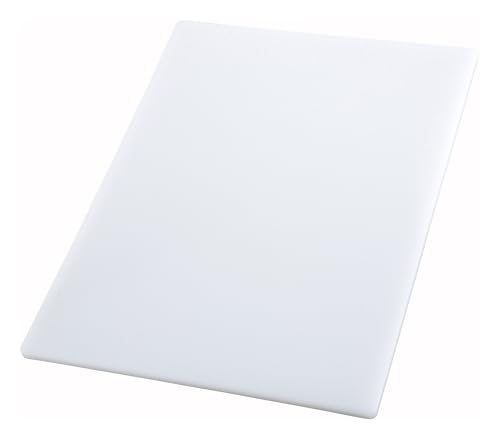
This Winco commercial board is heavy and built for repeated use. It’s a half-inch thick and resists warping. I use it for large fillets and for jobs that need a firm, flat plane. The size is ideal for serious home cooks and small commercial kitchens.
The density of the plastic protects blades and stays steady on counters. It cleans with a scrub and sanitizer. If you handle many fish or run a small food prep area, this board will last. It’s an investment that performs under pressure.
Pros:
- Thick 1/2″ construction for stability
- Large 18×24 surface for big fish
- Commercial-grade durability
- Easy to sanitize for hygiene
- Minimal flex under heavy knives
Cons:
- Heavy to move and store
- More expensive than thin plastic boards
- Requires space for storage
My Recommendation
I recommend the Winco if you want professional strength among cutting boards for fish. I use it when I prepare many fillets in a session. It’s best for cooks who need a rigid, long-lasting board. The price reflects its commercial build and reliability.
| Best for | Why |
|---|---|
| Frequent filleting | Thick, durable surface |
| Large fish | Roomy 18×24 size |
| Small kitchens with heavy use | Built for daily work |
Bamboo Fish Cleaning Board Kit

This bamboo kit is a premium option for anglers who value tools and style. The board includes a clamp, knife, sharpener, and gloves. I found the bamboo surface to be sturdy and attractive. The kit works well if you want a single package for gift-giving or first-time filleting.
Bamboo is harder than many woods, so it cuts down staining and scoring. The clamp holds slippery heads and tails while I fillet. The included tools add value and save a trip to the store. It’s a complete set for someone learning to clean fish at home.
Pros:
- All-in-one kit with knife and clamp
- Bamboo is strong and looks nice
- Anti-slip features for safer prep
- Includes sharpener to keep blades keen
- Good gift option for anglers
Cons:
- Wood requires more care than plastic
- Not dishwasher-safe
- Can absorb odors if not dried properly
My Recommendation
I suggest this bamboo board kit for anglers who want a refined, all-in-one solution among cutting boards for fish. I like it for at-home filleting and presentation. If you prefer natural materials and tools included, this kit gives strong value and style.
| Best for | Why |
|---|---|
| Gift buyers | Complete kit ready to use |
| Home chefs | Attractive and functional bamboo |
| Beginners | Includes tools to start filleting |
Blue 18×12 Fish Cutting Board

This blue HDPP board is color-coded for seafood. I use color-coded boards to prevent cross-contamination in busy prep. The 18×12 size and 1/2″ thickness feel sturdy. It’s NSF-grade, so it meets higher cleanliness standards for foodservice.
The blue color helps me separate fish prep from produce or meat. The density stands up to sharp blades and repeated cleaning. Small restaurants and serious home cooks will appreciate its professional grade. It is easy to sanitize and store flat.
Pros:
- Color-coded for safe seafood prep
- NSF and commercial-grade material
- Thick 1/2″ construction for stability
- Compact but roomy 18×12 size
- Resists knife marks and odors
Cons:
- Heavier than thinner boards
- Blue color may fade over time
- Cost is higher than basic plastic boards
My Recommendation
I pick this blue board when I want clear food-safety separation for fish. I use color-coding in my kitchen to avoid cross-contamination. For cutting boards for fish in semi-professional kitchens, this board combines safety and durability.
| Best for | Why |
|---|---|
| Food-safety focused cooks | Color-coded to prevent cross use |
| Small restaurants | NSF-grade material |
| Serious home chefs | Durable and easy to sanitize |
Thirteen Chefs 18×12 Blue Board

Thirteen Chefs delivers a sturdy blue HDPE board that feels pro-level. The 1/2″ thickness gives a confident surface for tough fillets. I like the smooth texture that is easy to scrub. It is NSF-stamped for hygiene standards I trust.
The board stands up under repeated cleaning and won’t warp. I use it when I prep many portions for the freezer. The blue color signals seafood prep in my kitchen. It’s a reliable workhorse among cutting boards for fish.
Pros:
- Professional-grade HDPE construction
- NSF-certified for food safety
- Thick and stable for heavy work
- Simple to clean and sanitize
- Blue color for seafood identification
Cons:
- Requires storage space due to thickness
- Higher price than hobby boards
- Edges may show knife marks over time
My Recommendation
I recommend the Thirteen Chefs board for cooks who need durable cutting boards for fish and seafood. I choose it for high-volume prep and sanitizing ease. If you want a professional board that lasts, this model checks the boxes.
| Best for | Why |
|---|---|
| High-volume cooks | Thick and durable surface |
| Commercial use | NSF certification |
| Home pros | Reliable and long-lasting |
FAQs Of cutting boards for fish
How do I clean cutting boards for fish safely?
Clean with hot, soapy water right after use. Rinse and sanitize with a mild bleach solution or a food-safe sanitizer. For plastic boards, the dishwasher is ideal. Dry fully before storage to prevent odors or mold.
Which material is best for filleting fish?
I prefer high-density plastic (HDPE) for hygiene and knife protection. Bamboo is good for looks and hardness but needs more care. Rollable mats work well for outdoor use. Pick based on how and where you fillet.
Can I use the same board for fish and vegetables?
I avoid that. Use color-coded boards or separate boards to prevent cross-contamination. Blue for fish, green for produce, and red for raw meat keeps prep safe. It only takes a minute to swap boards.
How often should I replace a fish cutting board?
Replace when deep grooves form that trap bacteria or when the board warps. For heavy users, inspect boards quarterly. Light home use can last years, but safety comes first.
Are rollable mats safe for knives?
Yes, quality mats protect blades if they have a dense surface. However, very soft mats can dull knives faster. I recommend mats labeled as heavy-duty or designed for filleting fish.
Final Verdict: Which Should You Buy?
For most home anglers, a blue HDPE board or a Farberware plastic board offers the best mix of safety and value. If you fillet on the boat, choose a rollable or nonslip mat built for outdoor use.
In short, pick cutting boards for fish that match your routine: rigid HDPE for lots of prep, bamboo kits for style and tools, and rollable mats for travel. Each type fills a clear need.