
A small cookie scoop usually holds about 1 tablespoon (15 ml) and forms 1–1.5 inch dough balls.
I have baked for years and tested many tools. I will walk you through exactly how big a small cookie scoop is, what the measurements mean, and how to pick the right scoop for your bake. You will learn simple conversions, real-world examples, and tips I use in my kitchen to get even cookies every time. Read on to master how big is a small cookie scoop and why that size matters to your cookies and recipes.
Why scoop size matters for cookies
How big is a small cookie scoop affects cookie texture, bake time, and yield. A scoop sets dough portion size. Even dough balls bake more evenly and look more professional when portions match.
When recipes say “drop by tablespoon,” a scoop gives consistent results. Consistency helps when scaling recipes or when you want uniform batches for gifts or bake sales. Small changes in scoop size change bake time by a few minutes and can change cookie thickness and chew.

Typical measurements: How big is a small cookie scoop in metrics
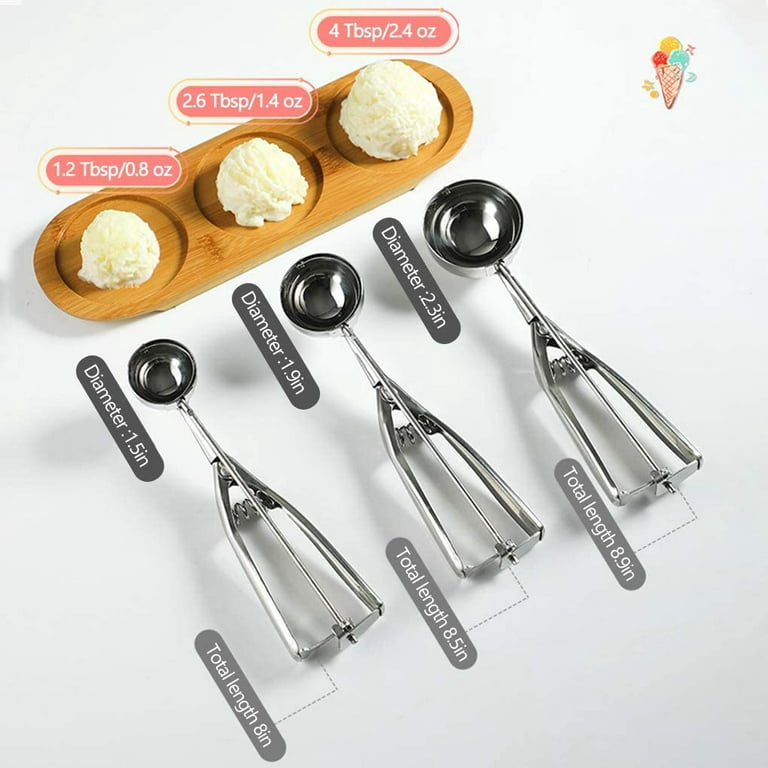
A small cookie scoop typically holds roughly 1 tablespoon. That equals about 15 milliliters. In baker’s weight, that can be about 12–18 grams per scoop depending on dough density.
Common metric and imperial equivalents you can use:
- 1 small cookie scoop = about 1 tablespoon
- 1 tablespoon = about 15 milliliters
- 1 small scoop ≈ 0.5 fluid ounce
- Weight range for cookie dough = roughly 12–18 grams per small scoop
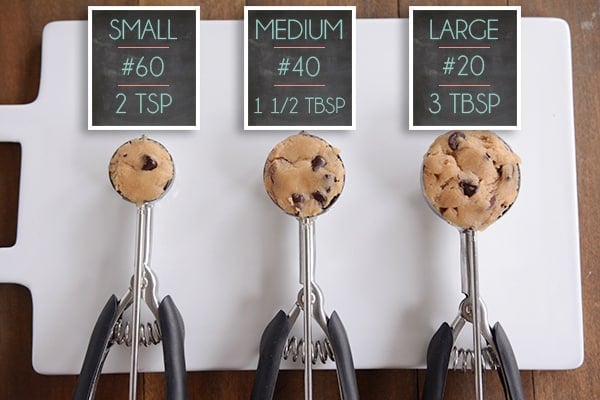
Keep in mind that different brands label scoop sizes by number (for example, #70, #60). Those numbers refer to how many scoops fit in a quart, so they vary. Always test with your dough to be exact.

Scoop numbering and what it means for size
Scoop makers use a numbering system. Lower numbers mean larger scoops. That can confuse bakers who only want a “small” scoop.
Simple rule of thumb:
- Smaller number = bigger scoop
- Larger number = smaller scoop
So when you see a number on a scoop, check the tablespoon or milliliter value if listed. If not listed, expect a small cookie scoop to be near 1 tablespoon and labeled with a larger scoop number. This keeps your expectations clear when you ask “How big is a small cookie scoop?” and when you shop.
Real baking examples using a small cookie scoop
I use a small cookie scoop daily. Here are clear examples from my kitchen that show how big is a small cookie scoop in action.
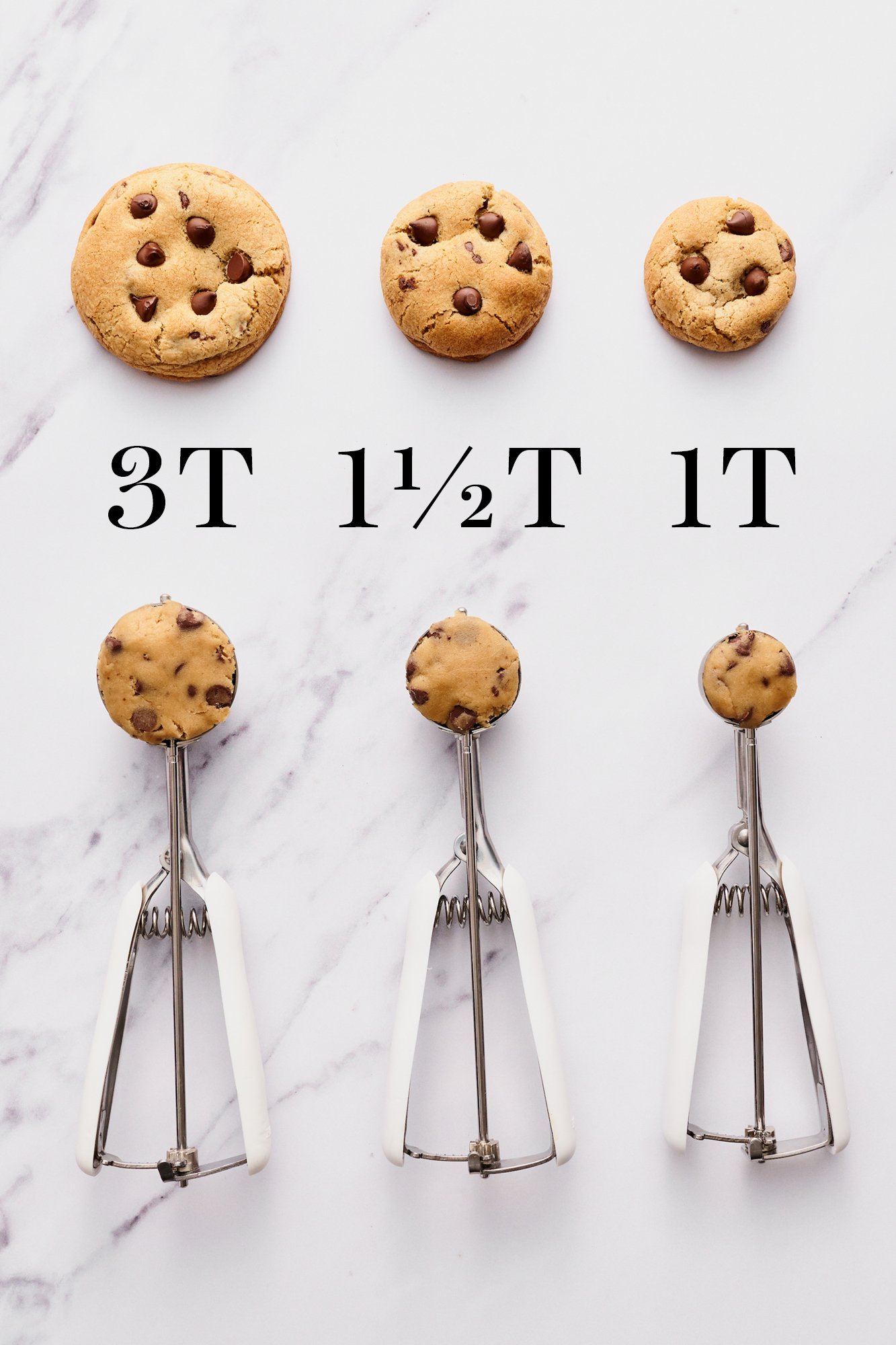
- Chocolate chip cookies: I use 1 tablespoon scoops to make 2-inch cookies. They bake 9–11 minutes at 350°F.
- Drop cookies with mix-ins: A small scoop yields evenly spaced cookies that need less spreading control.
- Shortbread bites: A single tablespoon makes tidy, uniform little rounds that keep a tender center.
These quick tests show how small shifts in scoop size change the final cookie. Try one dough type with two scoop sizes to see the difference yourself.

Conversions and baking adjustments
When a recipe uses volume but you want uniformity, use these quick conversions. They help when you wonder, “How big is a small cookie scoop compared to a teaspoon or a larger scoop?”
Useful conversions:
- 1 tablespoon = 3 teaspoons
- 1 small scoop (1 tablespoon) = 15 ml
- 2 small scoops = 2 tablespoons
- If recipe lists grams, weigh one scoop of your dough to set a standard for the batch
Baking adjustments:
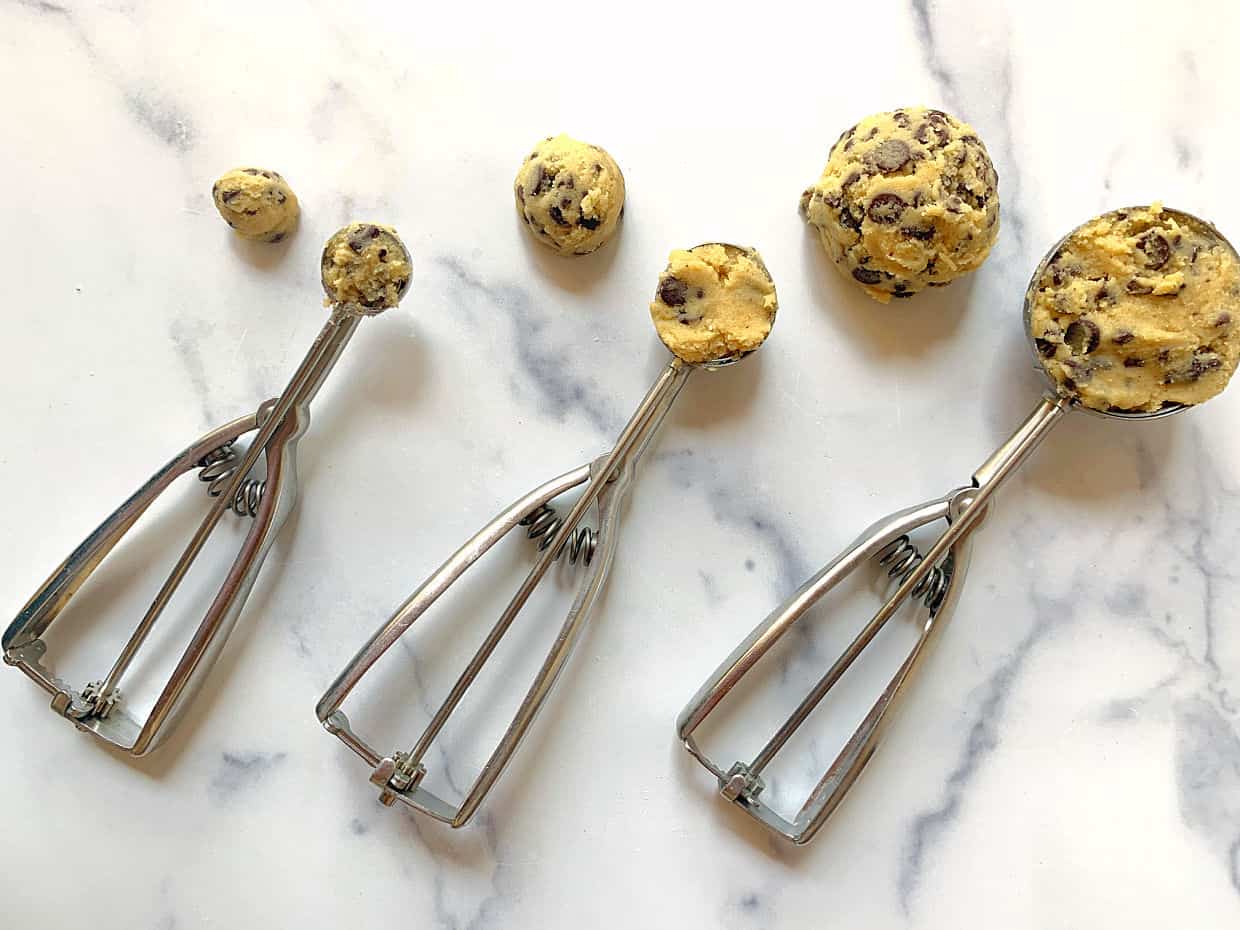
- If you switch from small to medium scoop, add 2–4 minutes to bake time.
- If you change scoop size, check the first tray early to avoid overbake.
Source: fooddrinklife.com
How to choose the right small cookie scoop
Choosing a scoop is about comfort, durability, and the size you want. Ask yourself how big is a small cookie scoop for your needs and what cookie you plan to bake.
Pick by these factors:
- Size marking: Look for tablespoon or milliliter on the product page
- Handle type: Single-handed release is faster for big batches
- Material: Stainless steel lasts longer than plastic and cleans easily
- Number labels: If a brand uses numbers, match them to the volume chart before buying
My tip: buy one small metal scoop and test it with your go-to dough. That saves time and money.

Common mistakes and how to avoid them
Many bakers underestimate how much scoop size changes results. Here are mistakes I’ve made and how to avoid them.
- Mistake: swapping scoop sizes mid-batch. Fix: stick to one scoop per batch.
- Mistake: assuming number labels mean the same across brands. Fix: check volume or measure a scoop.
- Mistake: not accounting for dense dough. Fix: weigh a few scoops and note the average grams.
These small fixes answer “How big is a small cookie scoop?” by making size practical and predictable in your kitchen.
Personal tips from experience
I test scoop sizes with simple steps. This routine saved me time and improved cookie quality.
Steps I use:
- Scoop and weigh three balls of dough. Note the gram average.
- Bake one test tray. Note time and spread.
- Adjust oven time by one minute per tablespoon change.
This hands-on method gives quick feedback. When you ask “How big is a small cookie scoop?” you can answer with a number and real data from your own kitchen.
Frequently Asked Questions of How big is a small cookie scoop
What is the standard volume of a small cookie scoop?
A small cookie scoop usually holds about 1 tablespoon or 15 milliliters. Volume can vary a little by brand and design.
Will a small cookie scoop make smaller cookies than a teaspoon?
Yes. A teaspoon is one-third of a tablespoon. A small scoop at one tablespoon gives a larger dough ball than a teaspoon.
How many cookies does a batch make with a small cookie scoop?
A standard cookie recipe that yields 24 tablespoons of dough will make about 24 cookies with a small scoop. Adjust if your recipe yields more or less dough.
How does dough type affect scoop size results?
Dense dough packs heavier per scoop, so weight per scoop can change. Always weigh sample scoops for consistent sizing.
Can I use a small cookie scoop for muffin batter?
You can for mini muffins or bite-size muffins. For full-size muffins use a larger scoop to avoid overfilling pans.
Conclusion
A small cookie scoop is typically about 1 tablespoon, or 15 milliliters, and it gives you uniform, bite-size cookies that bake evenly. Knowing how big is a small cookie scoop helps you control yield, bake time, and cookie shape. Test one scoop with your favorite dough, weigh a few samples, and note bake changes. Try it this week and you will see faster, more consistent results—then share your favorite scoop size or recipe below.