If you’ve ever asked, How can I make a good pizza, you’re in the right place. I’ve spent years testing dough methods, ovens, and toppings at home and in busy kitchens. The truth is simple: great pizza comes from balance. You need good flour, proper hydration, slow fermentation, gentle shaping, high heat, and restraint with toppings. I’ll show you how to master each step so you can bake a pizza that tastes like your favorite pizzeria.
:max_bytes(150000):strip_icc()/real-simple-make-you-rown-pizza-RS1222-d5c99b1bfef245938f9241569c2cecbb.jpg)
Source: www.realsimple.com
Understand The Pillars Of Great Pizza
A good pizza is a sum of five parts. Dough, sauce, cheese, toppings, and heat. Each part matters. When they work together, you get a crisp bottom, airy rim, and a melt that pulls like silk.
Here is the big picture I use when I coach new cooks:
- Use strong white flour for structure. Aim for medium to high protein.
- Hydrate well. Soft dough makes light crust.
- Ferment cold and slow. Flavor grows with time.
- Keep sauce bright and simple. Do not cook it long.
- Bake hot. Heat is your silent partner.

Source: www.abeautifulplate.com
Choose Ingredients That Actually Matter
Great pizza starts at the store. Small upgrades make huge gains.
- Flour: Look for bread flour or 00 flour. Bread flour gives chew. 00 gives a tender bite and browning when the heat is high.
- Water: Clean and cool. Aim for 60 to 70 percent hydration for home ovens.
- Yeast: Instant or active dry both work. Use a small amount and give it time.
- Salt: Use fine sea salt for even mixing. It controls yeast and adds flavor.
- Oil: A little extra-virgin olive oil can help with tenderness and browning in home ovens.
- Tomatoes: Choose whole peeled tomatoes with low acidity and no added herbs. Crush by hand.
- Cheese: Low-moisture whole-milk mozzarella melts smoothly in home ovens. Fresh mozzarella is great if you bake fast.
- Toppings: Pick fresh, dry them well, and slice them thin so they cook through.
Source: www.youtube.com
Master The Dough: Hydration, Salt, And Time
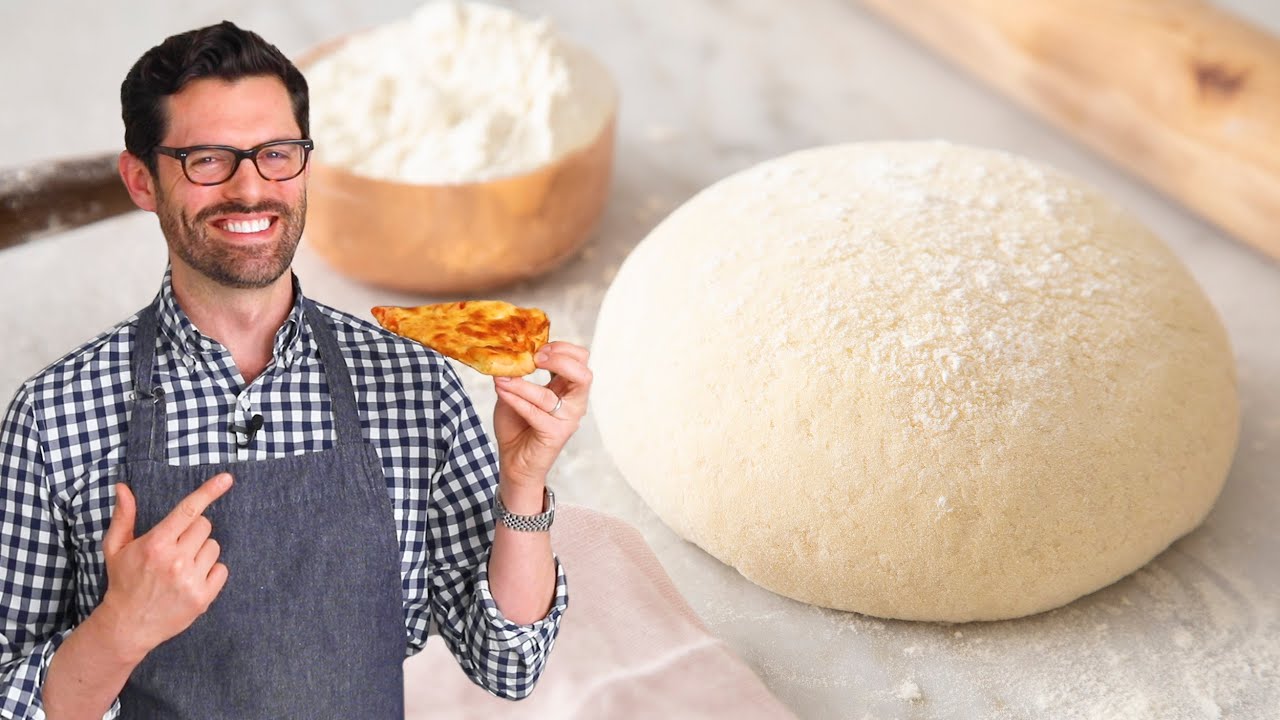
Dough is the heart. Treat it with care and it will reward you. My go-to ratio for home ovens:
– 100 percent flour
– 62 percent water
– 2 percent salt
– 0.2 to 0.4 percent instant yeast
– 1 to 2 percent olive oil (optional for home ovens)
Steps I use at home:
- Mix flour and water first. Let it rest 20 minutes. This helps gluten start on its own.
- Add salt and yeast. Mix until smooth and tacky, not dry.
- Lightly oil a bowl. Place the dough inside and cover.
- Rest at room temp 20 to 30 minutes. Give two to three gentle stretch-and-folds every 10 minutes.
- Cold ferment 24 to 72 hours in the fridge. More time, more flavor.
- Bring to room temp 60 minutes before shaping.
From my tests, a 48-hour cold ferment gives the best balance of flavor and lightness. If you are short on time, a same-day dough can work. The crust will be less complex, but still good.

Source: www.abeautifulplate.com
Shape Without Stress: How To Stretch Like A Pro
Gentle hands make airy rims. Press, do not roll.
- Dust the bench and your hands with flour.
- Turn the dough out. Keep the top side up.
- Press the center out to the edges with your fingertips. Leave a 1-inch rim.
- Lift the dough over your knuckles. Let gravity help. Rotate and stretch until 10 to 12 inches wide.
- If it tears, pinch it closed and rest the dough for two minutes.
Tip from the line: If the dough fights back, it is cold or tight. Give it five more minutes to relax.

Source: www.youtube.com
Build A Bright, Simple Sauce
Skip long-simmered sauces for pizza. You want fresh tomato flavor.
- Crush canned whole tomatoes by hand.
- Add a pinch of salt and a splash of olive oil.
- Add a pinch of sugar only if the tomatoes taste sharp.
- Optional: a touch of dried oregano or fresh basil leaves.
Do not drown the dough. Use a thin, even layer. Too much sauce leads to a soggy crust.
:max_bytes(150000):strip_icc()/Simply-Recipes-Homemade-Pizza-Dough-Lead-Shot-1c-c2b1885d27d4481c9cfe6f6286a64342.jpg)
Source: www.simplyrecipa es.com
Cheese And Toppings: Less Is More
Balance is the rule. Aim for an even melt and clean flavor.
- Use 3 to 4 ounces of low-moisture whole-milk mozzarella on a 12-inch pie.
- Pat fresh mozzarella dry. Tear into small pieces.
- Pre-cook watery toppings like mushrooms or spinach and pat dry.
- Slice meats thin. A few pieces go a long way.
- Add delicate herbs after baking to keep their aroma bright.
My common mistake early on was overloading. The crust could not support it. Once I cut topping amounts by a third, my pies baked crisp and even.
Bake Hot And Fast: Oven, Stone, Or Steel
High heat puffs the rim and sets the bottom. Home ovens need a plan.
- Preheat your oven to its maximum setting for at least 45 to 60 minutes.
- Use a baking steel if you can. It stores more heat than a stone and browns faster.
- Place the steel on the top third rack for strong top heat.
- Launch the pizza onto the hot surface with a lightly floured or cornmeal-dusted peel.
- Bake 5 to 8 minutes at 500 to 550°F. Rotate once for even color.
- Finish under the broiler for 30 to 60 seconds if you want extra char.
Food-safety note: Toppings should reach safe temperatures. Cheese should be fully melted and bubbling. Pepperoni and sausage should be cooked through.
Step-By-Step: My Reliable Home Pizza Recipe
This is the method I teach friends. It is repeatable and simple.
Dough for two 12-inch pizzas:
- 500 g bread or 00 flour
- 310 g cool water
- 10 g fine sea salt
- 1.5 g instant yeast
- 8 g olive oil
Process:
- Autolyze: Mix flour and water until no dry spots. Rest 20 minutes.
- Mix: Add salt, yeast, and oil. Knead 5 to 8 minutes until smooth and slightly sticky.
- Folds: Rest 30 minutes. Give two gentle folds 10 minutes apart.
- Cold ferment: Divide into two balls. Lightly oil containers. Refrigerate 24 to 48 hours.
- Warm up: Remove from fridge 60 to 90 minutes before baking.
- Preheat: Heat oven with steel to 525°F for 60 minutes.
- Stretch: Shape to 12 inches on a floured peel.
- Top: 3 tablespoons sauce, 3 to 4 ounces cheese, and light toppings.
- Bake: 6 to 8 minutes. Rotate once. Broil 30 seconds if needed.
- Finish: Rest 1 minute. Add basil, olive oil, or grated cheese.
Common Mistakes And Easy Fixes
I have made them all. Here is how to fix the usual suspects.
- Pale crust: Preheat longer. Use a baking steel. Add a pinch of sugar or a drop more oil to the dough.
- Soggy center: Use less sauce and cheese. Dry toppings well. Bake on a hotter surface.
- Dense rim: Let the dough proof longer. Do not roll with a pin. Stretch gently.
- Dough tears: Hydrate a bit more next time. Let the dough relax between stretches.
- Burned bottom: Move the rack higher. Shorten the bake and use a quick broil to finish the top.
Tools That Make A Big Difference
You can make good pizza with a sheet pan. Still, a few tools help a lot.
- Baking steel or stone for strong bottom heat
- Metal peel for launching and a wooden board for serving
- Digital scale for precise dough ratios
- Dough scraper for clean handling
- Infrared thermometer for checking surface temp
- Wire rack for cooling so the crust stays crisp
Advanced Tweaks When You’re Ready
When you want to push flavor and texture farther, try these.
- Higher hydration: Go to 65 to 68 percent water for a more open crumb.
- Starter: Swap 10 to 20 percent of the flour with active sourdough starter for depth.
- Poolish: Use an overnight pre-ferment with equal parts flour and water plus a pinch of yeast.
- Double bake: Par-bake the base 2 minutes, cool, then top for heavy toppings.
- Style shifts: New York style likes lower hydration, longer bake. Neapolitan needs very high heat and a short bake.
Frequently Asked Questions Of How Can I Make A Good Pizza
What Is The Best Flour For Homemade Pizza?
Bread flour is reliable for home ovens. It gives chew and browning. 00 flour works great if your oven runs hot or you use a steel and broiler.
How Long Should I Ferment The Dough?
Aim for 24 to 48 hours in the fridge. The flavor gets better up to about 72 hours. Past that, the dough can weaken.
Do I Need A Pizza Stone Or Steel?
No, but they help a lot. A steel gives faster browning and a crisper bottom than a stone.
How Much Sauce And Cheese Should I Use?
For a 12-inch pie, use about 3 tablespoons of sauce and 3 to 4 ounces of cheese. This keeps the center from getting soggy.
Why Does My Pizza Stick To The Peel?
Use more flour on the peel. Work fast after topping. Give the peel a small shake before launching to be sure it moves.
Can I Make Good Pizza With All-Purpose Flour?
Yes. The crust will be a bit softer. Keep hydration near 60 percent and do a cold ferment for best results.
Wrap-Up: Your First Great Pizza Starts Today
You now know the core steps to make a good pizza at home. Use the right flour, hydrate well, ferment slowly, shape with care, top with restraint, and bake hot. Start with the simple recipe here and keep notes. Small changes make big wins.
Pick a night this week, preheat your oven, and make your first pie. Share your results, ask questions, and keep learning. Subscribe for more tested doughs, sauces, and bake hacks. Leave a comment with your favorite topping combo and what you want to master next.