Make pesto by hand: crush and chop basil, nuts, garlic, cheese, then stir in olive oil.
I’ve been making fresh pesto without a food processor for years. In this guide I will show you clear, tested ways to answer how do you make pesto sauce without a food processor, step by step. You’ll get ingredient ratios, three easy methods you can do at home, troubleshooting tips, and storage advice. Read on and you’ll learn simple, hands-on ways to make bright, silky pesto without a machine.

Why make pesto without a food processor?
Making pesto by hand keeps more texture and can taste fresher. Learning how do you make pesto sauce without a food processor lets you control texture, and it is a satisfying kitchen skill. Hand methods work when you have no appliance or want rustic charm. They also let you adjust nuts, cheese, and oil as you go.
 homemade pesto”
style=”max-width: 100%; height: auto; border: 2px solid black; border-radius: 10px; display: block; margin: 0 auto;”
loading=”lazy”
/>
Ingredients and ratio for homemade pesto
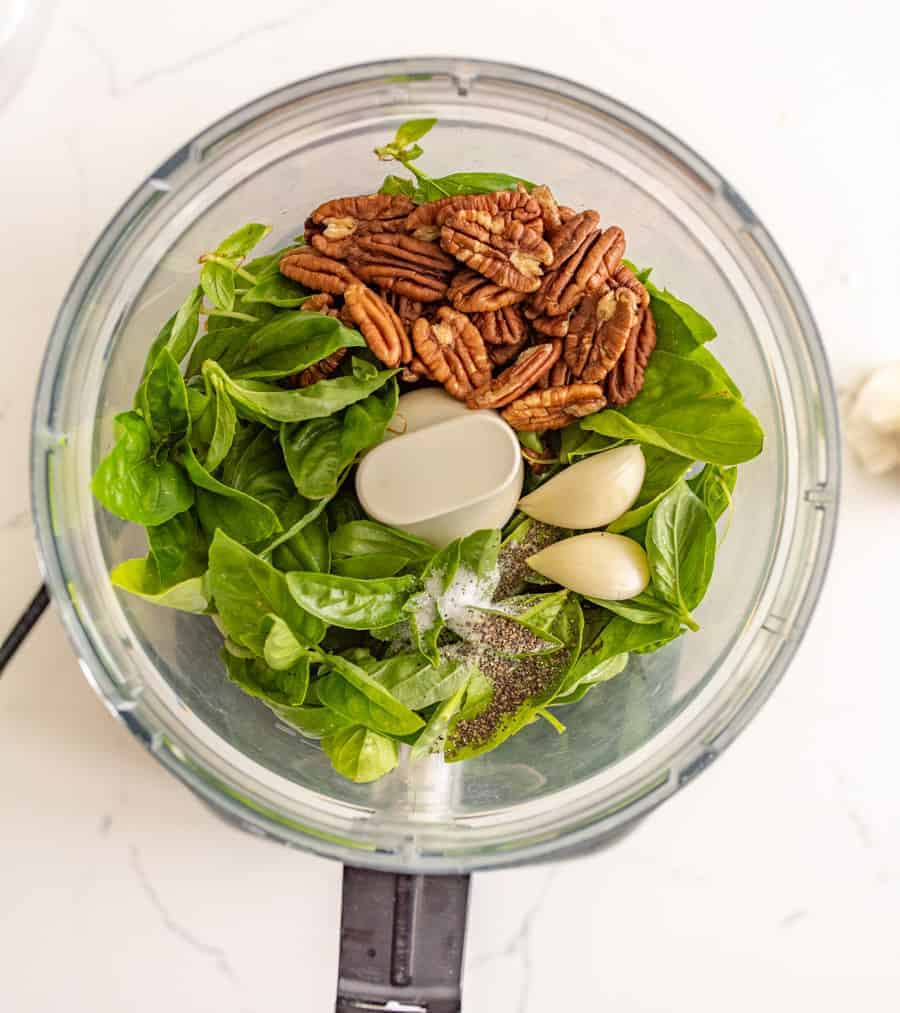
A reliable ratio makes success repeatable. Here is a basic recipe that scales well whether you use a mortar or a knife.
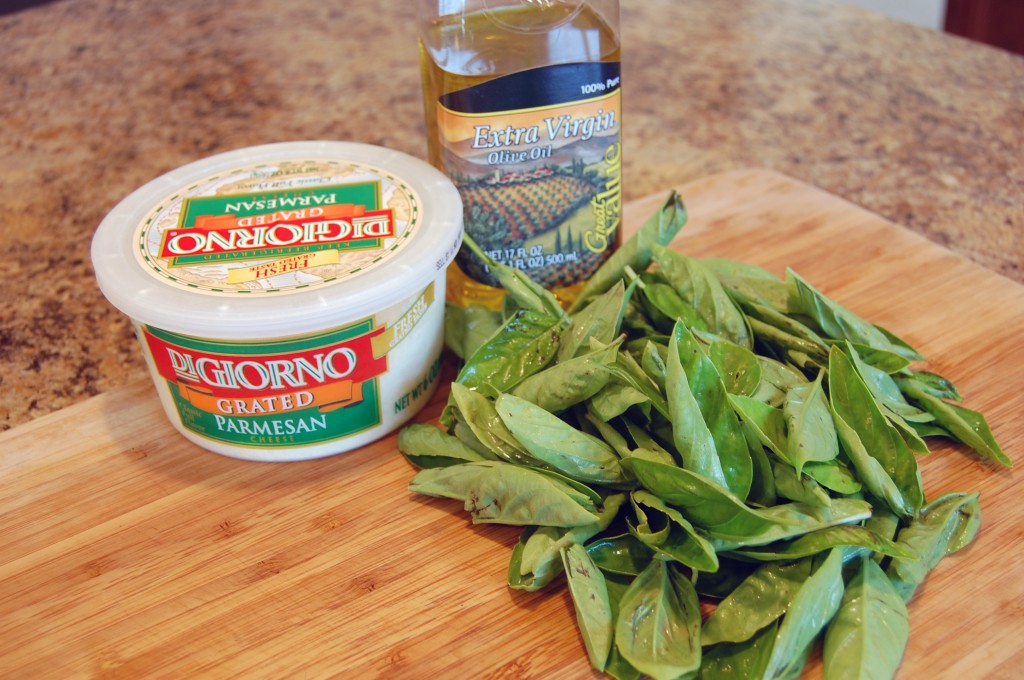
- 2 cups fresh basil leaves, packed
- 1/3 cup pine nuts (or 1/3 cup walnuts or almonds)
- 2 garlic cloves, peeled
- 1/2 cup freshly grated Parmesan or Pecorino
- 1/2 cup extra virgin olive oil, plus more as needed
- 1/2 teaspoon fine salt, to taste
- Freshly ground black pepper to taste
- Optional: 1 teaspoon lemon juice to brighten
This ratio also answers how do you make pesto sauce without a food processor by showing simple amounts to work with. Use less oil for a thicker paste and more for a looser sauce. Taste and adjust as you go.

Tools and methods you can use instead of a food processor
You don’t need a machine to get great pesto. Here are three tried-and-true methods I use at home when I have no food processor.
- Mortar and pestle
- Traditional, yields the creamiest texture.
- Great for small batches and strong garlic flavor.
- Knife-and-chop
- Fast and accessible. Use for larger batches.
- Gives a pleasant rustic texture and control.
- Jar-and-spoon or jar-and-rolling-pin
- Use a sturdy jar and a wooden spoon or rolling pin to crush and mix.
- Good backup when you lack other tools.
Each method will be shown step by step so you can pick one that suits your kitchen. These options cover how do you make pesto sauce without a food processor in practical ways.
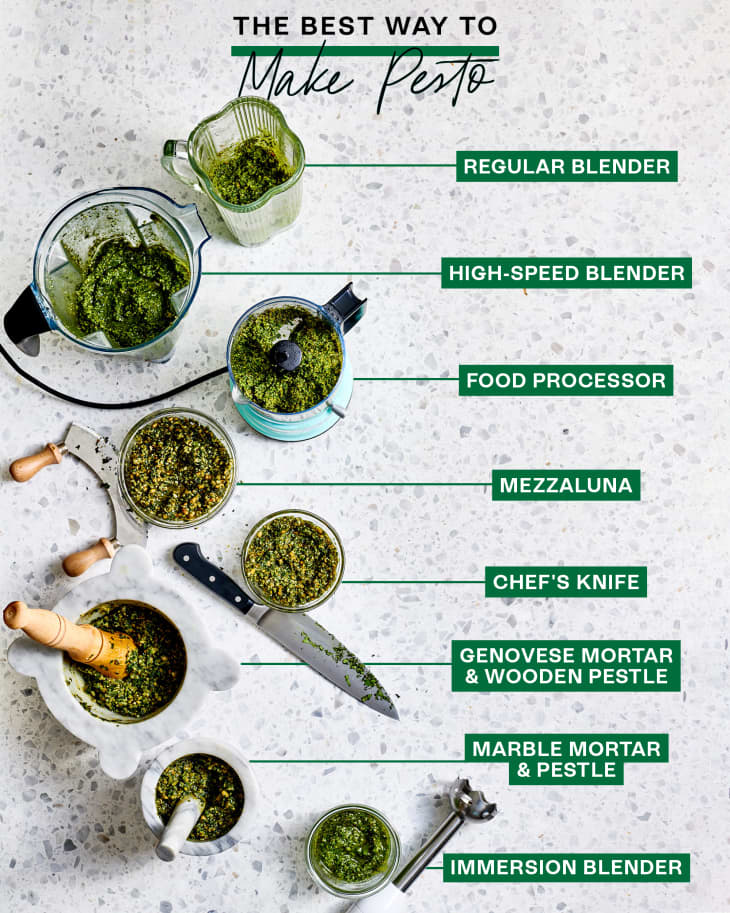
Mortar and pestle method (classic)
This is my go-to when I want a silky, aromatic pesto.
- Toast the nuts lightly in a dry pan for 2–3 minutes until fragrant. Cool.
- Smash the garlic with a pinch of salt in the mortar to make a paste.
- Add toasted nuts and grind until a coarse paste forms.
- Add basil leaves in small handfuls, grinding each batch into the paste.
- Stir in grated cheese and a splash of olive oil. Continue until smooth but still slightly textured.
- Adjust salt, pepper, and lemon juice.
Mortar and pestle help blend flavors slowly. This answers how do you make pesto sauce without a food processor by using time and muscle for great results.
Knife-and-chop method (fast and flexible)
This method is excellent for larger amounts and gives a pleasant bite.
- Stack basil leaves, roll them tight (chiffonade), and slice thinly.
- Roughly chop the toasted nuts and garlic together until uniform.
- Combine basil, nuts, garlic in a bowl and add cheese.
- Drizzle olive oil while stirring and scraping to combine into a coarse paste.
- Keep chopping lightly to reach desired texture.
Knife-chopping keeps control in your hands. It’s a reliable way to answer how do you make pesto sauce without a food processor when you want speed.
Jar-and-spoon (or rolling-pin) method (no special tools)
A simple home fix for small batches.
- Place garlic, nuts, and a pinch of salt in a sturdy jar.
- Use a wooden spoon or rolling pin to crush until coarse.
- Add basil and press/turn until crushed.
- Add cheese and olive oil. Stir vigorously until combined.
This method is low-tech and effective. If you’re asked how do you make pesto sauce without a food processor, try this when appliances aren’t available.
Step-by-step: turning your pesto into a sauce
Once the paste is ready, turn it into a sauce for pasta or spread.
- Reserve 1/2 cup pasta cooking water.
- Warm the pesto gently in a pan with 1–2 tablespoons of pasta water and 1–2 tablespoons of oil. Do not boil.
- Add cooked pasta and toss off the heat. Add more pasta water to loosen the sauce.
- Finish with a sprinkle of cheese and a drizzle of olive oil.
This method shows how do you make pesto sauce without a food processor and still get a glossy, clingy sauce for pasta.

Tips, flavor variations, and common mistakes
Small changes make big differences. These tips come from kitchen tests and real cooking sessions.
- Use fresh basil with bright leaves. Wilted leaves give dull flavor.
- Toast nuts lightly. Toasting deepens flavor but avoid burning.
- Add oil gradually. Too much oil at once makes the paste oily and thin.
- Keep texture in mind. Mortar yields creamier pesto; chopping gives a chunkier bite.
- Swap nuts: walnuts or almonds are cheaper and tasty.
- Add lemon juice or zest to cut richness.
- Avoid overheating pesto. High heat dulls the basil flavor.
Common mistakes to avoid:
- Using old Parmesan—use freshly grated cheese.
- Overblending in a blender (if you do use one later)—it makes pesto too smooth and warm.
- Not seasoning in steps—adjust salt and acid at the end.
These pointers answer practical questions on how do you make pesto sauce without a food processor and help you avoid pitfalls.
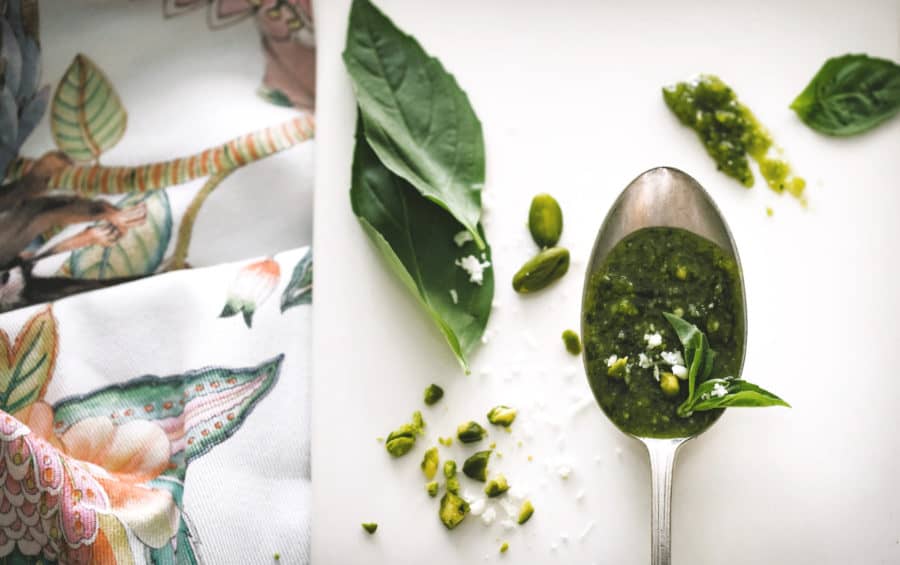
Storage and food safety for homemade pesto
Pesto stores well with care. Follow these guidelines to keep pesto fresh and safe.
- Refrigerate: Store pesto in an airtight container for 3–5 days. Press plastic wrap on the surface to limit air.
- Freeze: Freeze in ice cube trays for single portions. Transfer cubes to a freezer bag for up to 3 months.
- Oil seal: Pour a thin layer of olive oil over the pesto surface to slow oxidization.
- Reheat gently: Thaw frozen pesto in the fridge and warm it slowly. Do not boil to preserve bright flavor.
These steps answer how do you make pesto sauce without a food processor while keeping safety and flavor in mind.
Frequently Asked Questions of how do you make pesto sauce without a food processor
What is the best method for making pesto without a food processor?
The mortar and pestle method gives the best, most aromatic result. Knife-chopping is faster for large batches and still yields great flavor.
Can I use other herbs instead of basil when making pesto by hand?
Yes. Try parsley, cilantro, or arugula for different flavors. You may want to reduce garlic and increase lemon for bitter greens.
How long does pesto made without a food processor last in the fridge?
Pesto keeps 3–5 days in the fridge when sealed and covered with oil. For longer storage, freeze in portions for up to three months.
Do I need to roast the nuts before making pesto by hand?
Toasting nuts enhances their flavor but is optional. Lightly toasting for 2–4 minutes brings out nuttiness without adding work.
How do I thin pesto if it’s too thick after hand-making it?
Use a tablespoon of warm pasta water, olive oil, or a little lemon juice to loosen the pesto. Add slowly and taste as you go.
Conclusion
Making pesto without a food processor is simple and rewarding. Use a mortar and pestle, a sharp knife, or a jar and spoon to crush, chop, and blend basil, nuts, garlic, cheese, and oil into a bright sauce. Practice the steps, adjust seasoning, and store properly to enjoy fresh pesto any time. Try one method tonight and share how it went in the comments or subscribe for more hands-on kitchen guides.