
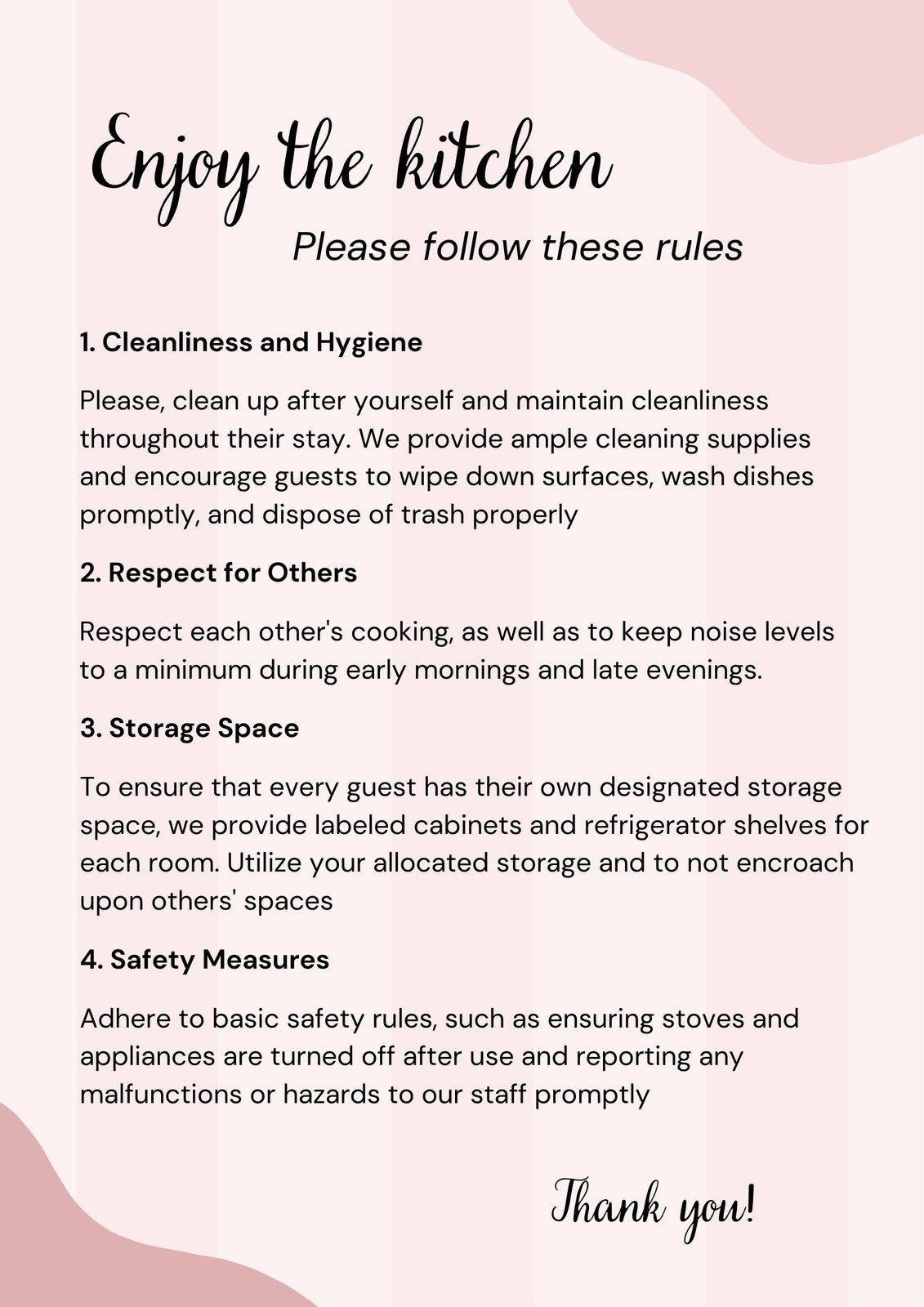
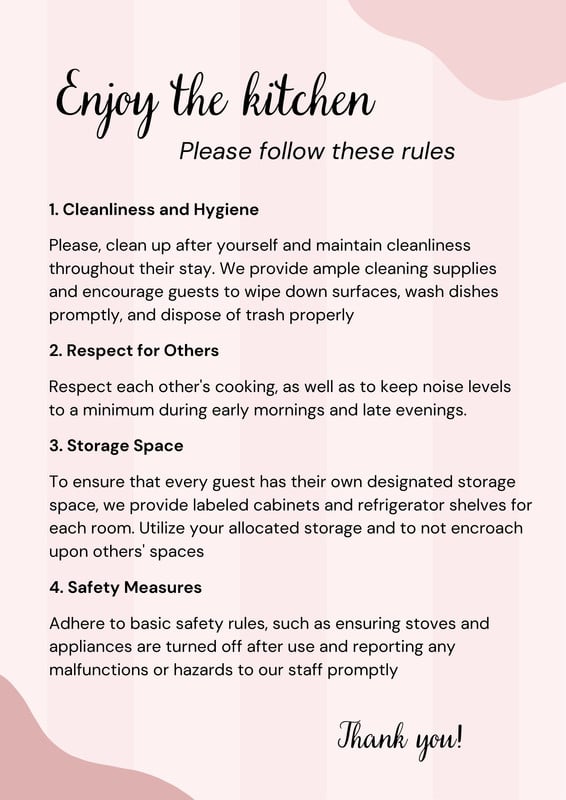
Keep hazards low with clean habits, safe tools, smart heat control, and clear rules.
If you want to master how to maintain safety rules in kitchen, you need a steady plan and daily habits. I have trained home cooks and busy teams, and small changes made big results. This guide shows how to maintain safety rules in kitchen with clear steps you can use today.

Build a safety-first mindset
Knowing how to maintain safety rules in kitchen starts with a mindset. Treat your kitchen like a small workshop. Every task needs a safe setup and a clean finish. This simple shift stops most accidents.
I keep a short mantra on my fridge: clear, dry, sharp, and cool. Clear counters. Dry floors. Sharp knives. Cool heads. It sounds basic, but it works when life gets busy.
Tips to set the tone
- Post simple rules where you can see them.
- Keep a charged phone and a first aid kit within reach.
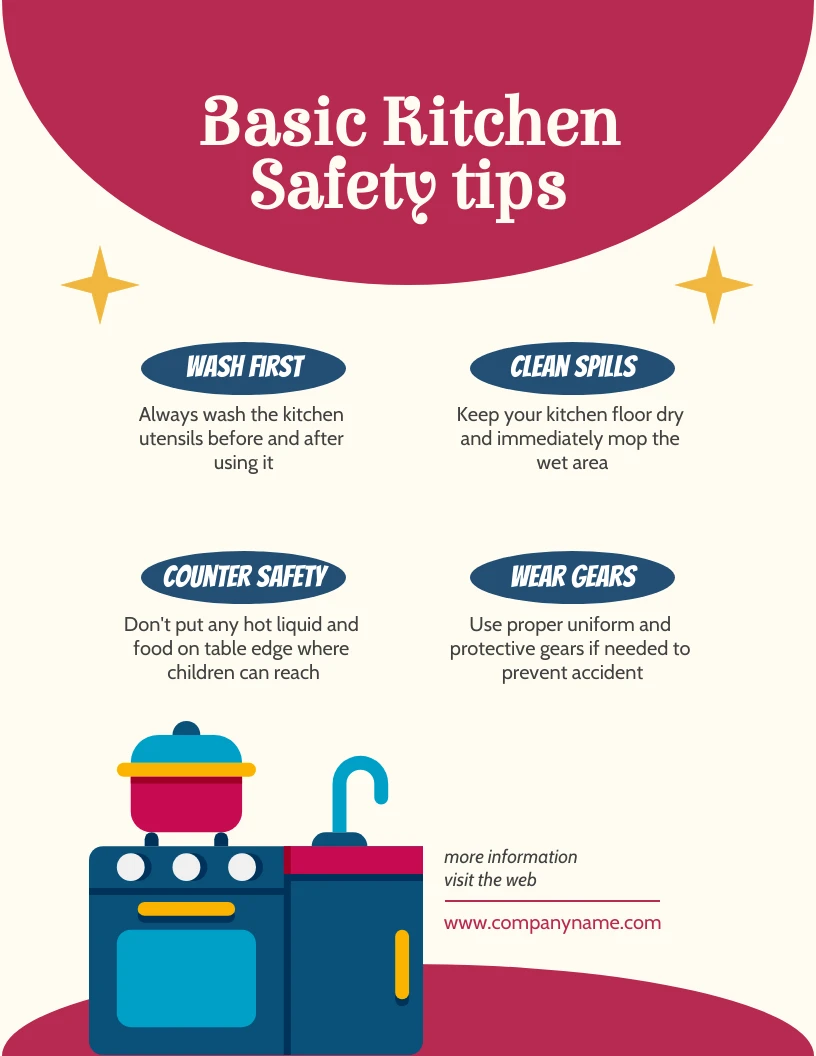
- Wash hands before and after handling food.
- Plan tasks. Do one thing at a time.

Fire and heat safety
If you ask how to maintain safety rules in kitchen, heat control is key. Most home fires start at the stove. Good habits prevent flare-ups and burns. Keep the area tidy. Keep calm when flames rise.
Practical steps I use daily
- Stay in the kitchen while cooking. Set a timer as a back-up.
- Keep flammables away from heat. This includes towels, boxes, and oils.
- Turn pot handles inward. Use back burners when you can.
- Keep a lid near pans to smother small flames.
- For oven flare-ups, turn off heat and keep the door closed.
- Use a Class K extinguisher for grease. Never use water on oil fires.
Safe oil use
- Heat oil slowly. Use a thermometer if frying.
- Dry food before it hits hot oil.
- If oil smokes, cut the heat. Let it cool.
Knife safety and cutting practices
Another core part of how to maintain safety rules in kitchen is knife safety. A sharp knife is safer than a dull one. It needs less force and gives you more control.
Habits that keep fingers safe
- Use a stable board. Place a damp towel under it to stop sliding.
- Curl your fingers into a claw grip. Guide with knuckles.
- Keep knives sharp. Hone often. Sharpen as needed.
- Never leave knives in a sink. Wash and dry right away.
- Store blades in a block, rail, or guard. Do not toss in drawers.
Food safety and cross-contamination
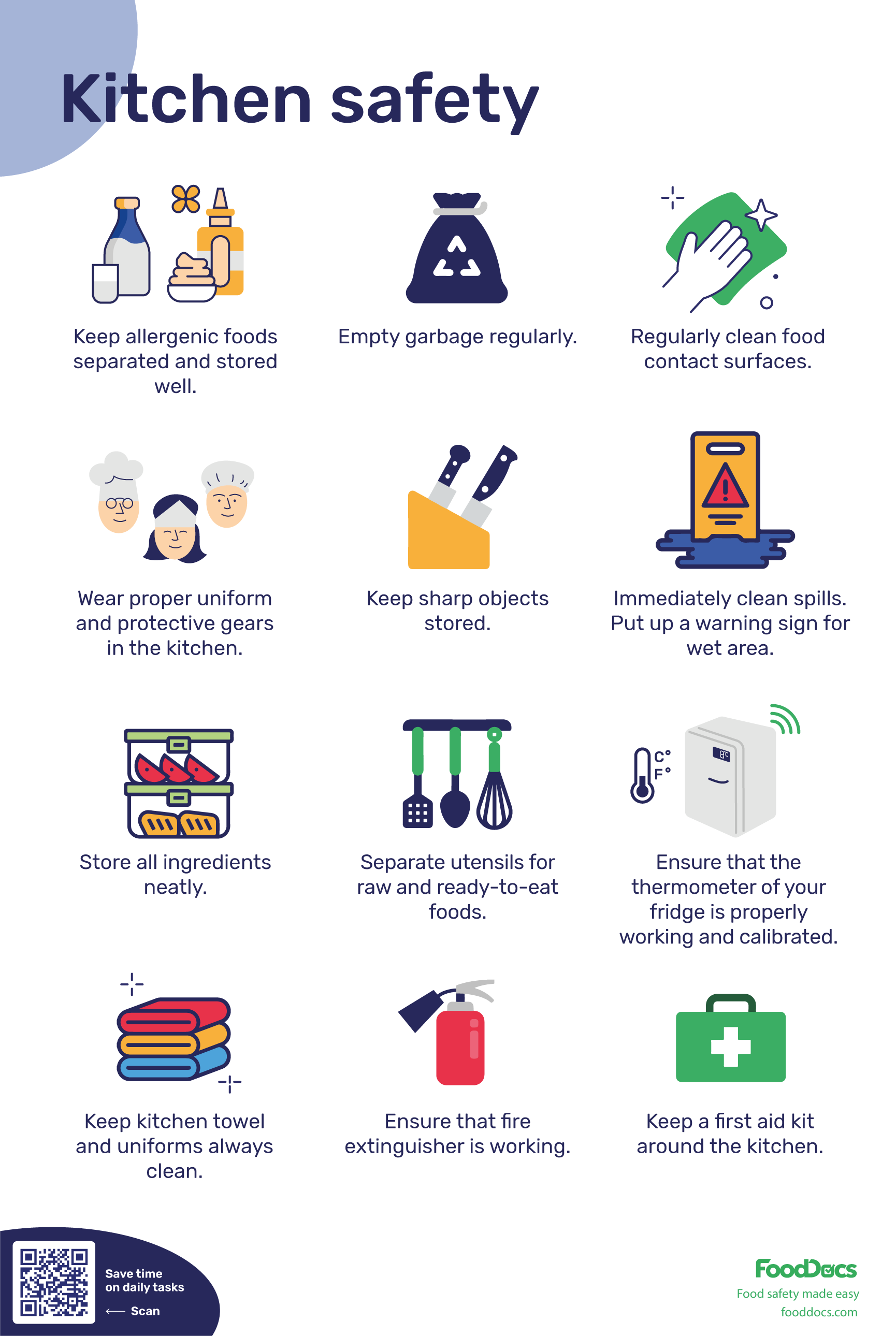
Food safety guides how to maintain safety rules in kitchen as much as fire and knives do. The goal is simple. Keep raw and cooked foods apart. Keep cold foods cold. Cook foods hot enough.
Cold and hot rules I trust
- Keep the fridge at or below 40°F. Freezer at 0°F.
- Follow the two-hour rule. Chill perishable food within two hours.
- Reheat leftovers to 165°F.
- Cook poultry to 165°F. Ground meats to 160°F. Whole cuts to 145°F with a rest.
- Use separate boards for raw meat and ready-to-eat foods.
Smart storage
- Store raw meat on the bottom shelf. Place ready-to-eat foods higher.
- Label and date leftovers. Use within three to four days.

Cleaning, sanitizing, and pest control
Many people ask how to maintain safety rules in kitchen when time is short. The trick is to clean as you go. This keeps surfaces ready and pests away.
Daily cleaning plan that works
- Wipe counters with hot soapy water. Rinse. Then sanitize.
- Swap sponges and dishcloths often. Wash in hot water.
- Empty trash daily. Close bags tight.
- Seal dry goods in air-tight containers. Fix leaks fast.
Sanitizing basics
- Use an approved kitchen sanitizer. Follow label directions.
- Let it sit for the contact time. Then air dry.
Electrical and appliance safety
You cannot claim you know how to maintain safety rules in kitchen if wires are risky. Check cords, outlets, and heat vents. Dust and grease can build up and cause trouble.
Steps that prevent shocks and fires
- Plug big appliances into wall outlets. Avoid extension cords.
- Keep cords dry and away from heat.
- Unplug small tools when not in use.
- Do not overload circuits. If lights flicker, get help from a pro.
- Clean vents and filters on hoods, fridges, and ovens.

Child and pet safety
Part of how to maintain safety rules in kitchen is setting clear zones. Kids learn fast with simple rules. Pets need safe spaces too.
Safe zones that I use at home
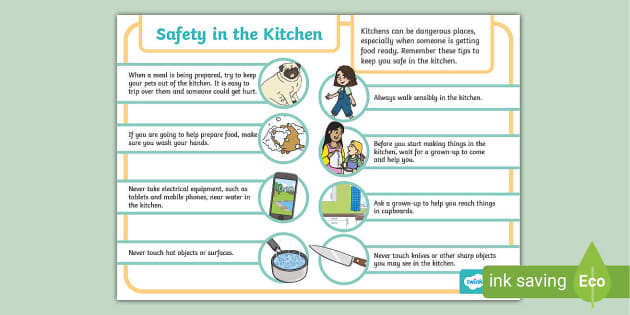
- Create a no-go line near the stove and oven.
- Use stove knob covers and oven locks if needed.
- Store chemicals high and locked.
- Keep pet bowls and beds away from cooking paths.
- Teach kids to ask before touching tools or hot items.
Ergonomics, slips, and falls
To nail how to maintain safety rules in kitchen, protect your body too. Good setup keeps you quick and steady. Bad setup causes spills and cuts.
Simple fixes with big payoffs
- Wear shoes with grip. Dry spills at once.
- Keep floors clear. Coil cords and pick up bags.
- Arrange tools within easy reach. Heavy items at waist height.
- Use a step stool, not a chair, for high shelves.
Emergency readiness and first aid
I hope you never need this, but how to maintain safety rules in kitchen includes being ready. A small plan saves time and nerves.
What to keep and know
- First aid kit with bandages, burn gel, and clean gauze.
- A fire extinguisher you can reach fast. Learn how to use it.
- Emergency numbers saved in your phone.
- For burns, cool under cool running water for 10 to 20 minutes. Do not use ice.
- For cuts, apply pressure, raise the limb, and clean once it stops bleeding.

Daily, weekly, and monthly safety checklist
A checklist is the backbone of how to maintain safety rules in kitchen. It turns good ideas into steady habits. Keep it short and doable.
Daily
- Wash hands often and between tasks.
- Sanitize counters and handles.
- Check stovetop and oven are off before bed.
- Cool and store leftovers within two hours.
- Sweep floors and spot-mop spills.
Weekly
- Deep clean the stove, oven door, and hood filters.
- Sharpen or hone knives.
- Empty and wipe the fridge. Toss expired items.
- Test smoke alarms with a quick button press.
Monthly
- Inspect cords, plugs, and gas lines.
- Review extinguisher charge and access.
- Clean behind appliances if safe to move.
- Update your first aid kit supplies.
Frequently Asked Questions of How to maintain safety rules in kitchen
What is the first step to kitchen safety?
Start with a clean, organized workspace. Clear counters and dry floors prevent most accidents.
How do I handle a grease fire?
Turn off the heat and cover the pan with a lid. Use a Class K extinguisher if needed, and never add water.
How often should I sharpen knives?
Hone lightly every few uses and sharpen when they slip on tomato skin. A sharp knife is safer and cleaner.
What is the safe fridge temperature?
Keep it at or below 40°F. This slows bacterial growth and keeps food safe longer.
How do I prevent cross-contamination?
Use separate boards and tools for raw and ready-to-eat foods. Wash hands and sanitize surfaces between tasks.
What safety gear should every kitchen have?
Keep a first aid kit, an oven mitt set, and a Class K extinguisher. Add a thermometer for food and oil.
Conclusion
Now you know how to maintain safety rules in kitchen and turn them into easy habits. Keep your space clear, control heat, handle food with care, and be ready for the unexpected. Small steps done often protect your family and your peace of mind.
Choose one tip today and make it a daily rule. Then add another next week. Want more guides on how to maintain safety rules in kitchen and other home skills? Subscribe, share your wins, or ask a question in the comments.