
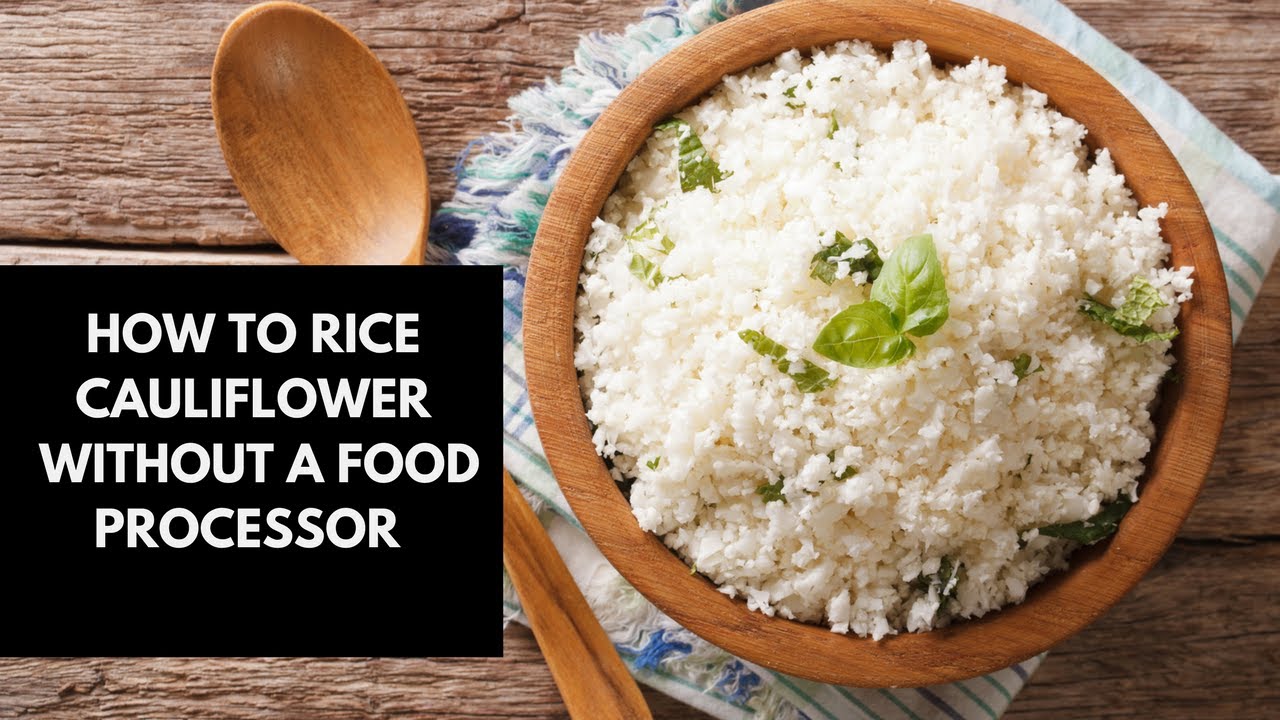
Pulse cauliflower manually by grating or finely chopping to make fluffy rice without a processor.
I’ve made thousands of batches of cauliflower rice in home kitchens and small test kitchens. This guide on how to make cauliflower rice without food processor shows step-by-step methods that work fast, save texture, and keep flavor. You’ll learn three simple techniques, cooking tips, storage advice, and common mistakes to avoid — all from hands-on experience and kitchen-tested results. Read on to master how to make cauliflower rice without food processor for every meal and skill level.
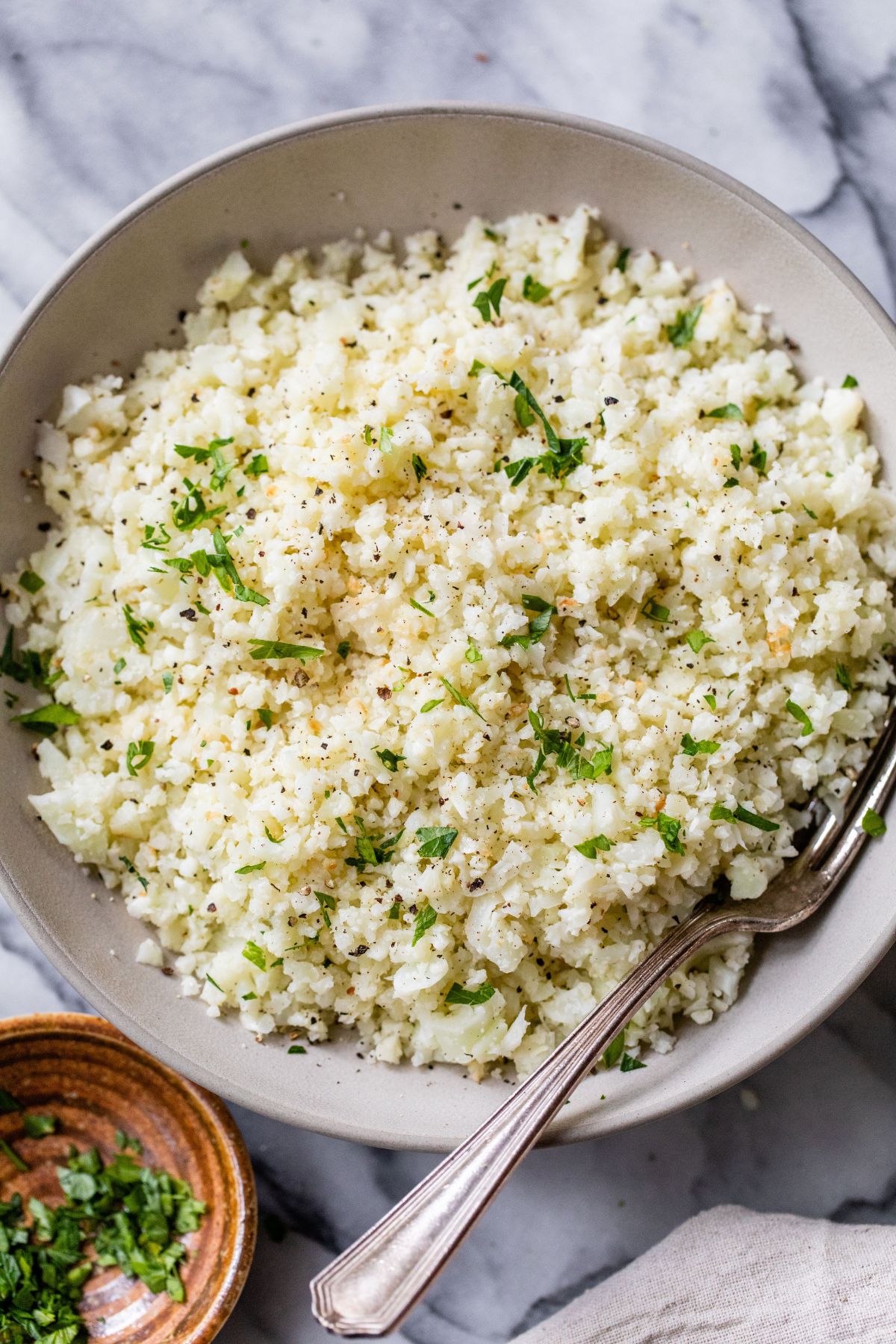
Why choose cauliflower rice and why make it without a food processor
Cauliflower rice is low-carb, versatile, and cooks quickly. Making cauliflower rice without food processor keeps the texture lively and avoids extra cleanup. If you lack a food processor, prefer a firmer texture, or want better control, learning manual methods helps you make consistent, fluffy cauliflower rice every time. These methods let you adjust coarseness and avoid a mushy result.

Tools and prep you need to make cauliflower rice without food processor
Use simple, common tools you already have in the kitchen. Minimal prep keeps the process quick and neat.
- Large head of cauliflower, washed and dried.
- Box grater with large holes.
- Sharp chef’s knife and sturdy cutting board.
- Microplane or coarse hand grater for fine grating.
- Clean kitchen towel or paper towels for drying.
- Skillet for cooking, optional microwave-safe bowl.
- Measuring cup and spoon for oil, salt, and seasonings.
Trim the greens and core the cauliflower before shredding. Chilling the cauliflower for 10 minutes helps firm it up and makes cutting easier.
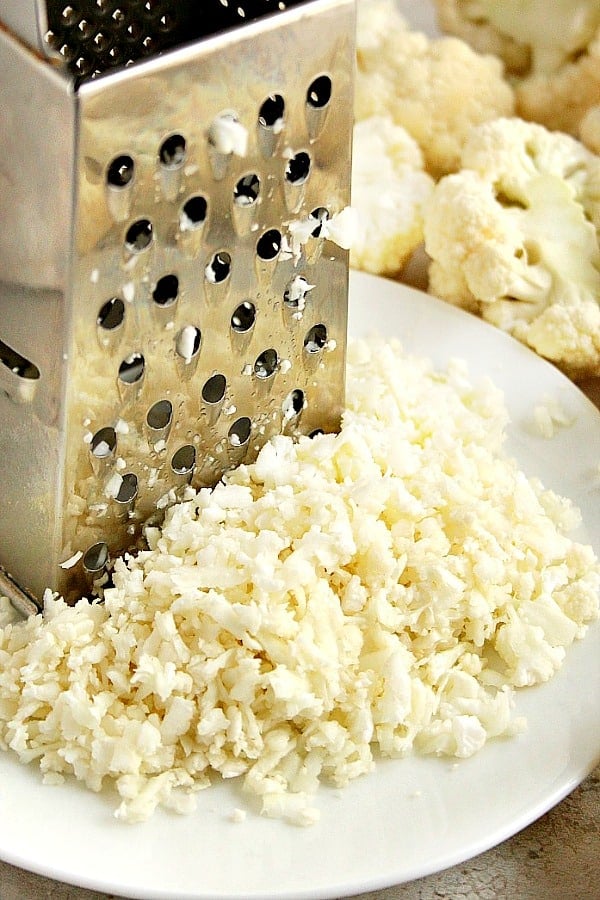
Method 1: Grating with a box grater (fast and consistent)
Grating is my go-to when I want speed and a soft, even texture. It’s safe, quick, and needs no electric gear.
- Cut cauliflower into large florets and a few flat pieces for stability.
- Hold the grater over a bowl and rub each floret down the large holes.
- Turn the floret as needed to grate all surfaces.
- Use a towel to squeeze out excess moisture if you plan to fry the rice.
Tips
- Work over a bowl to catch bits and reduce mess.
- Grate larger stem pieces first so you don’t dull the grater on thick pieces.
Grating yields fluffy pieces ideal for stir-fries and pilafs. With practice, grating cauliflower rice without food processor becomes as fast as pulsing.
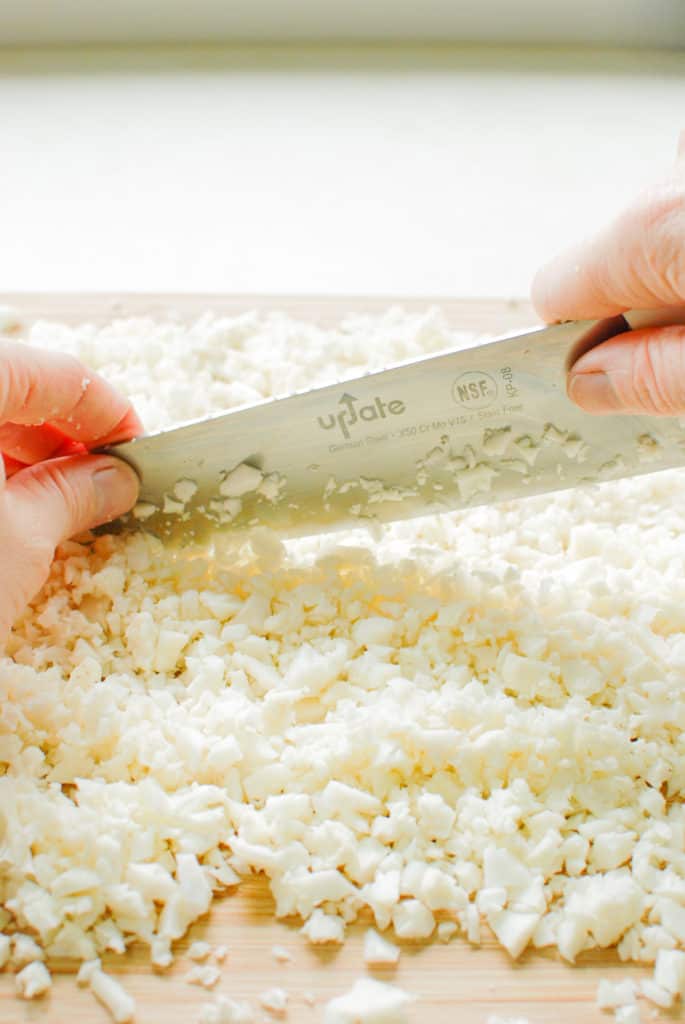
Method 2: Fine chopping with a chef’s knife (best texture, low-tech)
Chopping by hand gives the best control over size and bite. It’s my favorite for recipes needing a firmer grain.
- Cut cauliflower into flat slabs by slicing the head in half, then quarters.
- Remove the core from each slab, then slice into thin strips.
- Gather strips and rock the knife back and forth to finely chop until rice-sized pieces form.
- Scrape the board and re-chop larger bits until uniform.
Personal note: early on I over-chopped and made mush. Now I keep pieces slightly larger for a better mouthfeel. Use a sharp knife and a steady rhythm; chopping 1 head takes 6–10 minutes.
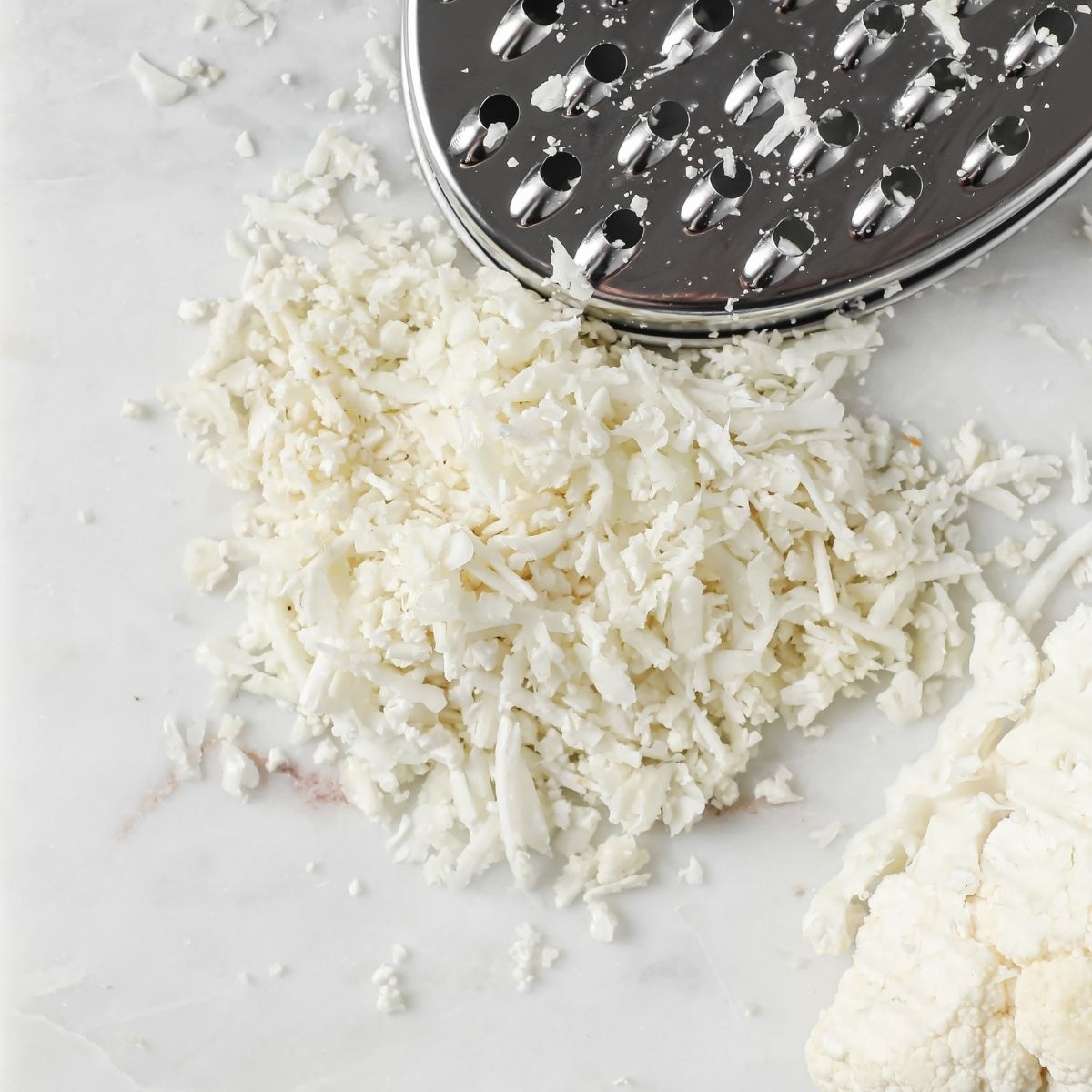
Method 3: Microplane, box grater fine side, or zester (very fine rice)
For a rice that blends into sauces or acts like couscous, use a microplane or fine side of the grater. This is great when you want cauliflower rice without food processor for delicate dishes.
- Hold the floret firm and rub it against the microplane.
- Stop before your fingers get close to the blade.
- Aim for uniform shavings that look like grains.
Be careful: microplanes work fast but can strip skin if you’re not cautious. This method produces very fine cauliflower rice without food processor and is perfect for binding into patties or mixing into risotto-style dishes.

How to cook cauliflower rice (stovetop, microwave, oven)
Cooking method affects moisture and texture. Choose the method that matches your recipe.
Stovetop sauté (most control)
- Heat 1 tablespoon oil in a wide skillet over medium-high.
- Add cauliflower rice and a pinch of salt.
- Cook 5–7 minutes, stirring, until tender but not mushy.
Microwave (fast)
- Place rice in a microwave-safe bowl with a tight lid or plate.
- Cook 3–4 minutes on high, then fluff with a fork.
- Drain any excess water if needed.
Oven roast (drier, nutty flavor)
- Spread cauliflower rice on a baking sheet in a thin layer.
- Roast 8–12 minutes at 425°F, stirring halfway, until slightly browned.
Avoid overcooking. The goal is separate grains, not paste. Each method works well when you make cauliflower rice without food processor — pick based on time and texture preference.
Tips, common mistakes, and texture control
Small adjustments make a big difference. These tips come from testing and real kitchens.
- Dry the cauliflower well before cooking to prevent soggy rice.
- Salt early to draw moisture out for frying, or salt at the end for fluffier texture.
- Use a wide skillet to let steam escape and promote browning.
- Don’t crowd the pan; cook in batches if needed.
- If you prefer chewy texture, undercook by 1–2 minutes.
- Avoid over-blending or over-grating; that creates a mushy feel.
Mistakes to avoid
- Skipping the drying step after grating.
- Using too high heat and burning the rice.
- Overcooking in the microwave without venting steam.
These practical pointers help anyone make cauliflower rice without food processor and get consistent results.

Storage, reheating, and nutrition
Store raw and cooked rice properly to keep flavor and safety.
- Refrigerate raw cauliflower rice in an airtight container for up to 3 days.
- Freeze raw rice on a tray, then transfer to a bag for up to 3 months.
- Cooked cauliflower rice keeps in the fridge for 3–4 days and reheats well in a skillet.
- To reheat, add a splash of oil or water and warm quickly to revive texture.
Nutrition snapshot
Cauliflower rice is low in calories and carbs, and high in vitamin C and fiber. It’s a healthy substitute for grains when you want lighter meals. Making cauliflower rice without food processor preserves texture and reduces water content, which slightly concentrates flavor and nutrients.

Frequently Asked Questions of how to make cauliflower rice without food processor
What is the fastest way to make cauliflower rice without food processor?
Grating with a box grater is the fastest manual method. It produces even pieces quickly and needs minimal cleanup.
Can I use a blender instead of a food processor?
A blender can work in small batches but risks over-processing and turning cauliflower into puree. Use short, controlled pulses and small florets if you try it.
How do I prevent soggy cauliflower rice?
Dry the grated or chopped cauliflower well, use a hot, wide pan, and avoid overcrowding. Salting after cooking also helps keep grains separate.
Is raw cauliflower rice safe to eat?
Yes, raw cauliflower rice is safe and adds crunch to salads and bowls. Cooking reduces raw flavor and makes it more digestible for some people.
Can I freeze cauliflower rice after cooking?
Yes. Cool cooked rice, spread on a tray to freeze, then store in airtight bags for up to 3 months. Reheat directly from frozen in a skillet.
How long does it take to make cauliflower rice without food processor?
Hand-grating takes about 5–10 minutes per head; chopping takes 6–12 minutes depending on skill. Cooking adds 3–10 minutes depending on method.
Closing thoughts
Making cauliflower rice without food processor is easy, low-cost, and lets you control texture and moisture. Try grating for speed, chopping for texture, or microplaning for a delicate grain, and follow the cooking tips to avoid soggy results. Start with one head, test your preferred method, and tweak heat and timing until it suits your taste. Try it tonight, leave a comment with your favorite method, or subscribe for more hands-on kitchen tips and recipes.